Your product is amazing, but customers complain about the bottle. It leaks, it's hard to use, and it feels cheap. This damages your brand with every use, costing you customers.
Your shampoo bottle[^1] is hurting your brand because it creates a poor user experience[^2]. Leaks, difficult pumps, and cheap materials make customers feel frustrated. This directly impacts their perception of your product's quality and whether they will buy from you again.
I've seen this happen many times in my factory. A brand invests heavily in a great formula but completely overlooks the package that delivers it. This is a critical mistake. Let's break down exactly why this happens and what you can do to fix it. It's time to look closer at the bottle itself.
Why Do Most Shampoo Bottles Fail to Deliver a Good Experience?
You chose a standard bottle to save money. But now, customers say it's flimsy and the pump breaks. This is a common and very costly problem for many brands.
Most shampoo bottle[^1]s fail because brands prioritize shelf appeal[^3] over daily function. They choose generic, low-quality components like weak pumps or ill-fitting caps that leak or break. This creates daily frustration for the user and damages the brand's reputation.
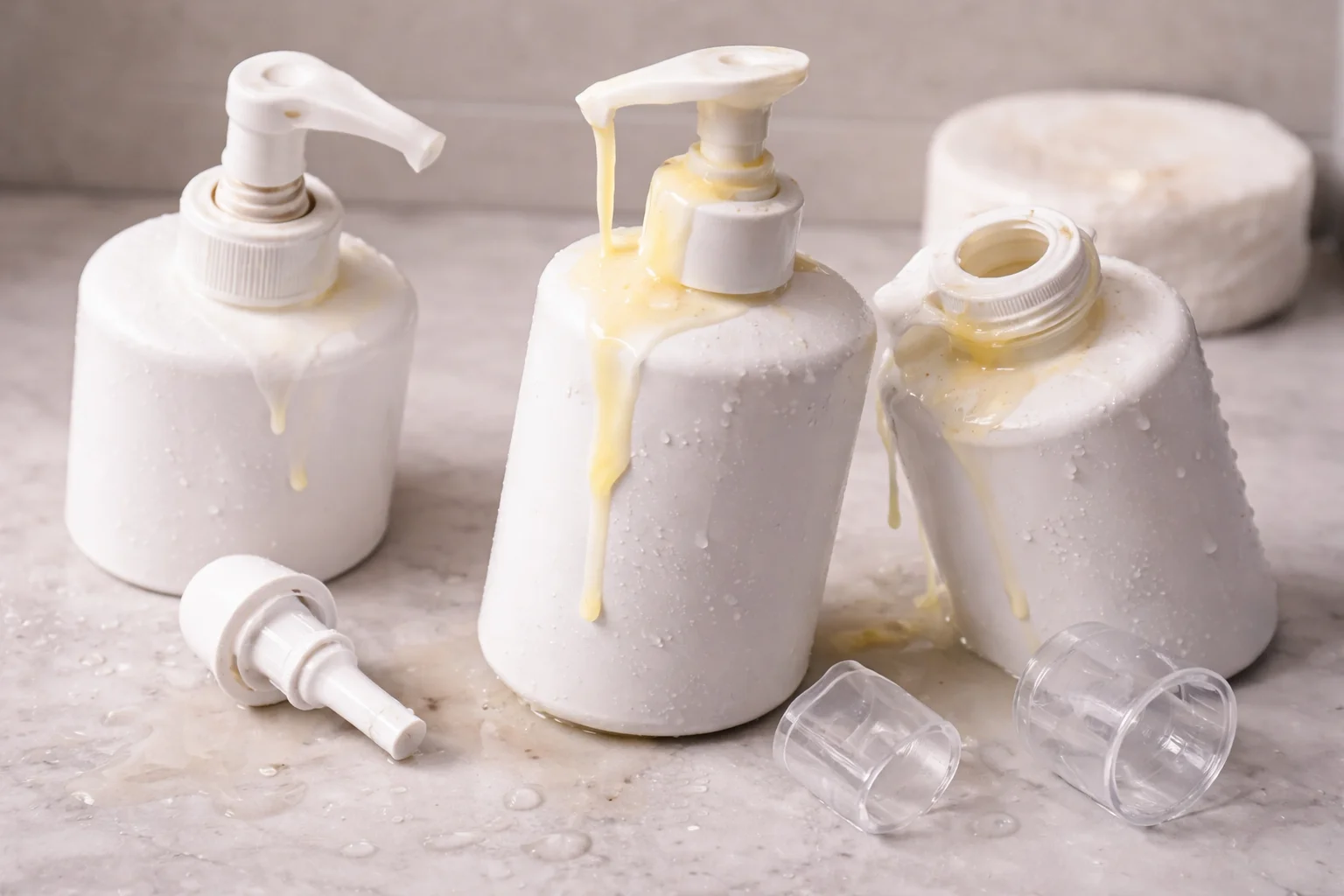
When we analyze product returns[^4] and negative reviews, the issues are almost always the same. It's not about a wild, innovative design failing. It's about the basics being done poorly. I see brands spend their budget on a fancy label, then try to save a few cents on the parts that matter most to the customer's daily routine.
The Pump Problem
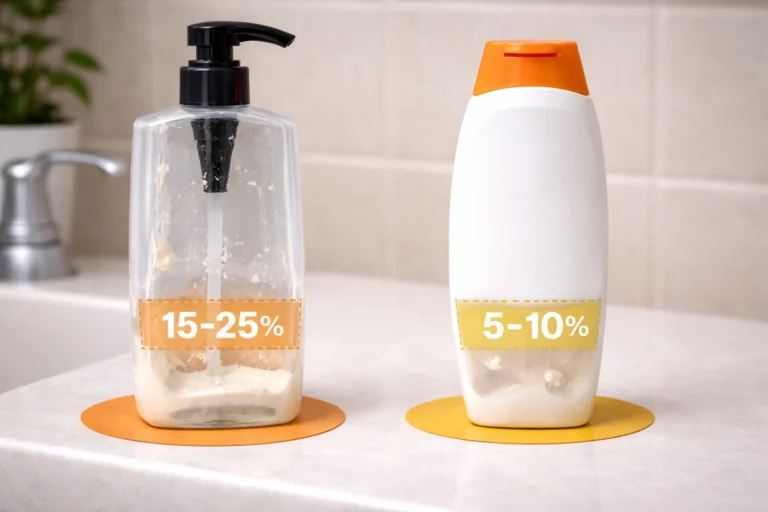
The pump is the single most critical interactive part of the bottle. A cheap pump can under-deliver product, get stuck, or break completely after a week. The internal spring mechanism might rust, or the dip tube might be too short to get the last 20% of the shampoo out. This is infuriating for a customer. A good pump delivers a consistent dose, every single time, until the bottle is empty.
The Cap and Seal Issue
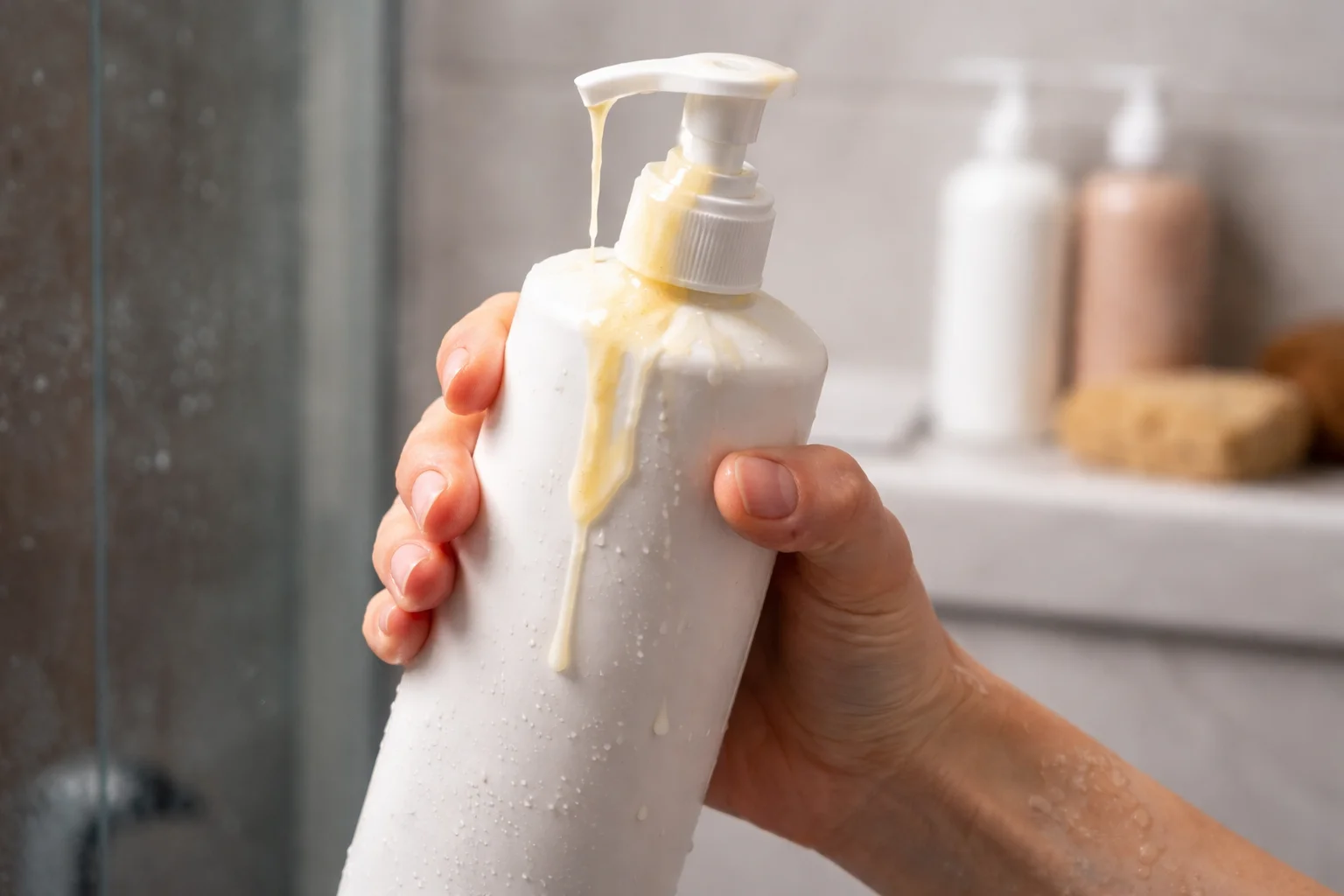
A bottle that leaks in a travel bag or shipping box is an instant brand killer. The problem is usually a poor seal[^5] between the bottle's opening and the cap. The threads might not be molded correctly, or the liner inside the cap is low-quality. This small detail undermines all trust in your product's quality.
The Material Mismatch
The feel of the bottle in a wet hand matters. A bottle made from plastic that is too rigid is hard to squeeze, especially for users with limited hand strength. If it's too soft, it feels cheap and flimsy. The material needs to match the shampoo's viscosity. A thick, conditioning formula needs a different bottle structure than a thin, clarifying shampoo.
What Is the Real Cost of a Poor Shampoo Bottle Design?
You see a one-star review about your packaging. It feels unfair, but that single comment can scare away hundreds of potential new customers. Your sales are directly at risk.
The real cost isn't just the bottle. It's lost sales from bad reviews, decreased customer loyalty[^6], and the high cost of handling returns or replacements. A poor bottle design directly damages your brand's perceived value and long-term profitability.
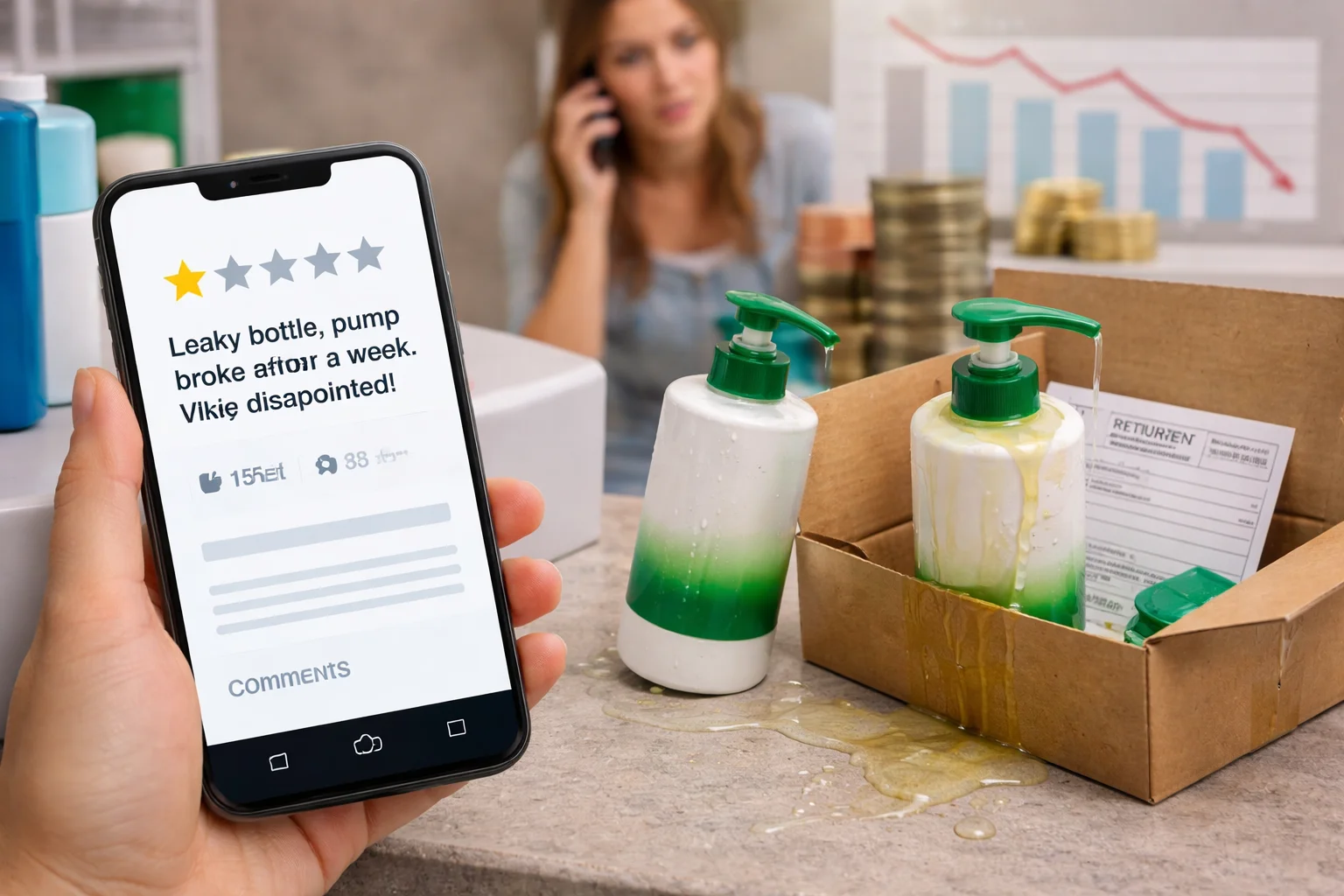
I talk to brand owners who are completely focused on the per-unit cost of their packaging. They fight for fractions of a cent. But they often fail to see the much larger, hidden costs associated with a bad user experience[^2]. These costs don't show up on the manufacturing invoice, but they can sink a growing brand.
Damaged Brand Reputation
Your packaging is a physical representation of your brand promise. If the bottle feels cheap or functions poorly, the customer will assume the product inside is also low-quality. They won't separate the formula from the container. One bad experience in the shower can undo months of expensive marketing efforts that were designed to build trust and a premium image.
Lost Repeat Business
The first sale is hard to get. The second sale should be easier. But if the bottle is annoying to use, the customer has no reason to come back. They will simply try another brand next time. A leaky cap or a pump that stops working is a silent killer of customer lifetime value. You lose that future revenue stream without ever knowing why.
Tangible Financial Losses
These costs are very real. You have to pay for the products that are returned. Your customer service team spends time and money handling complaints. You might even have to re-ship orders that were damaged in transit due to leaks. All of these financial hits come directly from a packaging decision that was likely made to save a tiny amount of money upfront.
How Does Packaging Directly Impact Your Brand Appeal?
Your product sits on a shelf next to competitors. You know your formula is better, but customers are picking up the other brand. The reason is often right in front of you.
Packaging is your silent salesperson. It communicates your brand's quality, values, and price point before the customer even tries the product. A premium feel[^7] justifies a premium price. A thoughtful design builds trust instantly and makes your product stand out.
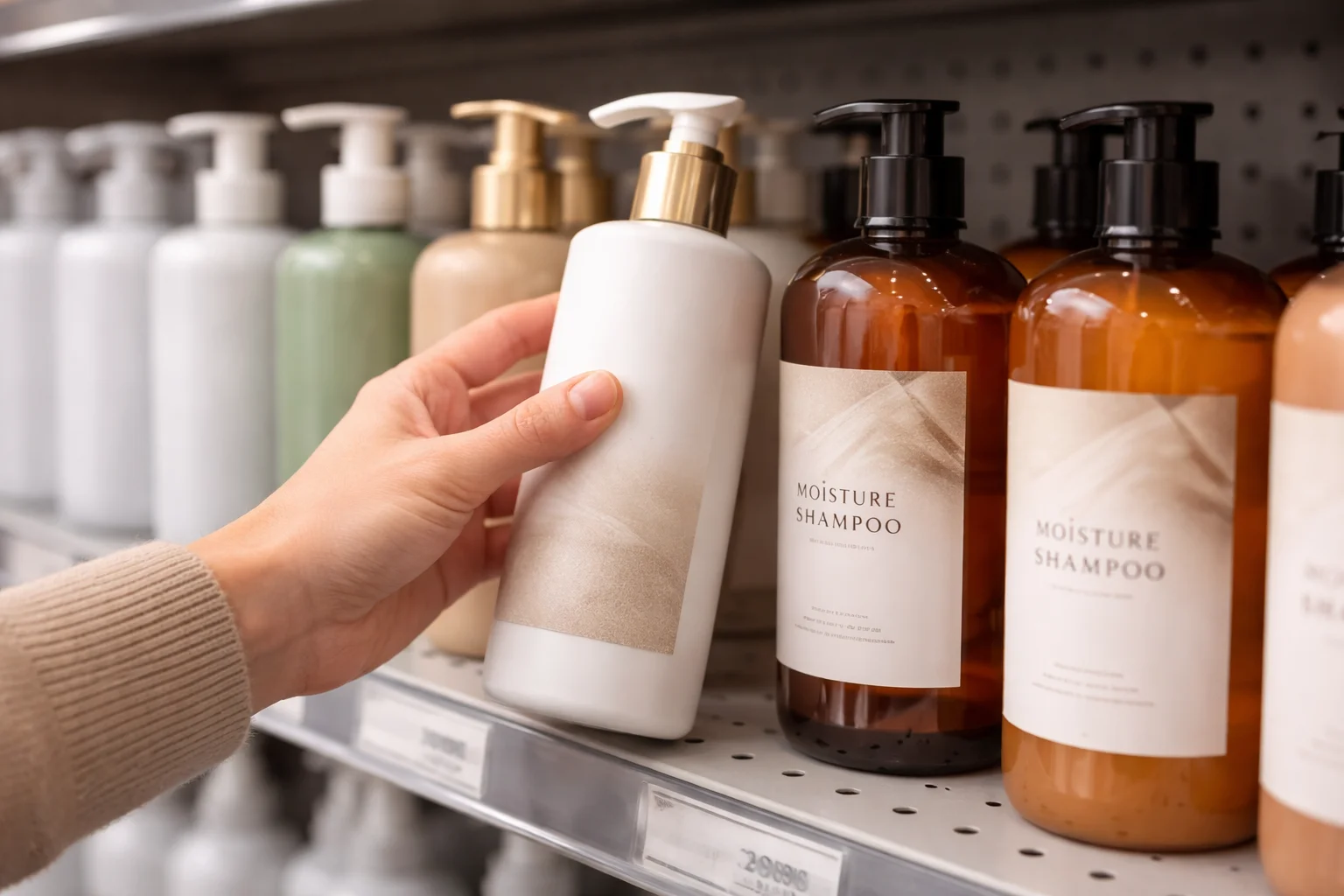
Think of your bottle as the handshake before the conversation. It's the first physical interaction a customer has with your brand, and it sets the tone for everything that follows. In our factory, we don't just make containers; we help brands make a powerful first impression that carries all the way into the customer's home.
The First Impression on the Shelf
Before they read the ingredients, customers see the shape and color of your bottle. They pick it up and feel its weight and texture. Does it feel solid and well-made, or light and cheap? Does the cap close with a satisfying click? These subconscious signals instantly tell them if your brand is a premium, mid-range, or budget option. This "shelf appeal[^3]" is what earns you the right to be considered.
Communicating Your Brand Values
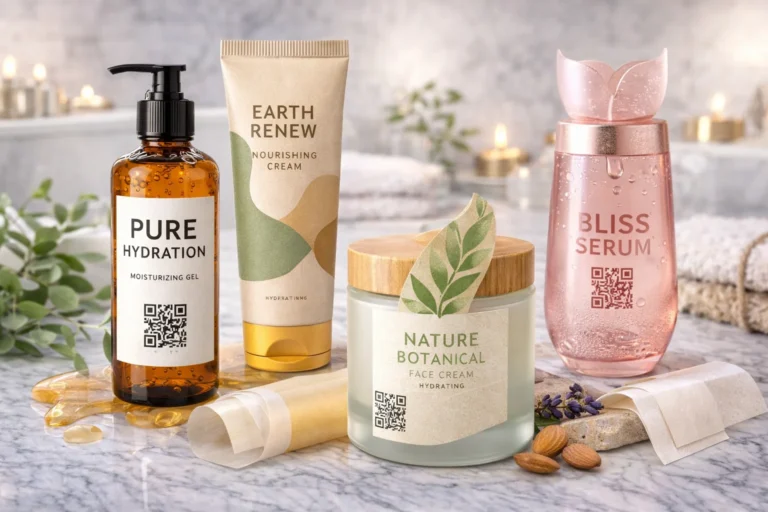
Your packaging tells a story. If your brand is all-natural and organic, using a bottle made from 100% post-consumer recycled (PCR) plastic reinforces that message. If you are a luxury brand, a heavy-walled glass bottle or a soft-touch matte finish communicates elegance. A minimalist brand needs a simple, clean design. The bottle must be an honest reflection of your brand's core identity.
The In-Home Experience
The job of the packaging doesn't end at the checkout counter. The bottle lives with your customer for weeks or months. It sits in their shower, a daily touchpoint with your brand. A great bottle that is easy to use reinforces their smart purchase decision every single day. A frustrating bottle creates a little bit of regret with every use, making it unlikely they'll buy again.
Why Are Standard Bottles Not Enough for Growing Brands?
You started with a generic, off-the-shelf bottle to launch quickly. But now your brand is growing, and you look just like every other startup. You are getting lost in the crowd.
Standard bottles lack distinction and cannot communicate a unique brand story. As you grow, you need packaging that sets you apart from competitors, prevents cheap copycats, and creates a memorable, ownable brand identity on the shelf.
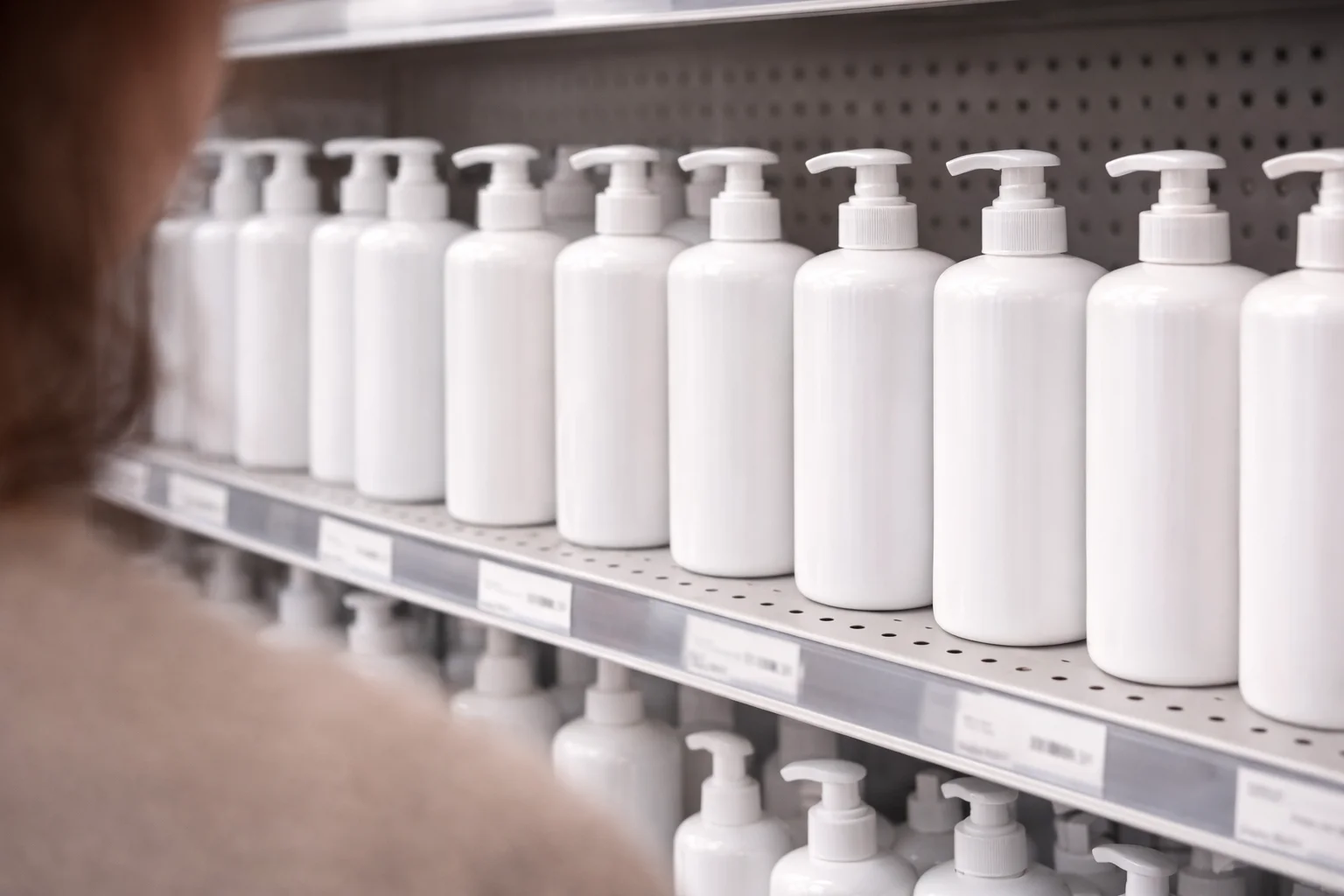
I see this all the time. A brand gets some traction and wants to move into bigger retail stores. The problem is, their generic bottle looks exactly like five other brands on the same shelf. A stock bottle is a great way to start and test a market, but it has a ceiling. To become a category leader, you need packaging that is uniquely yours.
Lack of Differentiation
The biggest issue with stock bottles is that everyone has access to the same molds. Your product becomes a commodity, distinguished only by its label. This forces you to compete on price, which is a race to the bottom. A unique bottle shape or a custom cap makes your product instantly recognizable and helps build a strong brand identity that customers can remember. It gives them a reason to choose you for something other than a discount.
Inability to Tell a Story
A unique package can become an iconic part of your brand narrative. Think of the distinct shapes of certain soda bottles or perfume containers. You know the brand just by seeing the silhouette. A standard round or square bottle says nothing special about you. It's a missed opportunity to create a deeper connection with your customer and make your brand more memorable.
Functional Limitations
Stock bottles are designed to be "good enough" for a wide range of products. But they might not be perfect for your specific formula. I had a client with a very thick hair mask that was hard to get out of a standard bottle. We helped them design a custom wide-mouth jar that solved the problem. Customization allows you to design for perfect function, not just acceptable form.
What Makes a Great Custom Shampoo Bottle?
You want a unique custom bottle but you fear the high costs and complexity. The process seems overwhelming. Where do you even begin to create something that is truly great?
A great custom shampoo bottle[^8]e](https://en.wikipedia.org/wiki/Packaging)[^1] balances three things: a unique aesthetic that reflects the brand, superior ergonomics[^9] for easy one-handed use, and smart material choice[^10]s that are both functional and cost-effective. It's about being different where it counts.
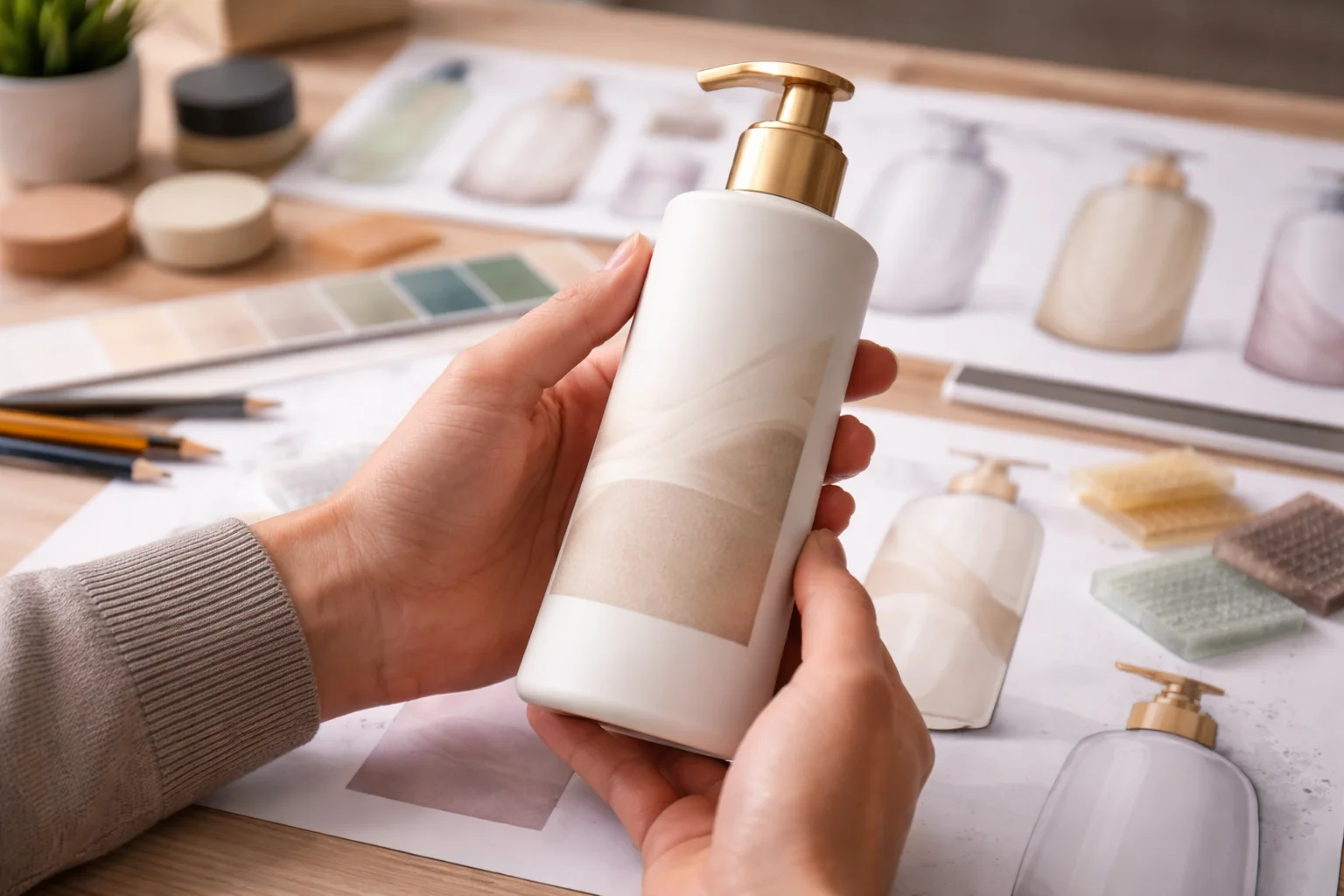
The secret that many brands don't realize is that "custom" doesn't have to mean "expensive." The smartest brands I work with don't redesign everything from scratch. They focus their budget on the elements that have the biggest impact on the customer's perception and experience. It's about strategic customization, not total reinvention.
Smart Customization
You don't need a 100% custom mold, which can be very expensive. I often advise clients to use a standard bottle shape to save on tooling costs. Then, we invest the budget in creating a custom cap, pump, or actuator. This gives the package a unique look and feel at a fraction of the cost. The parts the customer touches the most are the best places to customize.
Ergonomics and Usability
| A great bottle feels good to hold and is simple to use. | Feature | Importance | Why it Matters |
|---|---|---|---|
| Grip | High | Must not be slippery when wet and soapy. Subtle textures or indentations can help. | |
| Dispensing | High | Pump should be easy to press with one hand. Squeeze bottles need the right flexibility. | |
| Stability | Medium | The bottle should have a stable base so it doesn't fall over easily in the shower. | |
| Evacuation | High | The design should allow the user to get almost all of the product out easily. |
Material and Finish
The material choice[^10] is critical. It affects the look, feel, and cost. A heavy-walled PET plastic can feel almost like glass but is much safer and cheaper. A finish like a soft-touch matte texture instantly elevates the perceived value of the product. We can match the material and finish directly to the brand's target price point and positioning.
Are Sustainable Shampoo Bottles a Trend or a Necessity?
Customers are asking about your packaging's environmental impact. You don't have a good answer, and you worry it's making your brand look outdated and irresponsible.
Sustainable shampoo bottle[^1]s are now a necessity. Today's consumers actively demand eco-friendly options. Using materials like PCR plastic, creating refillable models, or designing lighter-weight bottles is crucial for brand relevance and long-term growth.
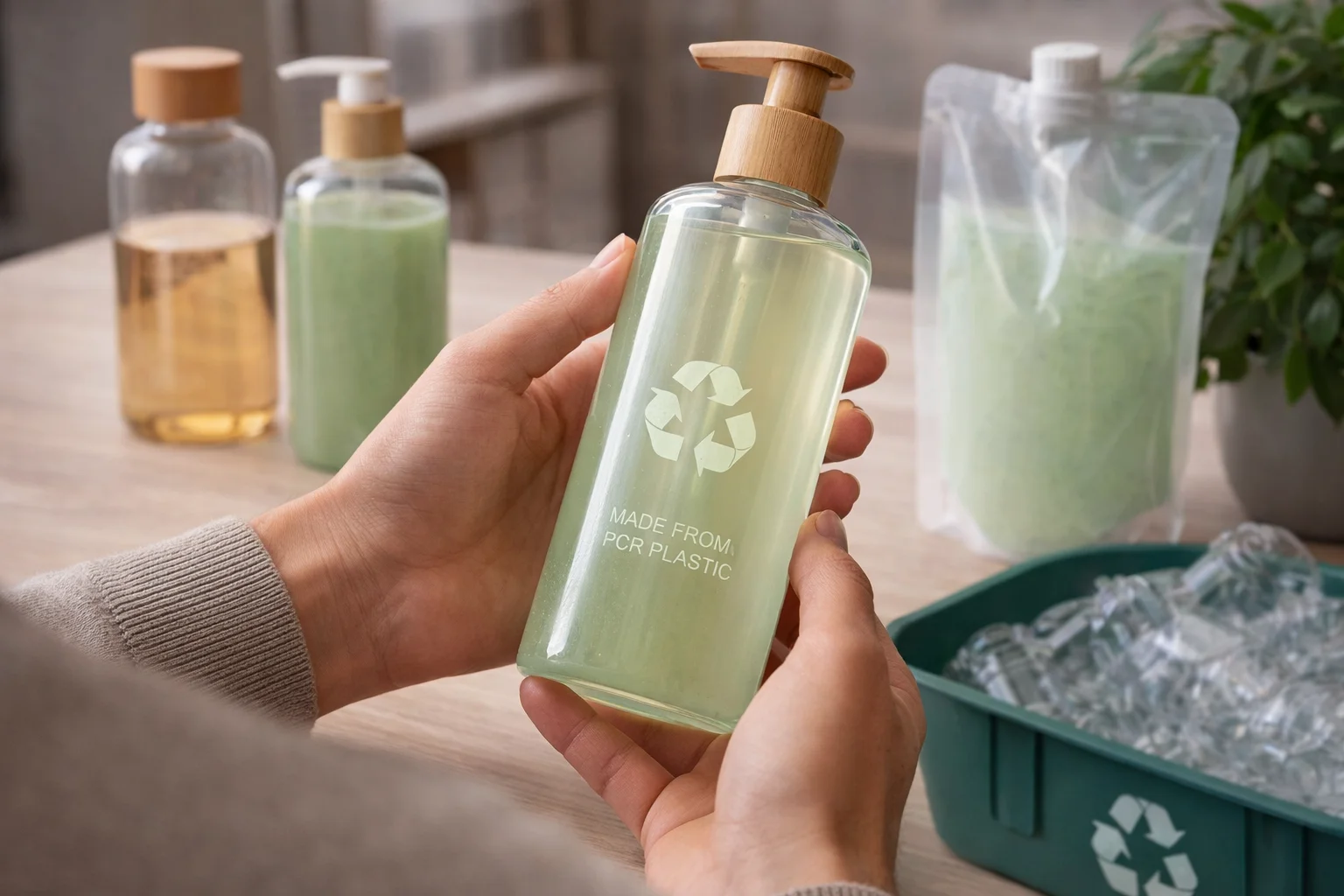
Just a few years ago, sustainability was a "nice-to-have" feature. Now, it's a core requirement for a huge segment of the market, especially younger demographics. If you are not thinking about the end-of-life of your packaging, you are already behind. From my perspective in manufacturing, I see a massive shift in the materials that brands are requesting.
Meeting Consumer Expectations
Sustainability is no longer a niche interest. It has become a key purchasing driver. Customers will choose a brand that aligns with their values, and they are willing to drop brands that seem wasteful or harmful to the environment. Ignoring this shift is a major business risk. Having a clear sustainability story for your packaging is now a powerful marketing tool.
Practical Sustainable Options
| There are many ways to make your packaging more eco-friendly. It's not an all-or-nothing choice. | Option | How It Helps | Key Consideration |
|---|---|---|---|
| PCR Plastic | Uses recycled plastic, reducing the need for new fossil fuels. | Can have slight color variations. Supply can be tight. | |
| Refill Systems | Drastically reduces plastic waste by using a durable "forever bottle" and lightweight refill pouches. | Requires the customer to adopt a new behavior. | |
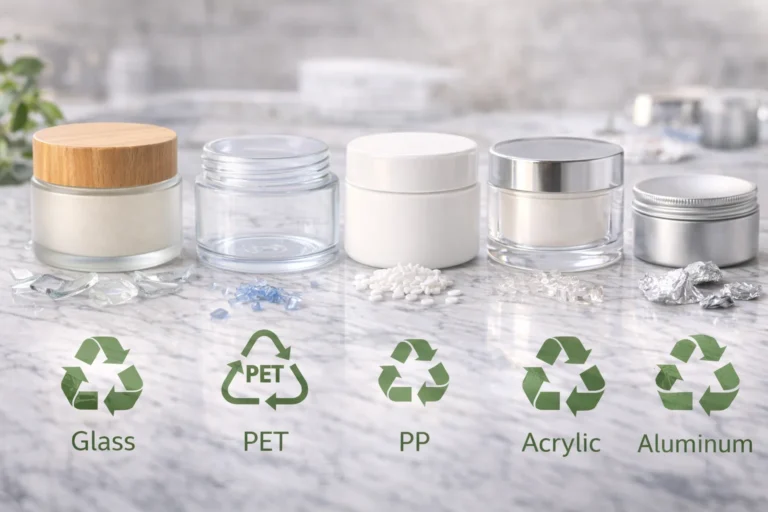
| Mono-material Design | Using only one type of plastic (e.g., bottle and cap are both PET) makes recycling much easier. | May limit some design or functional options. | |
| Lightweighting | Redesigning the bottle to use less plastic overall. | Must be done carefully to avoid making the bottle feel flimsy. |
How Can You Balance Cost and Customization?
You dream of a fully custom bottle but your budget is tight. It feels like you have to choose between a boring stock bottle that gets lost on the shelf or breaking the bank.
You can balance cost and customization by focusing on high-impact, low-cost changes. Use a stock bottle mold to avoid high tooling fees, but invest in a custom color, a unique pump, or premium label printing to make it your own.
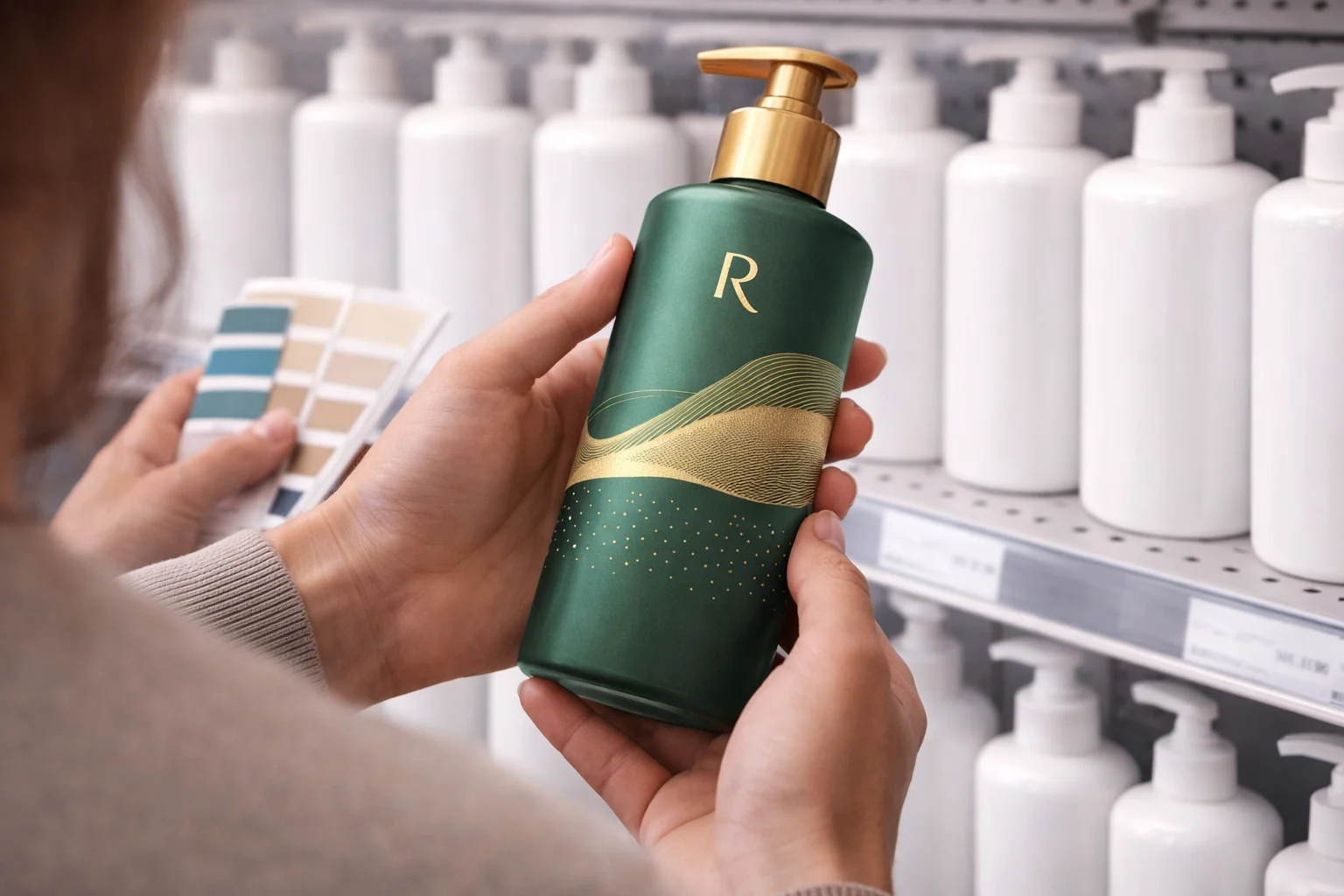
This is the single most important piece of advice I give to growing brands. You can achieve a 90% custom look for 20% of the cost if you are smart about it. The goal is to create a package that looks and feels unique without the massive capital investment of a completely new mold. It's about knowing where to spend your money to get the best results.
The "Smart Custom" Strategy
I call this the "smart custom" approach. We start with a standard bottle body from our library of existing molds. This immediately saves you tens of thousands of dollars in tooling costs. The bottle shape is the foundation. Then, we get creative with the parts that define the brand's personality and the user's experience. This strategy minimizes risk while maximizing your brand's shelf impact.
High-Impact Customization Areas
- The Cap or Pump: This is what the customer touches and interacts with every day. We can create a custom-molded cap or source a unique pump with a metallic or wood-grain finish. This one change can make a stock bottle feel entirely new.
- The Color: A unique Pantone color is a powerful branding tool. We can mold the bottle in a custom color that is exclusively yours. This makes a stock shape look completely bespoke and protects you from copycats.
- The Decoration: Don't underestimate the power of a great label or printing. Instead of a simple paper label, consider silk-screening directly onto the bottle for a clean, premium look. A textured or embossed label can also add a tactile, luxurious feel.
What Are the Future Trends in Shampoo Bottle Design?
Your packaging looks fine today. But the market moves fast and consumer expectations change. You worry that in two years, your brand will look dated and be left behind by the competition.
Future trends in shampoo bottle design focus on hyper-sustainability, smart packaging, and personalization. This includes waterless formulas in non-plastic packaging, integrated refill systems, and technology that makes the package part of a connected user experience.
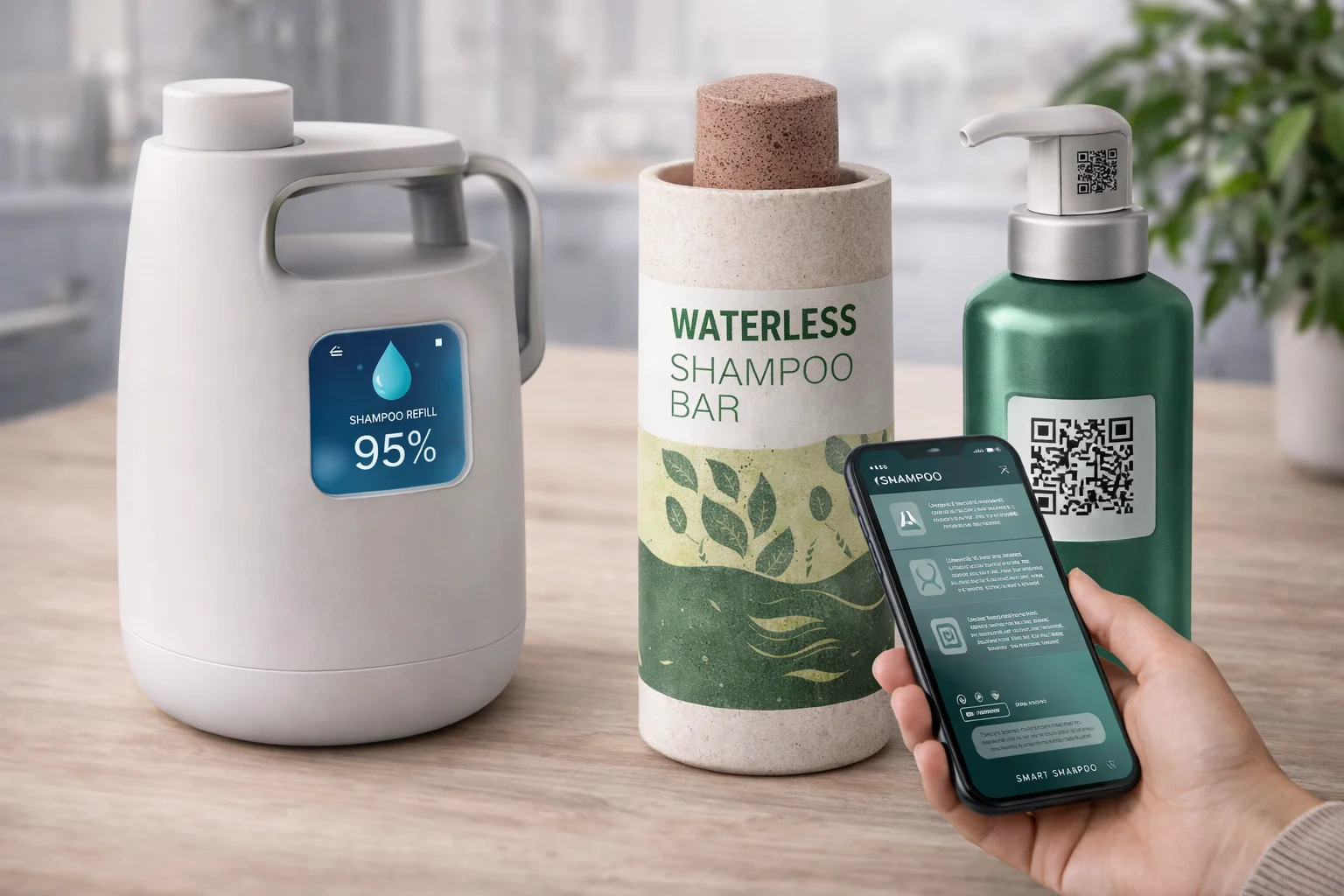
The conversation is shifting from simply making a better bottle to questioning if a bottle is needed at all. The most forward-thinking brands are exploring new formats that completely change the user experience and the environmental footprint of their products. As a manufacturer, we are actively developing solutions for these new challenges.
Waterless and Solid Formats
The biggest trend is the move away from liquid products. Shampoo bars, concentrate powders, and water-activated tablets eliminate the need for a traditional plastic bottle. The packaging challenge then shifts to paper wraps, recyclable tins, or compostable pouches. This is a fundamental change that reduces shipping weight and environmental impact dramatically. Brands that lead in this space will capture the attention of eco-conscious consumers.
Refill and Reuse Systems
We are moving beyond simple recycling. The future is in reuse. Brands are creating beautiful, durable "forever bottles" made of aluminum, glass, or heavy-duty plastic. Customers then buy refills in lightweight, low-waste pouches. This model builds incredible brand loyalty. It turns a one-time purchase into an ongoing subscription-like relationship with the customer.
Personalization and Smart Tech
Technology will make packaging more interactive. Imagine a bottle with a QR code that links to a personalized hair care tutorial. Or a smart bottle that connects to an app and automatically re-orders when you're running low. Packaging will stop being a static container and become a dynamic part of the product ecosystem, offering a level of personalization we've never seen before.
Conclusion
Your shampoo bottle is much more than a container. It is a key part of your brand identity and the customer experience. Getting it right boosts loyalty, justifies your price, and ensures your great product truly shines.
[^1]: Explore innovative designs that enhance user experience and brand perception.
[^2]: Understanding user experience can help improve customer satisfaction and loyalty.
[^3]: Learn how shelf appeal influences consumer purchasing decisions.
[^4]: Understand the factors that lead to returns and how to minimize them.
[^5]: Learn about common issues that lead to leaks and how to prevent them.
[^6]: Discover how effective packaging can enhance customer retention.
[^7]: Explore design elements that convey quality and justify higher price points.
[^8]: Find out how custom designs can differentiate your brand in the market.
[^9]: Discover ergonomic features that enhance usability and customer satisfaction.
[^10]: Understand the impact of material selection on product perception and functionality.