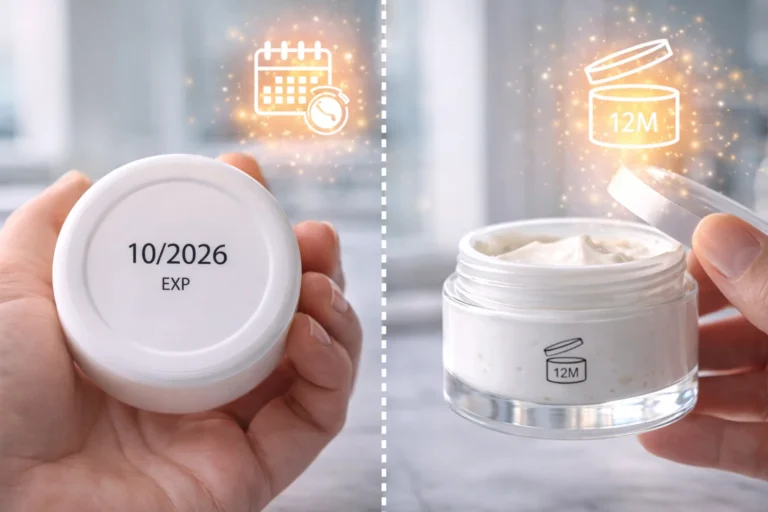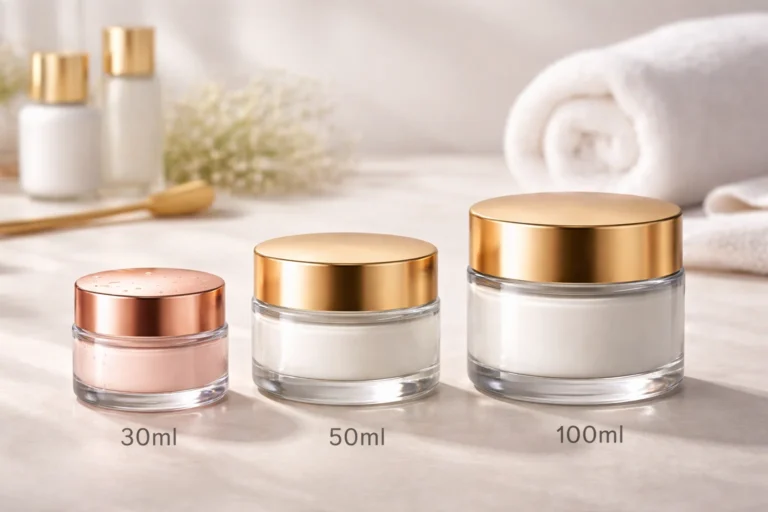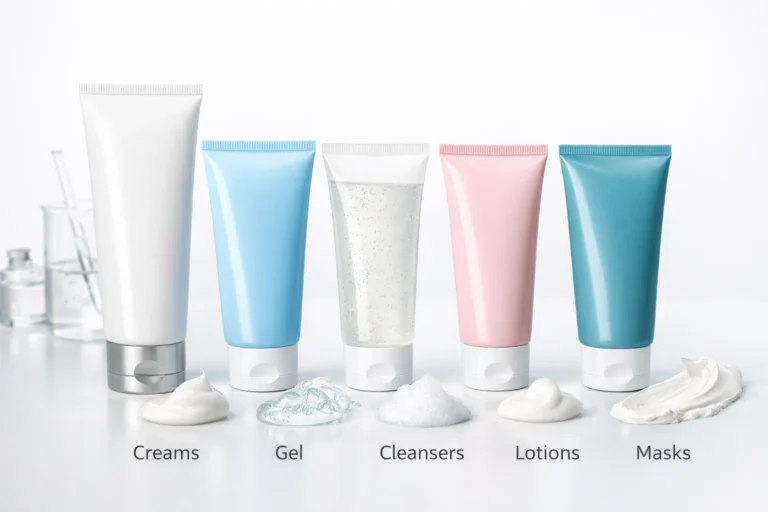
Choosing the wrong packaging can ruin your formula and your brand. This leads to leaks, ingredient degradation1, and unhappy customers. Let’s find the perfect home for your product.
The best skincare packaging2 depends on your product’s formula, brand identity, and budget. Airless pumps are great for sensitive ingredients. Jars suit thick creams. Droppers work for serums. Always consider material compatibility3 and user experience4 to make the right choice for your brand.
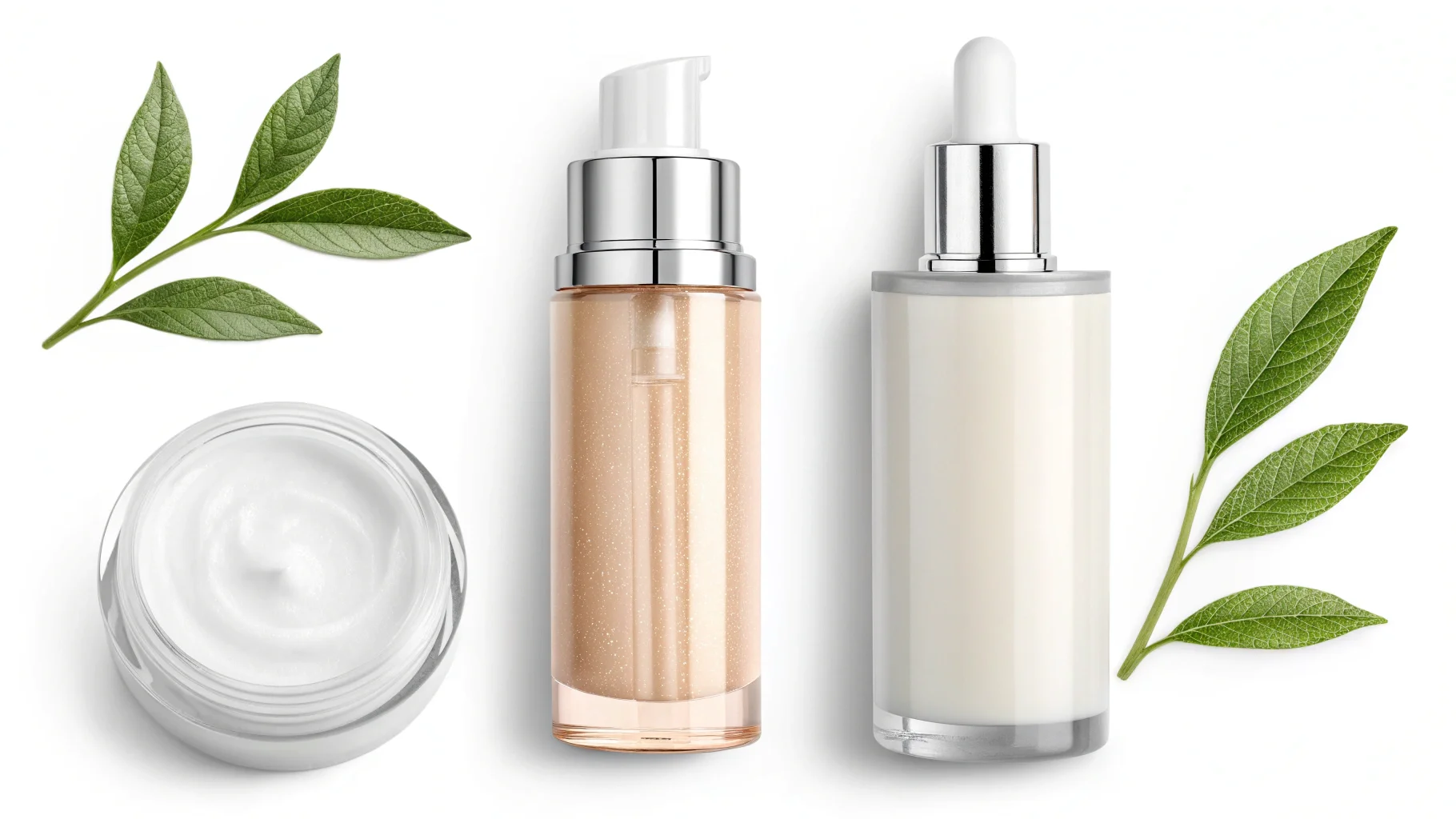
Choosing the right container is about much more than just looks. It is a mix of science, safety, and how you tell your brand’s story. I have been in this business for a long time, and I have seen brands succeed and fail based on this one decision. It can feel like a lot to think about. So, where do you even begin? Let’s break down the options you will find and how to choose the best one for you.
Why is Choosing the Right Packaging So Crucial for Your Skincare Brand?
You spent months perfecting your formula, but the wrong bottle could be its downfall. Poor packaging can spoil active ingredients and make your entire brand feel cheap. Let’s protect your product.
The right packaging is crucial because it protects your product from air and light, preventing spoilage. It also ensures accurate dispensing and safety. From a business view, it’s your brand’s first impression5 and a key factor in customer loyalty6. It is your silent salesperson on the shelf.
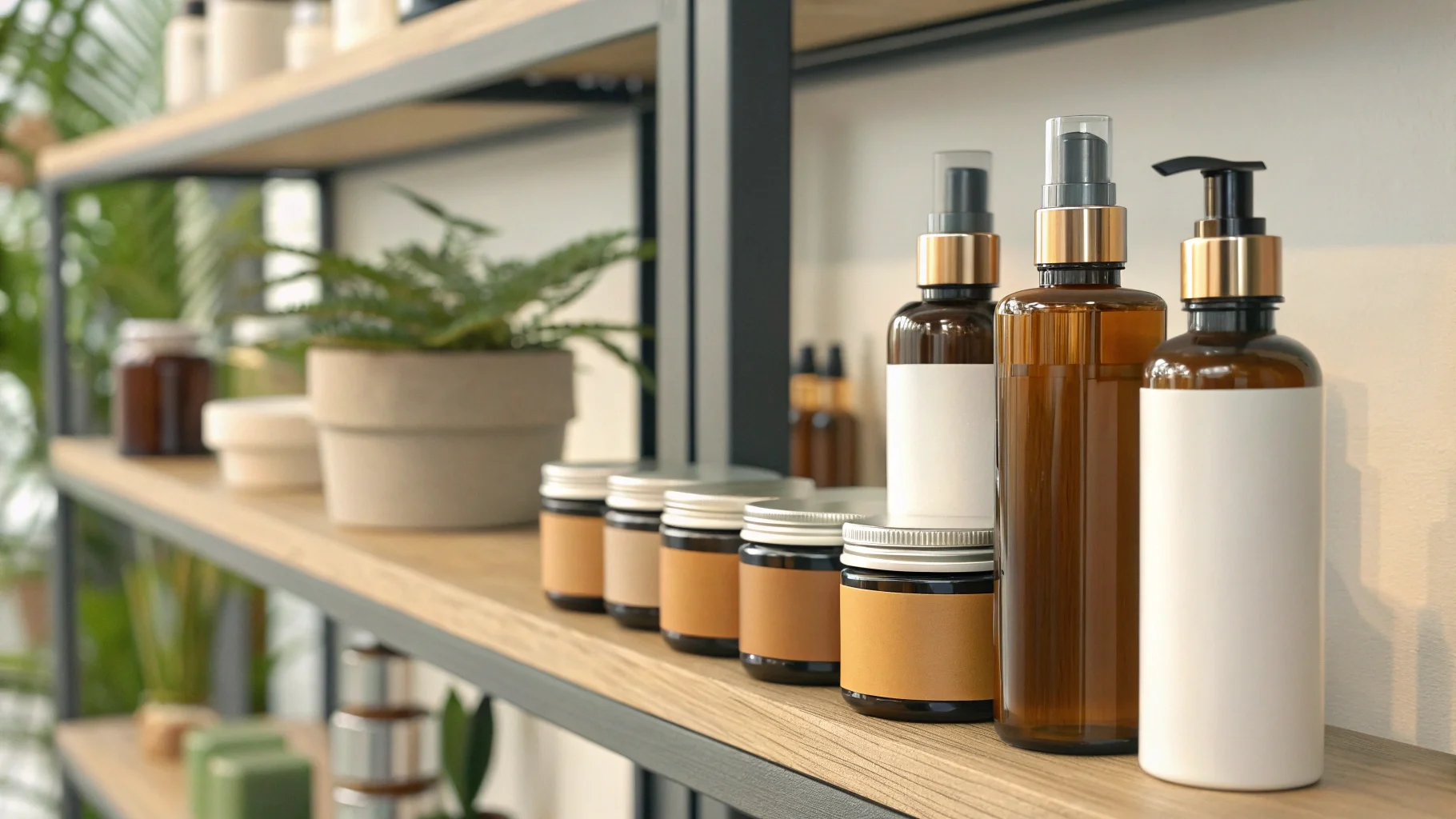
From my perspective in the supply chain, packaging is your product’s first line of defense. It has a long journey from the factory to a customer’s bathroom shelf. Your packaging has to survive shipping, handling, and storage without breaking or leaking. But its most important job is protecting what’s inside.
Product Protection
Many skincare ingredients, like Vitamin C or retinol, are very sensitive. They can break down when exposed to air and light. This makes them less effective or even completely useless. Good packaging, like an opaque airless pump, prevents this. Bad packaging, like a clear jar with a wide mouth, invites contamination and oxidation every time it is opened. I have seen brands invest a fortune in a great formula only to put it in a cheap jar, and customers complain the product "stopped working" after a few weeks. The packaging was the problem.
Brand Experience
Your packaging is often the first physical interaction a customer has with your brand. It communicates quality, price, and brand values before they even try the product.
| Aspect | Poor Packaging | Good Packaging |
|---|---|---|
| First Impression | Feels cheap, flimsy, or generic. | Feels substantial, well-made, and unique. |
| User Experience | Hard to open, messy, dispenses poorly. | Intuitive, clean, and easy to use. |
| Brand Trust | Looks untrustworthy or unsafe. | Looks professional and builds confidence. |
A well-designed package feels good in the hand. It works every single time. It makes the customer feel like they made a smart purchase. This experience is what turns a one-time buyer into a loyal fan.
What Are the Most Common Types of Skincare Packaging?
The number of packaging options7 is overwhelming. You see jars, pumps, tubes, and droppers. Choosing the wrong one can mean wasting money and creating a frustrating product experience for your customers. Let’s look at the most common types and what they are best for.
Common skincare packaging2 includes airless pumps8 for sensitive formulas, jars for thick creams, dropper bottles for serums and oils, and tubes for lotions. Each type offers different benefits in terms of protection, application, and cost, so the choice depends entirely on your specific product.
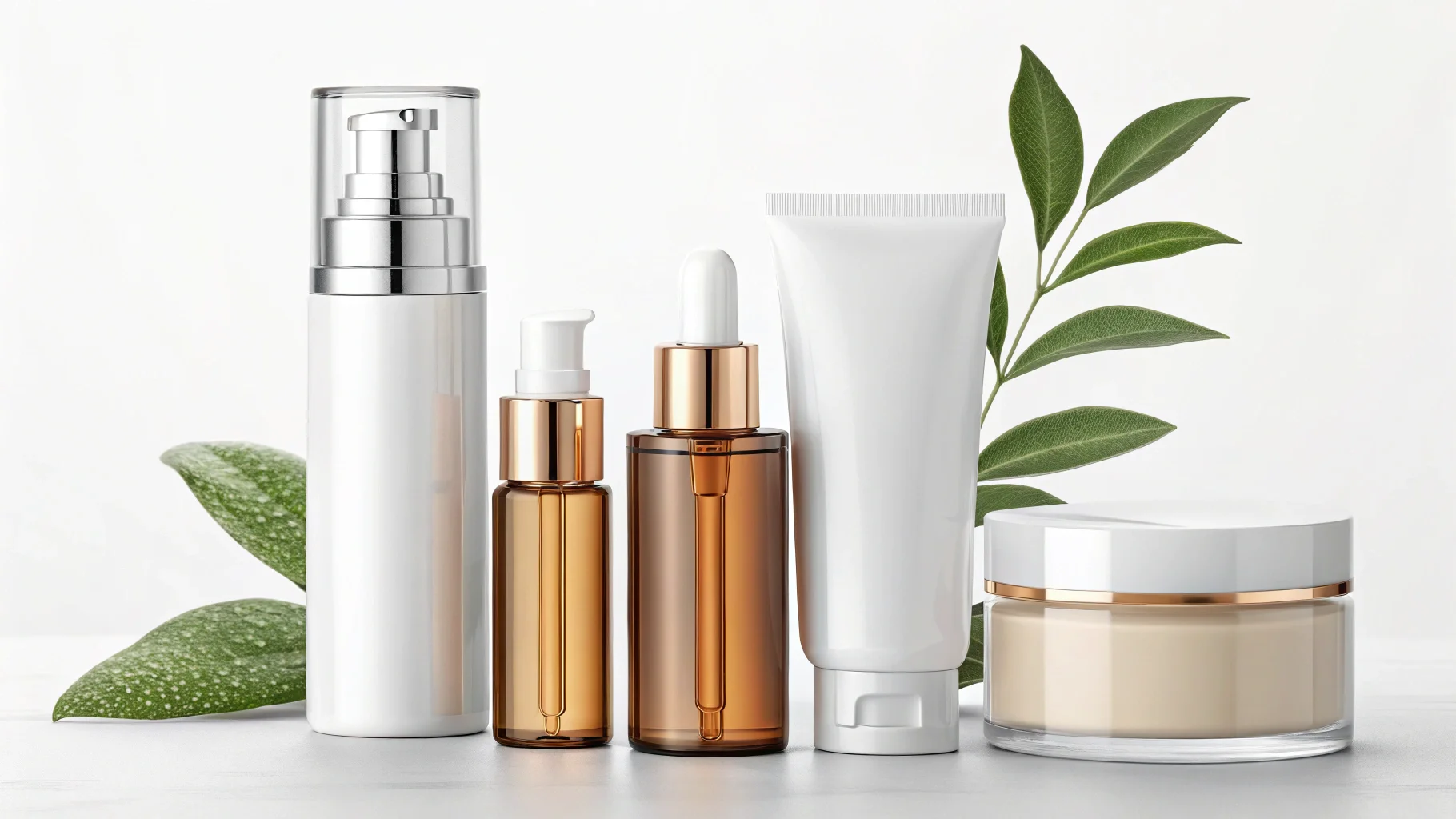
When new brands come to me, they are often focused on one type of packaging they saw from a competitor. But what works for one formula might be a disaster for another. It is critical to match the container to the contents. I have worked with hundreds of configurations over the years. These are the main players and where they shine.
A Guide to Common Containers
Here is a simple breakdown of the most popular options. We use this as a starting point with all our clients. Think about your product’s texture and key ingredients. This will help you narrow down the choices.
| Packaging Type | Best For | Pros | Cons |
|---|---|---|---|
| Airless Pumps | Serums, lotions, sensitive formulas (retinoids, Vitamin C) | Excellent protection from air/light, hygienic, precise dispensing. | More expensive, complex mechanism. |
| Jars | Thick creams, masks, balms | Inexpensive, easy to fill, good for rich textures. | High risk of contamination, exposes product to air/light. |
| Dropper Bottles | Face oils, liquid serums, boosters | Precise application, looks clinical/professional. | Can let air in, droppers can be messy if not used correctly. |
| Tubes | Cleansers, lotions, sunscreens, masks | Affordable, portable, good for controlling amount dispensed. | Can suck air back in, might not get all product out. |
| Sprayers | Face mists, toners, liquid products | Provides a fine, even mist for application. | Nozzle can clog, not suitable for thick formulas. |
I always suggest starting with the formula first. If you have an antioxidant-rich serum, I would immediately steer you away from a jar. If you have a thick, buttery body cream, a pump might not work. The product dictates the package, not the other way around.
What Key Factors Should You Consider When Choosing Packaging?
You found a bottle that looks beautiful, but will it actually work with your formula? Choosing packaging based on looks alone is a common mistake I see. It can lead to compatibility issues, product failure, and wasted money. You must consider a few critical factors beyond aesthetics.
You must consider three key factors. First is formula compatibility: will the material react with your ingredients? Second is user experience4: is it easy and hygienic to use? And third is your budget: what is your cost per unit? Balancing these three is essential for long-term success.
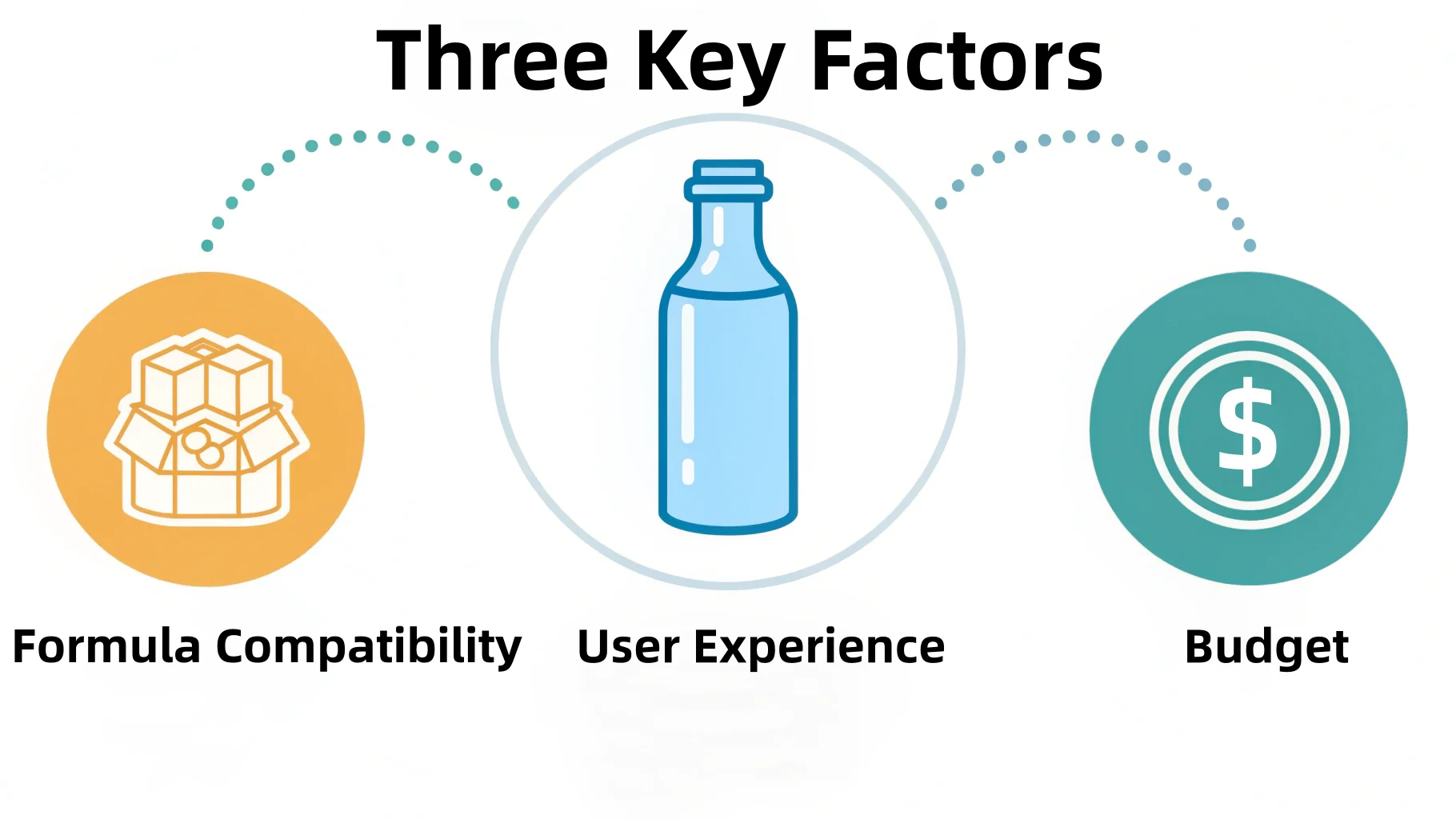
Making the right choice is a balancing act. It is about finding the sweet spot between what protects the product, what the customer loves to use, and what your business can afford. I guide my clients through these three checkpoints for every single project. Ignoring even one of them can cause major problems down the road.
Formula and Material Compatibility
This is the most important technical consideration. Some plastic types can react with certain oils or acidic ingredients, causing the plastic to warp or the formula to break down. Glass is very stable but is also heavy and breakable. I always tell my clients to run a stability test. Put your finished product in the final packaging you are considering. Let it sit for at least 4-6 weeks at different temperatures. See if the color changes, if the scent goes off, or if the container shows any signs of stress. This simple test has saved my clients thousands of dollars by catching problems before a big production run.
The Customer’s Experience
Think about how your customer will use the product every day. Is it for their face or body? Will they travel with it? A heavy glass jar is lovely for a night cream that sits on a vanity, but it is terrible for a gym bag. A pump that requires two hands to operate is frustrating for a product you use in the shower. The experience needs to feel effortless and clean. Hygiene is also a huge factor. Customers are more aware than ever about dipping their fingers into jars. This is why airless pumps8 and tubes have become so popular.
Budget and Cost Control
Finally, you have to look at the numbers. Packaging costs can range from a few cents to several dollars per unit. A custom-molded bottle looks incredible, but the tooling costs and minimum order quantities (MOQs) can be huge. Sometimes an MOQ is 50,000 units. A new brand might not be ready for that. Using a "stock" bottle that is readily available and customizing it with a beautiful label or box is often a much smarter way to start. It keeps your upfront investment low while you test the market. You can always upgrade to more custom packaging as your brand grows.
How Can You Design Packaging That Is Both Functional and Attractive?
Your packaging looks amazing on Instagram, but customers are complaining that it is messy or hard to use. This frustration can lead to bad reviews and lost sales, no matter how good your product is. The secret is to balance a stunning design with practical function that customers will love.
To design functional and attractive packaging, always start with function first. Ensure it dispenses correctly and protects the formula. Then, apply your branding. Use clear typography, a simple color palette, and high-quality materials. The goal is packaging that looks good and works perfectly.
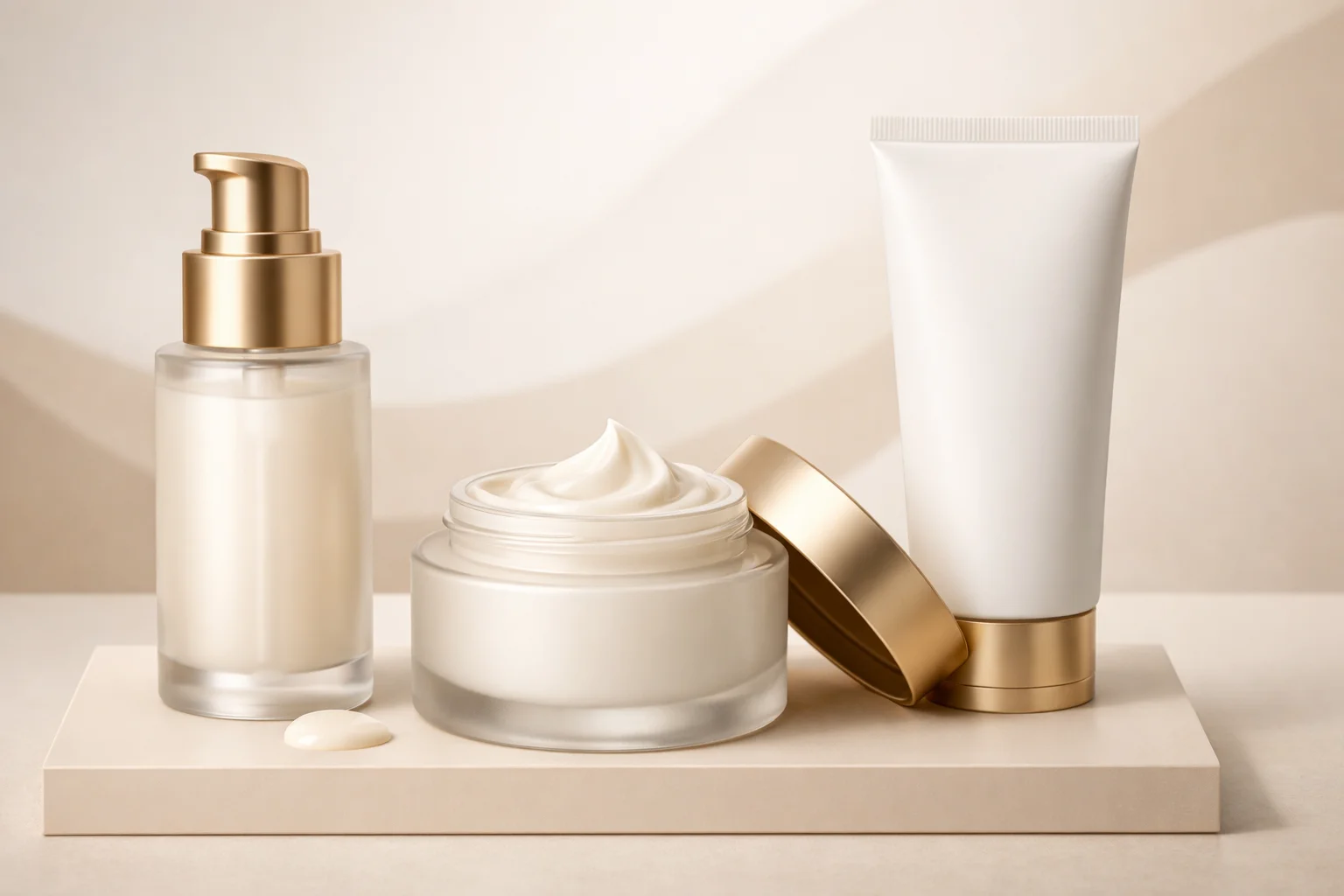
I have seen brands get so caught up in creating a "wow" moment that they forget the package has a job to do. A beautiful design that fails in its basic function is a failed design. The best brands I work with understand this. They build their design around a functional core, creating a product that is a joy to look at and a pleasure to use.
Prioritize Function Over Form
Before you even think about colors or fonts, confirm the mechanics. Does the pump dispense the right amount of product? Does the cap screw on tightly and create a good seal? Can you get the last bit of product out of the container? These are the questions that determine if a customer will repurchase. We run endless tests on these things. We fill containers with different formula thicknesses to see how the pumps and droppers perform. A little extra work here prevents a lot of customer complaints later.
Keep Your Branding Clear and Simple
Once the function is locked in, you can focus on the look. Your packaging is a tiny billboard. The customer should be able to understand what the product is and what your brand stands for in just a few seconds.
- Typography: Use a font that is easy to read, especially for the ingredient list and instructions.
- Information Hierarchy: Make the product name and its main benefit the most prominent text. Don’t clutter the front of the bottle. Put extra details on the back or on the box.
- Color Palette: Stick to a limited number of colors that reflect your brand identity.
Think About the Unboxing Experience
The experience does not start when they use the product. It starts when they hold the package. I have seen simple frosted glass bottles with a heavy, textured paper label feel more luxurious than a clunky, custom-molded plastic container. The details matter. The weight of the container, the sound the cap makes when it closes, the texture of the box—it all adds up. These small sensory details communicate a level of quality and care that builds immense brand value.
What Are the Emerging Trends in Skincare Packaging?
The packaging world is always changing. What felt fresh and modern yesterday can look dated today. Falling behind on the latest trends can make your brand seem out of touch with what modern consumers care about, especially when it comes to sustainability9. Let’s look at the future of packaging.
Emerging trends in skincare packaging2 are focused on sustainability9 and innovation. This includes refillable systems10, mono-material packaging11 for easier recycling, and materials made from post-consumer recycled (PCR) content. Smart packaging with QR codes for more information is also becoming more popular.
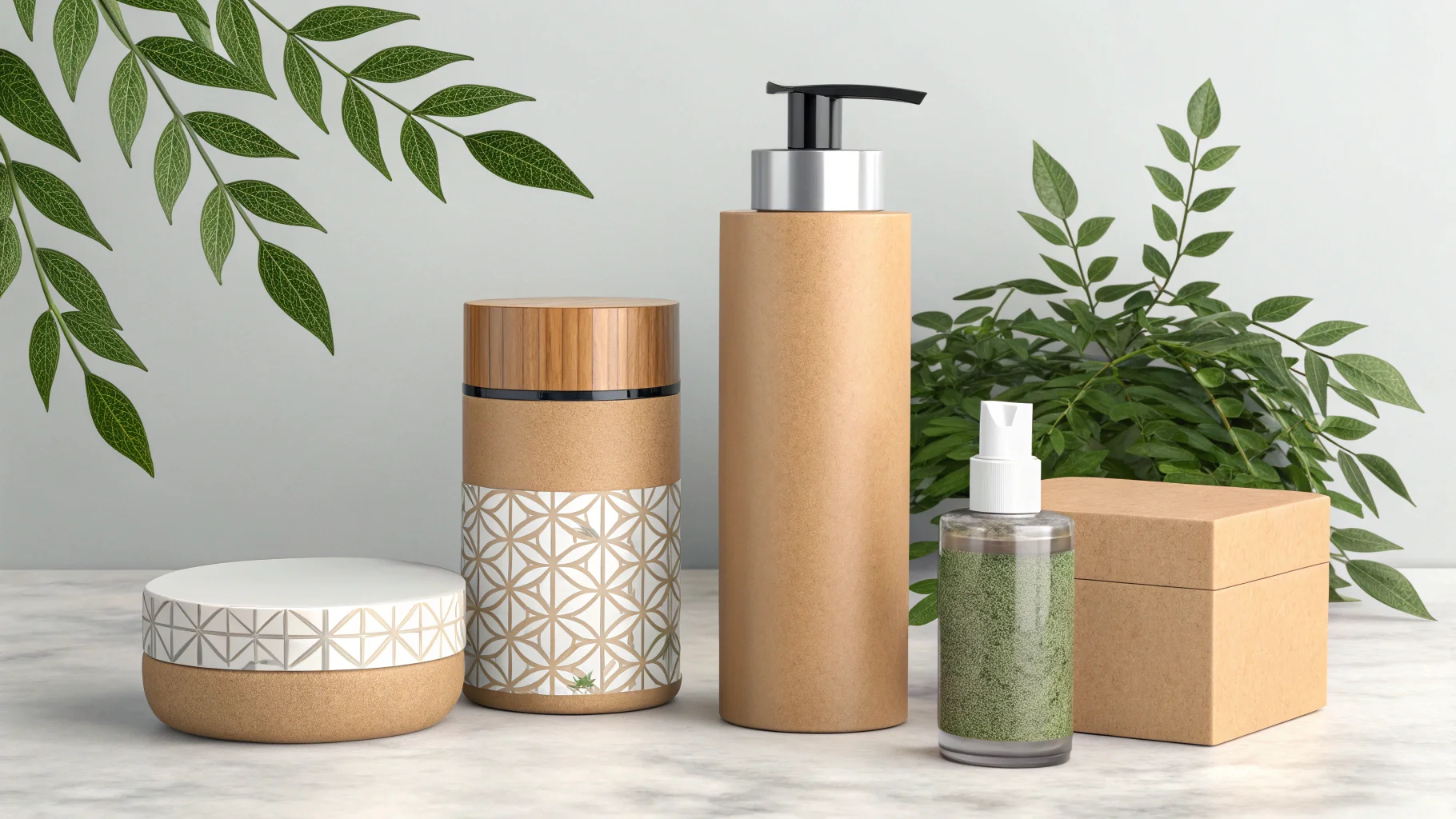
The biggest shift I have seen in my career is happening right now. Customers are demanding more from brands than just a good product. They want to know that the packaging is not going to sit in a landfill forever. This has forced the entire supply chain, from material suppliers to factories like mine, to innovate quickly. The brands that embrace these changes are the ones that will win in the long run.
The Push for Sustainability
This is no longer a niche interest; it is a mainstream demand. Brands are responding in several ways.
- Refillable Systems: This is one of the most exciting trends. The customer buys a beautiful, durable outer container once, and then purchases smaller, cheaper, and more eco-friendly "refill" pods. It reduces waste and builds customer loyalty6.
- Post-Consumer Recycled (PCR) Materials: This means making new plastic bottles out of old, recycled ones. From a factory standpoint, sourcing high-quality, reliable PCR plastic is still a challenge, but the demand is driving huge improvements in the supply chain.
- Mono-Materials: A package is much easier to recycle if it is made from a single material. A bottle with a metal spring in the pump is harder to process. We are seeing a move toward all-plastic (e.g., all-PP) pumps and containers that can be tossed into recycling as one piece.
Innovative and Smart Packaging
Beyond sustainability9, technology is also changing packaging. We are moving beyond the simple container. Imagine a customer scanning a QR code on your bottle. The code could link to a video tutorial showing exactly how to use the product, or an interactive page about where the ingredients were sourced. This connects your physical product directly to your digital brand world. It offers a chance to educate your customer and build a deeper relationship. These innovations are turning packaging from a simple vessel into an interactive brand experience.
Conclusion
Choosing the right packaging is a balance of science, art, and business. It protects your formula, defines your brand’s identity, and ultimately drives your success in a crowded market.
-
Discover how proper packaging can prevent ingredient degradation and maintain product efficacy. ↩
-
Explore this resource to understand how to choose the right packaging for your skincare products. ↩ ↩ ↩
-
Understand the importance of material compatibility to avoid product spoilage and customer complaints. ↩
-
Find out how packaging design influences customer satisfaction and brand loyalty. ↩ ↩
-
Discover the impact of packaging on the first impression and customer perception. ↩
-
Explore the connection between packaging quality and customer loyalty for skincare brands. ↩ ↩
-
Get insights into various packaging options and their suitability for different skincare formulas. ↩
-
Learn why airless pumps are ideal for sensitive ingredients and how they enhance product longevity. ↩ ↩
-
Learn about emerging trends in sustainable packaging and how they can benefit your brand. ↩ ↩ ↩
-
Discover how refillable systems can reduce waste and enhance customer loyalty. ↩
-
Explore the advantages of mono-material packaging for easier recycling and sustainability. ↩