Have empty cream jars[^1] piling up on your shelf? Throwing them away feels wasteful, but you're not sure what else to do. You can easily give them a second life.
You can reuse empty cream jars[^1] for storage, travel, or DIY projects[^2]. For brands, designing for recyclability or offering take-back programs are great options. Proper cleaning is the essential first step before any reuse or recycling[^3].
I've spent years in the manufacturing world, and I've seen firsthand how much thought goes into creating a beautiful cream jar. The problem is, not enough thought goes into what happens after the cream is gone. This little jar in your bathroom is a small piece of a very big puzzle. Let's look at that puzzle from every angle, from your home to the factory floor, and find practical solutions for everyone. The story of a cream jar shouldn't end when it's empty.
Why Do Empty Cream Jars Matter?
Seeing packaging waste is frustrating. It feels like a small problem, but it adds up quickly. Understanding why these jars matter is the first step to making a real difference.
Empty cream jars matter because they represent a significant part of beauty industry waste[^4]. Their material and design impact landfills and recycling[^3] systems. Making better choices with them helps reduce our environmental footprint[^5].
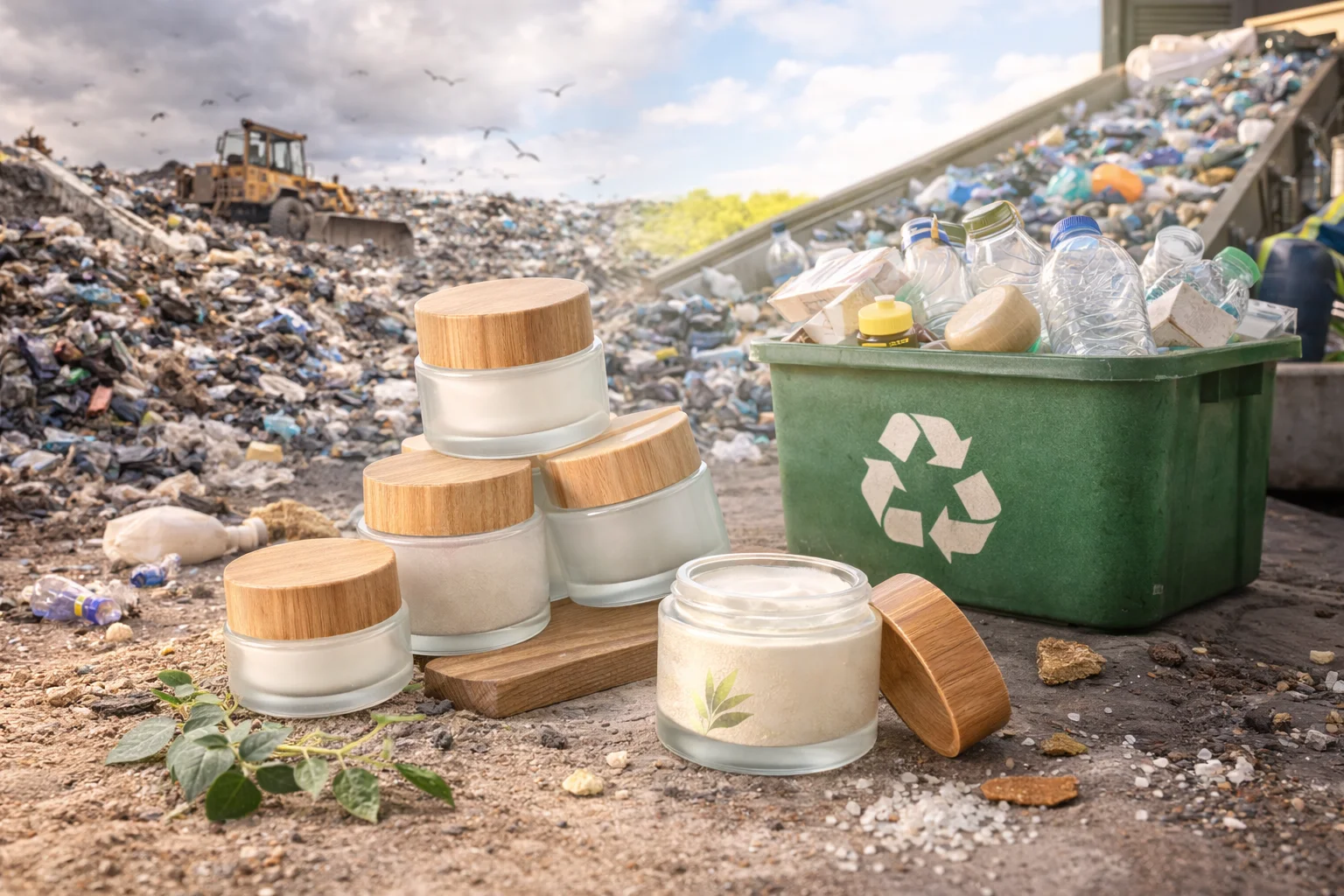
When we talk about an empty cream jar, we're not just talking about one jar. The global beauty industry produces over 120 billion units of packaging every year. A huge portion of that is plastic and glass containers that are used once and then thrown away. I remember walking through a partner factory once and seeing pallets stacked to the ceiling with empty jars, ready to be filled. The scale of it was staggering. It made me realize that the life of that jar shouldn't end after a customer uses the last bit of product. Each jar that ends up in a landfill takes up space and, depending on the material, can take hundreds of years to break down. Creating new packaging also uses a lot of energy and natural resources. So, the empty jar on your counter represents a choice. It's a chance to either contribute to the problem or be part of the solution.
What Are Cream Jars Usually Made Of?
Do you know what your jars are actually made of? Not knowing can lead to recycling[^3] mistakes. Let's break down the common materials so you can dispose of them correctly.
Cream jars are often made from glass, various plastics like PET, PP, or acrylic, or even aluminum. Some are single-material, while others are complex multi-material containers, which makes recycling[^3] much harder.
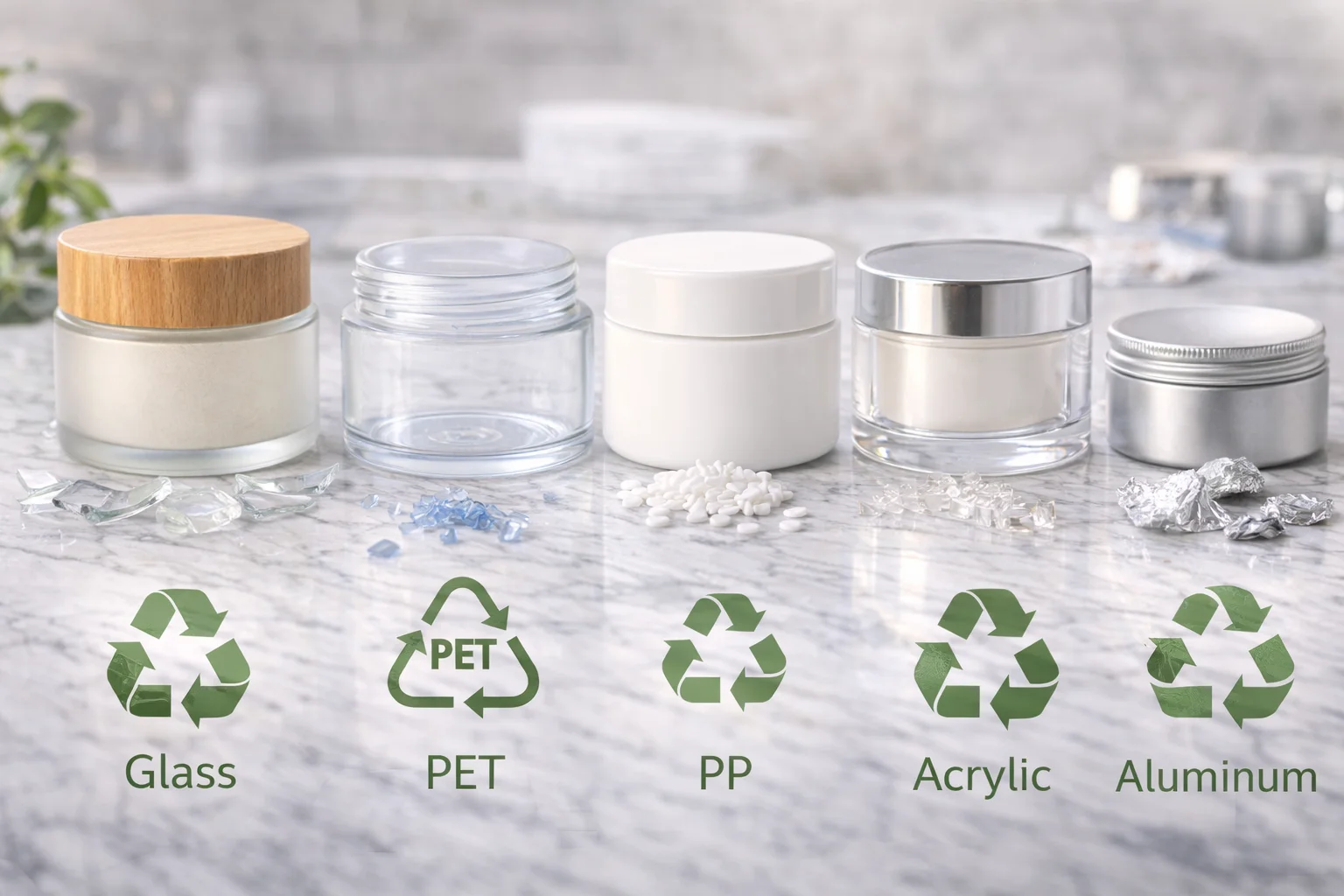
As someone who works with packaging design, I see how material choices[^6] are made. Brands want something that looks premium and protects the formula. The problem is, what looks good isn't always good for the planet. A heavy, frosted glass jar feels luxurious, but a jar made of mixed plastics with a metal cap and a separate plastic liner is a recycling[^3] nightmare. Most recycling[^3] facilities are designed to handle simple, single-material items. When a jar is made of multiple materials fused together, it contaminates the recycling[^3] stream and usually ends up in the trash.
A Look at Common Materials
| Material | Pros for Brands | Recycling Reality |
|---|---|---|
| Glass | Looks premium, inert, protects formula. | Highly recyclable, but heavy to ship. |
| PET (#1 Plastic) | Lightweight, clear, shatterproof. | Widely recycled in most areas. |
| PP (#5 Plastic) | Durable, good for caps and jars. | Recyclable, but less commonly accepted. |
| Acrylic/Other | Can mimic glass, complex shapes. | Very difficult or impossible to recycle. |
Small design choices make a huge difference. A brand that chooses a simple PP jar with a matching PP lid is making a much more sustainable choice than one that uses a complex, multi-part container, even if it looks less flashy on the shelf.
What Are Some Practical Ways to Reuse Empty Cream Jars?
Have a drawer full of empty jars? It feels wasteful to just toss them. Here are some simple, creative ideas to give them a new purpose right in your own home.
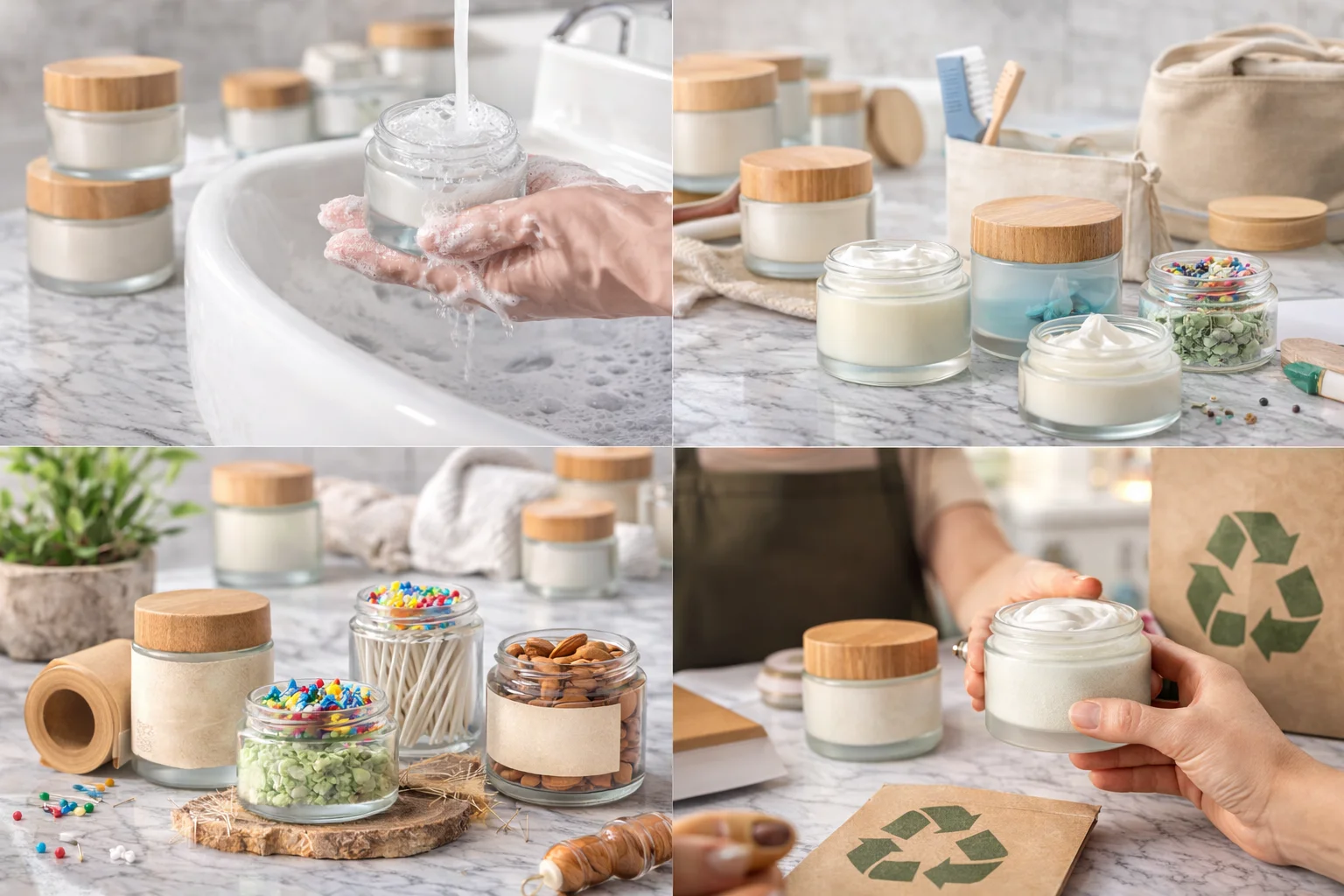
Clean them thoroughly and use them to store small items like jewelry, pills, or spices. They are also perfect as travel-sized containers for other products or for organizing your desk with paper clips.
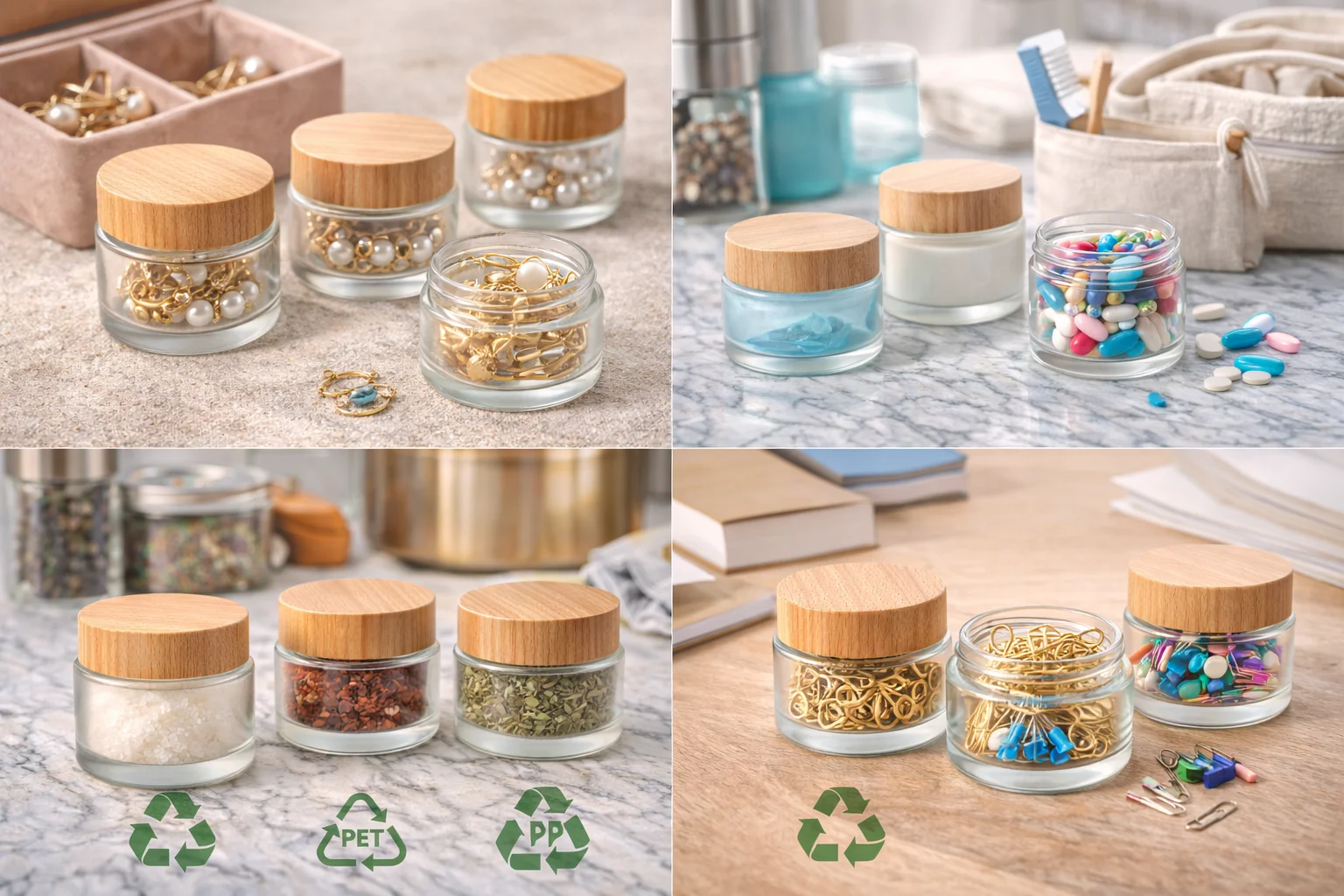
I always keep a few clean jars on hand. They are incredibly useful for so many things beyond just holding cream. But before you can give a jar a second life, you need to prepare it properly. A dirty jar is just trash, but a clean one is a resource.
Getting Your Jars Ready for a New Life
- Scrape It Out: Use a small spatula to get every last bit of product out.
- Peel the Label: Soak the jar in hot, soapy water to loosen the label and adhesive. A little oil can help remove any sticky residue.
- Wash Thoroughly: Wash the jar, lid, and any liners with hot water and dish soap.
- Sanitize: For extra cleanliness, you can wipe the inside with rubbing alcohol or run it through the dishwasher if it's dishwasher-safe.
- Dry Completely: Let all parts air dry completely to prevent any mold or bacteria growth.
Once it's clean, the possibilities are endless. Use them in the bathroom for cotton swabs or hair ties. In the kitchen, they can hold spices or sprinkles. On my desk, I use them for paper clips and thumb tacks. They're also perfect for travel, allowing you to decant your favorite shampoo or lotion without buying new travel-sized products.
How Can Beauty Brands Repurpose Cream Jars?
Brands create the packaging problem. But they also hold the key to the solution. Let's explore how brands can lead the charge in making packaging more sustainable from the start.
Brands can implement refill programs[^7] in-store or online, allowing customers to reuse their original jars. They can also design packaging for easy disassembly and recycling[^3], or run take-back programs to handle the waste themselves.
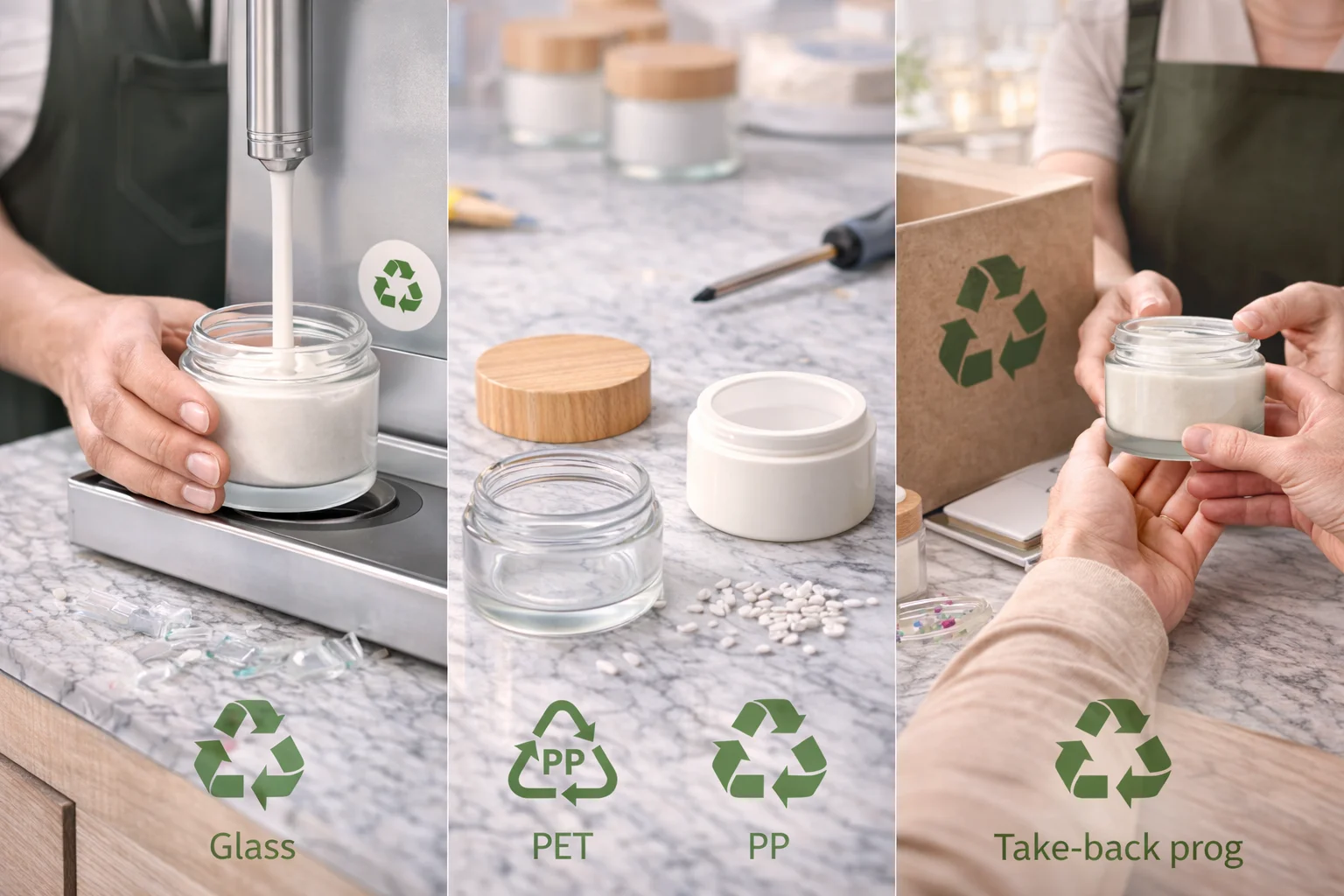
This is where I get passionate. In my work, I constantly push for smarter packaging design. It's not just about what happens at the end of a product's life; it's about designing for a circular system from day one. A small decision in a design meeting can prevent thousands of jars from ending up in a landfill. The most forward-thinking brands are moving beyond just recyclability and are embracing reuse. Refill programs are a fantastic example. A customer buys the beautiful jar once, and then purchases lower-waste refill pods or pouches from then on. This system builds brand loyalty and drastically cuts down on packaging waste. Another key area is designing for disassembly.
From Bad Design to Good Design
| Bad Design (Hard to Recycle) | Good Design (Easy to Recycle) |
|---|---|
| Multiple materials fused together. | Made from a single material (mono-material). |
| Labels that are difficult to remove. | Labels with clean-peel adhesive. |
| Dark or black plastic (hard for sorters). | Clear or light-colored plastic. |
| Small parts that get lost in sorting. | All parts are large enough to be sorted. |
By making these simple shifts, brands can take responsibility for their packaging's entire lifecycle. A take-back program, where brands collect their own empty containers for proper recycling[^3] or refilling, is the ultimate form of this responsibility.
How Do You Recycle Cream Jars the Right Way?
You want to recycle, but you're not sure how. Tossing the wrong thing in the bin can cause big problems for recycling[^3] facilities. Let's learn the correct steps to recycle effectively.
First, check the recycling[^3] symbol (a number inside a triangle) on the jar. Clean it completely. Separate all parts, like the cap and liner. Check your local recycling[^3] rules, as they vary widely.
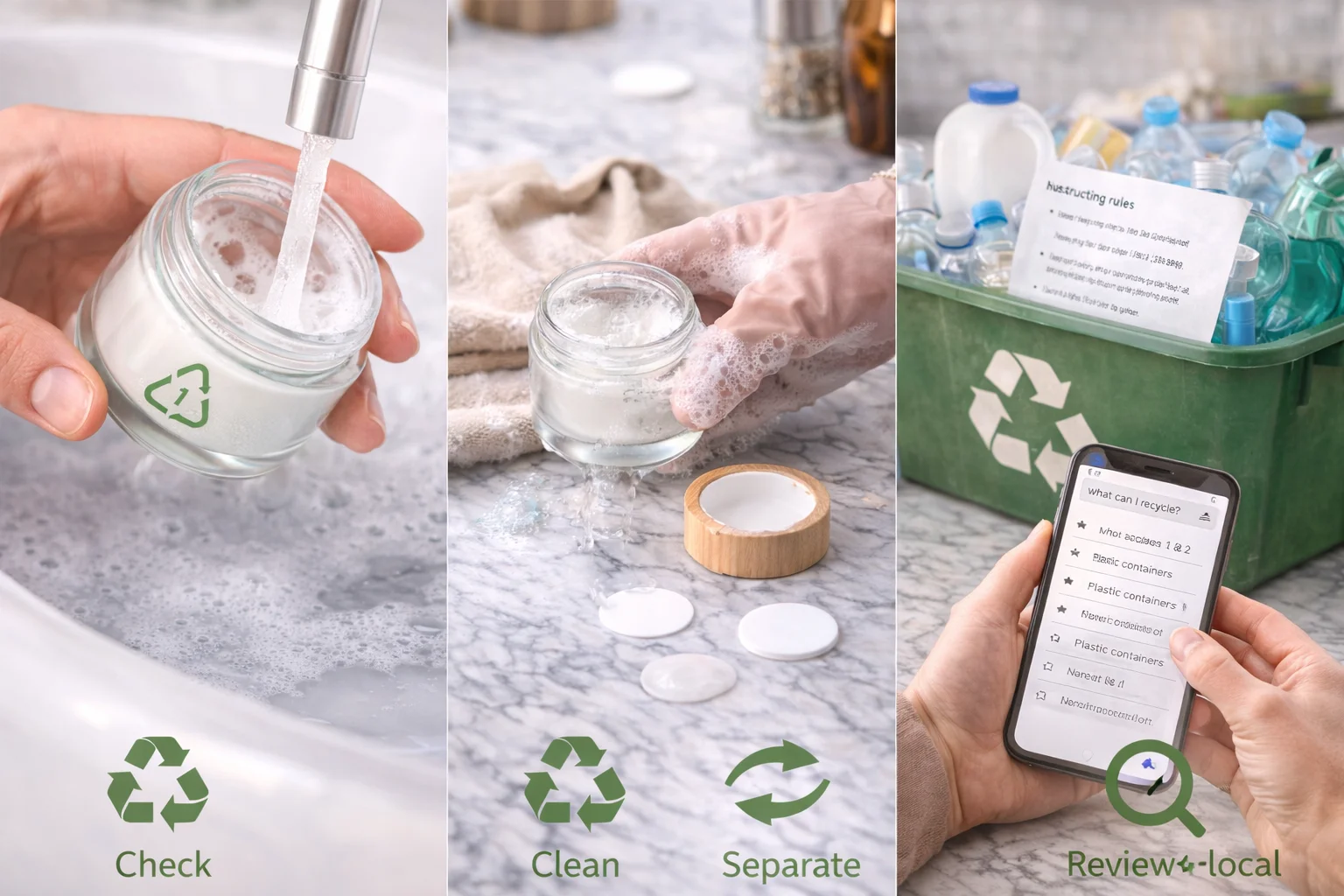
The biggest mistake people make is "wish-cycling"—tossing something in the blue bin and hoping it gets recycled. This actually does more harm than good, as it can contaminate an entire batch of recyclables and force it all to be sent to the landfill. Recycling is a precise process, and following the rules is critical. A half-empty, dirty jar can ruin a whole bale of paper or plastic. That's why being diligent is so important.
A Step-by-Step Recycling Guide
- Check the Number: Look for the resin identification code, which is the number inside the chasing arrows symbol. This tells you the type of plastic. Glass jars are generally recyclable everywhere.
- Check Local Rules: This is the most important step. Go to your city or county's waste management[^8] website. They will have a detailed guide on what they accept. A #5 PP plastic jar might be accepted in one town but not in the next.
- Empty, Clean, Dry: The jar must be completely free of product residue. Wash it out and let it dry. Wet items can create mold and ruin other recyclables.
- Separate the Parts: Unscrew the cap from the jar. Often, the jar and cap are made of different materials and need to be sorted separately. Small caps can sometimes fall through sorting machinery, so check if your local facility wants them on or off.
- Toss Separately: Place the clean jar and the clean cap into your recycling[^3] bin separately, unless your local guidelines say otherwise.
When Is Reusing Cream Jars Not a Good Idea?
Reusing is great, but is it always safe? Some situations can be risky for your health. Let's look at when it's better to recycle or dispose of a jar instead.
Do not reuse jars if you can't clean them completely, especially from products with sunscreens or active ingredients[^9]. It's also unsafe to reuse them for new cosmetic formulas if not properly sanitized, as this can lead to bacterial growth[^10].
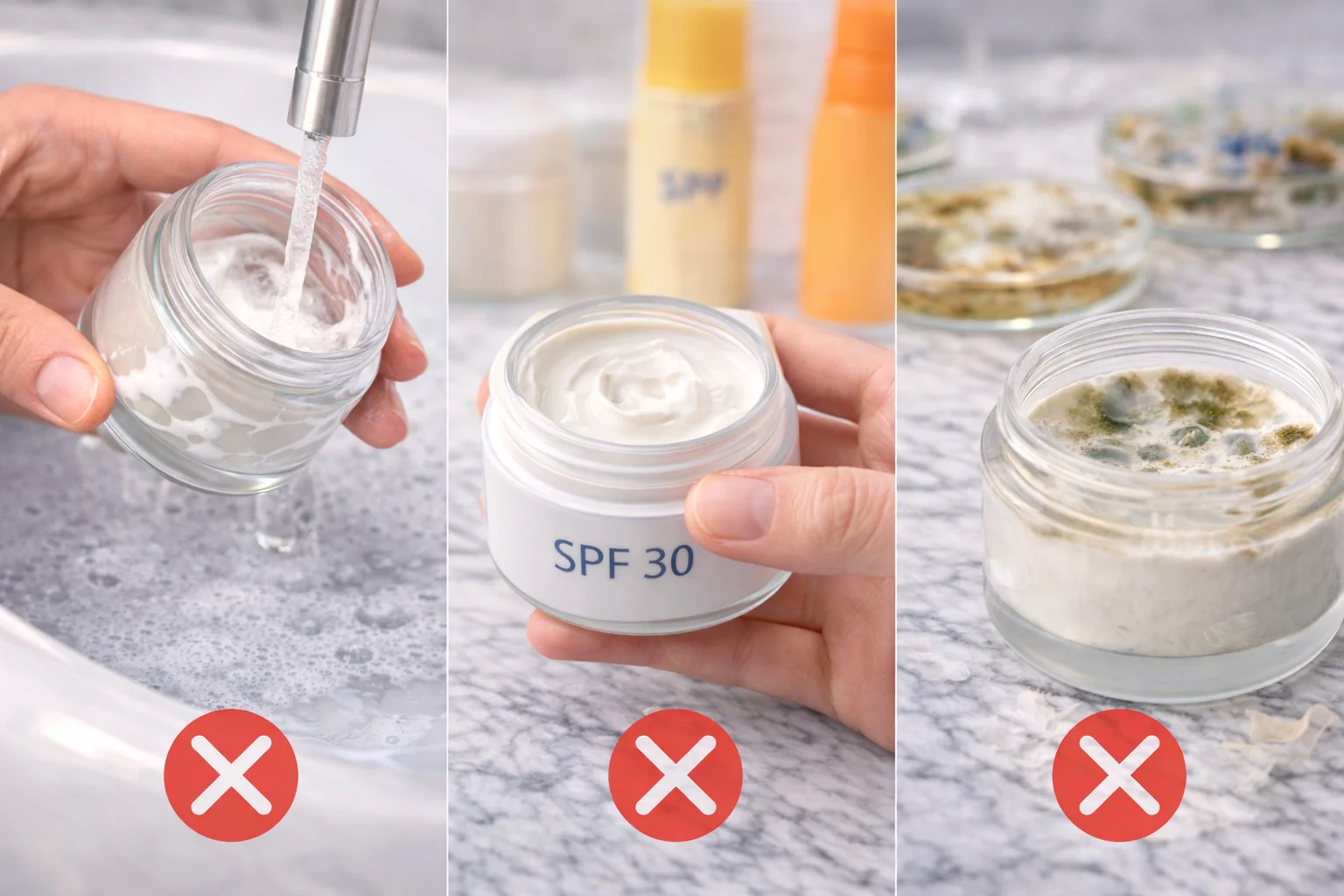
While I'm a huge advocate for reuse, safety must always come first. The primary job of a cosmetic jar is to keep the product inside stable and free from contamination. When you try to reuse it, you take on that responsibility yourself. The biggest risk is bacteria. If a jar isn't perfectly sanitized, you could introduce bacteria into the new product you put inside it, leading to skin infections or a spoiled product. This is especially true if you're putting a new DIY concoction or a different cosmetic into the jar. Another concern is cross-contamination[^11] from the original product. Jars that held products with strong active ingredients[^9], like acne treatments or chemical sunscreens, can be very difficult to clean completely. Traces of those ingredients could remain and cause a negative reaction when you reuse the jar for something else.
Safety First: Know the Risks
- Don't reuse if: The jar is cracked, chipped, or damaged in any way.
- Don't reuse if: You can't get it 100% clean and sanitized.
- Don't reuse if: It held a product with strong active ingredients[^9] or a high SPF.
- Be cautious when: Refilling with a different type of product, as stability can be an issue.
When in doubt, it is always safer to recycle the jar properly than to risk a bad reaction or bacterial infection.
Conclusion
Empty cream jars are a shared responsibility. By reusing, recycling[^3] correctly, and encouraging better brand design, we can all contribute to a more sustainable future for the beauty industry.
[^1]: Explore innovative ideas to give your empty cream jars a new life and reduce waste.
[^2]: Get inspired with creative DIY projects that utilize empty cream jars.
[^3]: Learn the proper steps to recycle cream jars and avoid common mistakes that harm recycling efforts.
[^4]: Understand the environmental consequences of beauty packaging waste and how to mitigate it.
[^5]: Learn how to make better packaging choices to minimize your environmental impact.
[^6]: Explore the different materials used in cream jars and their recycling implications.
[^7]: Find out how refill programs can help reduce packaging waste and promote sustainability.
[^8]: Explore effective waste management practices to improve recycling outcomes.
[^9]: Learn about the challenges of reusing jars that contained products with active ingredients.
[^10]: Learn how to properly sanitize containers to prevent harmful bacterial growth.
[^11]: Understand the risks of cross-contamination when reusing containers for different products.