Choosing the right cosmetic packaging1 is tough. A bad choice can ruin your product and your brand’s reputation. This guide will help you select the perfect packaging for your needs.
To choose the right cosmetic packaging1, you must match your product’s formula with the right container. You also need to think about your brand identity2, your customer’s experience, and your production process3. It is a balance of science, art, and business.
Choosing packaging feels like the last step. But it is one of the most important decisions you will make. It’s the first thing your customer sees and touches. It protects the valuable formula you worked so hard to create. A great package can make a sale. A bad one can lead to bad reviews and lost customers. We need to look at this as a strategic choice, not just a container. Let’s dive into what you need to know to get it right.
Why Does Cosmetic Packaging Matter in 2026?
You might think packaging is just a pretty box. But poor packaging can damage your product, disappoint customers, and hurt your sales. Let’s look at why it’s so critical.
Cosmetic packaging is important because it protects the formula from air and light. It communicates your brand’s story and value. It also creates a positive user experience4. In 2026, it must also be functional and sustainable to meet modern customer expectations5.
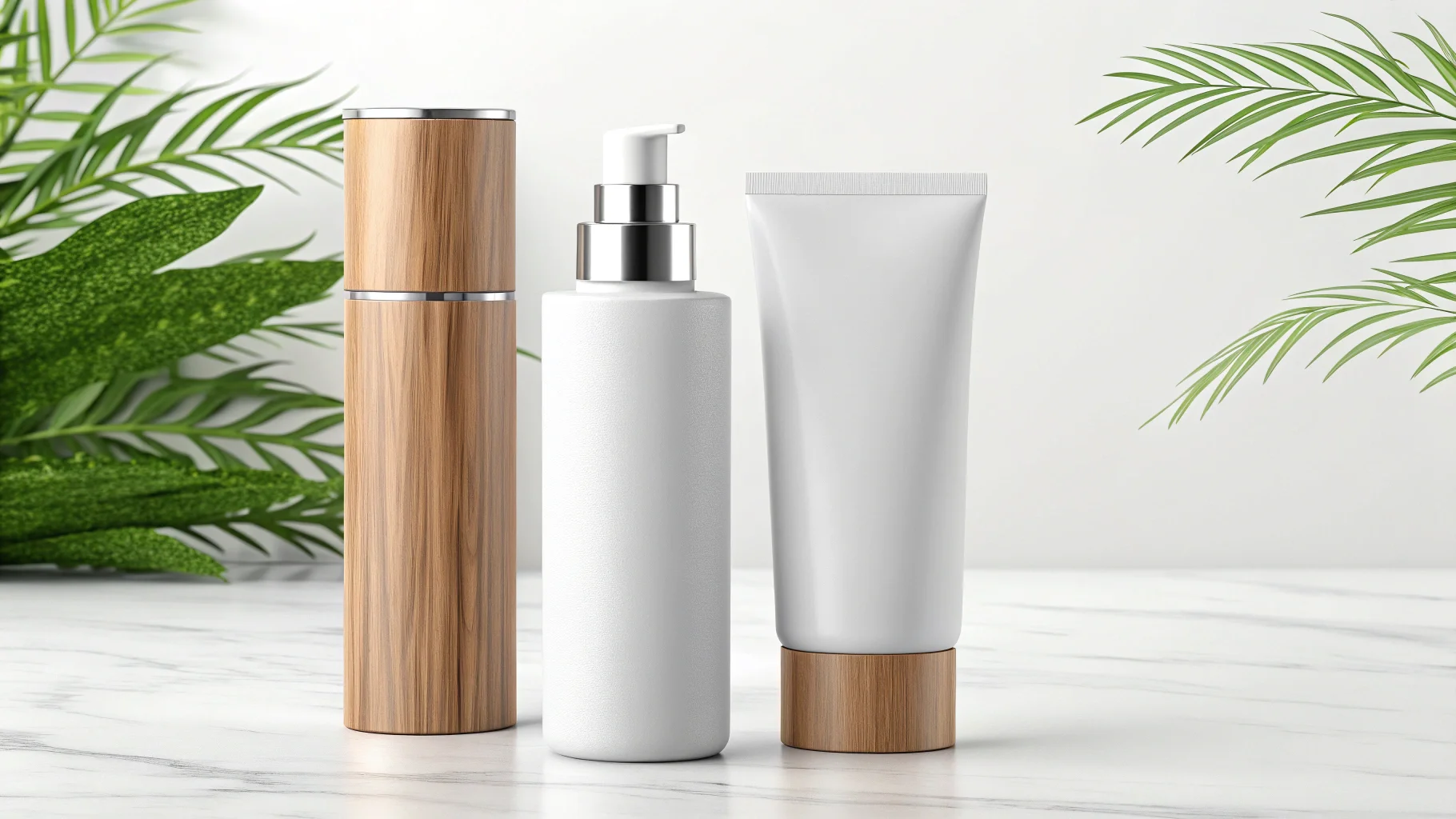
I have seen firsthand how packaging choices can make or break a product launch. The biggest problems often come from a mismatch between the product and its container. A well-designed package does three main jobs. First, it has to protect what’s inside. Many modern cosmetic formulas have active ingredients that can degrade with exposure to air or sunlight. The right packaging keeps the product stable and effective. Second, the package is your silent salesperson on the shelf. It grabs attention and tells your brand’s story. It communicates quality, values, and purpose before the customer even tries the product. Third, it has to be easy and enjoyable to use. If a pump clogs or a jar is messy, the customer will blame your brand, not just the bottle. In 2026, this is more important than ever.
What Are the Main Types of Cosmetic Packaging?
There are so many packaging options available. It can feel overwhelming to figure out where to begin. Let’s break down the main types you will encounter.
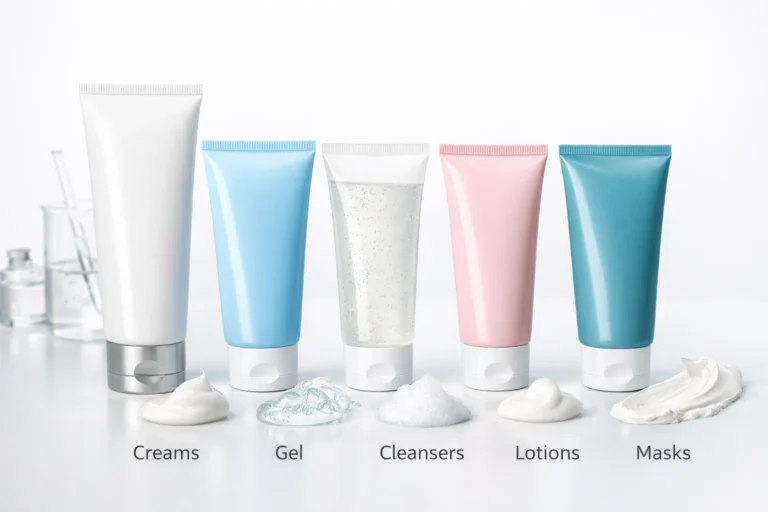
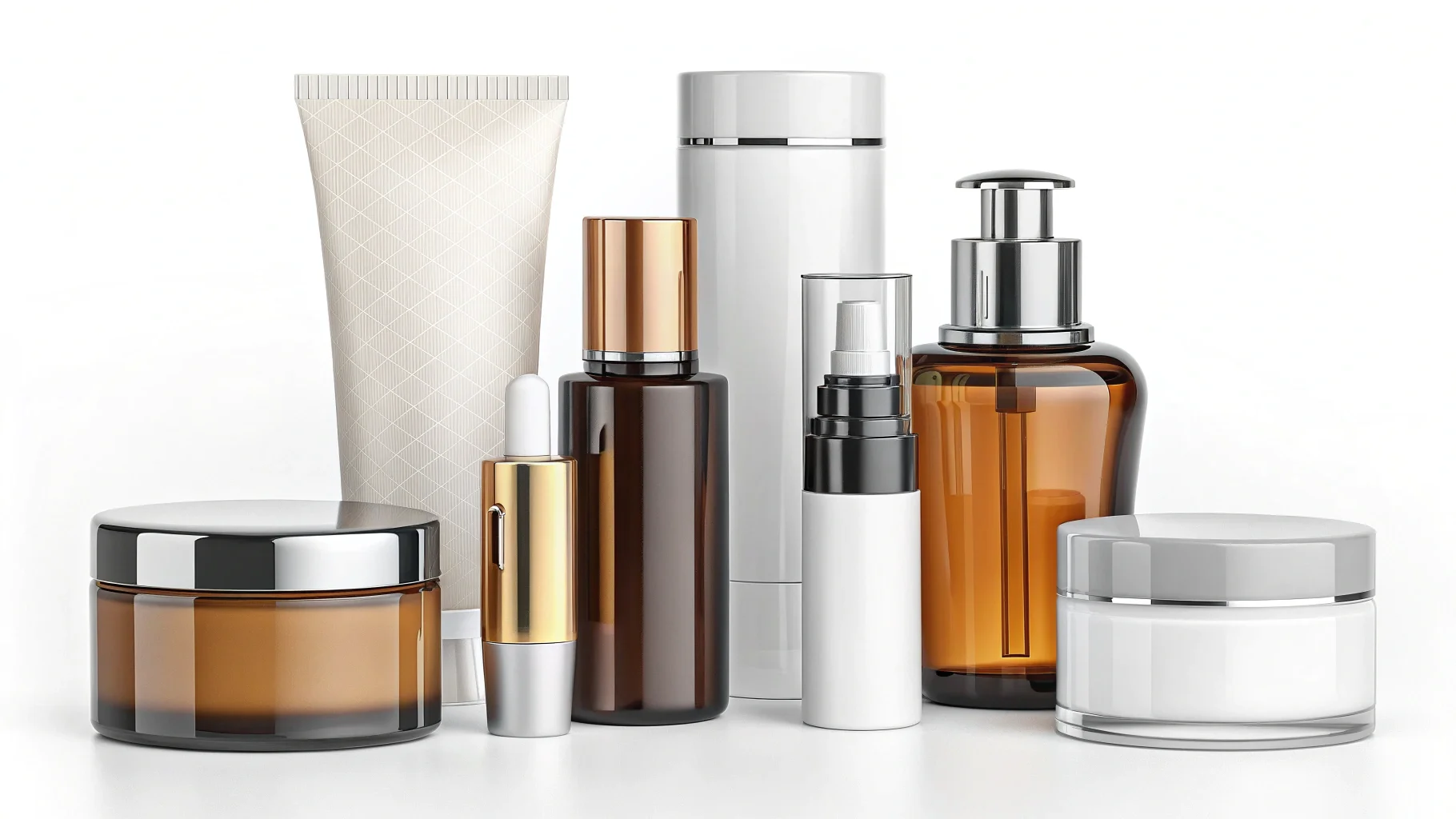
The main types are airless pumps6 for sensitive formulas, jars for thick creams7, tubes for gels8, and droppers for serums. Each type is designed for a specific product texture, use, and to protect the formula inside. Choosing the right one is key.
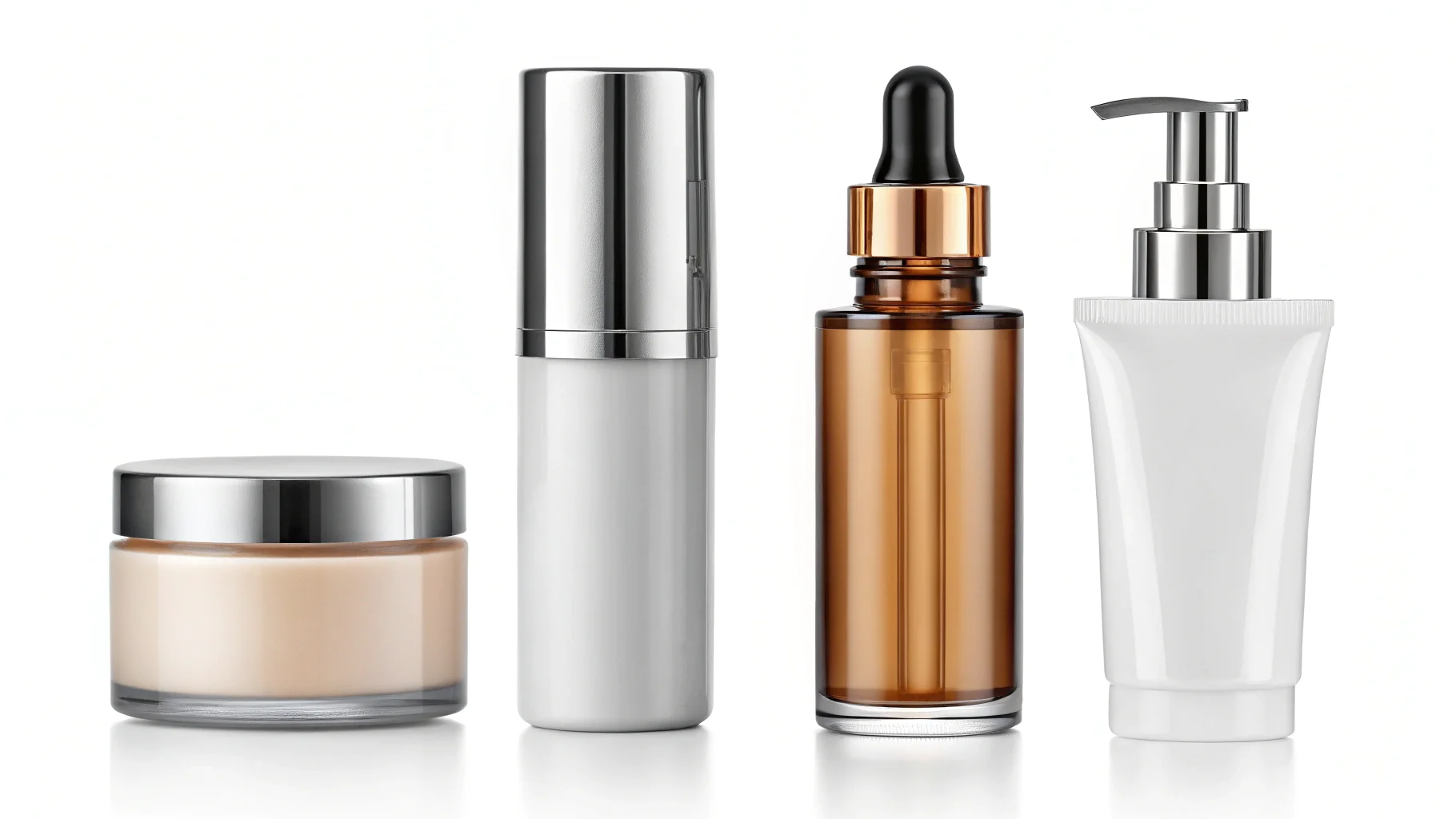
The type of container you choose depends almost entirely on your product’s formula. I remember a client who had an amazing vitamin C serum. They wanted to put it in a beautiful clear jar. But I knew that the vitamin C would break down quickly with exposure to air and light. We switched to an opaque airless pump. This protected the formula and made the product much more effective for the customer. This is why understanding the different types is so important. Each one serves a different purpose. A thick, buttery body cream works well in a wide-mouth jar. A liquid foundation or lotion is perfect for a pump bottle. A targeted eye cream needs the control of a thin tube.
Here is a simple breakdown of the most common types:
| Packaging Type | Best For | Pros | Cons |
|---|---|---|---|
| Airless Bottles | Serums, lotions, foundations | Protects sensitive ingredients, hygienic | More expensive, complex mechanism |
| Jars | Thick creams, masks, scrubs | Easy to get all the product out | Can be unhygienic, exposes product to air |
| Tubes | Gels, cleansers, eye creams | Controlled dispensing, affordable | Can be hard to empty completely |
| Dropper Bottles | Serums, oils, liquid treatments | Precise application, looks professional | Can expose product to air, risk of spills |
| Compacts | Pressed powders, eyeshadows | Portable, includes a mirror | Can break easily if dropped |
What Are the Common Cosmetic Packaging Materials?
The material you choose seems like a simple detail. But the wrong material can react with your formula, feel cheap, or hurt the environment. Let’s explore the most common options.
Common materials include plastic (PET, PP), glass, and aluminum. The best choice depends on your product, brand image, and budget. Glass feels premium and is recyclable. Plastic is lightweight and versatile. Aluminum is great for blocking light.
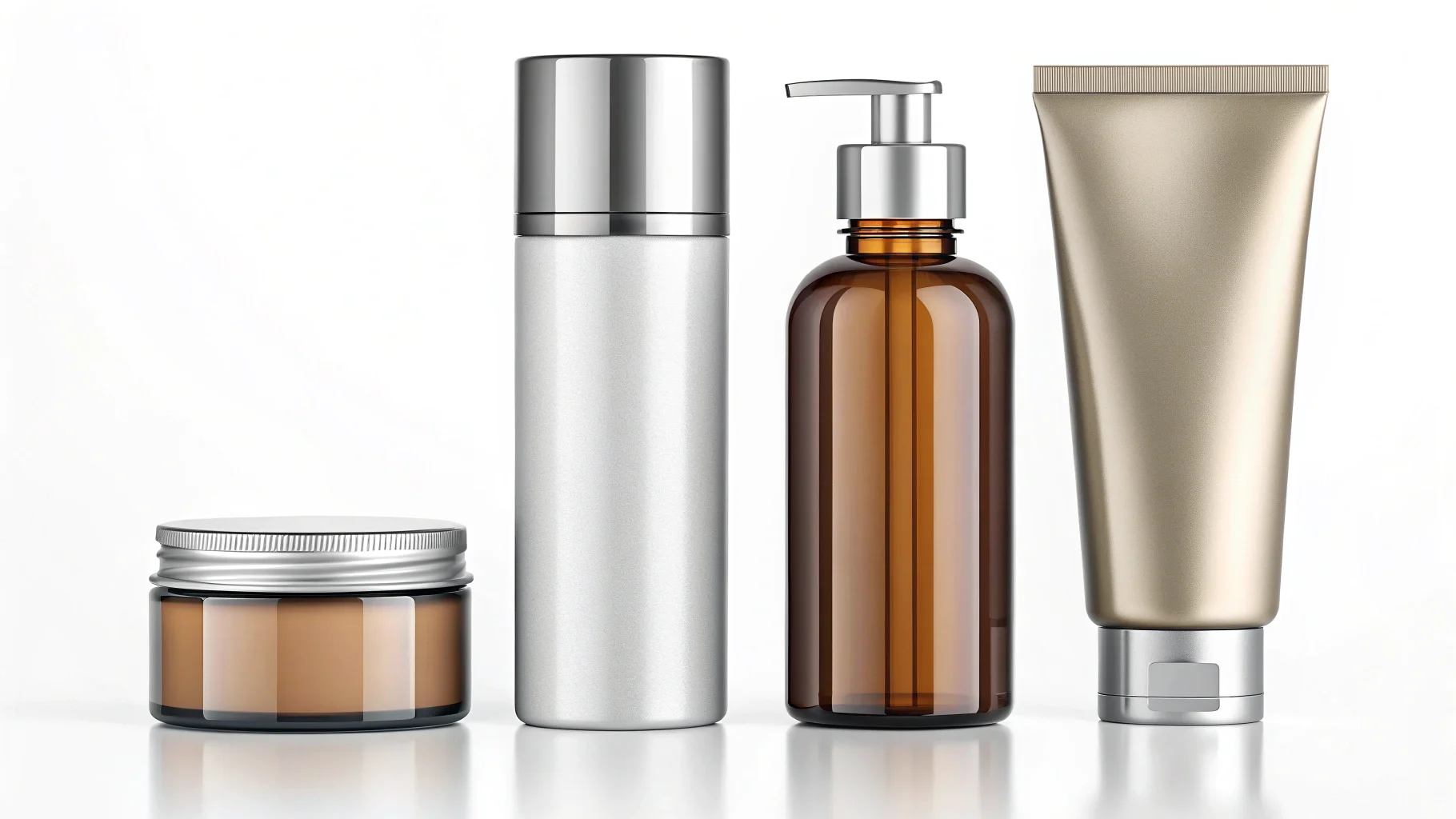
The material is just as important as the container type. Your choice sends a message to your customer. Heavy glass often signals luxury and quality. Post-consumer recycled (PCR) plastic tells a story about sustainability. I’ve learned that the material must work with your formula. Some plastics can react with certain oils or acids, causing the package to warp or the product to spoil. This is why compatibility testing9 is a step you can never skip. We must ensure the material is inert, meaning it won’t react with your ingredients. This protects your product’s integrity and your customer’s safety. Each material has its own set of benefits and drawbacks that you need to weigh carefully.
Here’s a look at the most popular choices:
| Material | Pros | Cons | Best For |
|---|---|---|---|
| Glass | Feels premium, recyclable, inert | Heavy, breakable, more expensive | Luxury skincare, serums, foundations |
| Plastic (PET, PP) | Lightweight, durable, versatile, cheap | Can feel less premium, environmental concerns | Most products, from lotions to cleansers |
| PCR Plastic | More sustainable, uses recycled material | Can have color variations, costs more than virgin plastic | Eco-conscious brands |
| Aluminum | Lightweight, blocks 100% of light, recyclable | Dents easily, can be expensive | Organic formulas, thick creams in tubes |
How Do You Choose the Right Cosmetic Packaging?
You know the types and the materials. But how do you put it all together and make the right decision for your specific product? Here is a simple framework to guide you.
To choose the right packaging, first analyze your product’s formula. Then, consider your target customer and brand identity2. Finally, evaluate practical factors like your budget, filling process, and shipping durability10. It’s a three-step process.
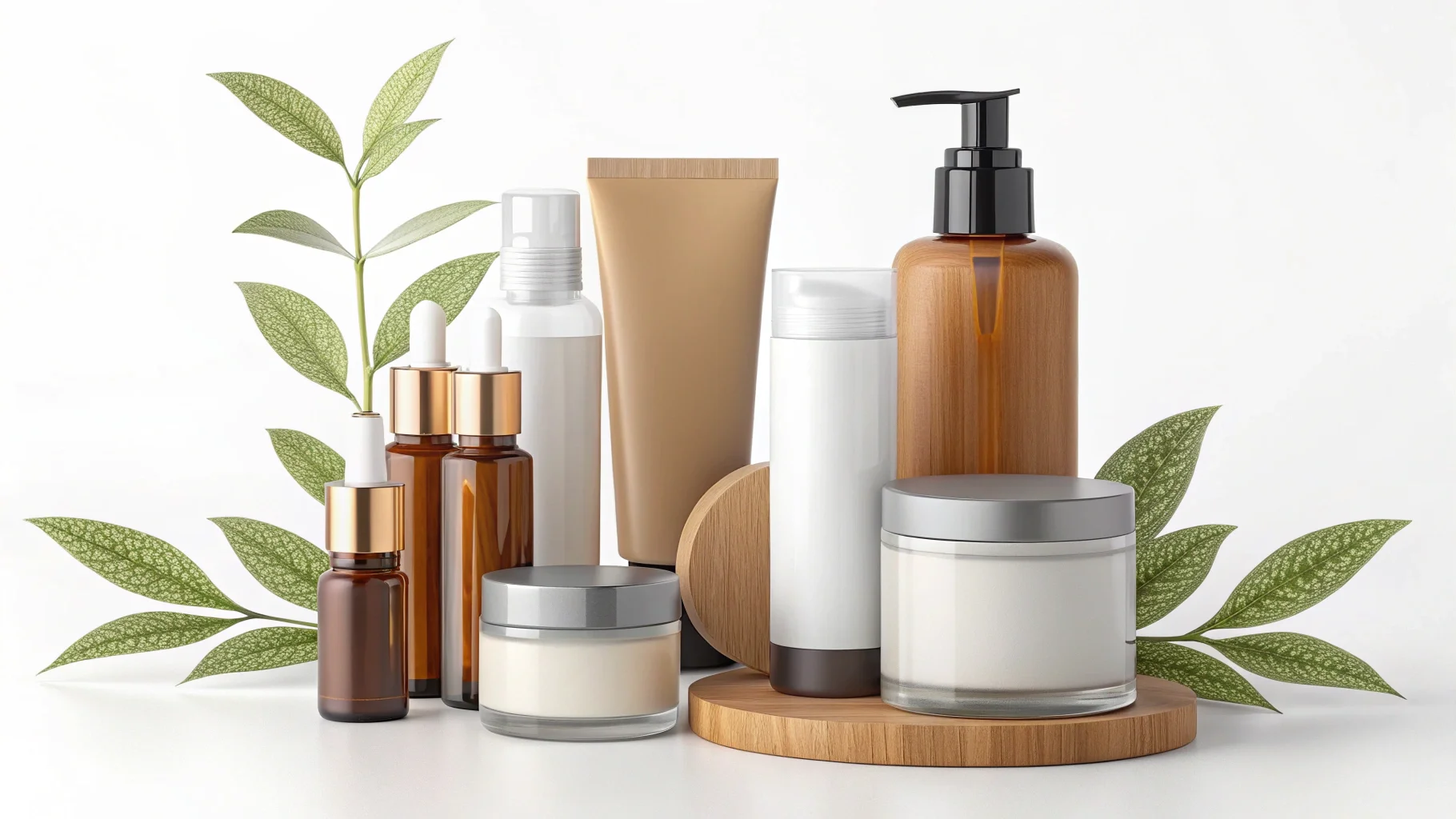
I always tell my clients that good packaging design11 has to balance three things: aesthetics, functionality, and production efficiency. It can’t just look good on the shelf. It has to work for your formula, for your customer, and for your manufacturing line. The best way to achieve this is to bring your packaging supplier into the conversation early. They have seen it all. They can spot a potential problem with a bottle neck size or a cap-sealing issue before you spend thousands of dollars on a mold. Thinking through these steps methodically will save you a lot of time and money. It ensures you end up with packaging that truly supports your product’s success from the factory to the customer’s bathroom counter.
Step 1: Analyze Your Formula
First, look at your product itself. Is it a thin liquid or a thick cream? This determines if you need a pump, dropper, or jar. Does it have sensitive ingredients like antioxidants or retinoids? Then you need an airless pump or an opaque container to protect it from degradation.
Step 2: Understand Your Brand and Customer
Next, think about your brand. Are you a luxury brand? Heavy glass and metal accents might be the right choice. Are you an eco-friendly brand? Then look at materials like PCR plastic, bamboo, or glass. Also, think about your customer. Do they value convenience? A tube might be better than a jar.
Step 3: Consider Production and Logistics
Finally, think about the practical side. What is your budget per unit? How will the product be filled? Make sure your chosen container works with your manufacturer’s equipment. How will it be shipped? A heavy glass jar costs more to ship than a light plastic tube and is more likely to break.
What Common Cosmetic Packaging Mistakes Should You Avoid?
You want your product launch to be perfect. But a simple packaging mistake can lead to leaks, negative reviews, and expensive problems. Let’s look at the most common pitfalls to avoid.
The biggest mistake is choosing packaging based only on looks, without testing for compatibility. Other common errors include ignoring the user experience4, not planning for shipping, and choosing the cheapest supplier without checking their quality or reliability.
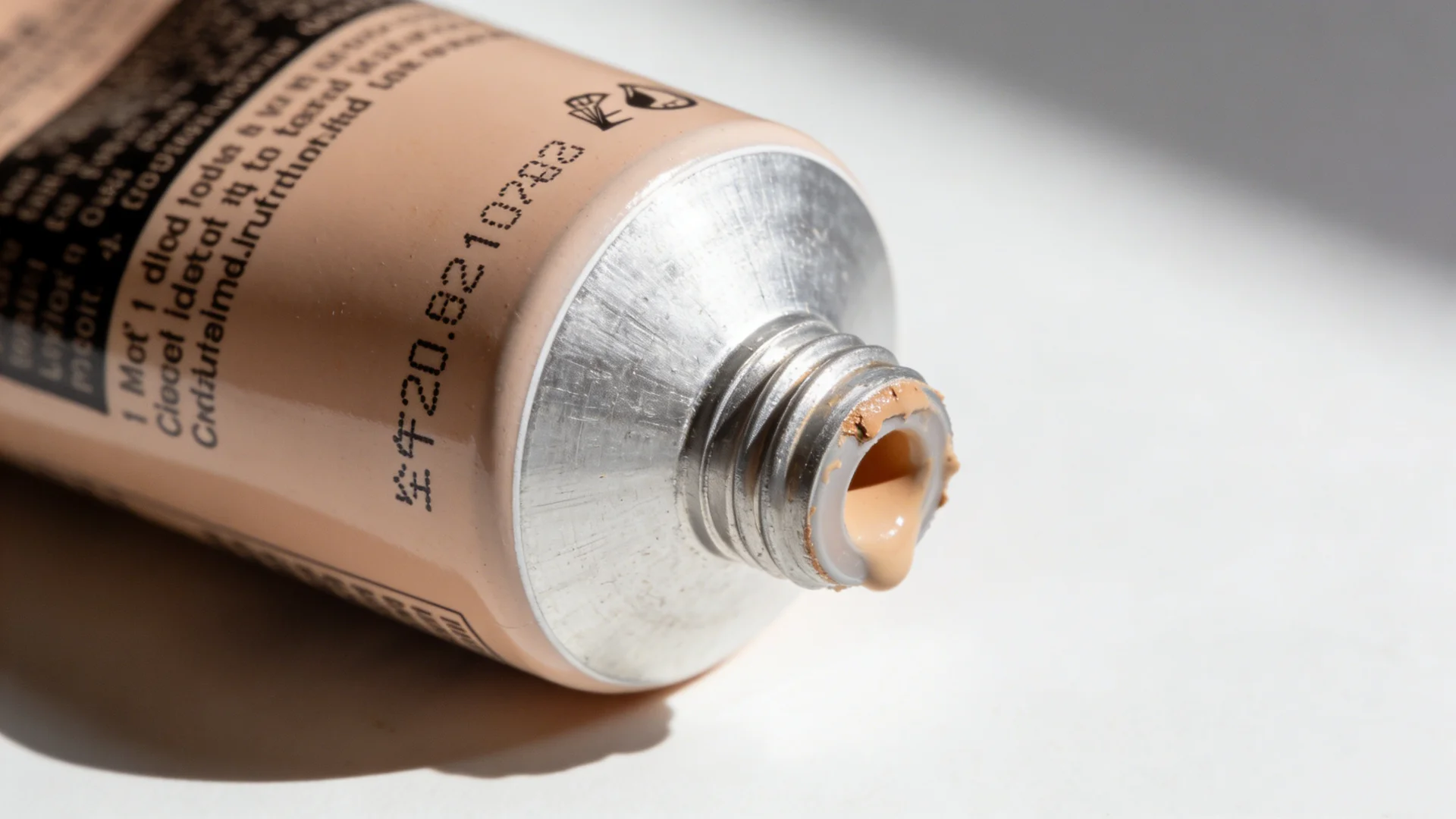
From my perspective in manufacturing, the most costly mistakes rarely come from a bad design idea. They come from a technical mismatch. I once worked with a startup that chose a very cheap bottle from an overseas supplier to save money. When they got a huge order from a retailer, the supplier couldn’t produce the quantity on time. The quality was also inconsistent. They had to scramble to find a new supplier and retool everything. The delay and extra cost were far greater than if they had chosen a scalable, reliable solution from the beginning. Avoiding these common mistakes is about thinking ahead and focusing on the total cost and function, not just the initial price tag or a pretty design.
Mistake 1: Not Testing for Compatibility
You must test your final product formula in the final packaging for several weeks. Watch to see if the plastic discolors, if the formula separates, or if the lettering on the bottle rubs off.
Mistake 2: Forgetting the User
Think about how the customer will use the product. Can they open it with wet hands in the shower? Does the pump dispense the right amount of product? A frustrating user experience4 will prevent repeat purchases.
Mistake 3: Ignoring Shipping and Storage
Your product will be stacked in warehouses and bounced around in trucks. You must do ship tests. Fill your final package with product and ship it to yourself. See if it leaks, breaks, or gets damaged.
What Cosmetic Packaging Trends Should You Watch in 2026?
You want your brand to feel modern and relevant. But packaging trends are always changing, and it can be hard to keep up. Here are the key trends to watch for 2026.
In 2026, the biggest trends are sustainability, like refillable systems12 and mono-material packaging. Also look for smart packaging13 with QR codes, minimalist designs14, and inclusive features like easy-open containers for better accessibility.
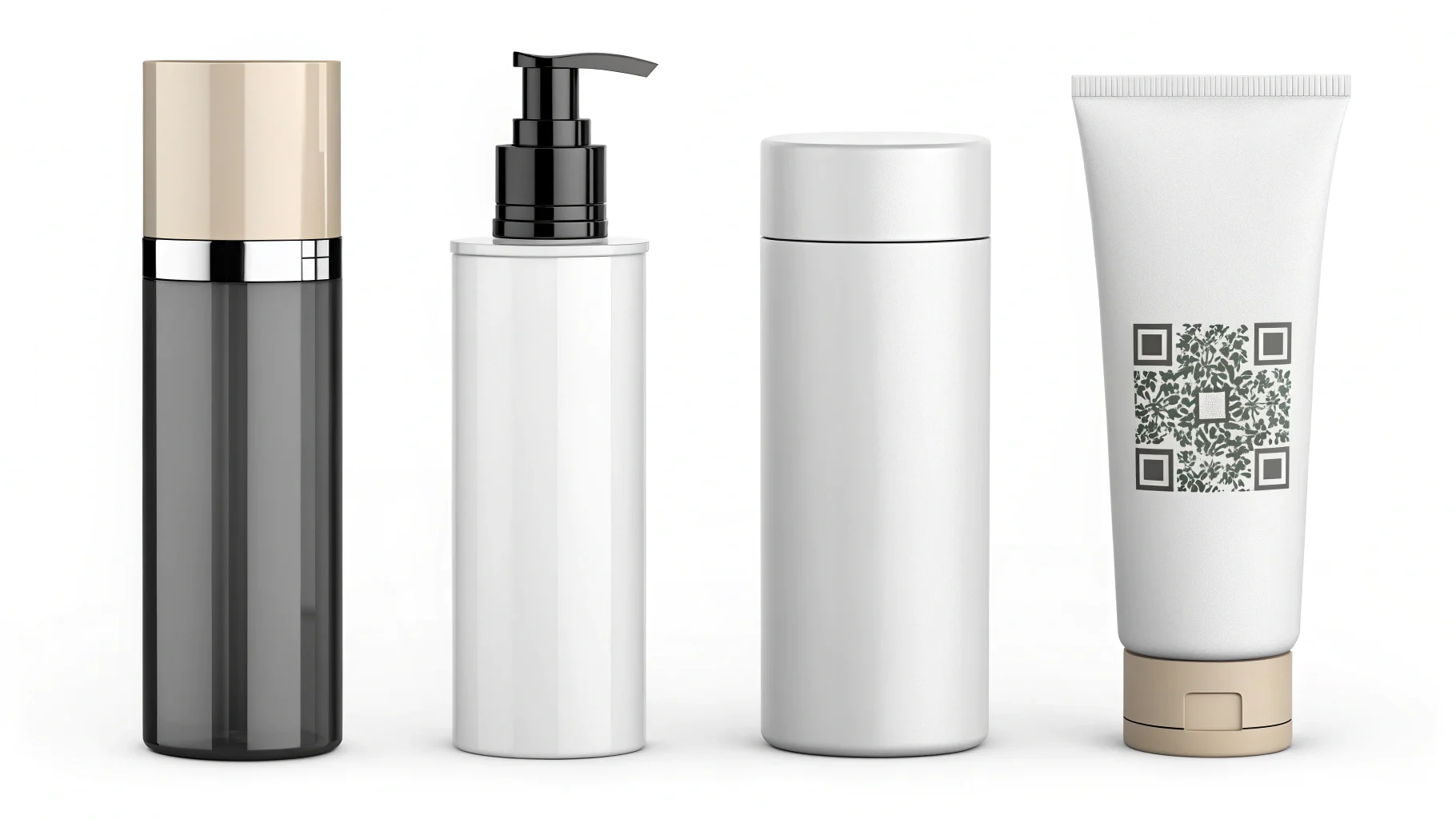
The future of packaging is about being smarter, cleaner, and more inclusive. Consumers are more educated than ever. They want to know that the brands they support are making responsible choices. This goes beyond just using recyclable materials. It’s about reducing waste at every level. At the same time, technology is creating new ways to connect with customers directly through the package. And brands are realizing that good design is simple design. They are cutting through the noise with clean aesthetics that project confidence and quality. Finally, making products easy for everyone to use is not just a nice idea; it’s becoming a business imperative. Brands that embrace these trends will build deeper trust and loyalty with their customers.
Trend 1: True Sustainability
This is more than just a buzzword. It means refillable pods that reduce primary packaging waste. It means mono-material designs (like a bottle and cap made from the same plastic) that are easier to recycle.
Trend 2: Minimalist and "Quiet Luxury"
Brands are moving away from loud, flashy designs. They are using clean layouts, beautiful typography, and high-quality materials to communicate value. The focus is on the product, and the packaging reflects that confidence.
Trend 3: Smart, Interactive Packaging
Expect to see more QR codes on packages. These can link to how-to-use videos, ingredient information, or a way to re-order the product. This turns the package into a direct communication channel with your customer.
Conclusion
Choosing the right packaging is a critical strategic decision. It requires a balance of your formula’s needs, your brand’s story, your customer’s experience, and the realities of production.
-
Explore this resource to understand the essential elements of effective cosmetic packaging. ↩ ↩
-
Learn how brand identity shapes packaging choices and impacts customer perception. ↩ ↩
-
Discover how production considerations influence packaging decisions and efficiency. ↩
-
Discover why user experience is crucial for product success and customer satisfaction. ↩ ↩ ↩
-
Explore the evolving expectations of customers regarding cosmetic packaging. ↩
-
Find out how airless pumps can protect sensitive formulas and enhance product longevity. ↩
-
Understand why jars are a popular choice for thick creams and their benefits. ↩
-
Explore the advantages of tube packaging for gel products and how it enhances usability. ↩
-
Understand the importance of compatibility testing to ensure product integrity. ↩
-
Learn how thoughtful packaging design can prevent damage during shipping. ↩
-
Learn about the essential components that make packaging design effective and appealing. ↩
-
Learn how refillable systems contribute to sustainability and customer loyalty. ↩
-
Discover how smart packaging enhances customer engagement and product information. ↩
-
Explore the reasons behind the rise of minimalist designs in the cosmetics industry. ↩