Choosing cosmetic packaging[^1] feels overwhelming. A wrong move can ruin your product and brand reputation. Learn to match your formula with the right container to ensure success.
To choose the right cosmetic packaging[^1], you must match your formula's specific needs to the container. Analyze your product's viscosity[^2], sensitivity to air and light, and active ingredients[^3]. This analysis will guide your choice of material (plastic, glass, aluminum) and dispenser type (pump, dropper, tube).
I’ve seen countless brands make costly mistakes by treating packaging as an afterthought. It’s much more than just a pretty face for your product. To really get this right, you need to think like a manufacturer, not just a marketer. Let's explore how to make the best choice for your business.
Why is cosmetic packaging[^1] more than just a container?
You think packaging is just about shelf appeal. But this view leads to product leaks[^4], spoilage, and customer complaints that can sink your brand before it even gets started.
Cosmetic packaging is a critical technical component. Its job is to protect the formula from air and light, ensure it can be filled efficiently on a production line, survive shipping without damage, and provide a good user experience. It is a core part of the manufacturing process.
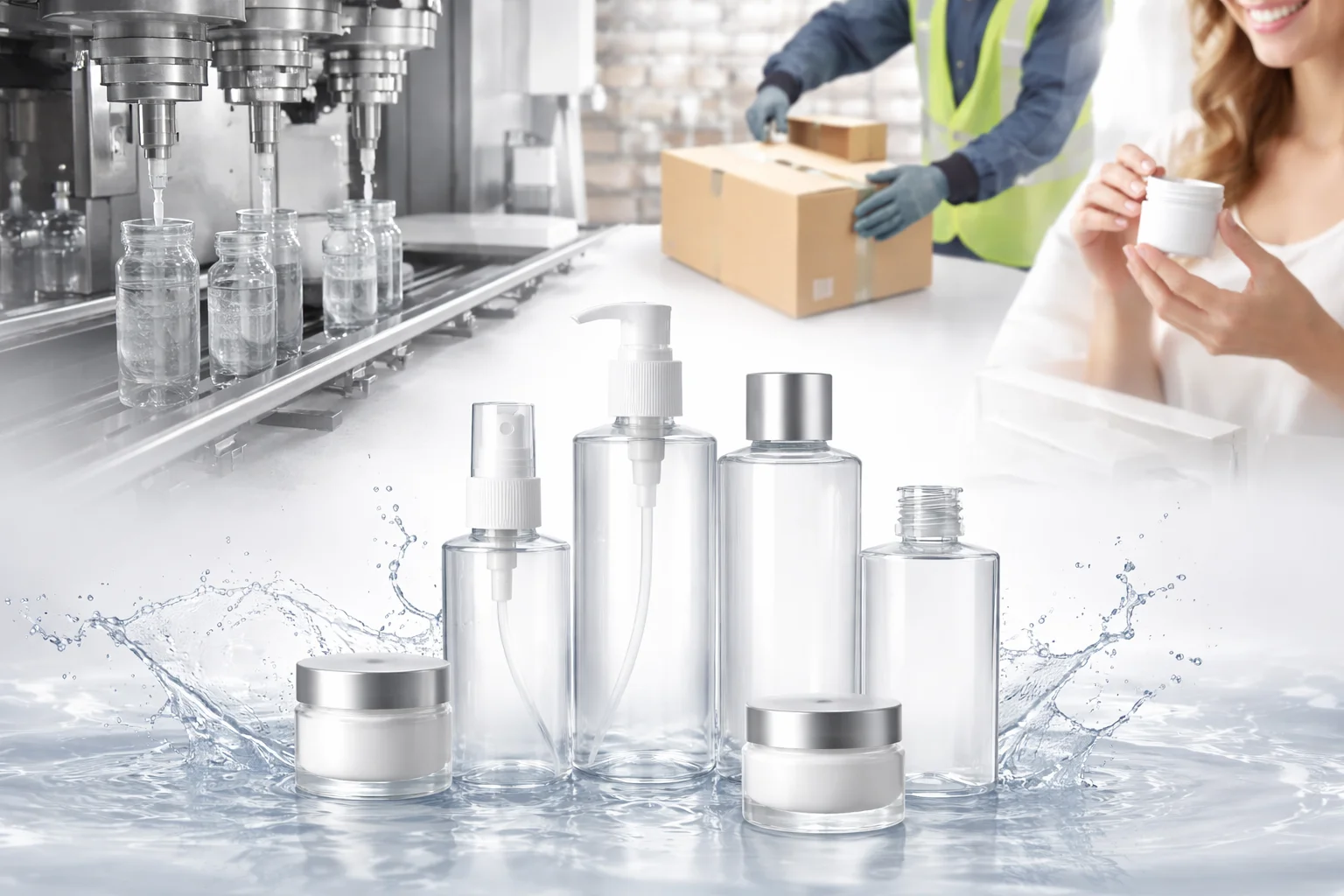
From my perspective in the supply chain[^5], packaging is where a product concept meets reality. A beautiful design is useless if it compromises the product inside or creates a production nightmare. For example, a heavy glass jar might feel luxurious, but it dramatically increases shipping costs[^6] and breakage rates. An oddly shaped bottle might look unique, but it could require expensive custom tooling on the filling line, slowing down production and increasing your cost per unit. These are not minor details; they are fundamental business decisions. We need to shift the perspective from purely aesthetic to functional and logistical. A successful product is one that works from the factory floor all the way to the customer's bathroom shelf.
| Aspect | Aesthetic View | Manufacturing View |
|---|---|---|
| Material | How does it look and feel? | Is it compatible with the formula? |
| Shape | Is it unique and eye-catching? | Can our machines fill and cap it? |
| Weight | Does it feel substantial and luxe? | How much will it cost to ship? |
| Dispenser | Does it look modern? | Does it dispense the right dose? |
What are the 3 main categories of cosmetic packaging[^1] materials?
The world of materials seems endless and confusing. Choosing the wrong one can cause your expensive formula to degrade on the shelf, making your investment worthless. Start with the basics.
The three main categories of cosmetic packaging[^1] materials are plastics, glass, and metal (most often aluminum). Each offers a different balance of cost, weight, durability, and formula compatibility[^7]. Your product's needs will determine which material is the right choice for you.
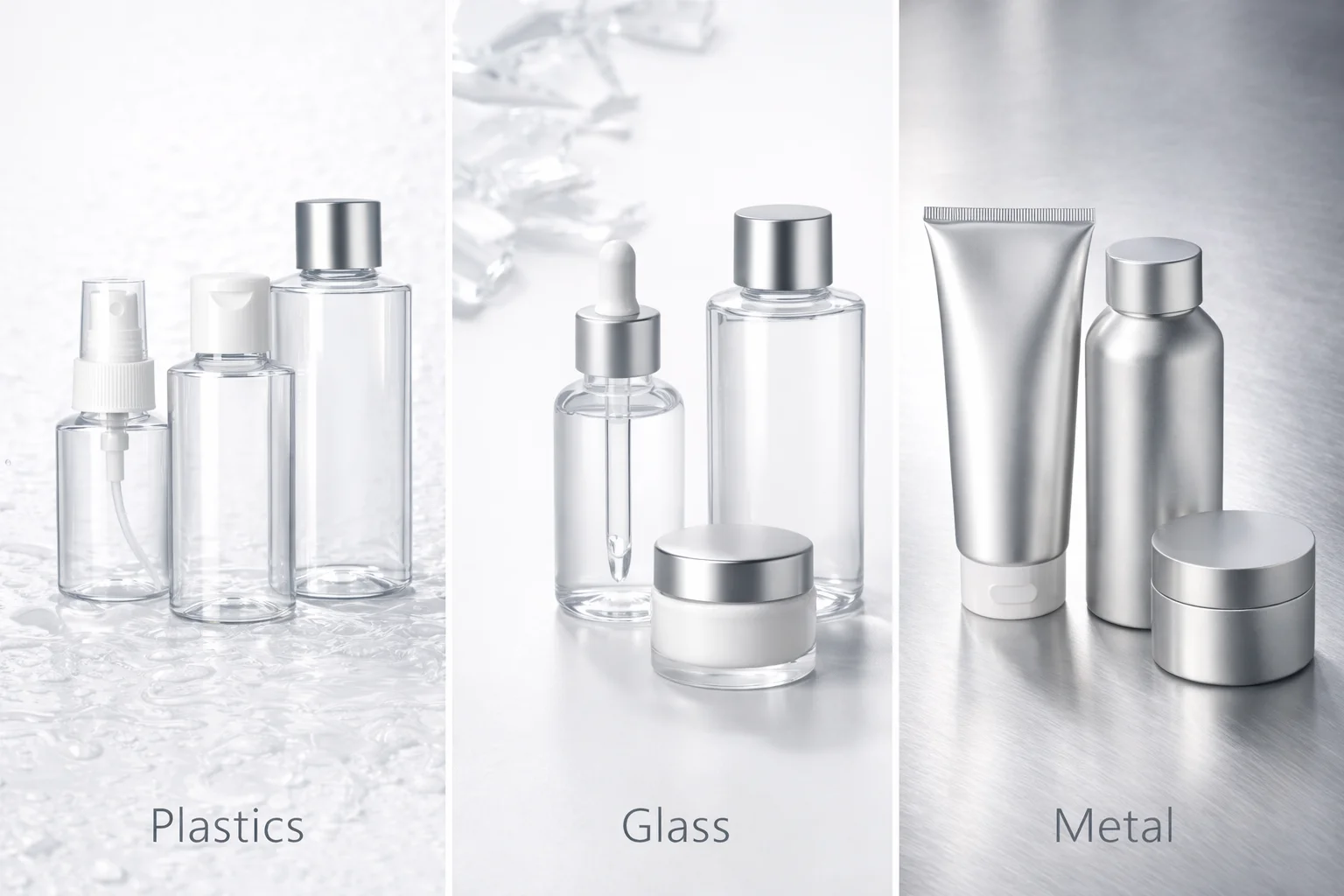
Let's break down these core materials. Plastics are the workhorse of the industry. They are lightweight, shatter-resistant, and relatively inexpensive. The most common types are PET, known for its clarity and strength (like a water bottle), and PP, which is more rigid and often used for jars and caps. The main downside is potential incompatibility with certain essential oils or solvents. Glass is the premium choice. It's inert, meaning it won't react with your formula, which is perfect for sensitive or high-end products. It also feels heavy and luxurious. However, it's fragile, heavy to ship, and more expensive. Finally, there's aluminum. It's often used for tubes or aerosol cans because it's lightweight and provides a complete barrier to light and air. This is great for products that oxidize easily. The main weakness is that it can dent easily.
| Material | Key Benefits | Key Drawbacks | Best For |
|---|---|---|---|
| Plastic (PET, PP) | Lightweight, durable, low cost | Potential formula incompatibility | Lotions, cleansers, mass-market items |
| Glass | Inert, premium feel, recyclable | Heavy, fragile, higher cost | Serums, essential oils, luxury creams |
| Aluminum | 100% light & air barrier, light | Dents easily, can require a liner | Sensitive formulas, organic products |
What are the common types of cosmetic packaging[^1] and what are they actually used for?
You see jars, tubes, and bottles everywhere. But putting a watery serum in a wide-mouth jar is a recipe for contamination and a poor customer experience[^8]. You must match the format to the formula.
Common packaging types[^9] are chosen based on product viscosity[^2] and protection needs. Jars are for thick creams, tubes for gels and lotions, bottles for liquids, and airless pumps[^10] for sensitive, high-value formulas to prevent air exposure and ensure complete dispensing.
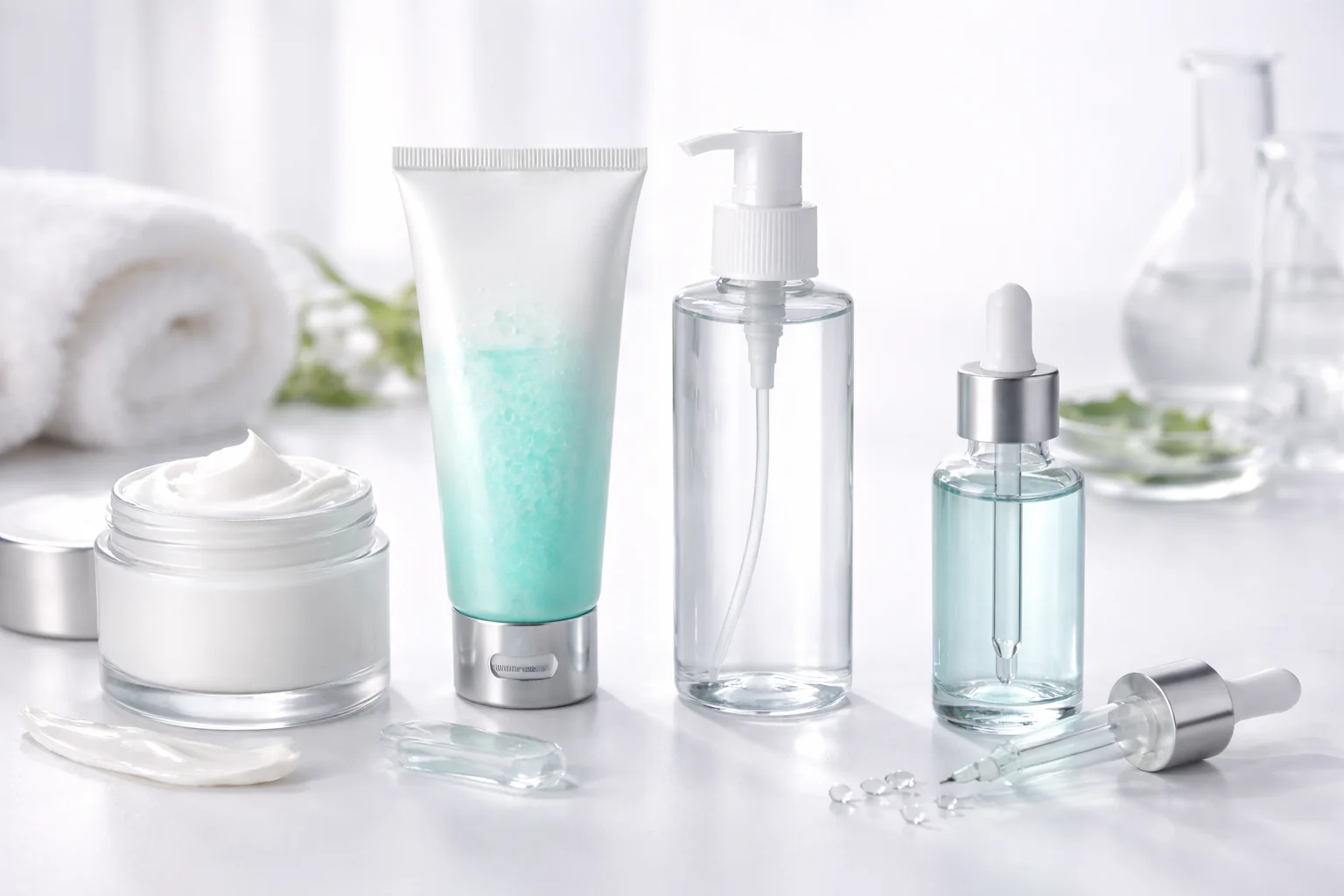
The container format is all about dispensing and protecting the product. A wide-mouth jar is easy to fill and allows the user to get every last bit of product, but it also exposes the formula to air and bacteria with every use. This makes it suitable only for very stable, thick products like body butters or clay masks. Squeezable tubes are a step up in protection. They are great for creams and gels because they reduce air exposure. Bottles are the go-to for liquids. You can pair them with different closures to change how they function. A simple cap works for a toner, a dropper is perfect for a serum, and a pump is great for a lotion. The most advanced format is the airless pump. It uses a vacuum system to push the product up, which prevents any air from getting in. This is the gold standard for formulas with delicate active ingredients[^3] like retinol or Vitamin C.
| Packaging Type | Best For (Viscosity) | Common Products | Key Pro | Key Con |
|---|---|---|---|---|
| Jar | Very High (Thick Creams/Balms) | Body butters, masks, scrubs | Easy access to all product | High contamination risk |
| Tube | Medium-High (Creams/Gels) | Cleansers, moisturizers, SPF | Good dispensing control | Can be hard to empty fully |
| Bottle + Dispenser | Low (Liquids/Serums) | Toners, serums, lotions | Versatile dispensing options | Pump/dropper adds cost |
| Airless Pump | Low to Medium (Lotions/Serums) | Retinol serums, foundations | Maximum formula protection | Highest cost per unit |
How do you choose cosmetic packaging[^1] based on your formula?
You’ve perfected your formula. But putting it in the wrong package can make it unstable, ineffective, or just plain messy to use, wasting all your hard work on product development.
To choose packaging, first analyze your formula's viscosity[^2] to determine the container shape (jar, tube, bottle). Then, assess its sensitivity to air and light to select the material and dispenser (opaque, glass, airless). Finally, always conduct stability testing[^11] to confirm compatibility.
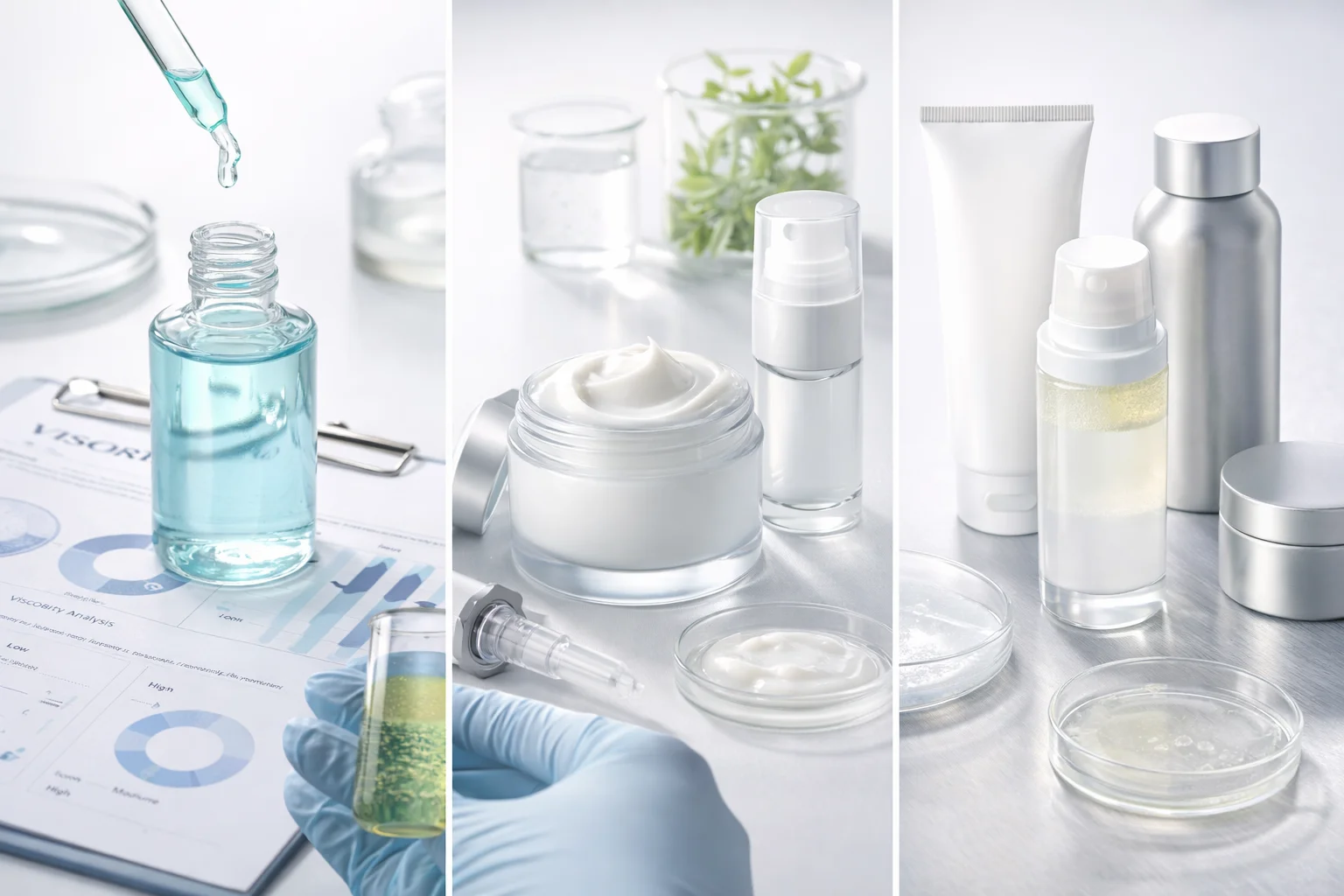
I guide clients through a simple, three-step process. First, let's talk about viscosity[^2], which is just a technical term for thickness. Is your product a watery liquid, a light lotion, a thick cream, or a solid balm? A watery toner needs a bottle, while a thick balm needs a jar. This is your first decision. Second, look at your ingredient list. Do you have active ingredients[^3] like Vitamin C, retinol, or natural oils? These ingredients are sensitive and can be destroyed by air and UV light. If so, you need packaging that protects them. This means choosing an opaque material, or even better, an airless pump that keeps air out completely. Third, and this is the step people always want to skip, is compatibility testing. You must put your final formula in your chosen package and let it sit for weeks, even months, under various conditions to see what happens. I once saw a brand's new sunscreen cause its plastic tubes to crack and leak after just two months on the shelf. They skipped this test, and it cost them a fortune in returned products.
What packaging considerations do brands often overlook?
You've found a package that looks amazing and fits your product. But you forgot to think about how it will be filled, shipped, and stored, leading to hidden costs and logistical chaos.
Brands often overlook manufacturing compatibility, shipping durability, and the total cost of ownership[^12]. They focus on the unit price and shelf appeal but forget that the package must be filled efficiently, survive transit, and not have hidden costs related to assembly or secondary packaging.

The most common blind spot for new brands is everything that happens before the product hits a retail shelf. I call it "supply chain[^5] reality." For instance, will your unique bottle shape run on a standard filling line, or will it require your manufacturer to make expensive adjustments? Does your cap need to be tightened by hand? That adds labor costs to every single unit. Another major one is shipping. A client of mine fell in love with a beautiful, heavy glass bottle for their body wash. The problem was that a case of 12 was so heavy it pushed their shipping costs[^6] through the roof, and about 5% of every shipment arrived damaged. We eventually switched them to a lightweight, recycled PET bottle that looked almost as good but saved them thousands per month in shipping and damages. You have to look at the total cost, not just the price of the empty bottle. This includes extra labor, shipping, and potential losses from breakage.
Key Overlooked Checks
- Filling Line Fit: Can it be automated?
- Assembly: Does it require manual labor (e.g., tying a ribbon)?
- Shipping Weight & Durability: What are the real shipping costs[^6] and damage rates?
- Secondary Packaging: Does it need a custom box for protection?
What's practical vs. what's just marketing in sustainable cosmetic packaging[^1]?
You want your brand to be sustainable, which is great. But many "eco-friendly" options are just marketing buzzwords that sound good but don't actually help, and can even harm, recycling systems.
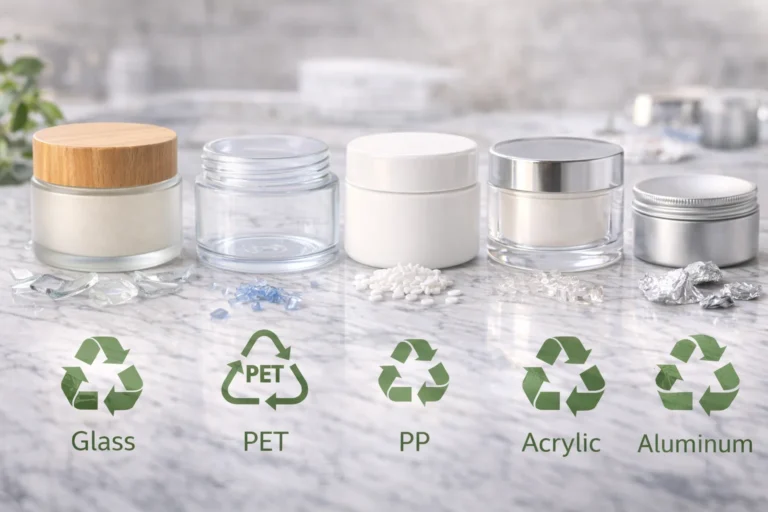
Practical sustainability focuses on using materials with proven, high-rate recycling streams, like PET plastic, glass, and aluminum, and reducing overall material use (light-weighting). Marketing-driven sustainability often promotes materials like compostable plastics or bamboo, which lack the real-world infrastructure to be processed effectively.
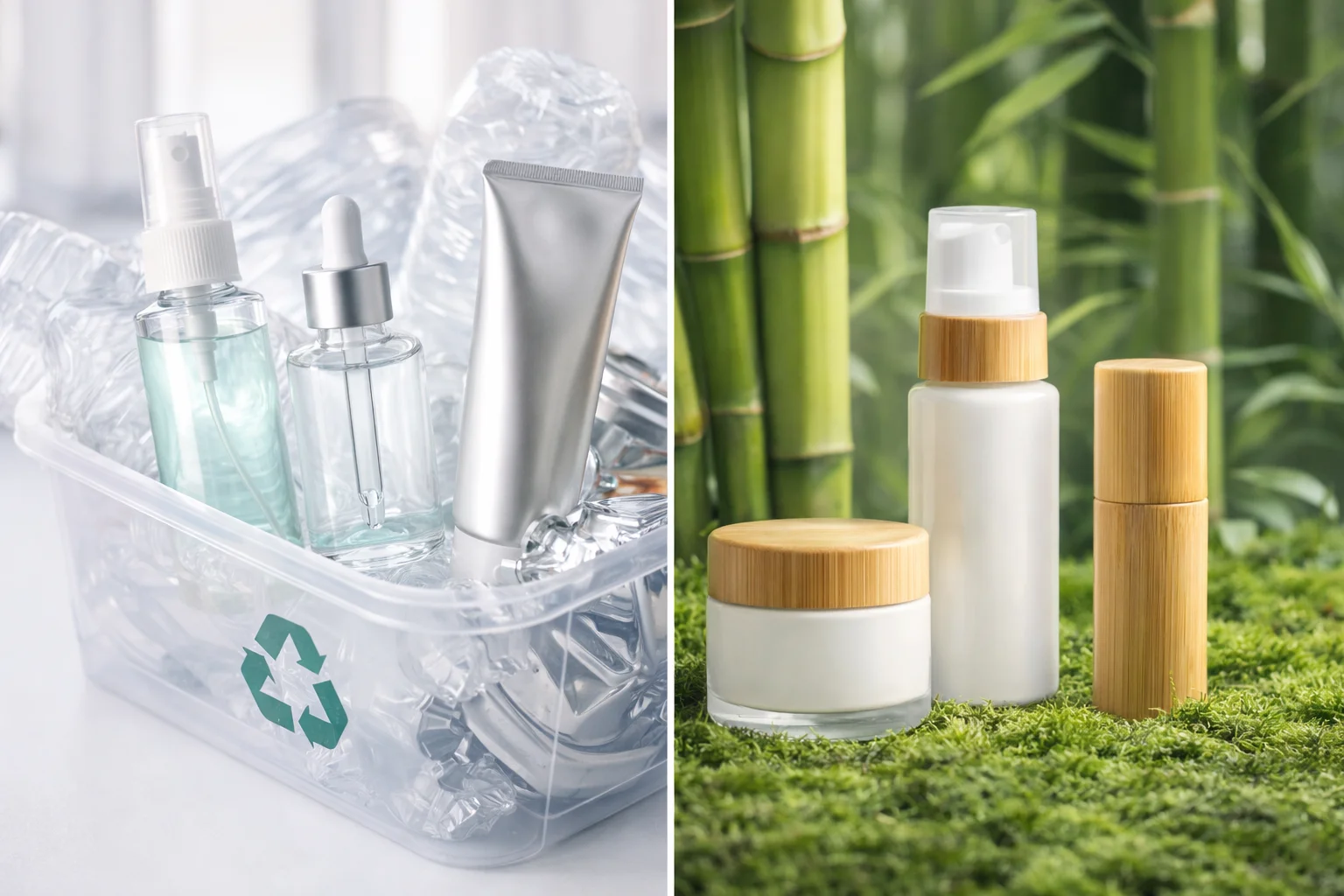
I have to be blunt here: a lot of what is marketed as "green" packaging is a fantasy. The most impactful thing a brand can do is choose a material that is actually, widely recycled. That means mono-material PET, glass, and aluminum. These have established systems in place. Using PCR, or Post-Consumer Recycled, plastic is another huge, practical win. It creates a market for recycled materials. Where brands go wrong is with the marketing gimmicks. For example, "compostable" PLA plastic sounds amazing, but it cannot be composted in a backyard bin and it contaminates the standard plastic recycling stream. Most municipal facilities just send it to the landfill. Another common one is bamboo. You see these beautiful bamboo lids and jars, but they almost always contain a plastic inner liner. This mixed-material item is impossible to recycle. True sustainability is often less glamorous. It's about choosing a simple, recyclable material and using less of it.
| Approach | Practical Action | Common Marketing Trap |
|---|---|---|
| Plastics | Use mono-material PET/PP with PCR content. | "Compostable" or "plant-based" PLA. |
| Natural Look | Use real, recyclable glass or aluminum. | Bamboo or wood shells over plastic liners. |
| Overall Goal | Reduce material weight (light-weighting). | Complex, mixed-material "eco" designs. |
Conclusion
Choosing the right packaging is a technical supply chain[^5] decision, not just a design one. Prioritizing formula compatibility[^7], manufacturing efficiency[^13], and total cost early on is essential for your brand's long-term success.
[^1]: Explore best practices to ensure your cosmetic packaging protects your product and enhances brand reputation.
[^2]: Understanding viscosity helps in selecting the right packaging type for your cosmetic products.
[^3]: Discover how the nature of active ingredients influences packaging decisions for better product stability.
[^4]: Find strategies to avoid leaks and ensure product integrity during use.
[^5]: Explore the importance of supply chain considerations in choosing effective cosmetic packaging.
[^6]: Learn how packaging choices can significantly affect shipping costs and logistics.
[^7]: Learn how to match your product's formula with the right packaging for optimal performance.
[^8]: Learn how the right packaging can enhance customer satisfaction and brand loyalty.
[^9]: Get insights into various packaging types and their best uses for different cosmetic products.
[^10]: Understand the technology behind airless pumps and their benefits for sensitive formulas.
[^11]: Discover the importance of stability testing to ensure product integrity over time.
[^12]: Explore how to assess the total cost of ownership for packaging beyond just unit price.
[^13]: Learn tips to enhance manufacturing efficiency through smart packaging choices.