Your product is amazing, but it gets lost on the shelf. You need packaging that grabs attention. Great creative design1s can make your brand stand out and connect with customers.
The best skincare packaging ideas2 communicate your brand’s value instantly. They use a smart mix of materials, creative design1, and user experience3 to protect the product, attract customers, and build brand loyalty4 from the first glance.
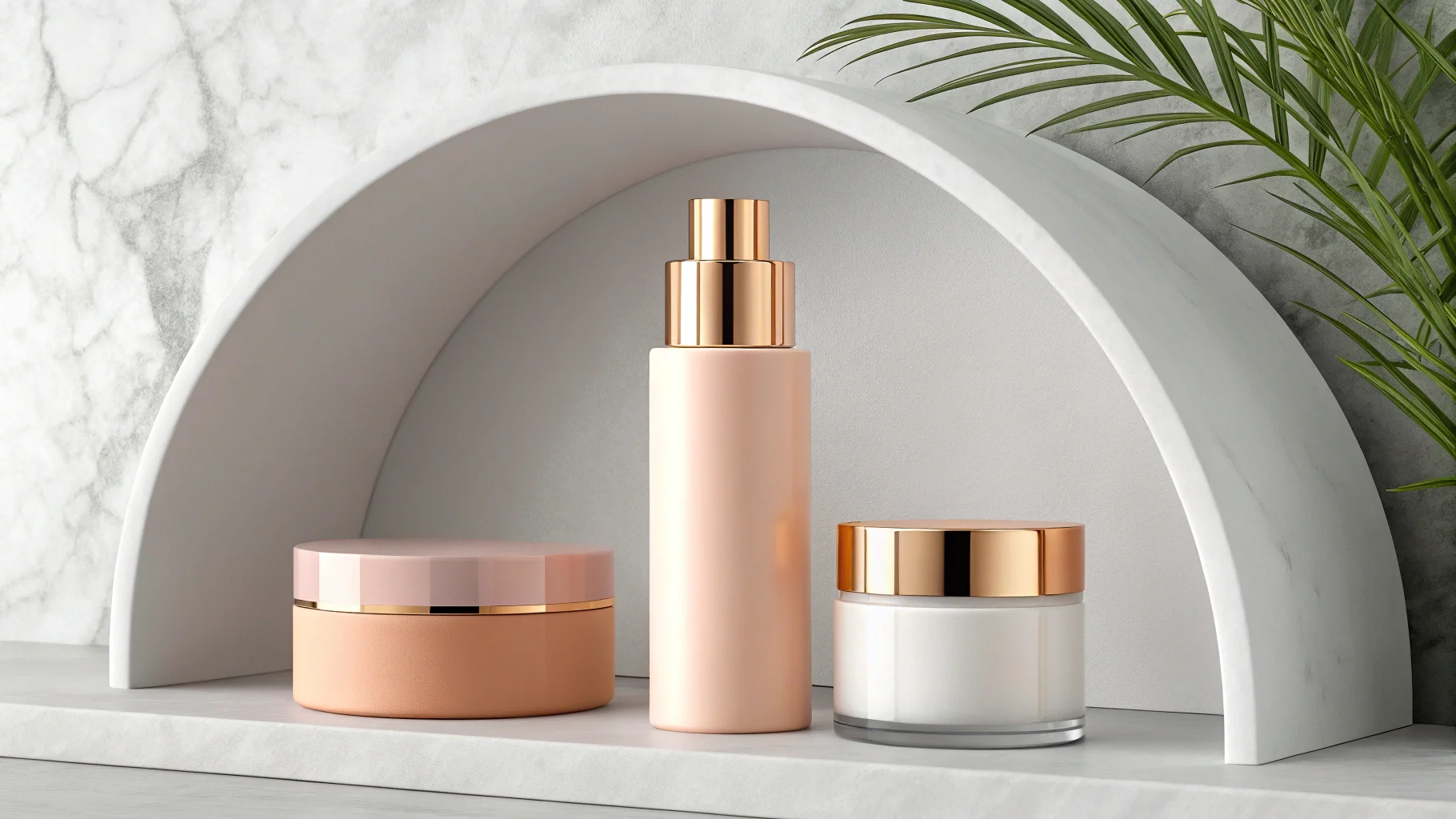
Your packaging is often the first time a customer will physically interact with your brand. It’s so much more than just a box. It’s a chance to tell your story, show off your quality, and create a memorable moment for your customer. Let’s dive into some ideas that can help you do just that, and more importantly, how to actually make them happen.
Why does skincare packaging design matter so much?
You believe your product’s quality is all that counts. But customers judge a book by its cover, and your packaging is your cover. Good design builds trust before they even open it.
Skincare packaging design is your silent salesperson. It communicates brand identity5, quality, and key benefits at a glance. It’s the first touchpoint that differentiates you from competitors on a crowded shelf and builds instant trust with a potential buyer.
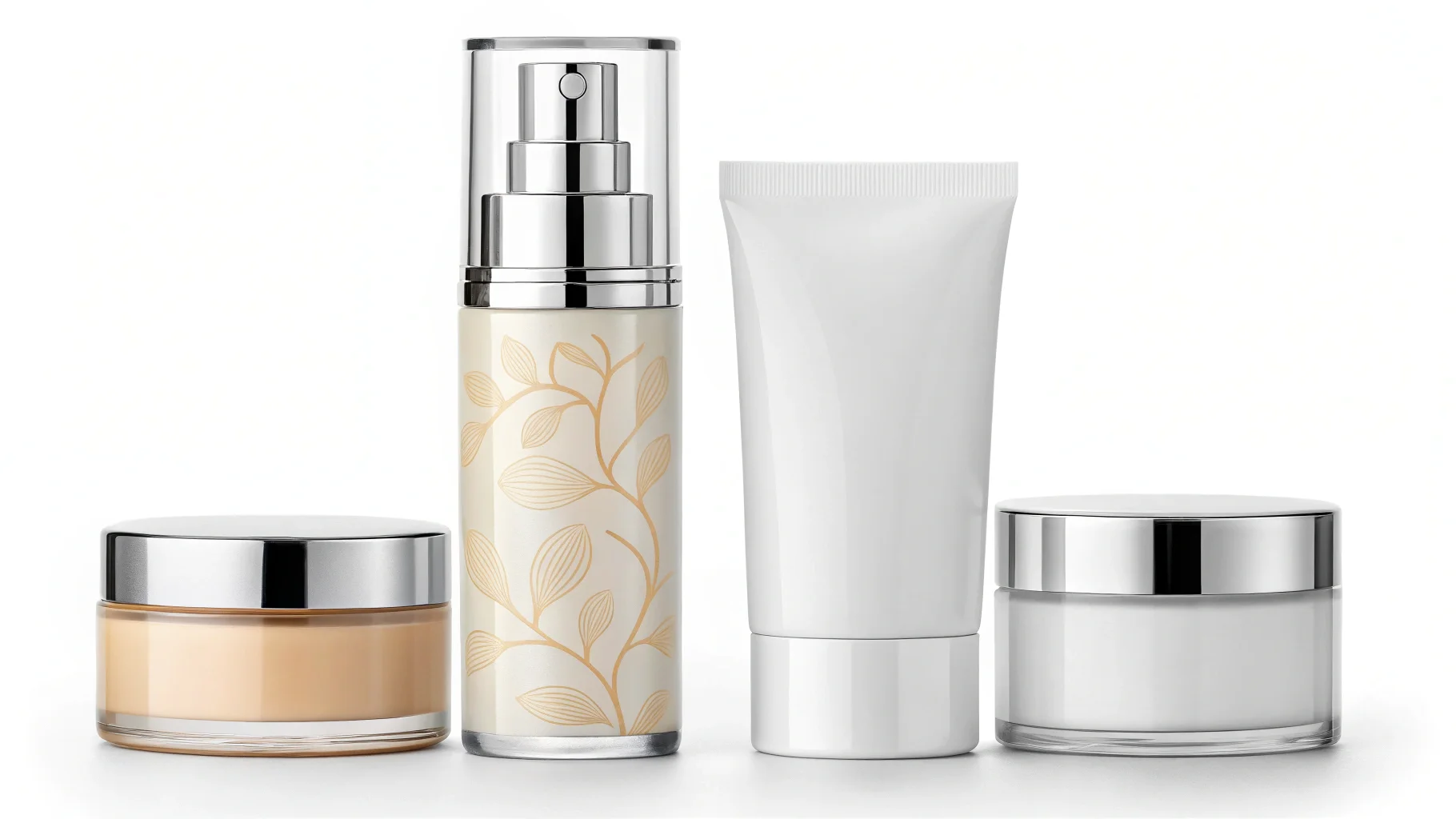
Think about the last time you were in a store. What made you pick up one product over another? It was probably the packaging. This first impression is critical. It sets the customer’s expectation for the product inside. A cheap-looking box suggests a cheap product, while a well-designed, sturdy package suggests quality and effectiveness. This is about more than just looking pretty. It’s about building a connection. The unboxing experience6 is part of your product’s journey. A frustrating box can sour the whole experience. A beautiful, easy-to-open package creates a moment of delight that customers remember and share. Great design isn’t an expense; it’s an investment in your brand’s perception and a key driver of sales.
| Aspect | Impact on Customer |
|---|---|
| First Impression | Creates immediate attraction and curiosity. |
| Brand Storytelling | Communicates values (e.g., natural, clinical, luxury). |
| Perceived Value | Influences how much a customer is willing to pay. |
| User Experience | A great unboxing can lead to social sharing. |
How can you use minimalist & luxury packaging7 ideas?
You want your brand to feel high-end. But adding too many elements can make it look cheap and confusing. The solution is often to do less, not more, for a truly luxurious feel.
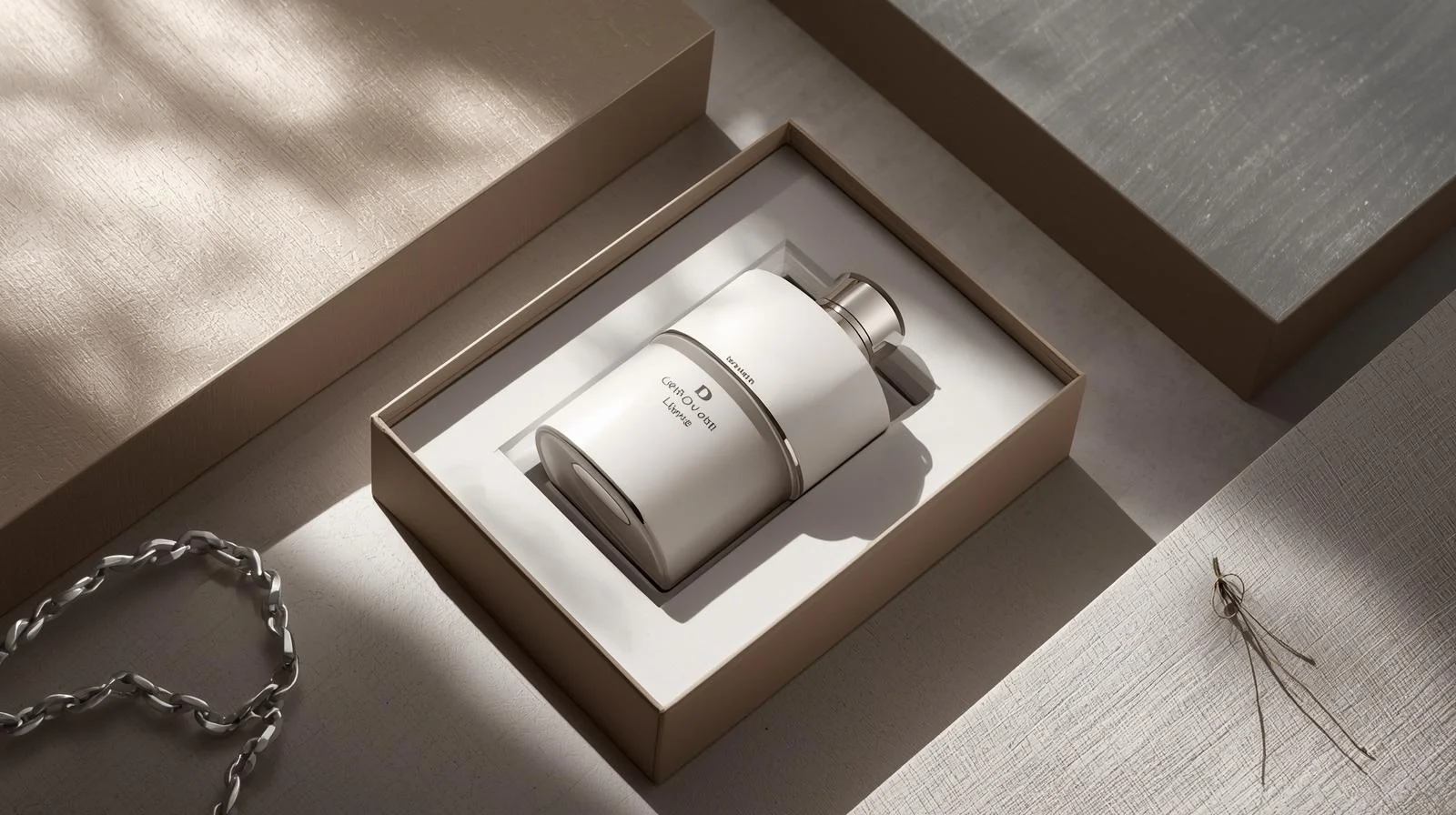
Minimalist and luxury packaging7 focuses on simplicity and quality. It uses clean typography8, lots of negative space, and premium materials. Subtle finishes like embossing or foil stamping are used to convey sophistication without clutter, letting the quality of the product speak for itself.
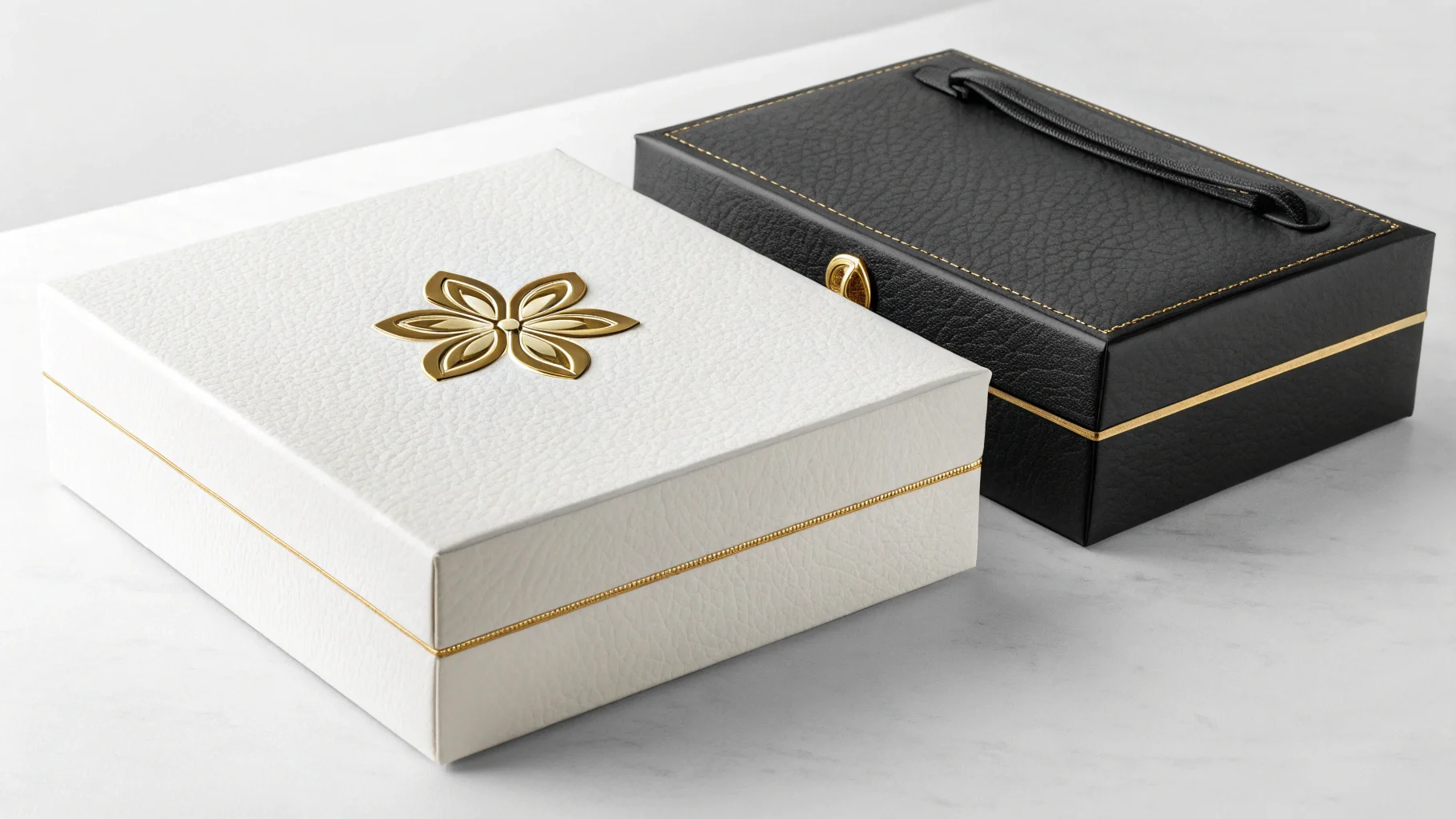
The core idea behind minimalism is "less is more." When I work with brands going for a luxury feel, I always steer them toward simplicity. We focus on the essentials. This means choosing one or two beautiful, easy-to-read fonts. We use a simple color palette, often just black, white, and a single accent color. The magic is in the details. The weight of a glass jar in your hand feels expensive. A soft-touch coating on a box feels special. A small, elegantly placed foil stamp catches the light and draws the eye. These elements work together to create a feeling of calm, confidence, and quality. It tells the customer that you didn’t need to shout to get their attention because you’re confident in your product’s excellence.
| Element | Minimalist Approach | Maximalist Approach |
|---|---|---|
| Color Palette | Monochromatic, neutrals | Bright, multiple colors |
| Typography | Simple, clean sans-serif | Bold, decorative fonts |
| Graphics | Minimal to none | Complex patterns, illustrations |
| Space | Ample "white space" | Filled with information |
What are some great eco-friendly & nature-inspired ideas?
Your customers care about the planet. Using excessive plastic or non-recyclable materials can damage your brand’s reputation. Sustainable packaging shows you share their values and attracts modern buyers.
Eco-friendly packaging uses materials that are recycled, recyclable, biodegradable, or refillable. Think glass, bamboo, aluminum, and post-consumer recycled paper. Nature-inspired designs complement this with earthy color palettes and botanical illustrations to reinforce the brand’s commitment to sustainability9.
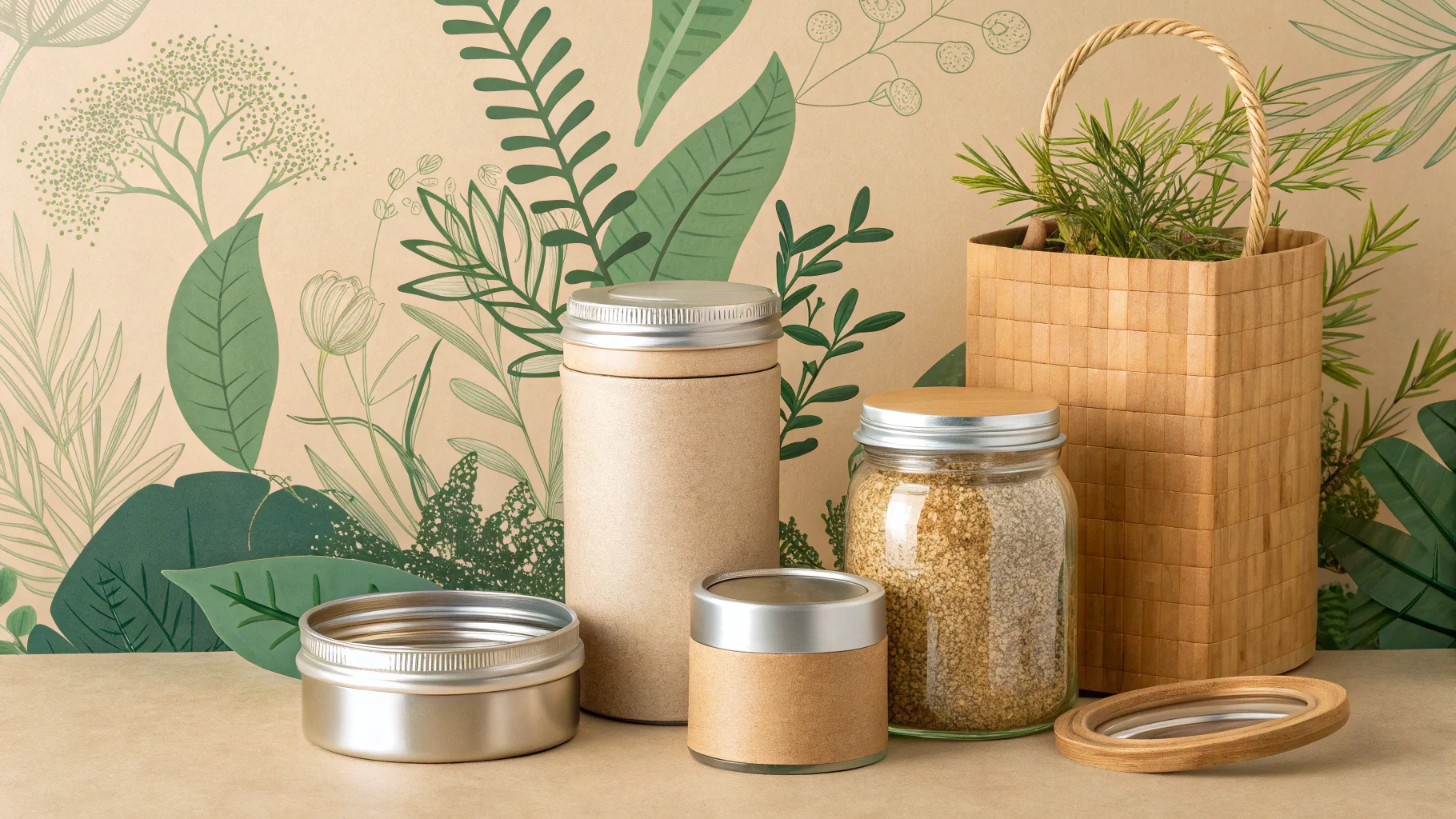
Sustainability is no longer a niche interest; it’s a core value for many consumers. They actively look for brands that are doing their part. This is a huge opportunity to connect with them. I’ve seen brands have huge success by switching to glass bottles, which are infinitely recyclable, or offering refill pouches to reduce waste. Materials like bamboo, mushroom packaging, or even seed paper that can be planted are amazing innovations. The design itself can support this message. Using colors found in nature—like leafy greens, earthy browns, and sky blues—creates an instant connection to the natural world. Simple line drawings of plants or ingredients tell a story about where your product comes from. This approach isn’t just good for the planet; it’s great for building a brand that people feel good about supporting.
How can you use creative shapes10, typography8 & structural design11s?
Your product comes in a standard square box. But so does every other product on the shelf. Using unique shapes and expressive fonts can make your brand impossible to ignore.
Creative structural design11 moves beyond the basic box. Custom shapes, unique die-cuts, and expressive typography8 create a memorable physical object. This makes your product stand out visually and provides a unique tactile experience that customers will remember.
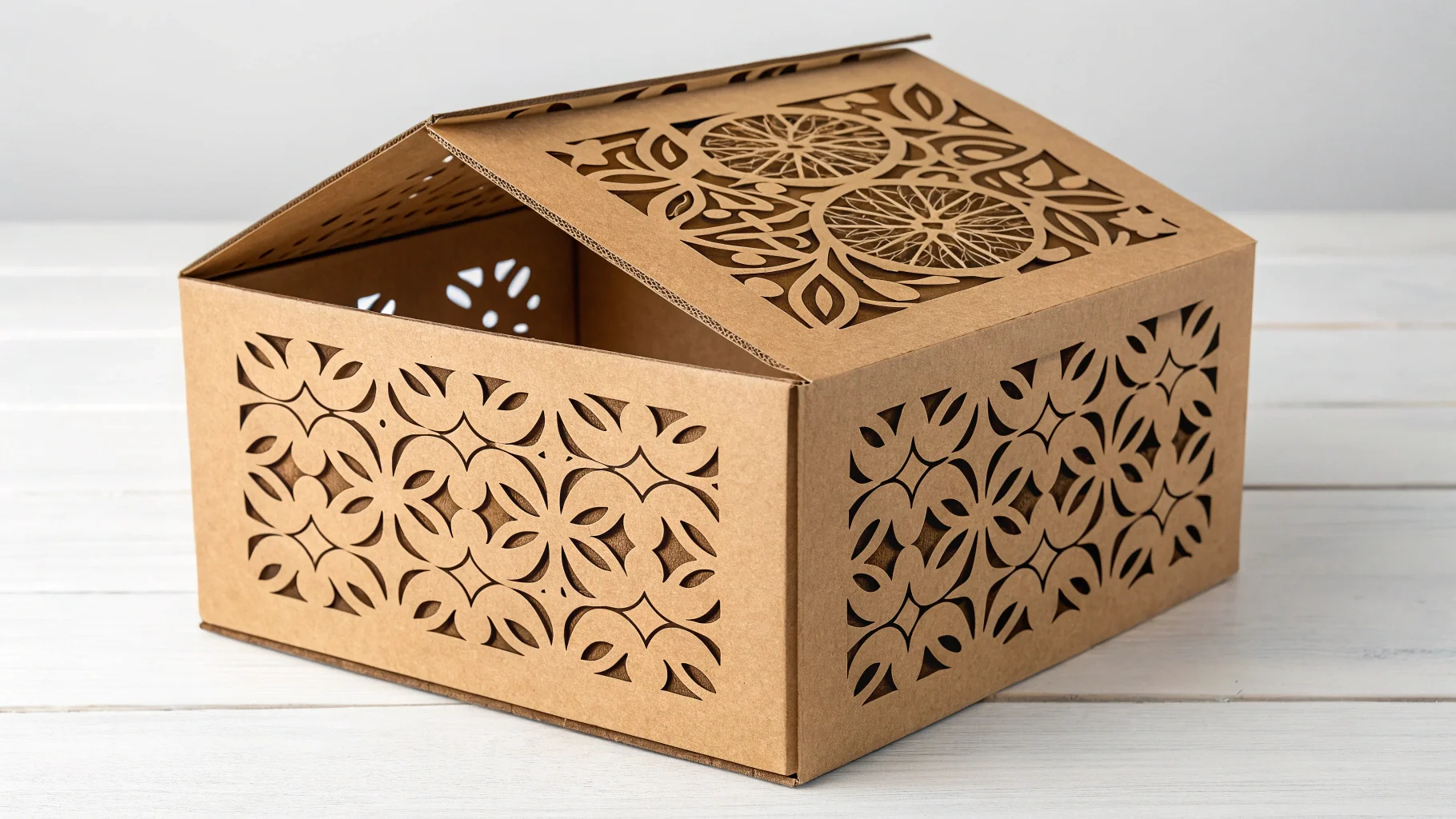
Think of your package as a small sculpture. Why does a perfume bottle come in a unique shape? To be memorable and iconic. You can apply the same thinking to skincare. I once worked with a brand whose hero product was a honey-based serum. We designed the box in a hexagonal shape, like a honeycomb. It was an instant hit. It looked different on the shelf and immediately told the story of the main ingredient. Typography is another powerful tool. A custom font can give your brand a unique personality, whether it’s modern and clean or elegant and handwritten. The structure itself can create an experience. Imagine a box that unfolds like a flower to reveal the product inside. These creative choices make your product more than just a cream or a serum; they make it an experience.
What are the benefits of limited edition & custom packaging12 ideas?
You need to generate buzz for a new launch or a holiday season. Your standard packaging can start to feel predictable over time. Limited edition designs create excitement, urgency, and collectibility.
Limited edition packaging involves creating a special, short-run design for a product. It’s often tied to a season, collaboration, or special event. This strategy creates a sense of exclusivity and urgency, driving immediate sales and boosting brand engagement.
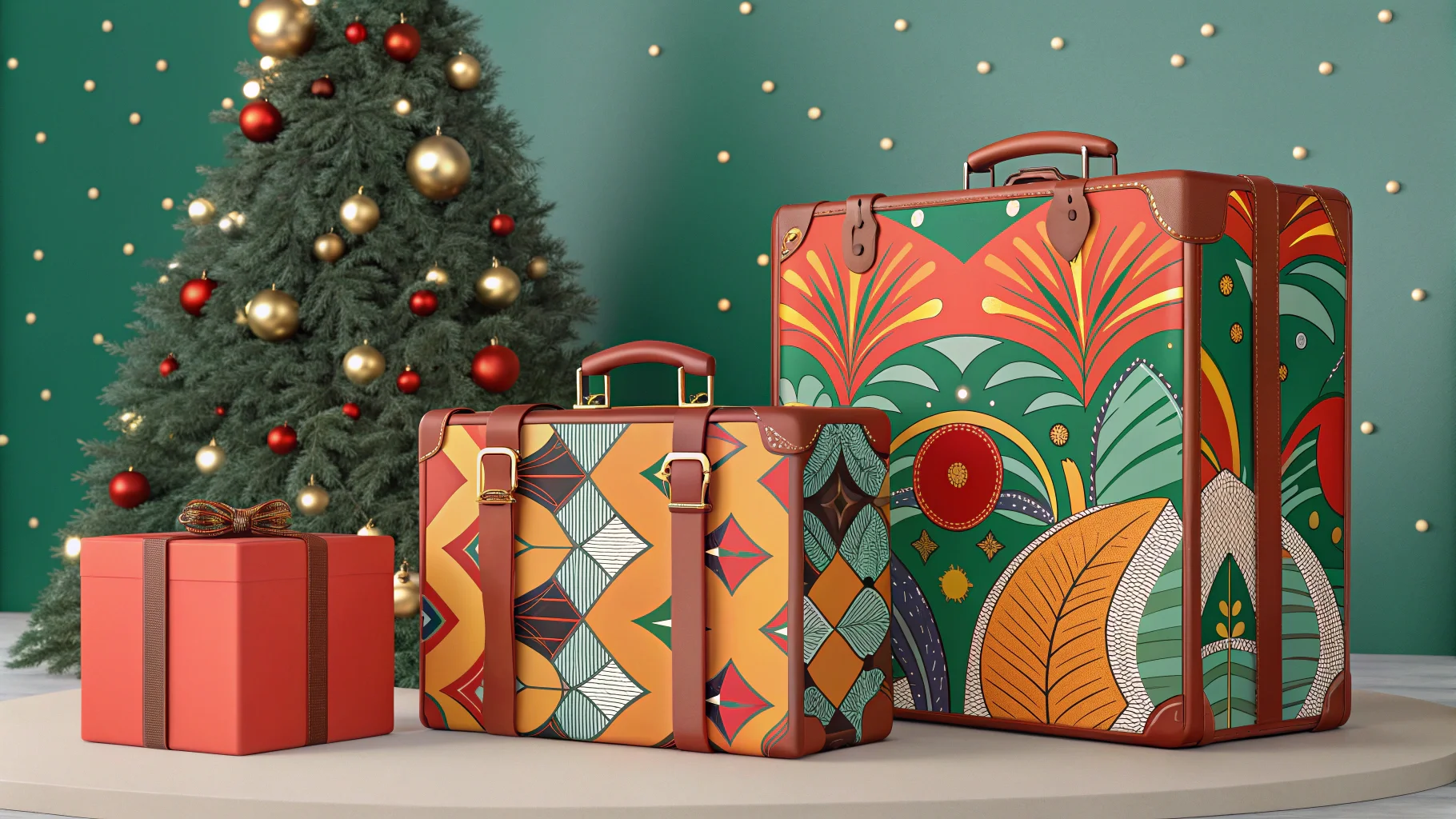
Limited editions are a fantastic way to keep your brand fresh and exciting. They give your loyal customers a reason to buy now, and they can attract new customers who are drawn in by the special design. I worked with a client on a spring collection, and we collaborated with a local artist to create a beautiful cherry blossom illustration for the boxes. It was only available for two months. People went crazy for it because it was unique and they knew it wouldn’t be around forever. This is also a great way to test out new design ideas without committing to a full rebrand. You can try a bolder color palette or a new finish. If customers love it, you can think about incorporating it into your main line. It’s a low-risk, high-reward way to play with your brand’s look and feel.
How do materials & finishes enhance packaging ideas?
Your design looks incredible on your computer screen. But when the samples arrive, the box feels flimsy and cheap. The right materials and finishes13 are what make a design feel as good as it looks.
The choice of paper, glass, or plastic and the finishes applied to them directly impact the customer’s perception of quality. Finishes like a soft-touch laminate, spot UV, embossing, or foil stamping add a tactile dimension that makes the packaging feel premium.
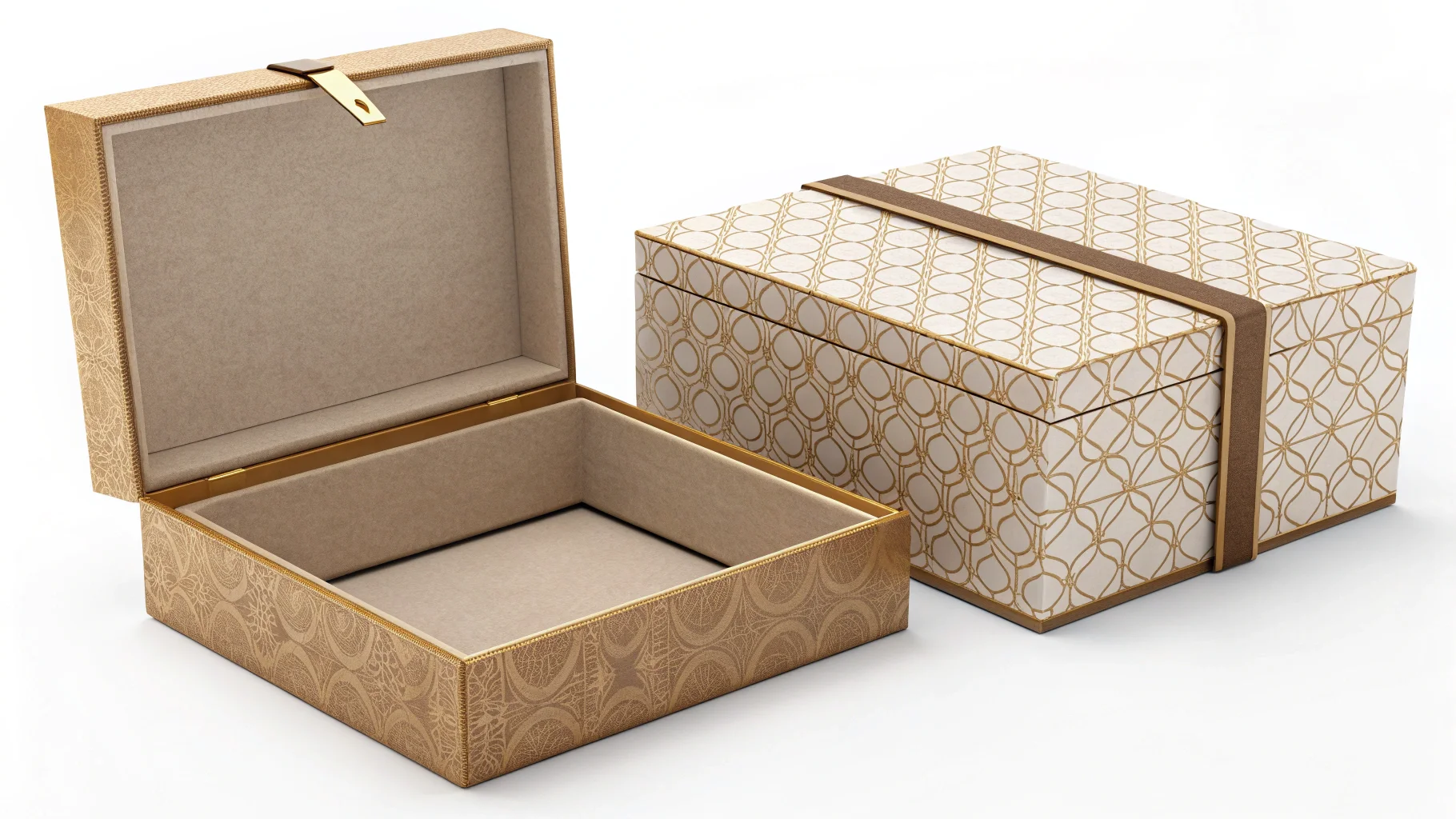
This is where the magic really happens. The feel of the package is just as important as the look. When a customer picks up your box, what do they experience? A soft-touch laminate gives paper a velvety, luxurious feel. A spot UV finish adds a high-gloss, slightly raised layer to a specific area, like your logo, making it pop. Embossing or debossing presses a design into the paper, giving it a three-dimensional texture that invites touch. I always tell my clients to invest in good paper stock. A heavier, sturdier paper instantly communicates quality. These details might seem small, but they add up to create a powerful impression. They show that you cared about every last detail, which suggests you do the same for the product inside.
| Finish | Description | Perceived Value |
|---|---|---|
| Soft-Touch Laminate | A matte finish with a velvety, soft texture. | Luxurious, Modern |
| Spot UV | A high-gloss coating applied to specific areas. | Eye-catching, Premium |
| Embossing/Debossing | A raised or recessed impression of a design. | Elegant, Tactile |
| Foil Stamping | A metallic foil applied with heat and pressure. | High-end, Classic |
What are the common packaging mistakes14 to avoid?
You have a brilliant design concept ready to go. But a single oversight in the design process could derail the entire launch. Knowing the common pitfalls helps ensure your packaging is a success.
Common mistakes include over-cluttering the design with too much information, using fonts that are hard to read, ignoring sustainability9, creating packaging that’s difficult to open, and most importantly, designing without considering production realities.
I’ve seen these mistakes happen time and time again. It’s easy to get carried away with a creative idea and forget the practical side of things. Here are a few key things to watch out for:
- Too Much Information: Don’t try to say everything on the front of the box. Keep it clean. Focus on the brand name, product name, and one key benefit. The rest can go on the back.
- Poor Font Choice: A beautiful script font might look great, but if nobody can read the product name or ingredients, it’s a failure. Legibility is always the number one priority.
- The Unboxing Fail: Have you ever struggled to open a package? It’s frustrating. Make sure your packaging is intuitive and easy to open. A good experience makes people want to buy again.
- Ignoring the Real World: Does your bottle stand up straight? Does the box stack easily on a retail shelf? Forgetting these practical details can create major problems for you and your retailers.
How do you turn packaging ideas into scalable production15?
You’ve designed a stunning, unique package. But when you send it to a manufacturer, they tell you it’s too expensive or impossible to produce at scale. The solution is simple: talk to them first.
Great packaging ideas are only successful if they can be produced effectively. You must collaborate with your manufacturing partner early in the design process. This ensures materials, finishes, and structural design11s are scalable, affordable, and available, preventing costly redesigns and delays.

This is the most important lesson I have learned in my career. Your creative vision must be connected to production reality from day one. I remember a client who designed a complex box that required hand-folding. It looked amazing for the 100 units they made for a photoshoot. But when they needed 10,000, the cost and time were a nightmare. We had to go back to the drawing board, which wasted weeks of time and thousands of dollars. Now, I insist on bringing a manufacturer into the conversation at the very beginning. We can ask them: Is this paper stock readily available? Can your machines handle this type of fold? Is this custom bottle shape going to double our costs? Aligning your creative ideas with production capabilities from the start is the secret to turning a beautiful concept into a successful, high-quality product.
Conclusion
Creative packaging can transform your brand. But success comes from balancing beautiful ideas with practical, scalable production15 right from the start. This ensures your vision becomes a reality.
-
Learn how creative design can enhance your product’s appeal and connect with customers effectively. ↩ ↩
-
Explore innovative packaging ideas that can elevate your skincare brand and attract more customers. ↩
-
Understand the significance of user experience in packaging and how it affects customer satisfaction. ↩
-
Discover how effective packaging can foster brand loyalty and encourage repeat purchases. ↩
-
Explore how effective packaging can convey your brand’s identity and values at a glance. ↩
-
Learn how to create a memorable unboxing experience that delights customers. ↩
-
Explore the elements that make packaging feel luxurious and appealing to high-end consumers. ↩ ↩
-
Understand the role of typography in creating a memorable and effective packaging design. ↩ ↩ ↩
-
Discover the growing importance of sustainability in packaging and its impact on consumer choices. ↩ ↩
-
Explore unique packaging shapes that can make your product stand out on the shelf. ↩
-
Learn how structural design can enhance the functionality and appeal of your product packaging. ↩ ↩ ↩
-
Explore the advantages of custom packaging in attracting and retaining customers. ↩
-
Learn about the impact of materials and finishes on the perceived quality of your packaging. ↩
-
Identify common pitfalls in packaging design to ensure your product stands out for the right reasons. ↩
-
Understand the importance of aligning design with production capabilities for successful packaging. ↩ ↩