The skincare market is flooded with products. Standing out feels impossible. A strong, thoughtful brand is the only way to capture attention and win over loyal customers for life.
To build a strong skincare brand1, you must combine a unique brand story2 with a memorable visual identity3 and a tactile packaging experience4. This creates an emotional connection5 that cuts through the market noise and builds lasting customer trust6.
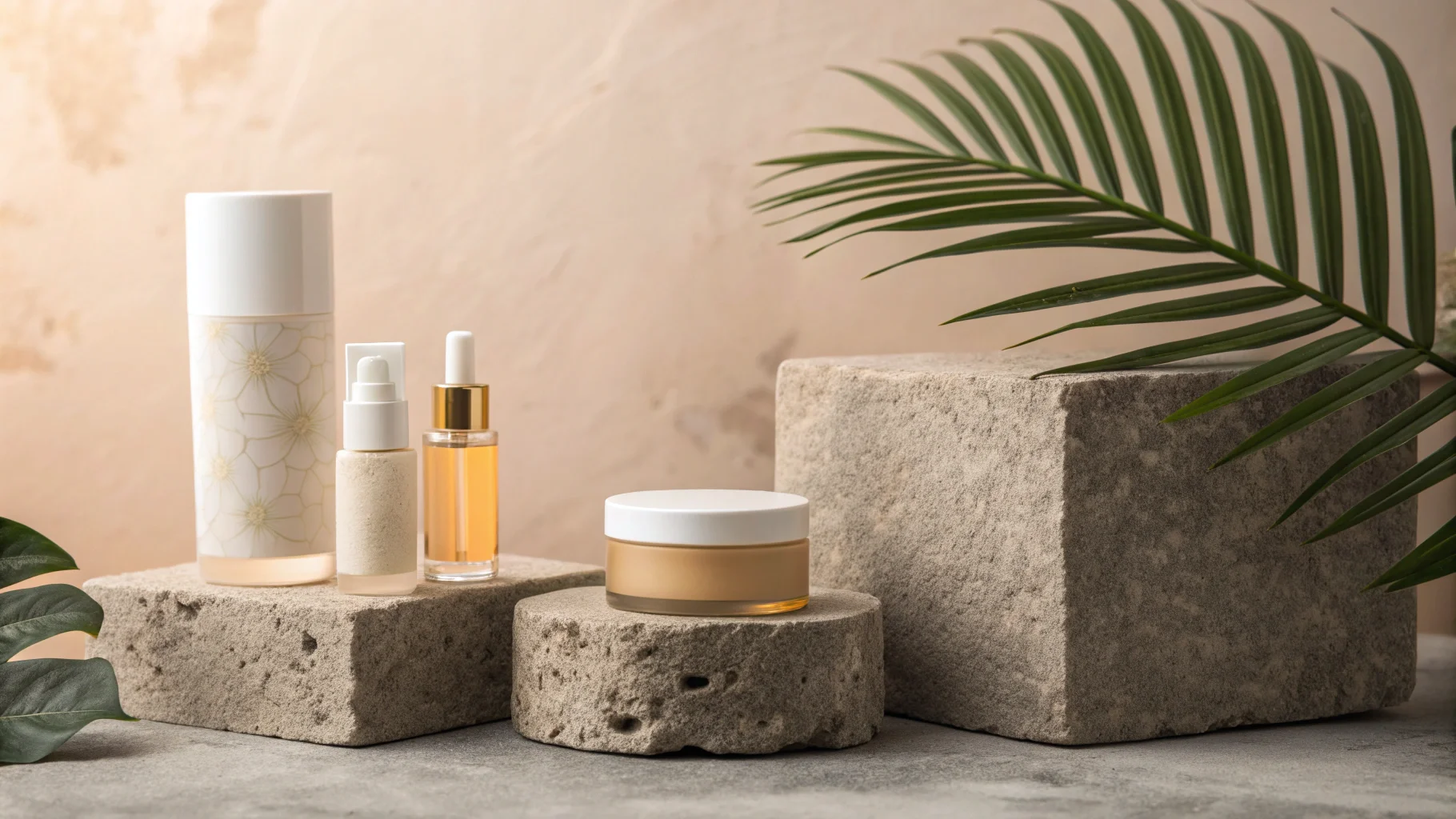
Building a brand that people remember is a huge challenge. I’ve seen so many companies with amazing formulas fail because their brand just didn’t connect with people. They missed the most important step. It’s not just about a pretty logo or a nice color. It’s about creating a complete world that your customer wants to be a part of. We need to break down how to build that world, piece by piece, starting with the basics. Let’s get into what really makes a skincare brand1 work.
What Is Skincare Branding?
You think branding is just about your logo. But a logo alone won’t convince anyone to buy your product. Real branding is your brand’s entire personality, from start to finish.
Skincare branding is the complete story and experience you create for your customers. It includes your mission, your voice, your visual design, and your packaging. It’s how customers feel about your products before, during, and after they use them.
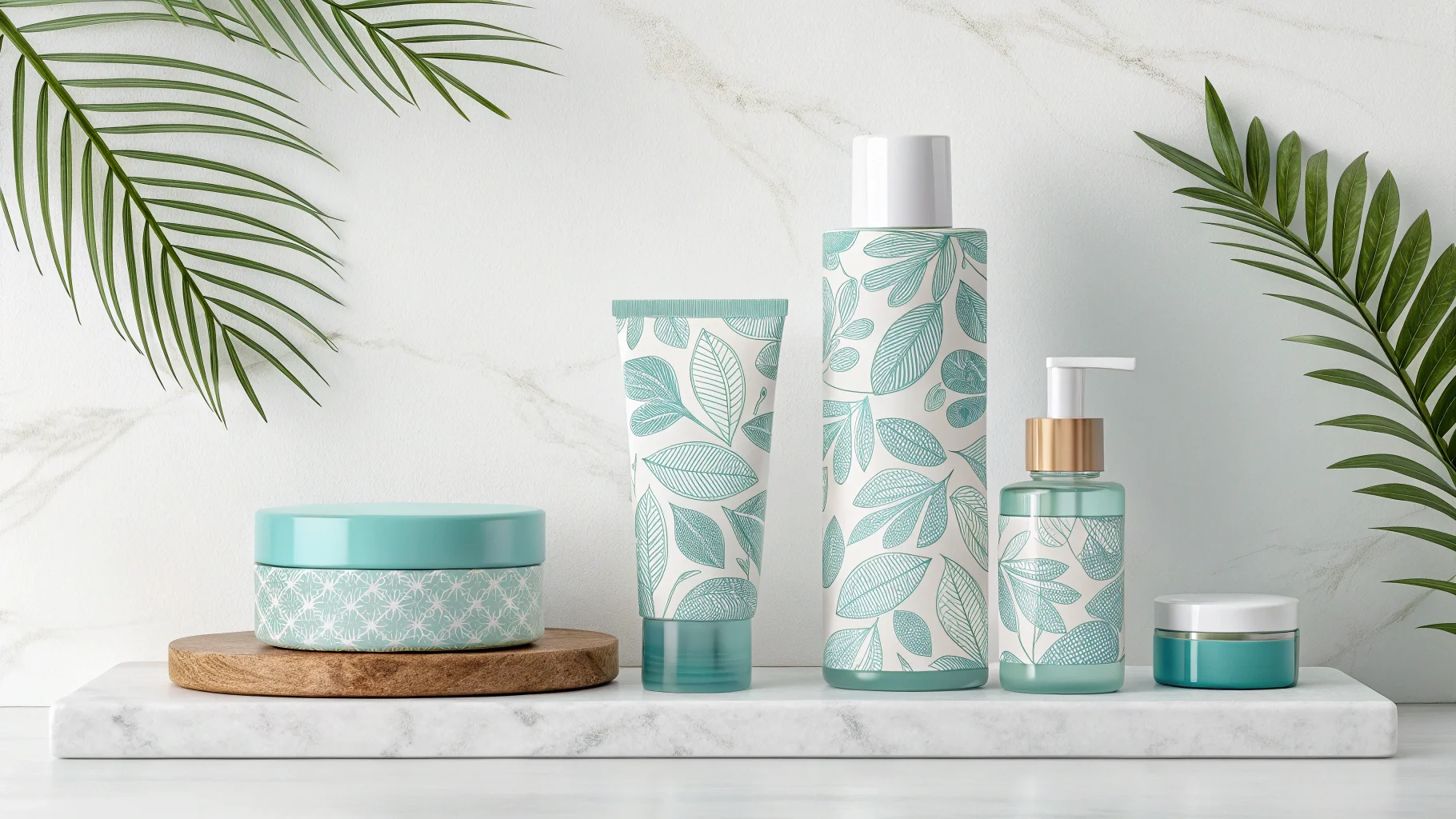
When I first started, I also thought a cool name and logo were 90% of the job. I was wrong. Branding is every single touchpoint a customer has with you. It’s the feeling they get from your Instagram posts. It’s the words you use in your product descriptions. Most importantly, it’s the physical experience of holding your product in their hands. A brand promise7 of "natural purity" feels fake if the product arrives in a cheap plastic bottle. The physical product must deliver on the brand’s promise.
Beyond the Logo
Your logo is a shortcut to your brand, but it isn’t the brand itself. The real brand is the collection of ideas and feelings people have when they see that logo. It is built from:
- Your Mission: Why does your brand exist beyond making money?
- Your Voice: How do you talk to your customers? Are you clinical and scientific, or warm and friendly?
- Your Story: What is the narrative behind your products?
The Feeling You Create
Ultimately, branding is about emotion. How do you want people to feel when they use your serum or moisturizer? Relaxed? Empowered? Clean? Every branding decision, especially with packaging, should support that feeling.
| Element | Description |
|---|---|
| Name & Tagline | The first introduction to your brand’s identity. |
| Color Palette | Sets the mood and emotional tone instantly. |
| Typography | The fonts you choose say a lot about your personality. |
| Packaging | The physical handshake with your customer. |
Why Does Skincare Branding Matter in Today’s Market?
Endless rows of skincare products all start to look the same. Customers get overwhelmed and just pick the cheapest option. Strong branding makes you the only real choice for them.
In a crowded market, branding is your biggest differentiator. It builds trust, creates customer loyalty8, and allows you to charge a premium price. It’s how you turn a one-time buyer into a lifelong fan who tells all their friends about you.
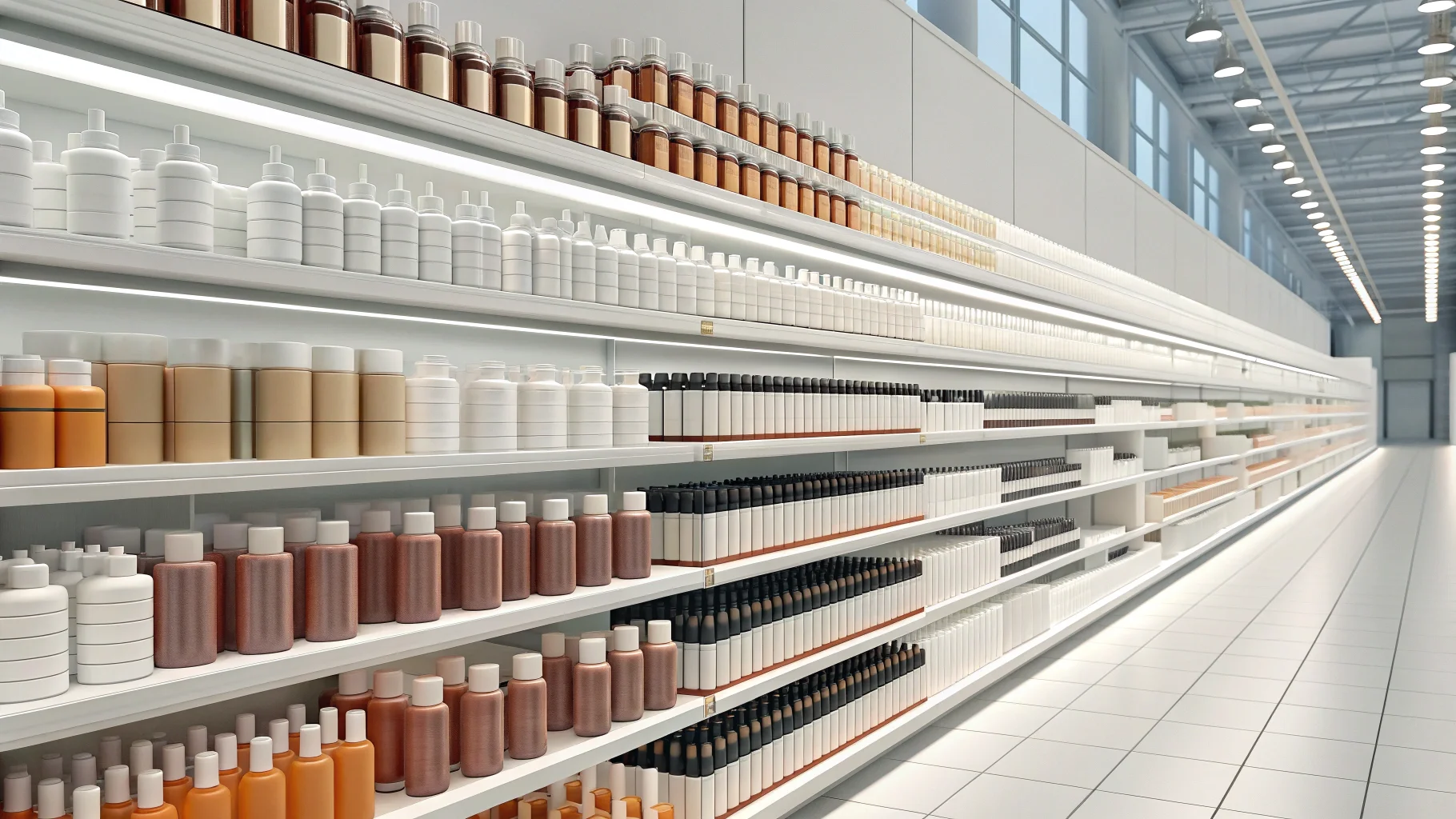
The beauty industry is full of "dupes" and copycat products. Anyone can try to replicate a formula. But they can’t replicate your brand. A brand is the unique connection you have with your audience. I once worked with a client who had a fantastic vitamin C serum, but it was in a generic bottle with a simple label. It sat on shelves. We didn’t change the formula. We changed the brand story and the packaging to reflect "a daily dose of sunshine." We used a bright, warm yellow and a soft-touch box. Sales tripled. The branding made people feel the benefit before they even opened the box. That feeling is your defense against competition. It builds a moat around your business that no one else can cross.
Standing Out in a Crowd
Your brand is a visual and emotional shortcut. In a split second, a customer can see your product on a shelf and know what it stands for. This is a massive advantage when they are scrolling online or rushing through a store.
Building Customer Trust
A consistent, professional brand signals that you are a serious business. It shows you care about quality in every detail, not just the liquid inside the bottle. This subconscious trust is what convinces a customer to try you for the first time.
| Benefit of Strong Branding | Why It Matters |
|---|---|
| Differentiation | Helps you get noticed in a saturated market. |
| Customer Loyalty | Creates an emotional bond that encourages repeat purchases. |
| Price Premium | A strong brand can justify a higher price point. |
| Trust & Credibility | Makes your products seem more effective and reliable. |
What are the Key Elements of Successful Skincare Branding?
You know you need a brand, but you don’t know where to start. The whole process can feel like a huge, confusing task. The best way to begin is to focus on these core elements first.
Successful skincare brand1ing combines a clear brand story, a defined target audience9, a unique visual identity3, a consistent tone of voice, and memorable packaging. All these elements must work together perfectly to create a single, clear message.

These elements are not a checklist you complete once. They are a system where every part affects the others. I’ve seen brands with a beautiful visual identity3 but a confusing brand story. It doesn’t work. For example, if your story is about "calm, minimalist, and gentle" ingredients, your packaging shouldn’t be loud and glossy with sharp fonts. Every choice must support the core message. The most successful brands are the ones where the story, the look, and the physical feel of the product are in perfect harmony. This is where manufacturing becomes a creative partner. The materials you choose for your packaging are just as important as the colors you pick. They all tell the same story.
Your Brand Story and Audience
Before you design anything, you need to know who you are and who you’re talking to.
- Story: What is your origin? What problem are you solving?
- Audience: Who is your ideal customer? What do they care about? What are their values?
Visuals and Voice
This is how your story and audience understanding become real.
- Visual Identity: Your logo, color palette, and fonts. This is your brand’s face.
- Tone of Voice: The words you use on your website, social media, and packaging. This is your brand’s personality.
- Packaging: The house your product lives in. It’s a 3D expression of your entire brand.
How Do Skincare Branding Styles Like Organic vs Luxury Differ?
You’re not sure what your brand should look or feel like. Choosing the wrong style can attract the wrong customers, send a confusing message, and hurt your sales from the start.
Organic branding typically uses earthy tones, simple fonts, and eco-friendly materials to communicate naturalness and simplicity. In contrast, luxury branding10 often uses a minimalist design, premium finishes like foil stamping, and heavy materials like glass to convey exclusivity and high quality.
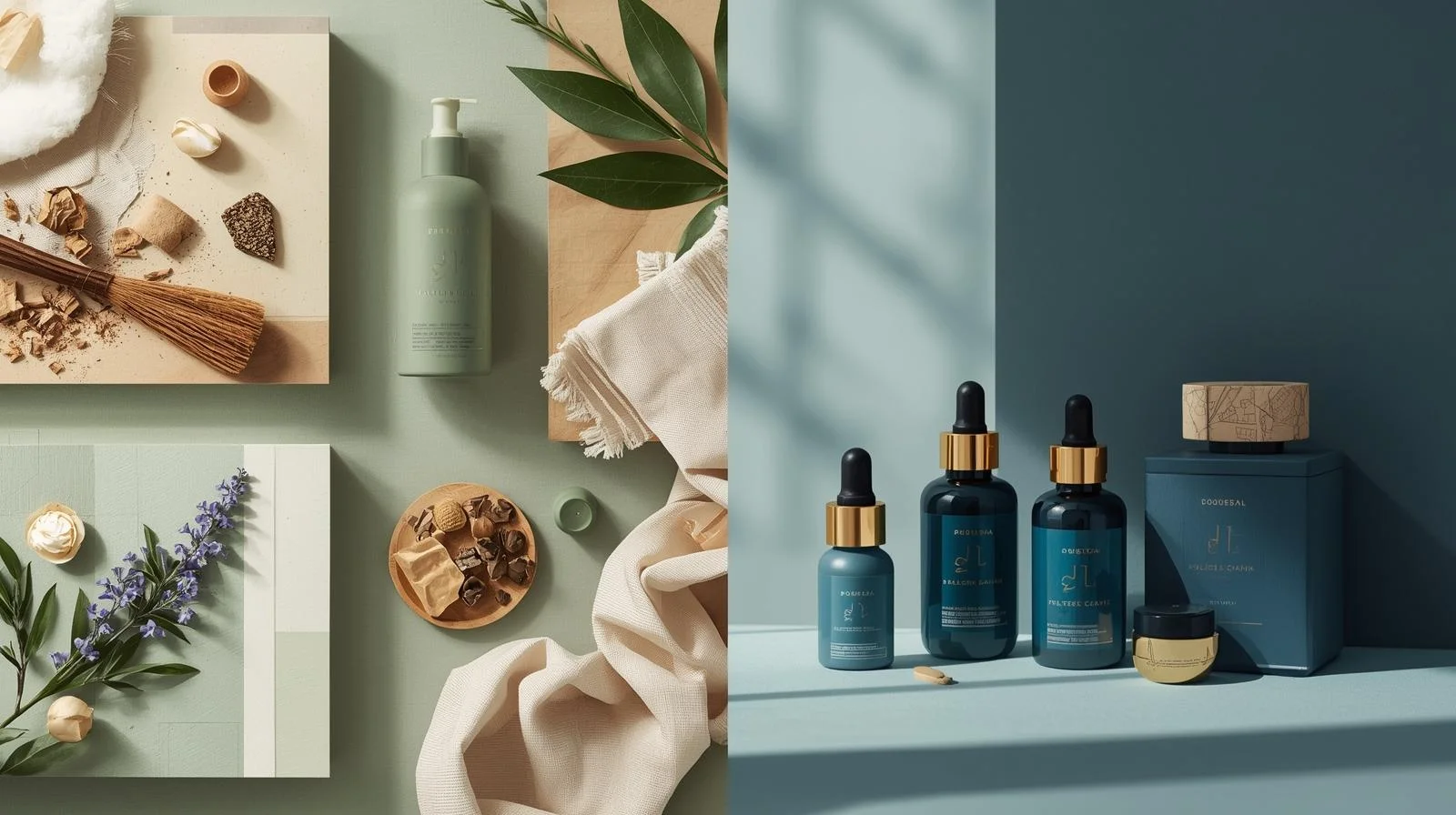
The choice between these styles has huge practical consequences. I had a client who wanted a "luxury organic" feel. They designed a beautiful box with an intricate, earthy pattern to be printed on thick, recycled kraft paper. But in production, we found that the recycled paper was too fibrous to hold the fine details of the print. The design and the material were fighting each other. We had to simplify the design to make it work. This is a classic example of why design decisions can’t be made in a bubble. The style you choose directly impacts your material selection and manufacturing process. You have to think about production from day one.
The Look and Feel of Organic
This style is all about connecting with nature. The branding feels grounded, honest, and often has a slightly rustic or handmade quality. The focus is on transparency and the goodness of the ingredients.
The Cues of Luxury
Luxury is about experience and status. The branding is often minimal to signal confidence. It feels substantial, exclusive, and highly curated. The focus is on performance, elegance, and the feeling of indulgence.
| Feature | Organic Style | Luxury Style |
|---|---|---|
| Color Palette | Earth tones: greens, browns, creams | Monochromatic: black, white, gold, silver |
| Typography | Simple, often sans-serif or serif fonts | Elegant, custom, or very clean fonts |
| Materials | Recycled paper, glass, bamboo | Heavy glass, acrylic, metal accents |
| Finishes | Matte, uncoated, raw textures | Gold foil, embossing, soft-touch varnish |
| Messaging | "Natural," "Pure," "Sustainably Sourced" | "Advanced," "Exclusive," "Transformative" |
How Important are Visual Identity & Packaging Design in Skincare Branding?
Your product formula is amazing and you know it works. But if the packaging is plain or unappealing, no one will ever pick it up from the shelf to find out. Your packaging is your silent salesperson.
Visual identity and packaging design11 are critically important. Packaging is often the first physical interaction a customer has with your brand. A strong, consistent visual identity3 ensures people recognize your brand everywhere, from a store shelf to a social media ad.
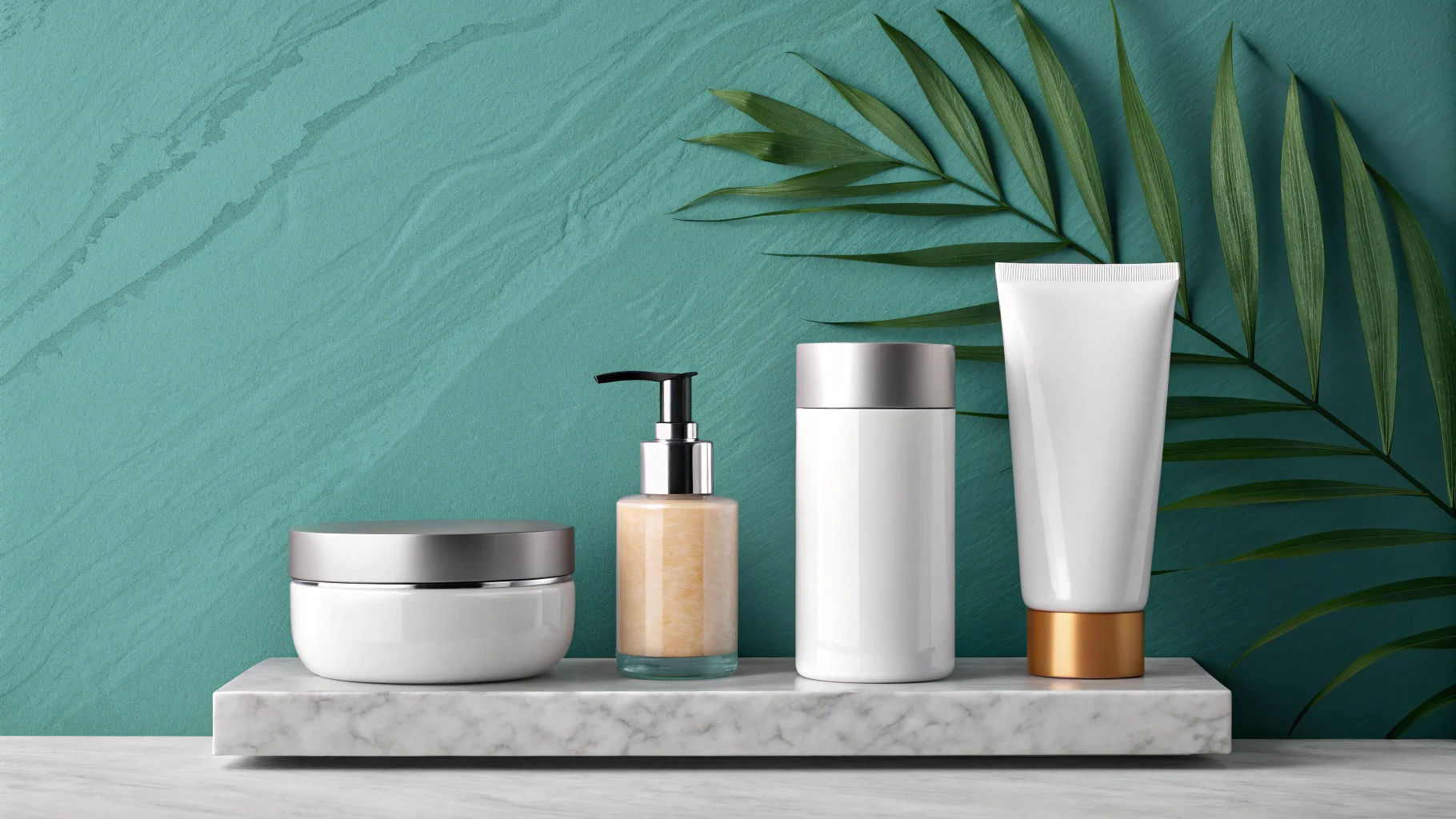
Think about the last time you were in a store. What made you pick up a product you’d never seen before? It was probably the design. The packaging does so much work. It has to grab attention, communicate what the product does, and convey the brand’s entire personality in just a few seconds. I remember seeing a brand that used a very simple, clinical-looking design. The box felt heavy and the bottle inside was dark glass. It immediately told me "this is serious, effective skincare." This impression was created long before I even read the ingredient list. But this effect is ruined if the execution is poor. A beautiful design on a computer screen means nothing if the print looks blurry or the box feels flimsy in real life. The quality of the production has to match the quality of the design.
The Shelf-Appeal Factor
In a physical or digital store, your product has seconds to make an impression. A unique shape, a bold color, or an interesting texture can be the difference between being seen and being ignored.
Creating a Cohesive Look
Your visual identity3 must be consistent everywhere. The logo on your box should be the same as the one on your website. The colors on your Instagram should match the colors on your bottles. This consistency builds recognition and makes your brand look professional and trustworthy.
How Do Packaging Materials & Finishes Influence Brand Perception?
You say you want your brand to feel premium and high-end. But you chose a cheap, flimsy box for your product. Now your brand just feels cheap, no matter what your marketing says.
Materials and finishes create a powerful tactile experience that communicates brand value without words. Heavy glass feels luxurious. A matte finish feels modern and sophisticated. Recycled cardboard feels eco-conscious. These choices subconsciously tell your customer who you are.
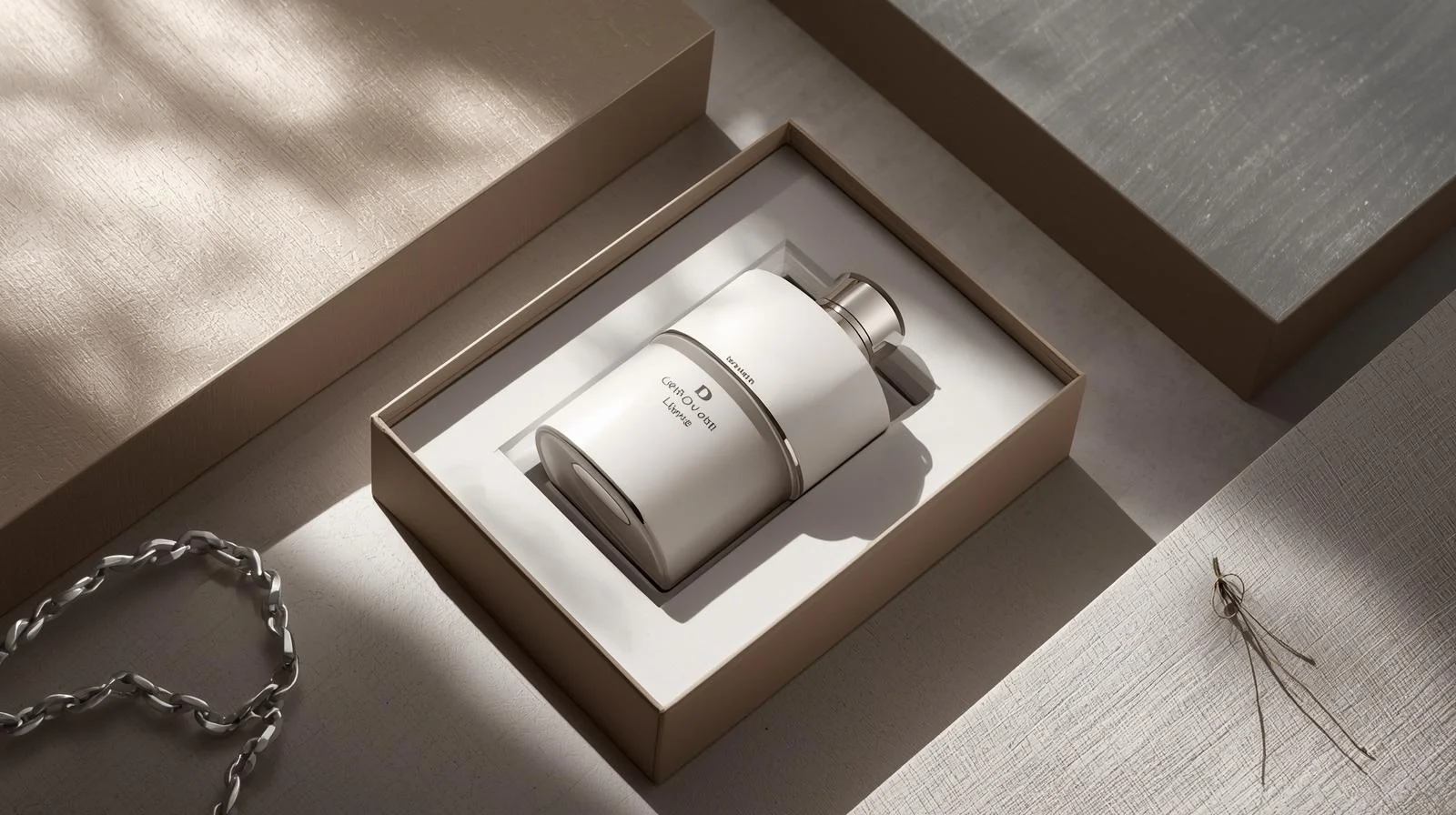
This is where brand vision meets reality. I believe strong skincare brand1ing is not defined by design alone, but by how well that design survives real-world production. A designer can create a beautiful rendering of a box with a perfect gold foil logo. But if you choose a supplier who uses a cheap foil that flakes off, or a paper that tears easily, you have destroyed your brand’s premium perception12. The material is the message. Every decision, from the weight of the paper to the type of varnish used, has a huge impact. This is why the most successful brands align their creative vision with supply chain realities from the very beginning.
What Your Materials Say About You
The material is the first thing a customer touches. Its weight, temperature, and texture send instant signals.
- Glass: Suggests quality, purity, and preservation. It feels premium and sustainable.
- Plastic: Can be practical and affordable. PCR (post-consumer recycled) plastic can signal eco-consciousness.
- Aluminum: Feels modern, sleek, and is infinitely recyclable.
- Paper/Cardboard: Can feel natural and earthy, especially if uncoated or recycled.
The Power of the Finish
A finish is applied to the material to change its look and feel.
- Matte: Feels modern, understated, and sophisticated.
- Gloss: Looks clean, vibrant, and high-energy.
- Soft-Touch: A velvety feel that instantly signals luxury.
- Foil Stamping/Embossing: Adds texture and a premium, decorative element.
What are the Common Skincare Branding Mistakes to Avoid?
You have spent a lot of time and money on your branding. But something is still not working, and you’re not getting the sales you expected. You might be making one of these common mistakes.
Common mistakes include being inconsistent across platforms, copying trends instead of being unique, not truly understanding your target audience9, and creating a beautiful design that is impossible or far too expensive to produce at scale.
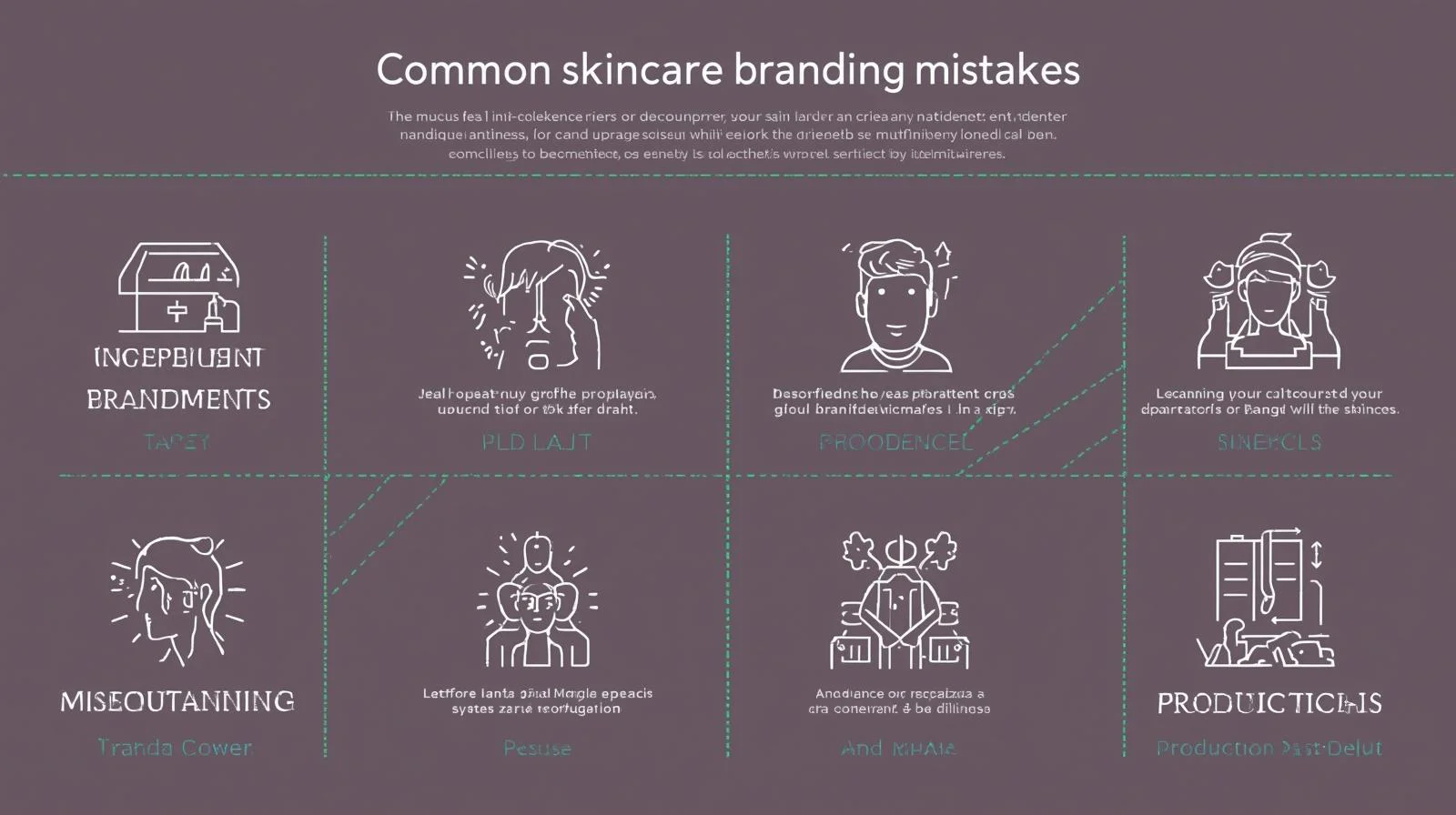
The biggest mistake I see, time and time again, is designing in a vacuum. A brand owner and a designer will create this perfect, beautiful vision on a computer. They fall in love with it. Then they take it to a manufacturer, who tells them it will cost a fortune, take six months to produce, or that the colors are impossible to match on the chosen material. This is heartbreaking and expensive. It leads to costly redesigns, launch delays, and huge compromises that dilute the brand. Brands that involve their packaging suppliers early in the creative process always win. They avoid these problems because their design is grounded in the reality of production from day one.
The Inconsistency Trap
Your brand must look and sound the same everywhere. If your website is minimalist and your Instagram is colorful and chaotic, you will confuse your customers. Confused customers don’t buy.
Designing in a Vacuum
Here are some common branding mistakes to avoid:
- Ignoring Your Audience: Creating a brand you love, but your target customer doesn’t connect with.
- Being a Trend-Chaser: Your brand will look dated as soon as the trend passes.
- Creating Production Nightmares: Designing complex packaging that is difficult and expensive to make.
- Vague Messaging: Customers don’t understand what your product is or why they need it.
How Can You Build a Consistent Skincare Branding Strategy?
Your brand looks great on your Instagram feed. But your website, your product boxes, and your email newsletter all look totally different. This inconsistency confuses customers and weakens your brand.
Start by creating a formal brand style guide. This document should be the bible for your brand. It must detail your logo usage, color palette, typography, and tone of voice. Use this guide for every single piece of marketing material you create, no exceptions.
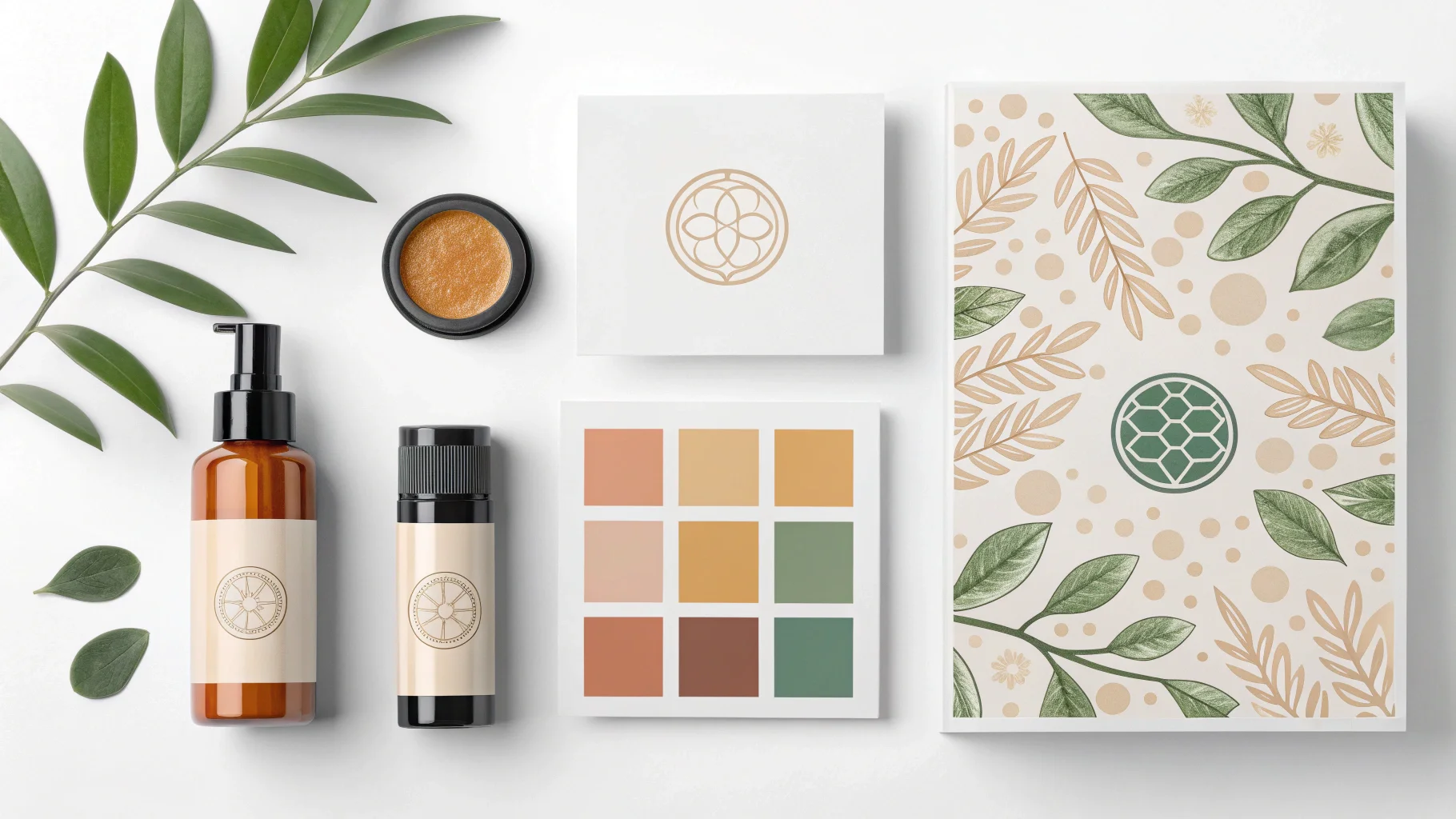
A style guide is a powerful tool for maintaining consistency. I insist on creating one for every client. But a guide on paper only works if it can be executed in the real world. A key part of your strategy must involve production. For example, your style guide might specify a very specific shade of green. But that shade can look very different on a computer screen, on a printed box, and when screen-printed onto a glass bottle. A consistent strategy means choosing a color that can be reliably reproduced across all your different materials and media. This requires planning and testing with your suppliers. True consistency is a result of a strategy that includes both design rules and manufacturing knowledge.
Your Brand Style Guide
This is a non-negotiable document. It ensures that anyone who works on your brand—from a graphic designer to a social media intern—creates things that look and feel like they came from the same source.
Auditing Your Touchpoints
Regularly look at every place your customers interact with your brand. This includes your website, social media profiles, packaging, emails, and any ads you run. Do they all feel like they belong to the same family? If not, use your style guide to fix the inconsistencies.
| Style Guide Component | What It Includes |
|---|---|
| Logo Guidelines | Rules for clear space, minimum size, and how to use different versions. |
| Color Palette | Primary and secondary color codes (HEX, CMYK, Pantone). |
| Typography | Your specific fonts for headlines, body text, and accents. |
| Tone of Voice | Adjectives that describe your brand’s personality and examples of how to write. |
What are the Skincare Branding Trends to Watch?
You want your brand to feel fresh and relevant. But chasing every new design trend can be a trap that makes your brand look dated in just a year or two. The key is to focus on lasting trends.
Key trends to watch include minimalist aesthetics, often called "skinimalism," a major focus on sustainability with refillable and recyclable packaging, the use of bold and expressive typography as a core design element, and radical transparency about ingredients and sourcing.
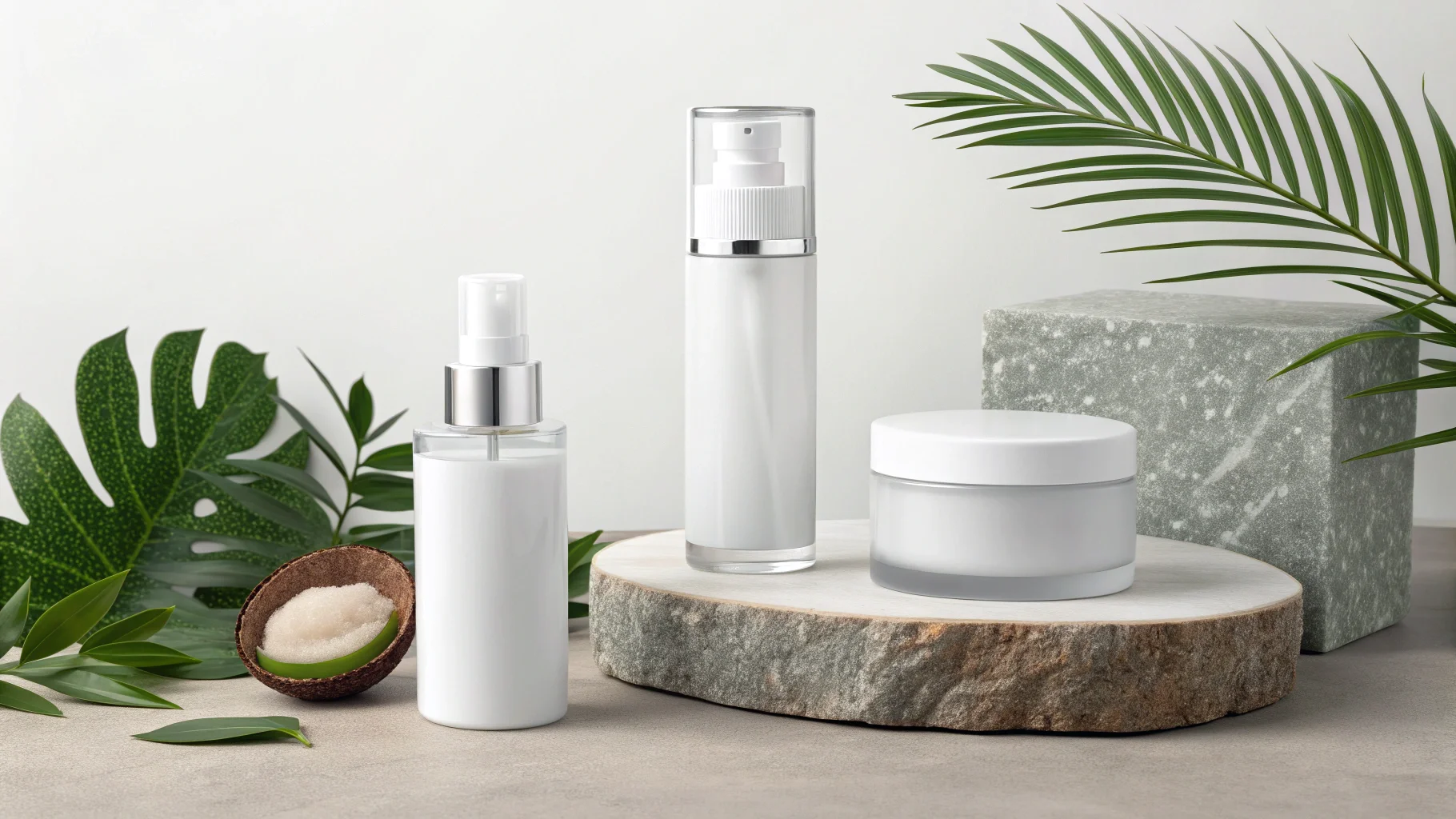
These trends are more than just visual fads; they reflect deeper shifts in what consumers care about. Take sustainability, for example. It is now a major factor in purchasing decisions. But saying your brand is "sustainable" is not enough. You have to prove it. This is fundamentally a manufacturing and supply chain challenge. It means designing for disassembly, sourcing new materials like mono-material plastics or PCR content, and working with suppliers who can provide the right certifications. I’ve seen brands get into trouble for "greenwashing" because their marketing claims didn’t match their production reality. The most successful brands are integrating these trends into their core operations, not just their marketing.
Minimalism and "Skinimalism"
This trend is about simplicity. It features clean layouts, lots of white space, and a focus on essential information. It communicates a "less is more" approach to both skincare routines and design.
The Sustainability Push
Consumers are demanding more from brands.
- Refillable Systems: Pods or pouches that refill a primary, durable container.
- Recyclable Materials: Using materials like glass, aluminum, or mono-material plastics that are easily recycled.
- Reduced Packaging: Eliminating unnecessary components like outer boxes or plastic wrap.
- Transparent Sourcing: Clearly communicating where ingredients and packaging come from.
Conclusion
Building a memorable skincare brand is about more than a great design. It is the perfect marriage of a compelling story and a practical, manufacturable packaging experience that feels right.
-
Understanding the key elements can help you create a memorable and effective skincare brand. ↩ ↩ ↩ ↩
-
A unique brand story can differentiate your skincare line and resonate with customers. ↩
-
Visual identity is crucial for recognition and can significantly impact customer perception. ↩ ↩ ↩ ↩ ↩
-
Tactile packaging enhances customer experience and can lead to increased loyalty. ↩
-
Building an emotional connection can turn one-time buyers into lifelong customers. ↩
-
Customer trust is essential for brand loyalty and repeat purchases. ↩
-
A clear brand promise can enhance customer expectations and satisfaction. ↩
-
Building loyalty can lead to repeat purchases and positive word-of-mouth. ↩
-
Knowing your target audience helps tailor your branding and marketing strategies. ↩ ↩
-
Understanding luxury branding can help position your skincare products effectively. ↩
-
Effective packaging design can attract customers and communicate brand values. ↩
-
Creating a premium perception can justify higher price points and attract discerning customers. ↩