Chasing the latest packaging trends is exhausting. It often leads to production issues1 and compromises that weaken your brand. The future requires a new, smarter approach to luxury packaging2.
Brands should prepare for a major shift from focusing on surface decoration to mastering supply chain integration3. The next phase of luxury is defined by manufacturability4, intelligent material choices5, and flawless consistency6 across every single unit produced.
The world of luxury packaging2 is moving incredibly fast. What felt new yesterday can look dated today. But the most important changes are not the ones you see on a mood board. They are happening behind the scenes, in the engineering choices and manufacturing processes that separate a beautiful idea from a beautiful product. To stay ahead, you have to understand what’s really changing. Let’s dive into what will define premium packaging for the next five years.
Why Are Packaging Trends No Longer Enough?
Relying on trend reports seems like a safe bet. But these reports often ignore production realities, leaving your team with a design that’s nearly impossible to scale without major compromises.
Trends are no longer enough because they prioritize fleeting aesthetics over flawless execution. A trendy design that suffers from color shifts7 or structural defects8 in mass production cheapens the brand, defeating the entire purpose of luxury packaging2.
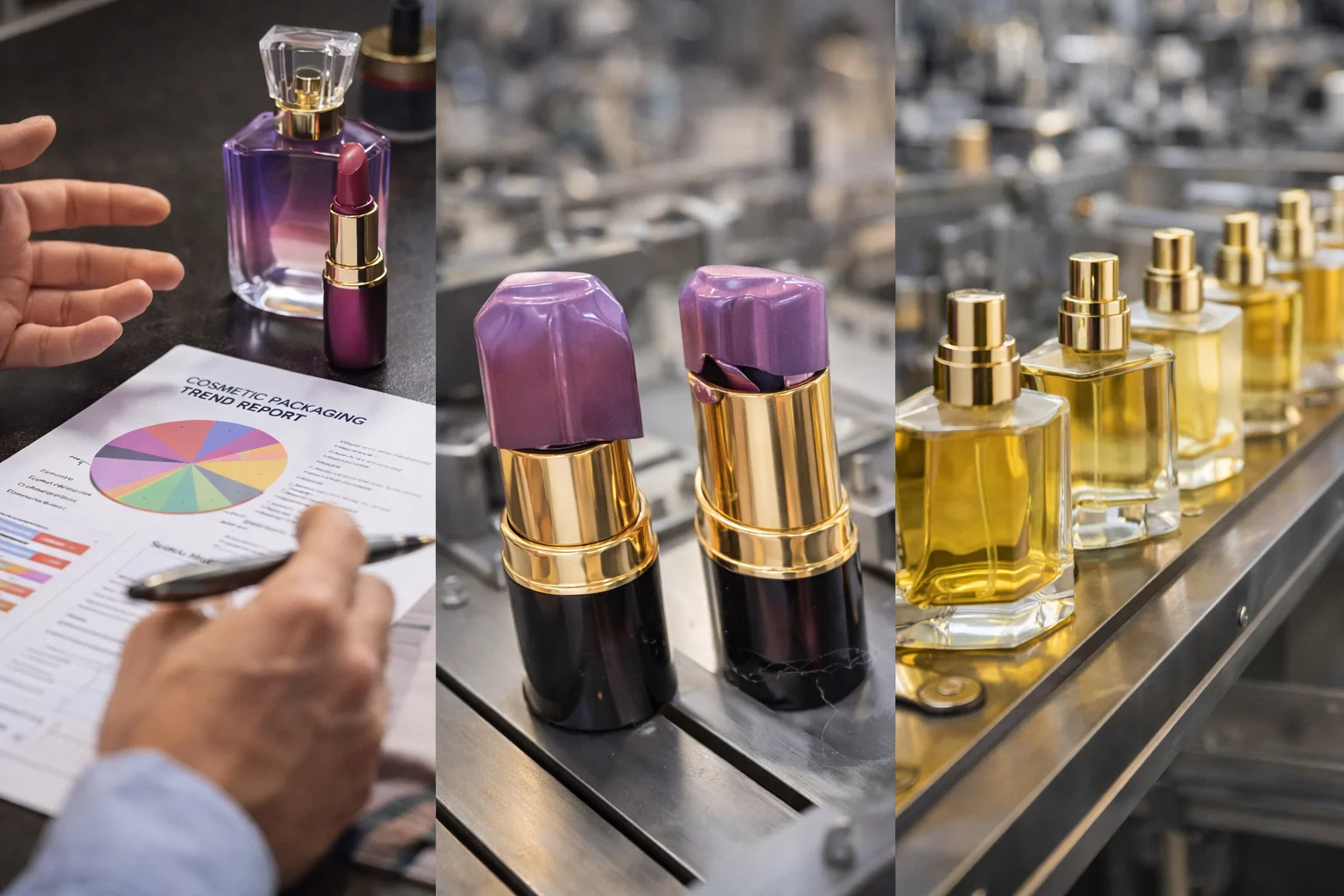
I’ve seen it happen countless times. A brand falls in love with a concept from a design agency. The renders look stunning. But the design calls for a material that can’t hold a specific color consistently, or a shape that warps under heat during transport. The problem is that trends focus on the "what" but ignore the "how." They don’t account for the physics of materials or the tolerances of machinery. This creates a huge gap between the initial vision and the final product that lands in your customer’s hands. True luxury is about control and reliability. A classic, simple design produced perfectly is far more luxurious than a trendy, complex design produced with visible flaws.
The Gap Between Concept and Reality
The core issue is that designers and manufacturers often work in silos. A designer’s job is to create desire, while a manufacturer’s job is to create a physical object repeatably. When we aren’t brought into the conversation early, problems are inevitable.
| Approach | Trend-Led Design | Manufacturing-Led Design |
|---|---|---|
| Starting Point | A visual mood board or trend report. | A deep understanding of materials and processes. |
| Key Metric | How "new" or "different" it looks. | How consistently it can be produced. |
| Common Outcome | Compromises on quality, cost, and lead time. | A flawless product that matches the vision. |
What Key Shifts Are Reshaping Luxury Cosmetic Packaging?
You might think luxury is all about heavy glass and shiny gold foil. But today’s consumers have a different definition. Sticking to old ideas means you risk looking dated and out of touch.
The key shifts are moving from visual complexity to tactile experience9, from single-use glamour to long-term value10, and from siloed design to integrated supply chain collaboration11. It is less about decoration and more about intelligent execution.
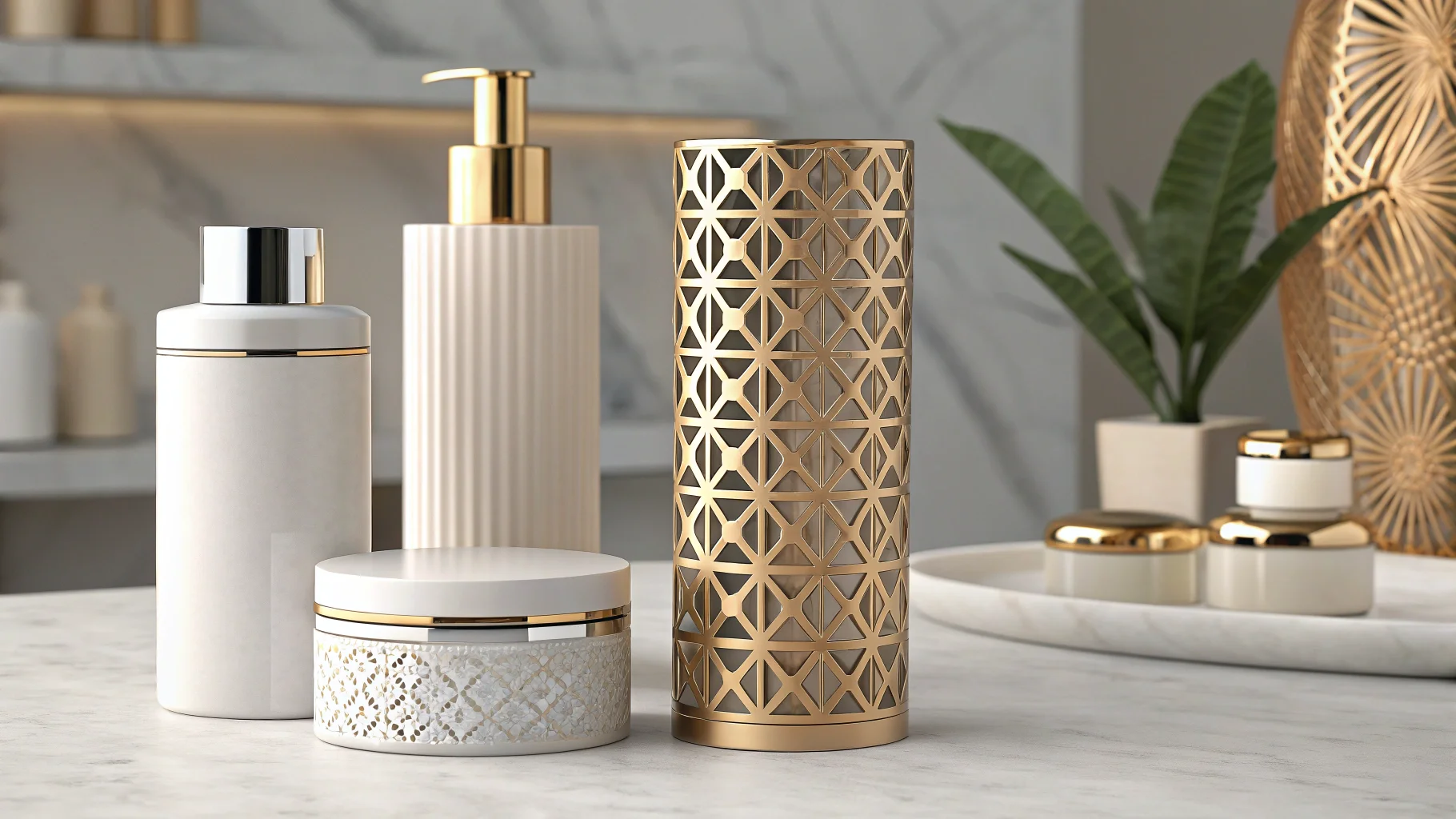
The entire idea of what makes something "premium" is changing. It’s no longer about adding more layers of decoration. Instead, it’s about stripping things back to their essential qualities and perfecting them. This means focusing on things like the weight and balance of a component in the hand. It’s about the satisfying "click" a compact makes when it closes. It’s about a surface that feels incredible to the touch. These details signal quality on a much deeper level than a flashy hot stamp. This shift requires a move away from thinking of packaging as a disposable wrapper and toward seeing it as a durable, valuable object. It’s a fundamental change from pure design to thoughtful engineering.
Old Luxury vs. New Luxury
This transition impacts every decision, from material selection to the choice of a manufacturing partner.
| Aspect | Old Luxury Paradigm | New Luxury Paradigm |
|---|---|---|
| Aesthetic | Ornate and complex decoration. | "Quiet luxury," minimalism, and precision. |
| Material Focus | Virgin materials, mixed materials. | Mono-materials, PCR content, refillable systems12. |
| User Experience | Visual appeal at first sight. | Tactile feel, sound, and long-term usability. |
| Production Goal | Create a beautiful sample. | Create 100,000 perfect units. |
How Is Luxury Packaging Design Actually Changing?
Minimalist designs look so simple and elegant. But achieving that perfect simplicity in mass production is one of the hardest things to do. One tiny flaw can ruin the entire effect.
Design is changing by prioritizing precision over ornamentation. Instead of adding more decorative layers, the focus is on perfecting the basics: seamless closures, flawless surface finishes, and perfect color matching across every single unit.
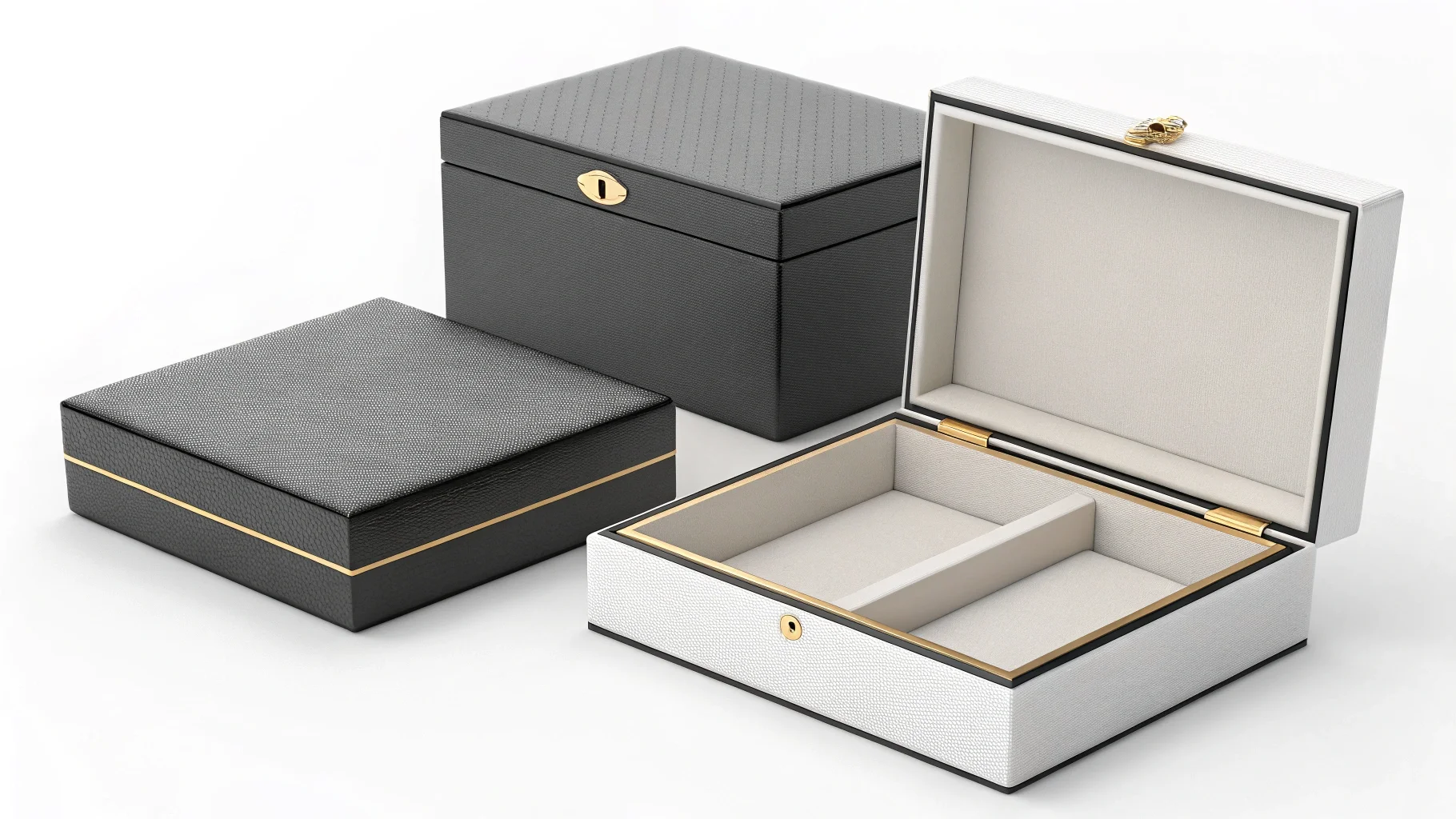
The real change in luxury design is a move toward what I call "engineered simplicity13." It’s a minimalist aesthetic, but it’s backed by an intense focus on technical execution. When you have a simple form with no decoration to hide behind, every detail has to be perfect. The parting line on a plastic cap must be nearly invisible. The color of the cap must be an exact match to the bottle, not just in one lighting condition, but in all of them. The fit between components has to be precise, so a lid closes smoothly and securely every time. This isn’t just design; it’s a manufacturing challenge. From my perspective in the factory, achieving this level of control is the ultimate luxury. It shows a mastery of process that is far more impressive than any decorative effect.
The Engineering of Simplicity
This approach requires a different mindset, one that values technical excellence as much as creative vision.
| Design Element | Complex "Loud" Luxury | Engineered "Quiet" Luxury |
|---|---|---|
| Surface | Multiple finishes, foils, glitter. | A single, perfect, uninterrupted surface. |
| Form | Complicated, sculptural shapes. | Simple, geometric forms with perfect lines. |
| Closure | Standard fit, may feel loose. | Engineered for a specific sound and feel (e.g., a "click"). |
| Color | Bright, multi-color, often on labels. | Custom color matched directly into the material. |
What Are Smarter Material Choices for Premium Packaging?
The list of "sustainable" materials seems to grow every day. But many of these options come with hidden production challenges, high costs, and questionable end-of-life realities. Choosing the wrong one can be a disaster.
Smarter material choices are those that balance a luxury feel, true sustainability, and high-volume manufacturability4. This means favoring high-quality mono-materials14 like PCR plastics, glass, and aluminum that are widely recyclable and can be finished to a high standard.
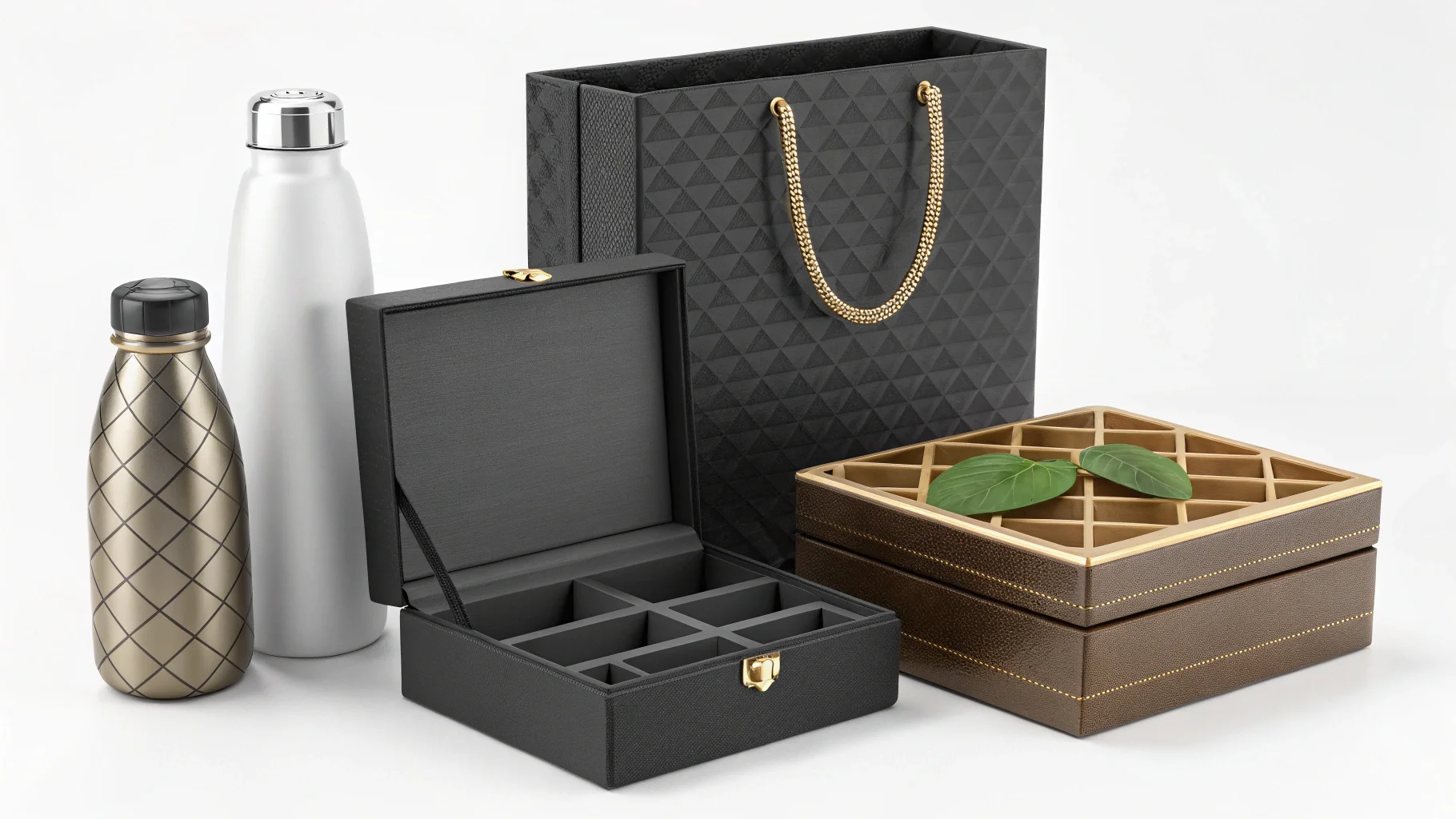
My advice to brands is always to simplify. Instead of chasing exotic, unproven bioplastics, focus on materials that are already part of a functioning recycling system. The best choices are often the simplest. For example, using a single material (a mono-material) for a jar and a lid makes it incredibly easy for consumers to recycle. High-quality Post-Consumer Recycled (PCR) plastics are now available that offer a great finish without the environmental cost of virgin plastic. And of course, glass and aluminum remain fantastic choices. They feel premium, they are infinitely recyclable, and we as manufacturers have decades of experience perfecting how to work with them. A "smart" material isn’t just about a green marketing story; it’s about a choice that works from production line to recycling bin.
Evaluating Premium Materials
| Material | Luxury Feel | Sustainability | Manufacturability |
|---|---|---|---|
| Glass | Excellent (heavy, premium) | Excellent (infinitely recyclable) | Good (mature process, but heavy) |
| Aluminum | Very Good (cool touch, modern) | Excellent (infinitely recyclable) | Excellent (lightweight, durable) |
| PCR Plastic | Good (can be high quality) | Very Good (reduces virgin plastic) | Excellent (versatile, cost-effective) |
| Mono-Material PET/PP | Good (clear, lightweight) | Good (widely recycled) | Excellent (highly versatile) |
What Surface Finishes Are Brands Moving Toward — and Away From?
A unique finish can make your product stand out on the shelf. But many popular options are terrible for the environment or cause huge headaches in production. You need to know which finishes deliver results.
Brands are moving toward finishes that enhance the inherent quality of the material itself, like matte varnishes15, soft-touch coatings16, and subtle textures. They are moving away from multi-material laminates and excessive hot foils that hinder recyclability.
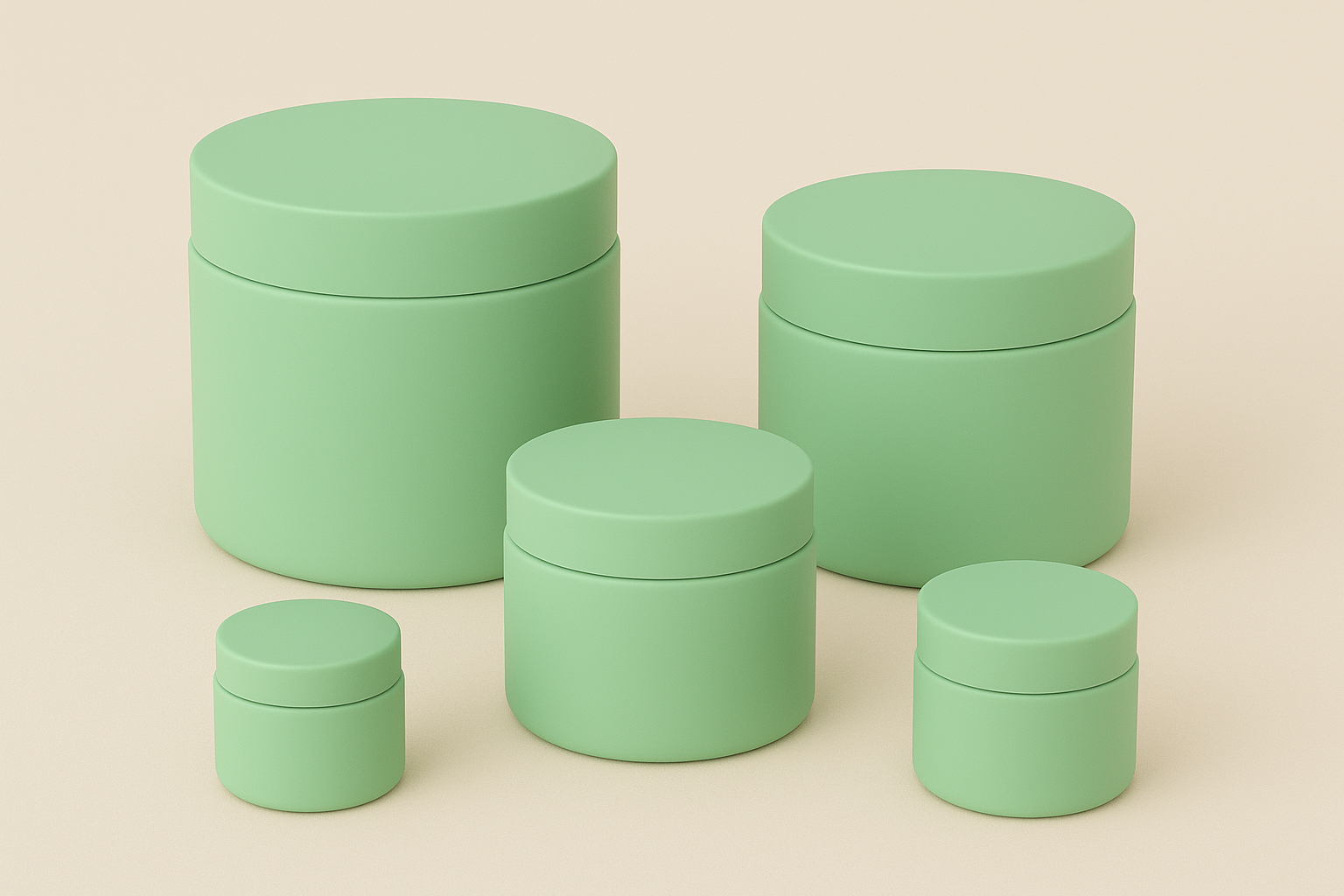
The trend in finishes follows the broader shift toward "quiet luxury." The goal is no longer to shout for attention with glitter and high-gloss metallic sheens. Instead, it’s about creating a sophisticated, tactile experience9. A soft-touch finish on a cap, for example, feels wonderful and adds a sense of quality that a shiny surface can’t match. A subtle, frosted texture on a glass bottle can elevate the entire product. These finishes work with the material, not against it. On the other hand, we’re seeing a big move away from finishes that make recycling difficult. This includes things like full-wrap shrink sleeves or plastic laminates on paper boxes. Simpler, integrated finishes are the future because they are more sustainable and, often, more elegant.
The Evolution of Finishes
| Finish Type | Moving Away From | Moving Toward |
|---|---|---|
| Visual | High-gloss, glitter, iridescent foils. | Matte, satin, frosted effects. |
| Tactile | Standard smooth plastic. | Soft-touch, rubberized, embossed textures. |
| Sustainability | Multi-layer laminates, non-recyclable coatings. | Recyclable varnishes, direct-to-material printing. |
| Process | Adds complexity and potential for error. | Integrated into the primary manufacturing process. |
What Are the Packaging Priorities by Product Type?
You would never use the same packaging approach for a lipstick and a jar of face cream. Applying a single strategy across your entire product line is a recipe for failure and missed opportunities.
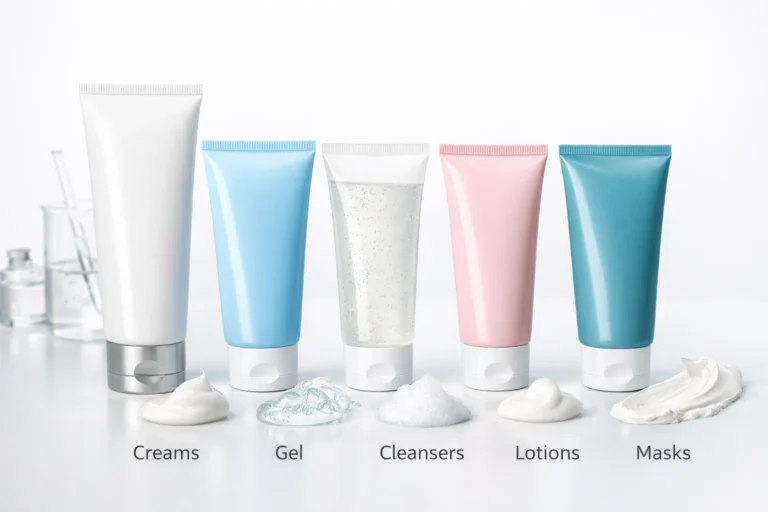
Priorities must be tailored to the product’s function. For skincare, it’s about formula protection and precise dosing. For makeup, it’s about the daily user experience17—the click, the weight, the feel. For fragrance, it’s about the bottle’s iconic form and the spray quality.
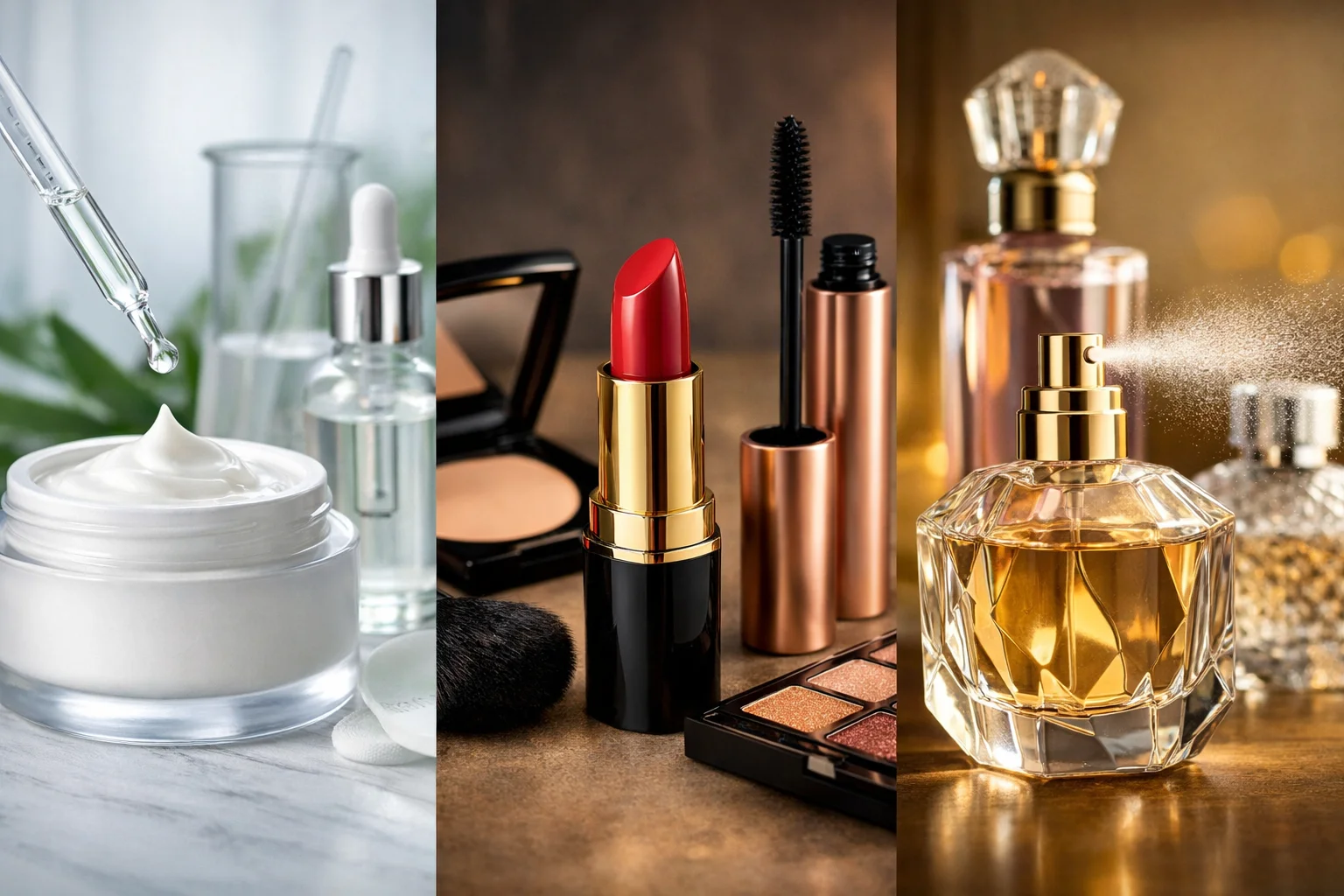
The function of the product must always guide the packaging design. A high-tech serum with sensitive active ingredients needs an airless pump to protect the formula, which is the number one priority. The luxury feel comes from the smooth action of the pump, not from decoration. For a lipstick that a customer uses multiple times a day, the priorities are haptics and durability. It needs to feel good in the hand, and the closure mechanism needs to be engineered to withstand thousands of uses without failing. A fragrance bottle, on the other hand, is often a decorative object. The priority here is the beauty of the glass form itself, the clarity of the material, and the fine mist from the atomizer. Understanding these distinct priorities is critical to creating packaging that truly enhances the product inside.
Tailoring Your Packaging Focus
| Product Category | Primary Priority | Key Design Considerations |
|---|---|---|
| Skincare (Creams, Serums) | Formula Protection | Airless pumps, opaque materials, precise dosage. |
| Makeup (Lipsticks, Compacts) | User Experience (Haptics) | Weight, balance, closure sound, durability. |
| Fragrance (Perfume) | Iconic Form & Dispensing | Glass quality, unique shape, atomizer quality. |
| Body Care (Lotions, Washes) | Functionality & Sustainability | Easy dispensing (pumps), large formats, refill options. |
When It Comes to Sustainability, What Works and What Doesn’t?
Everyone wants sustainable packaging. But the term is filled with confusing claims and greenwashing. Choosing the wrong "eco-friendly" path can waste money and even hurt your brand’s reputation.
What works: focusing on refillable systems12, using mono-materials14 that are easily recycled, and reducing overall material use. What doesn’t: complex "eco" materials that can’t be scaled and compostable plastics that lack a disposal infrastructure.
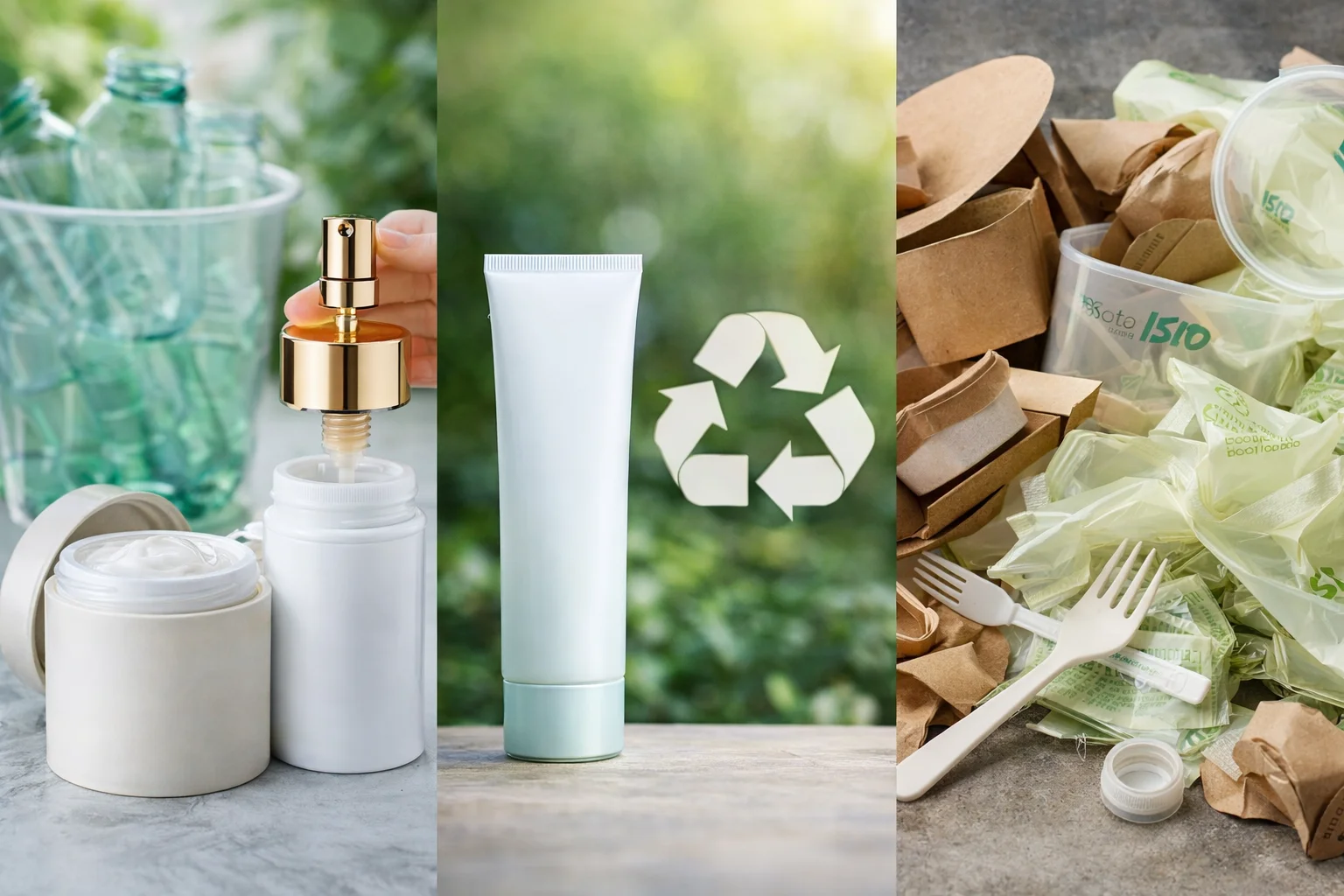
From a manufacturing standpoint, the most sustainable design is one that can be produced reliably and efficiently, creating minimal waste. A complex design that results in a 10% failure rate on the production line is, by definition, not sustainable, no matter what "green" material it’s made from. The most effective strategies are almost always the simplest. Designing a beautiful, durable outer pack with a simple, recyclable inner refill pod is a huge win. It reduces waste dramatically and gives customers a reason to keep your packaging. Switching from a component made of three different plastic types to one made of a single, widely-recycled mono-material is another massive, practical improvement. These are the changes that have a real impact, unlike chasing novelty materials that have no clear end-of-life plan.
Effective Strategies vs. Common Missteps
| Approach | Effective Sustainability (What Works) | Common Missteps (What Doesn’t) |
|---|---|---|
| System | Refillable and reusable systems. | Single-use packaging with "eco" claims. |
| Materials | Mono-materials (PET, Glass, Aluminum), high PCR content. | "Compostable" plastics with no composting facilities. |
| Design | Designed for easy disassembly and recycling. | Fusing different materials that can’t be separated. |
| Focus | Reducing overall material weight and volume. | Adding a green logo without making real changes. |
Where Do Luxury Packaging Projects Commonly Go Wrong?
Your packaging design looks perfect in the 3D render. But then production begins, and the problems start piling up. Delays, budget overruns, and frustrating quality issues. Let’s look at why this happens so often.
Projects go wrong when manufacturing feasibility is treated as an afterthought. Brands and designers finalize concepts without consulting their production partners, leading to choices in materials and structures that are unstable, inconsistent, or impossible to produce at scale.
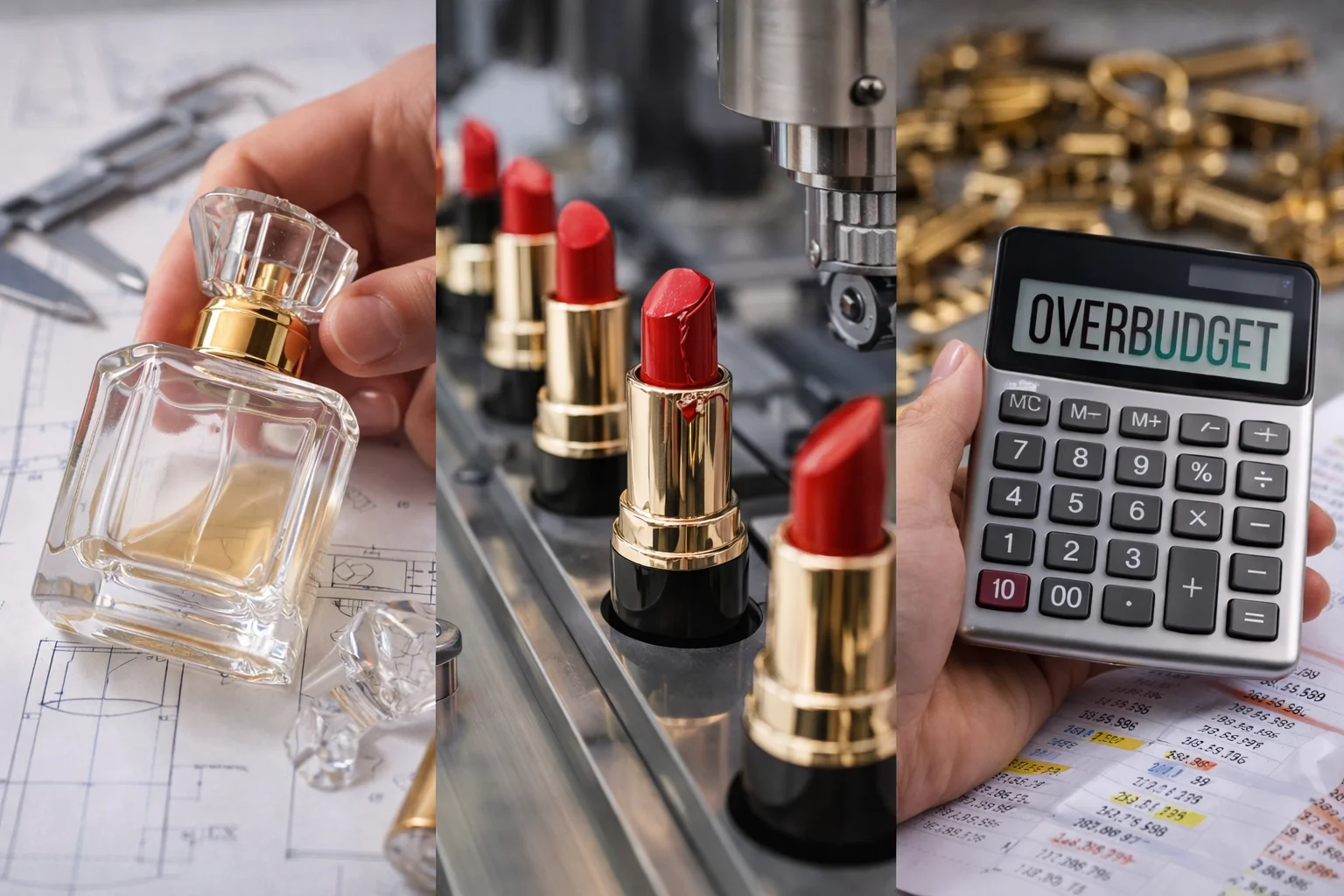
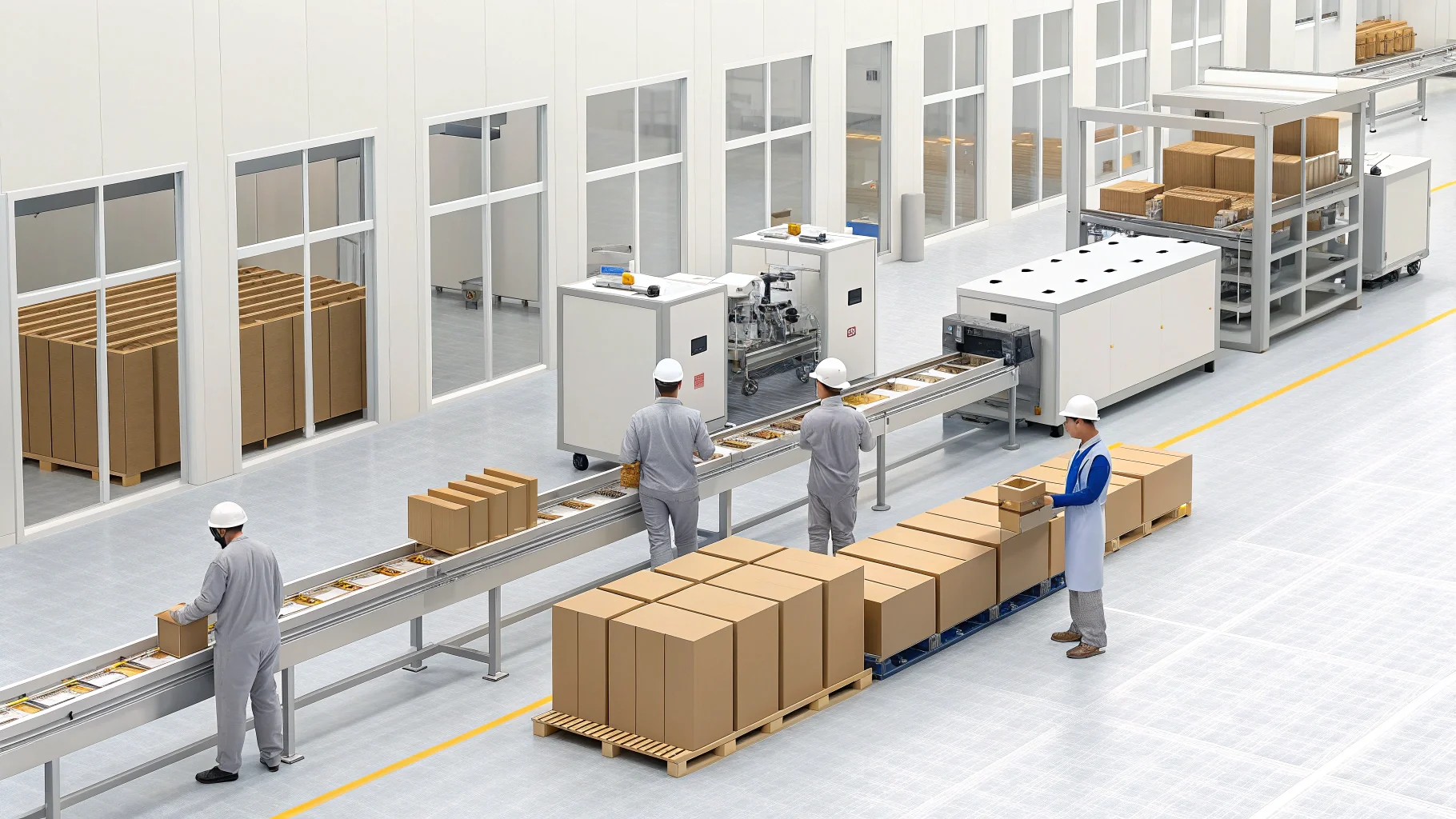
This is the single biggest point of failure I see. A beautiful concept is not a beautiful product until it has been successfully manufactured 100,000 times. Many designs that look impressive on screen are simply not stable. For example, a sharp-cornered cap might look great, but the plastic may not flow into the mold correctly, causing weak points and inconsistencies. A specific custom color might be achievable in a lab, but impossible to hold within an acceptable tolerance across multiple production runs. The solution is painfully simple: involve your manufacturing partner at the very beginning of the creative process. When we can provide input on material selection and design geometry early on, we can steer the design toward a path that is both beautiful and achievable. This avoids painful compromises later.
Avoiding Common Production Pitfalls
| Common Pitfall | The Solution: Early Collaboration |
|---|---|
| Unrealistic Material/Color Specs | Discuss color and finish targets with the manufacturer before finalizing the design. |
| Designs That Can’t Be Molded | Review 3D files with engineers to identify and fix potential molding issues. |
| Overly-Tight Timelines | Build a realistic timeline that includes time for tooling, testing, and quality control. |
| Treating a Sample as Final | Understand that a sample is a target; the real work is ensuring it can be replicated perfectly. |
So, What Should Brands Focus on Next?
The future of packaging can feel overwhelming. With so many competing demands from marketing, sustainability, and finance, where do you even start? Focusing on the wrong thing will set you back.
Brands should focus on building deep, collaborative partnerships with their manufacturing suppliers. Treat your suppliers as strategic partners in innovation, not just as vendors fulfilling an order. This supply chain alignment is the key to success.

If you take only one thing away from this, let it be this: the next great leap in luxury packaging will not come from a new color or material trend. It will come from a new way of working. It will come from brands and manufacturers collaborating from day one to solve problems together. When you bring us into the conversation early, we can help you choose materials that perform better. We can help you design components that are more reliable. We can help you build a more resilient and efficient supply chain. The future of premium packaging is not about surface decoration. It’s about the beauty of a well-engineered object, produced perfectly every time. That kind of perfection is only possible when design and manufacturing work as one team.
Your New Action Plan
| Old Approach | New Approach for 2025 and Beyond |
|---|---|
| Handing off a "final" design. | Co-creating the design with your manufacturing partner. |
| Focusing on the unit cost. | Focusing on the total cost, including waste and delays. |
| Chasing aesthetic trends. | Prioritizing production consistency and reliability. |
| Viewing suppliers as vendors. | Treating suppliers as long-term strategic partners. |
Conclusion
The future of luxury packaging is not about adding more decoration. It’s about smarter collaboration, focusing on production reliability and consistency to deliver a truly premium experience from concept to consumer.
-
Identifying production issues can help you avoid costly mistakes in packaging. ↩
-
Explore the latest innovations in luxury packaging to stay ahead in the competitive market. ↩ ↩ ↩
-
Understanding supply chain integration can enhance your packaging strategy and efficiency. ↩
-
Learn about manufacturability to ensure your designs are practical and scalable. ↩ ↩
-
Discover materials that enhance sustainability and performance in packaging. ↩
-
Achieving consistency is key to maintaining brand quality; find out how. ↩
-
Understanding color shifts can help you select better materials for your designs. ↩
-
Preventing defects is crucial for luxury brands; learn effective strategies. ↩
-
Explore how tactile elements can enhance customer perception of luxury. ↩ ↩
-
Learn how to create packaging that offers lasting value to consumers. ↩
-
Discover how collaboration can streamline your packaging processes. ↩
-
Refillable systems can enhance sustainability; find out how to implement them. ↩ ↩
-
Understanding engineered simplicity can elevate your packaging to new heights. ↩
-
Learn why mono-materials are becoming the preferred choice for sustainable packaging. ↩ ↩
-
Matte varnishes can enhance the aesthetic appeal of your packaging; learn more. ↩
-
Discover how soft-touch coatings can improve the tactile experience of your products. ↩
-
Improving user experience can lead to higher customer satisfaction; find out how. ↩