Your product is great, but sales are flat. The packaging might be blending in, failing to grab attention. Let’s make your product’s first impression count with standout design.
Yes, absolutely. Cosmetics packaging design1 is more than just a container. It’s the first physical interaction a customer has with your brand. It communicates your identity, protects the product, and ultimately convinces someone to make a purchase. It truly is your product’s public face.
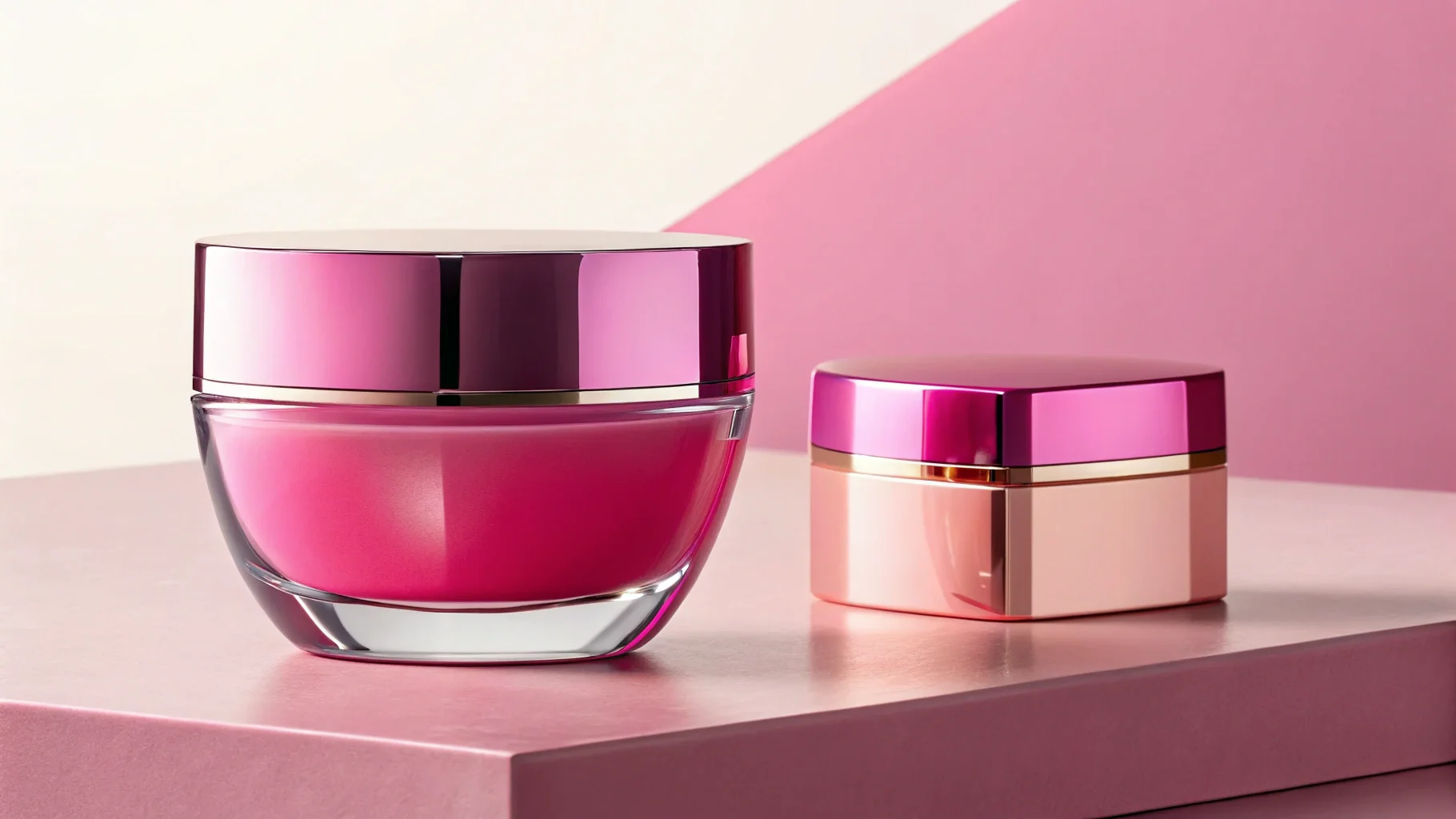
It’s easy to think of packaging as just a box or a bottle. But I’ve learned from my years in the supply chain that it’s so much more. It’s a silent salesperson, working for you on the shelf, online, and in the customer’s home. It’s where your brand story meets the real world. Let’s break down exactly what goes into creating packaging that works, starting with the basics.
What Exactly is Cosmetics Packaging Design?
The term "packaging design" seems complicated and overwhelming. You might think it’s just for huge companies. But it’s just the process of creating the right container for your product.
Cosmetics packaging design1 involves creating the outer container and labeling for a beauty product. It balances aesthetics, brand messaging, functionality, and material choice to protect the product, attract customers, and provide a positive user experience. It’s a blend of art, marketing, and engineering.
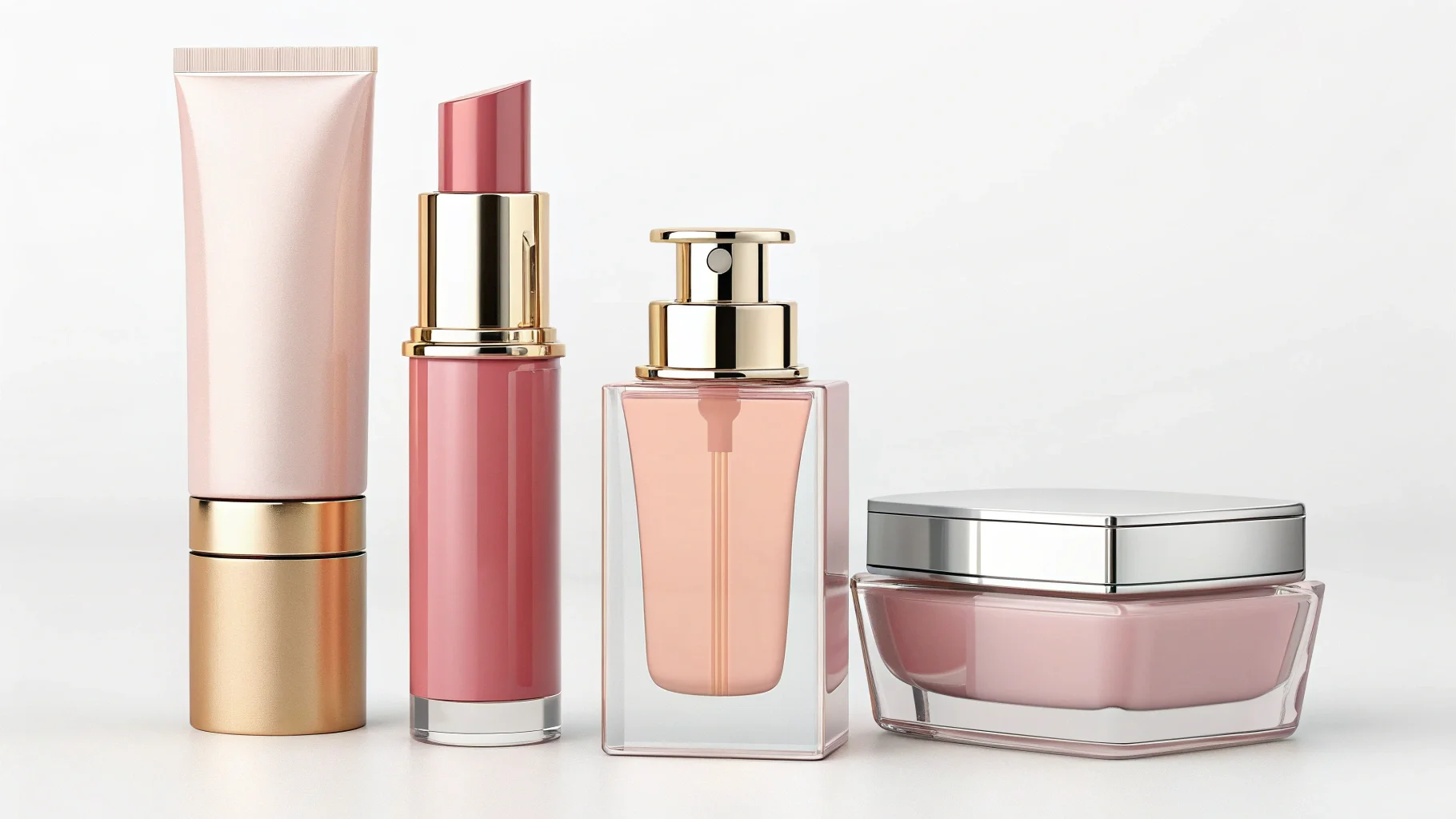
I like to think of packaging design in three layers. This helps me organize the process from the inside out. Understanding these layers is the first step to making smart decisions that work for your product, your customer, and your production line.
The Three Layers of Packaging
Every cosmetic product has at least one, and often all three, of these packaging layers. Each one has a different job to do.
- Primary Packaging2: This is the container that directly holds the product. It’s the lipstick tube, the serum bottle, or the face cream jar. Its main job is to protect the formula and make it easy to use.
- Secondary Packaging3: This is the outer box or wrapper that holds the primary packaging. Think of the cardboard box your serum bottle comes in. Its job is to provide extra protection and be a canvas for branding and information.
- Tertiary Packaging4: This is the bulk packaging used for shipping, like the large cardboard box that holds a dozen of your boxed serums for transit to a warehouse or retailer. Its job is purely logistical.
| Packaging Layer | Purpose | Example |
|---|---|---|
| Primary | Holds and protects the formula | A glass dropper bottle |
| Secondary | Brands, informs, and protects primary | The printed box for the bottle |
| Tertiary | Shipping and handling in bulk | A case of 12 boxed bottles |
Thinking about all three layers from the start is crucial. A beautiful primary bottle is useless if it can’t be protected by a secondary box, or if it’s too fragile to survive shipping in a tertiary container. It all has to work together.
How Does Packaging Build Your Brand Identity?
Your brand has a great story, but it’s not coming across. Customers aren’t connecting with you. Your packaging is the key to telling that story at a glance.
Packaging builds brand identity by using consistent visual elements like logos, colors, fonts, and materials. These elements create a recognizable look and feel that communicates your brand’s values—be it luxury, eco-friendliness, or simplicity—and helps customers remember you long after the purchase.
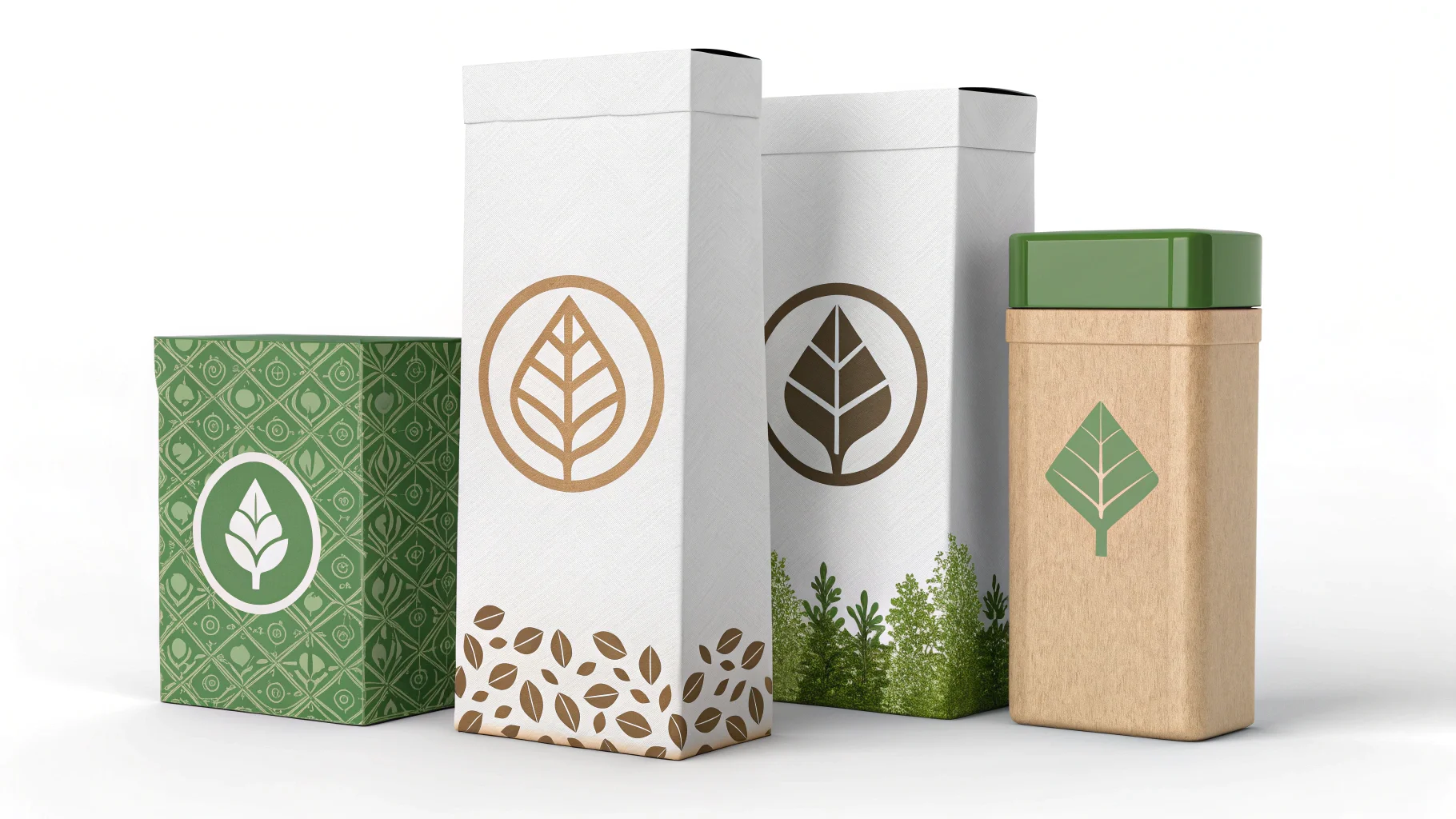
Your packaging is a physical representation of your brand’s personality. Before a customer ever tries your product, they will see and touch its container. This is your chance to make a connection. Every design choice you make sends a message.
Communicating Your Values
Are you a clinical, science-backed brand? Clean, white packaging with a simple, sans-serif font will communicate that. Are you a luxurious, high-end brand? A heavy glass jar, gold foil accents, and an elegant script font will convey that feeling. I once worked with a startup that was all about natural, earthy ingredients. We used un-coated, recycled paper for the boxes and simple amber glass bottles. The packaging felt natural and honest, just like the brand itself. This wasn’t an accident. It was a deliberate choice to make the packaging an extension of the brand’s core values.
Creating a Cohesive Look
Consistency is everything. Your customers should be able to spot your products from across the room. This is achieved by creating a strong, cohesive visual system across your entire product line.
| Element | Luxury Brand Example | Natural Brand Example |
|---|---|---|
| Color | Black, white, gold, deep jewel tones | Earth tones, green, cream, amber |
| Font | Elegant serifs, custom scripts | Clean sans-serifs, typewriter-style fonts |
| Material | Heavy glass, polished metal, high-gloss plastics | Recycled paper, glass, bamboo, matte finishes |
| Logo | Embossed, foil-stamped, minimalist | Simple logo, perhaps with a leaf or nature element |
When you use these elements consistently, you build recognition. Over time, customers will associate that specific shade of blue or that unique font with your brand. That’s how packaging moves from being just a container to a powerful brand asset.
What Functional Aspects of Packaging Should You Consider?
A beautiful package is useless if it doesn’t work. Customers get frustrated by leaks or difficult dispensers. Prioritizing function ensures your product is a joy to use.
Key functional considerations include product protection from light and air, ease of use for the consumer (dispensing, opening, closing), and durability for shipping and handling. The packaging must preserve the formula’s integrity and provide a seamless user experience from shelf to final use.
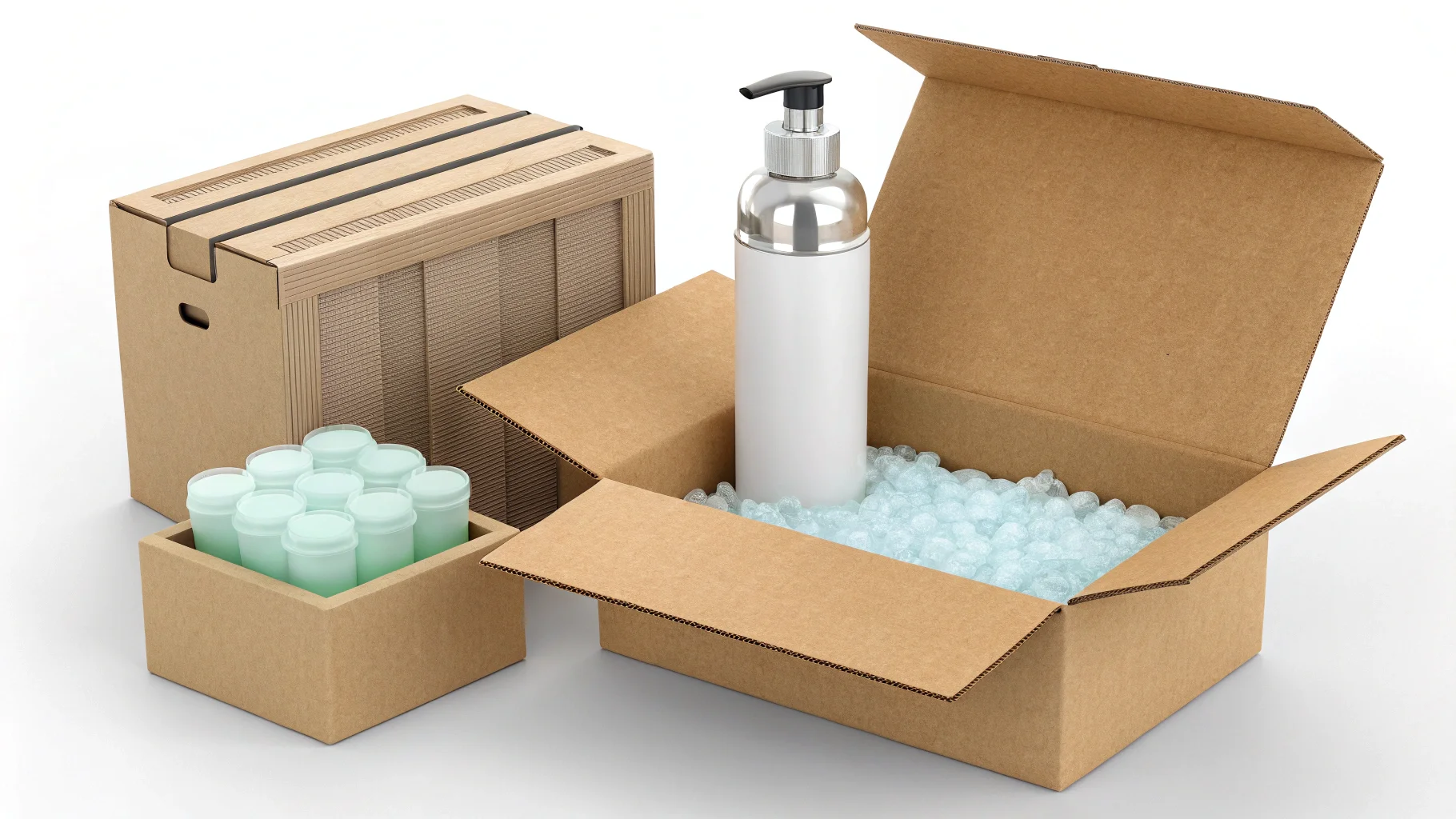
From my experience in the supply chain, this is where brands often get into trouble. A stunning design means nothing if it fails in its basic duties. Functionality5 isn’t the boring part; it’s the foundation of a successful product.
Product Protection and Compatibility
The package’s number one job is to protect what’s inside. Certain ingredients, like Vitamin C, are sensitive to light and air. They need opaque or dark glass containers with an airtight seal to remain effective. You also have to ensure the packaging material is compatible with your formula. Some plastics can react with certain oils, causing the container to warp or the product to spoil. We always run compatibility tests, where we fill the final packaging with the product and let it sit for weeks at various temperatures to see if any issues arise. It’s a non-negotiable step.
User Experience
How does the customer use the product? Is the cap easy to open, even with wet hands? Does the pump dispense the right amount of product, or does it shoot it across the room? Can they get the last bit of cream out of the jar? These small details create either a feeling of satisfaction or a feeling of frustration. A great user experience makes the customer want to buy your product again. A poor one will send them to your competitor.
Supply Chain Efficiency
This is the part that’s often forgotten. How will your packaging be filled, assembled, and shipped? An odd-shaped bottle might look amazing, but it could be impossible for standard machinery to fill or label, forcing you into expensive manual labor. I’ve seen projects delayed by months because the chosen box was too complex to assemble efficiently. Simple, well-tested designs are always better from a production standpoint. They reduce errors, minimize waste, and keep costs down.
| Functional Check | Question to Ask |
|---|---|
| Protection | Does this container protect the formula from light, air, and heat? |
| Compatibility | Is the material chemically compatible with the product inside? |
| Dispensing | Is it easy for the user to get the right amount of product out? |
| Durability | Can it survive being dropped, shipped, and handled? |
| Manufacturing | Can this design be filled, labeled, and assembled efficiently? |
How Can You Make Your Cosmetics Packaging More Sustainable?
Customers want sustainable options. But going green feels costly and complex, a huge hurdle for your brand. Simple changes can make a big impact on your packaging’s footprint.
To make packaging more sustainable, focus on the "3 Rs6": Reduce (use less material), Reuse (offer refills), and Recycle (choose recyclable materials like glass or PET). Also, consider using post-consumer recycled (PCR) content and biodegradable or compostable materials where appropriate.
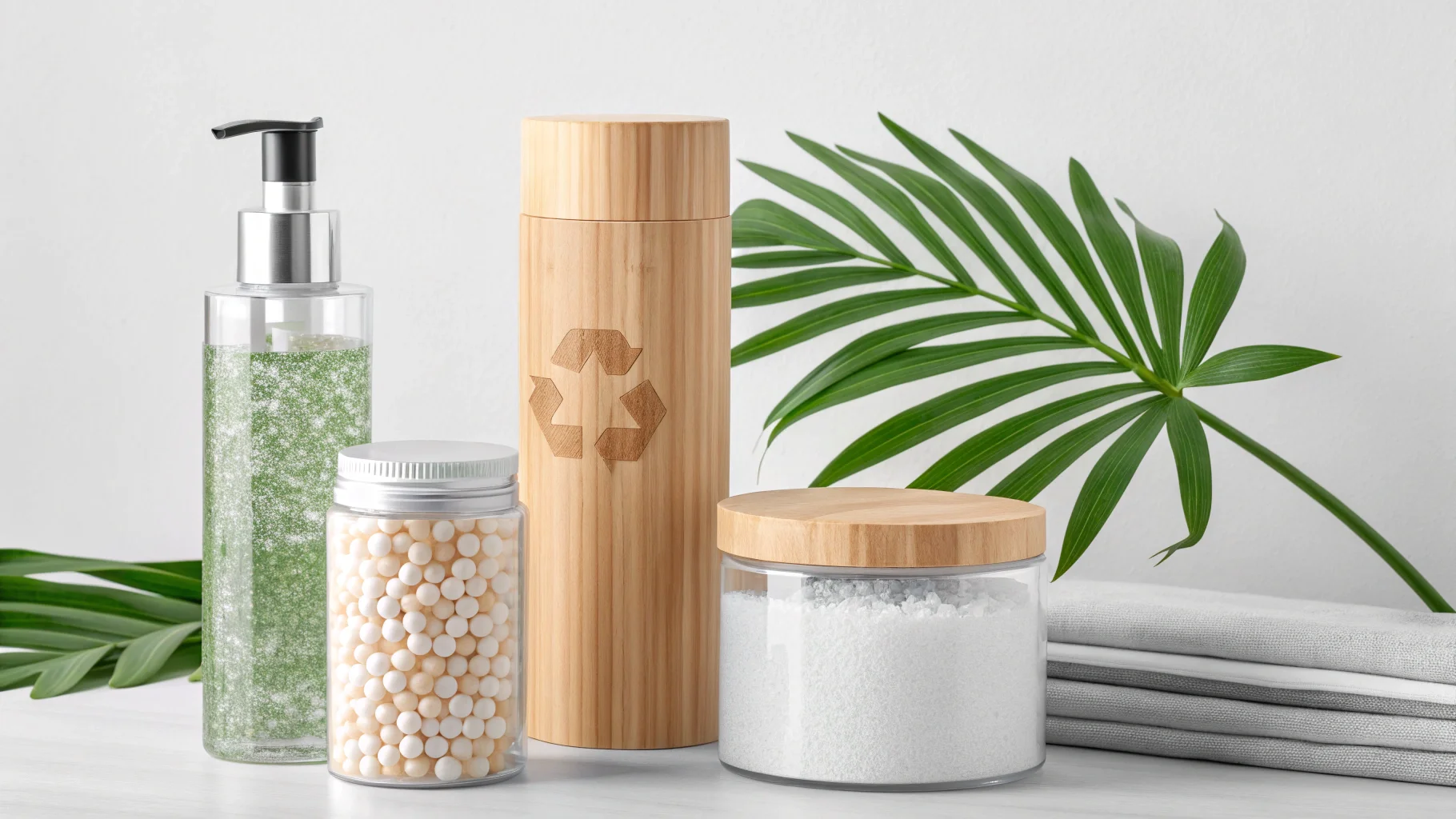
Sustainability is no longer a niche interest; it’s a core expectation for many consumers. The good news is that it doesn’t have to be a massive, expensive overhaul. From a supply chain perspective, the key is planning. When brands, suppliers, and factories collaborate early, sustainable packaging becomes much more achievable and cost-effective.
Material Choices and the 3 R’s
The easiest place to start is with your materials.
- Reduce: Can you get rid of the outer box? Can you make the walls of your jar slightly thinner without sacrificing durability? Using less material is the most effective way to be more sustainable.
- Reuse: This is the big one right now. Designing beautiful, durable primary containers that customers can keep and buy cheaper refill pods for is a huge win. It builds customer loyalty and significantly cuts down on waste.
- Recycle: Choose materials that are widely recyclable. Glass, aluminum, and certain plastics like PET (#1) and HDPE (#2) are good choices. A new trend is "mono-material" design, where a whole component (like a pump) is made from a single type of plastic, making it much easier to recycle. Also, look into using Post-Consumer Recycled (PCR) plastic to create your packaging.
Design for Disassembly
If your package has multiple parts, like a jar with a lid and a separate inner disk, can the customer easily take them apart for recycling? If a pump contains a metal spring inside a plastic body, it can’t be recycled. Designing for easy disassembly is a small detail that makes a big difference in whether your packaging actually gets recycled. I always push for designs that are intuitive for the consumer to break down. If it’s too hard, it will end up in the trash.
How Can Packaging Design Help You Stand Out in a Crowded Market?
The beauty market is incredibly crowded. Your product is getting lost on the shelf, overshadowed by bigger brands. Unique packaging7 is your best tool for standing out.
Packaging differentiates your product through unique shapes, bold colors, innovative materials, or a distinctive "unboxing" experience. By breaking from category norms, your design can capture a shopper’s attention, communicate a unique selling proposition, and make your product instantly memorable on a crowded shelf.
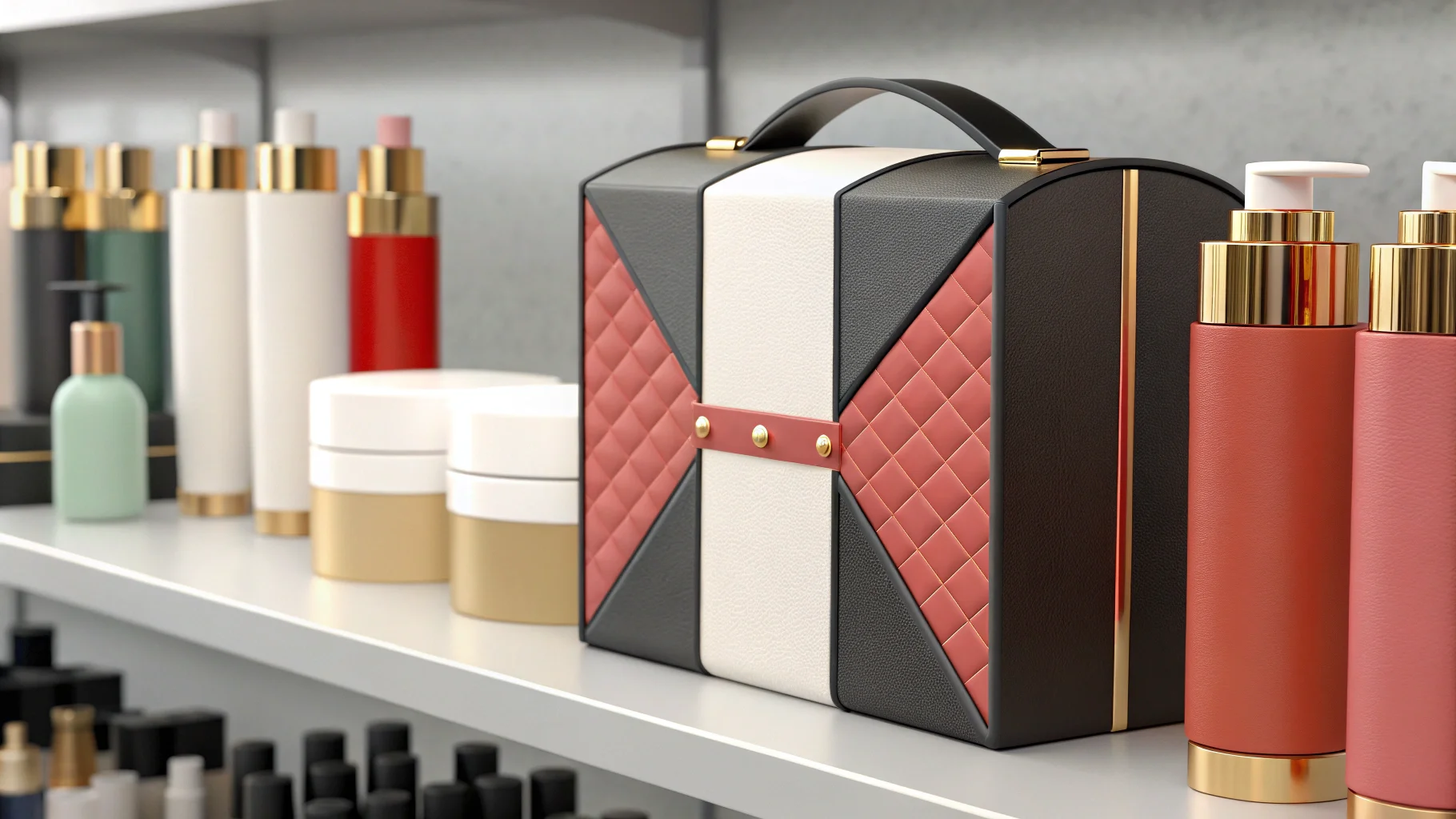
Think of a shelf in a beauty store as a massive, noisy party. Your product has about three seconds to get someone’s attention. Your packaging is what has to do the shouting. How do you make sure it gets noticed? You do something different.
Using Unique Structures and Materials
Most serums come in a cylindrical glass bottle. What if yours was square? Or what if it was made of a soft-touch material that felt different from everything else around it? When Fenty Beauty launched, its hexagonal packaging was instantly recognizable. It didn’t look like anything else in the makeup aisle. This kind of structural innovation is a powerful way to make an impression. It signals to the customer that the product inside is also new and different.
The Power of Color and Texture
Never underestimate the power of a bold color choice. In a sea of white, pink, and black, a bright yellow or a vibrant turquoise will immediately draw the eye. The same goes for texture. A super-glossy box might feel luxurious, while a rough, fibrous paper might feel natural and organic. These tactile cues create a memorable sensory experience for the customer, adding another layer to your brand identity.
Creating an Unboxing Experience
Your packaging’s job isn’t over once the customer buys the product. The "unboxing" experience is a huge part of modern marketing. When a customer opens the shipping box, what do they see? Is your product just rattling around inside, or is it nestled in custom tissue paper, sealed with a sticker, and accompanied by a small thank-you note? Brands like Glossier became famous for their pink bubble-wrap pouches, which people loved so much they started reusing them. This turns a simple delivery into a special, shareable moment.
What Are Common Mistakes to Avoid in Cosmetics Packaging Design?
You’re ready to launch your new packaging design. But overlooking a small detail can be a disaster. Knowing these common mistakes will help you avoid costly problems later.
Common mistakes8 include choosing materials incompatible with the product formula, creating designs that are difficult to manufacture or assemble, using illegible fonts, and providing inaccurate information. Over-designing and failing to test the packaging thoroughly before a full production run are also frequent errors.
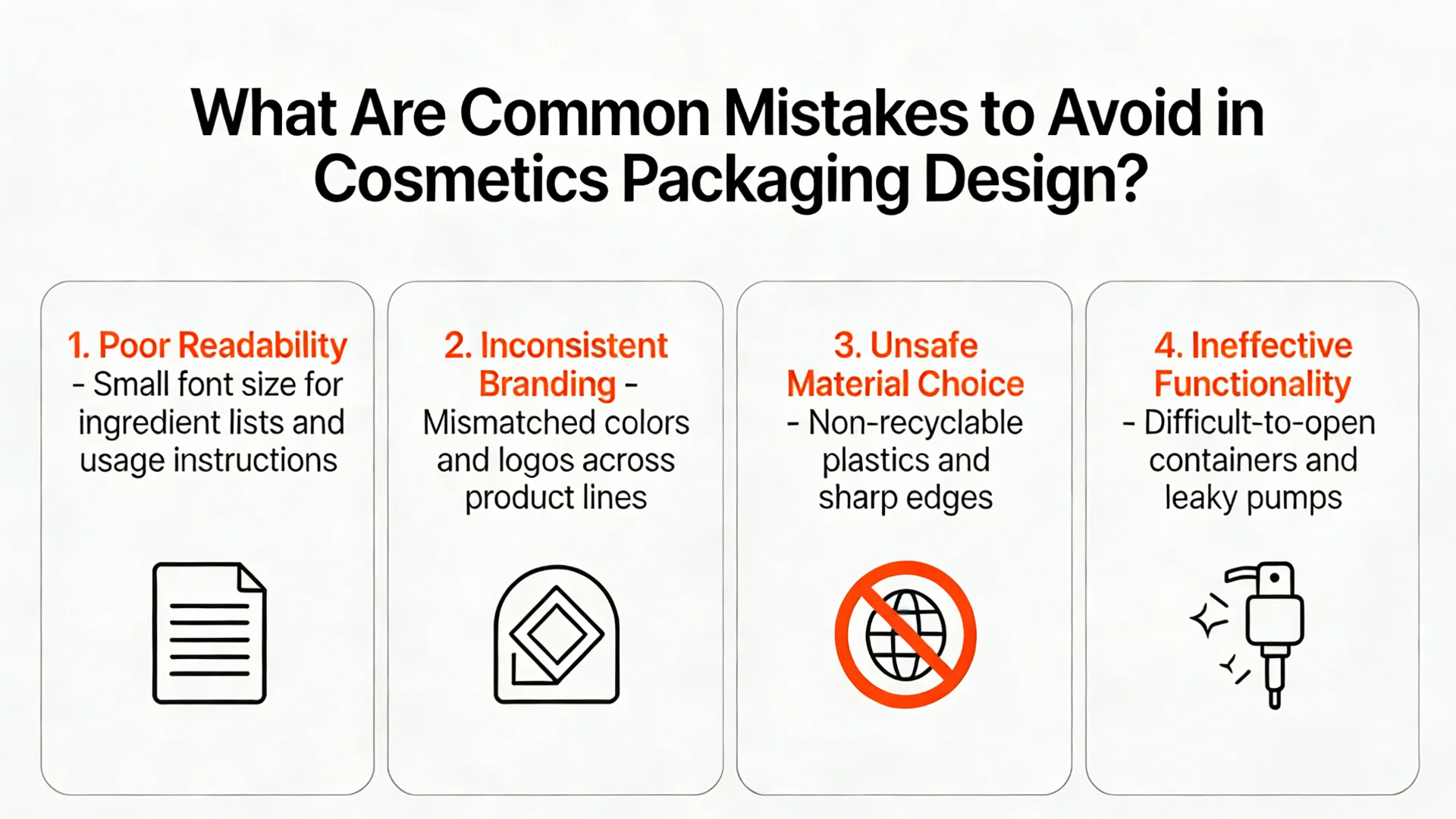
I have seen millions of dollars wasted on easily avoidable packaging mistakes. The excitement of creating a beautiful design can sometimes cause brands to skip crucial steps. A little bit of extra diligence on the front end can save you from a complete nightmare on the back end.
Ignoring Production Realities
This is the mistake I see most often. A designer creates a stunning, complex bottle shape. The brand falls in love with it. But then they discover no factory can label it automatically, or the custom-shaped box costs five times more than a standard one. Always, always talk to your manufacturer and suppliers during the design process. Ask them: "Can we actually make this? Can we make it affordably and at scale?" Simple, well-tested designs that are compatible with existing manufacturing capabilities will almost always beat a complex design that causes production delays and drives up costs.
Forgetting the User and Compliance
It’s amazing how often basic usability is overlooked. I’ve seen text so small or in a font so light that it’s impossible to read the ingredients list or instructions. This is not only bad for the user, but it can also get you into legal trouble. Every country has regulations about what information must be on the label (like net weight, ingredients, and country of origin) and how it must be displayed. Ignoring these rules can result in your entire shipment being rejected at the border.
| Common Mistake | How to Avoid It |
|---|---|
| Incompatible Materials | Conduct thorough compatibility testing with your specific formula. |
| Impractical Design | Involve your manufacturer and factory early in the design process. |
| Illegible Text | Use clear, readable fonts and ensure sufficient color contrast. |
| Ignoring Regulations | Research and confirm all labeling requirements for your target markets. |
| Skipping Testing | Always test everything: shipping tests, drop tests, and user experience tests. |
What is the Future of Cosmetics Packaging?
Packaging trends are constantly evolving. It’s tough to stay current and predict what’s next. Understanding the key future trends will give your brand a competitive edge.
The future of cosmetics packaging lies in smart, sustainable, and personalized solutions. Expect to see more refillable systems, mono-material designs for easy recycling, and packaging with embedded technology like QR codes or NFC chips for enhanced consumer interaction and traceability.
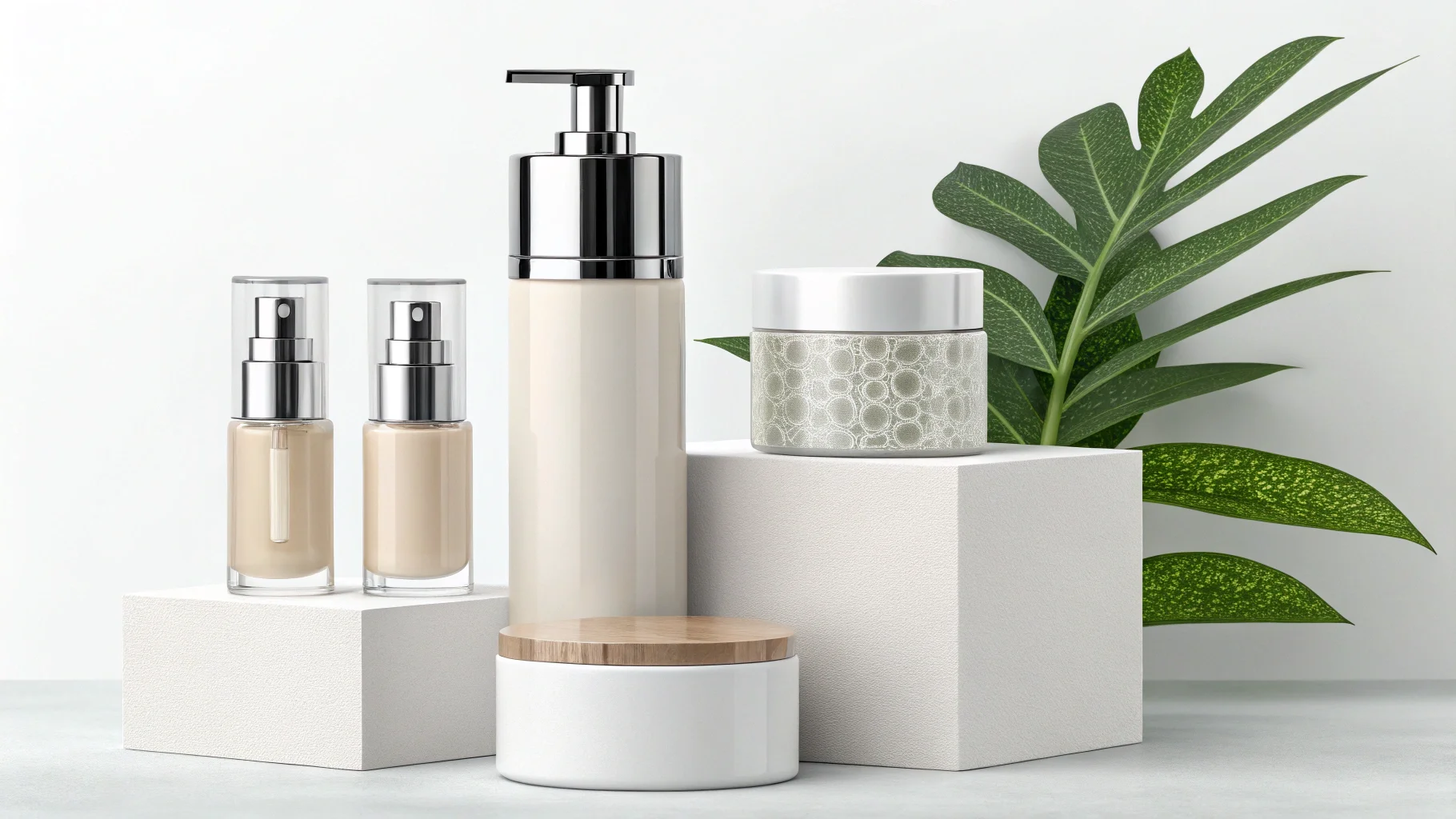
The world of packaging is moving fast, driven by technology and a growing consumer consciousness. Staying ahead of these trends isn’t just about looking modern; it’s about meeting the evolving expectations of your customers and building a more resilient, forward-thinking brand.
Smart Packaging and Connectivity
The line between the physical product and the digital world is blurring. We’re going to see more "smart" or "connected" packaging. This means integrating technology directly into the container.
- QR Codes: A simple QR code on a box can link a customer to a video tutorial on how to use the product, a full list of ingredient origins, or a page where they can re-order.
- NFC Chips: Near Field Communication (NFC) chips are a step up. A customer can just tap their phone to the package to verify its authenticity (fighting counterfeits), unlock exclusive content, or join a loyalty program. This turns your packaging into an interactive digital portal.
Hyper-Sustainability and New Formats
Sustainability will go beyond just recyclable materials. The focus will be on radical waste reduction. The refill-and-reuse model will become standard for many product types. We will also see more innovation in product formats that require less packaging. Think about solid shampoo bars, conditioner bars, and cleansing balms that don’t need a plastic bottle at all, just a simple paper wrapper. Waterless or concentrated formulas are another area of growth, as they allow for much smaller, lighter packaging, which reduces shipping emissions.
Personalization at Scale
Imagine buying a foundation and having the bottle printed with your name and custom shade number. Or receiving a subscription box where the packaging graphics are tailored to your style profile. Advances in digital printing technology are making this kind of personalization more affordable and scalable. This creates a deeply personal connection with the customer, making the product feel uniquely theirs. It transforms the package from a mass-produced item into a personal keepsake.
Conclusion
Ultimately, your packaging is a critical investment. It’s the bridge between your product and your customer, combining branding, function, and supply chain reality into one powerful first impression.
-
Explore this resource to understand how effective packaging can enhance brand identity and attract customers. ↩ ↩
-
Learn about primary packaging and its crucial role in protecting and presenting beauty products effectively. ↩
-
Discover how secondary packaging enhances branding and provides additional protection for cosmetic products. ↩
-
Understand the logistics of tertiary packaging and its significance in the supply chain for cosmetics. ↩
-
Explore the key functional considerations that ensure your packaging works effectively for consumers. ↩
-
Understand the principles of Reduce, Reuse, and Recycle to improve your packaging’s environmental impact. ↩
-
Learn how innovative packaging can differentiate your product in a crowded market and attract attention. ↩
-
Avoid costly errors by learning about common pitfalls in packaging design and how to prevent them. ↩