Your product is great, but it’s not selling. It gets lost on crowded shelves. Your packaging design could be the reason, and it’s time to fix it.
Cosmetic packaging design1 is more than a container. It’s the first thing customers see. It communicates your brand’s identity2, quality, and values. This silent salesperson3 directly influences trust4 and convinces people to buy, making it a critical business tool for success in a competitive market.
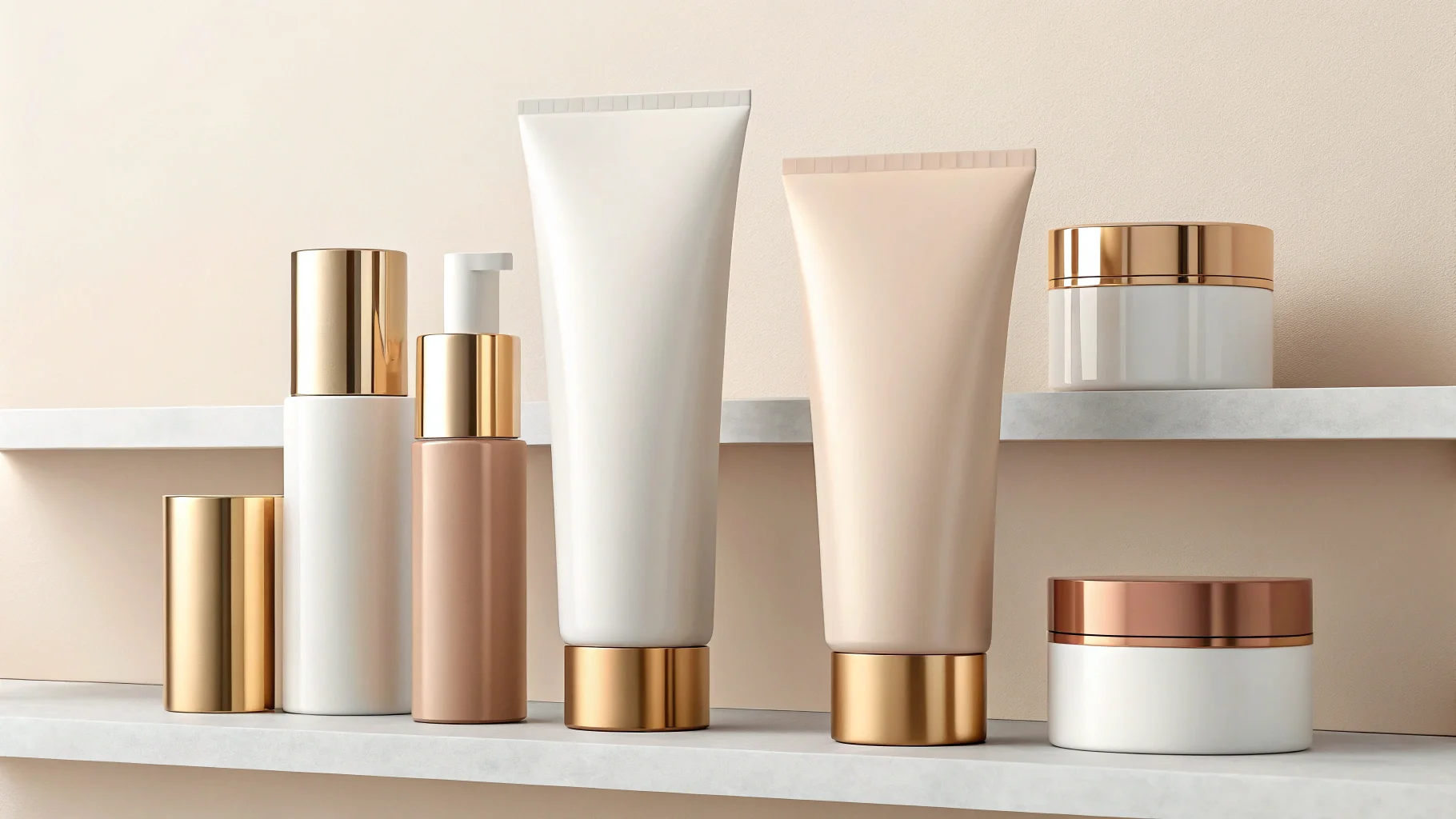
I’ve seen so many brands stumble on this. They focus entirely on the formula inside. They forget that the outside is what gets the customer to pick it up in the first place. The bottle, the box, the label—it all tells a story. So, let’s break down what this really means and why it’s so important for your brand. We’ll start with the basics and go from there.
What Is Cosmetic Packaging Design, and Why Does It Matter?
You think packaging is just a pretty box. But you see competitors connect with customers instantly. You need to understand that packaging is your brand’s first handshake with the consumer.
Cosmetic packaging design1 is the art and science of creating the container and look for a beauty product. It matters because it protects the formula, provides usage information, and acts as a key marketing tool. It builds brand recognition and drives sales right from the shelf.
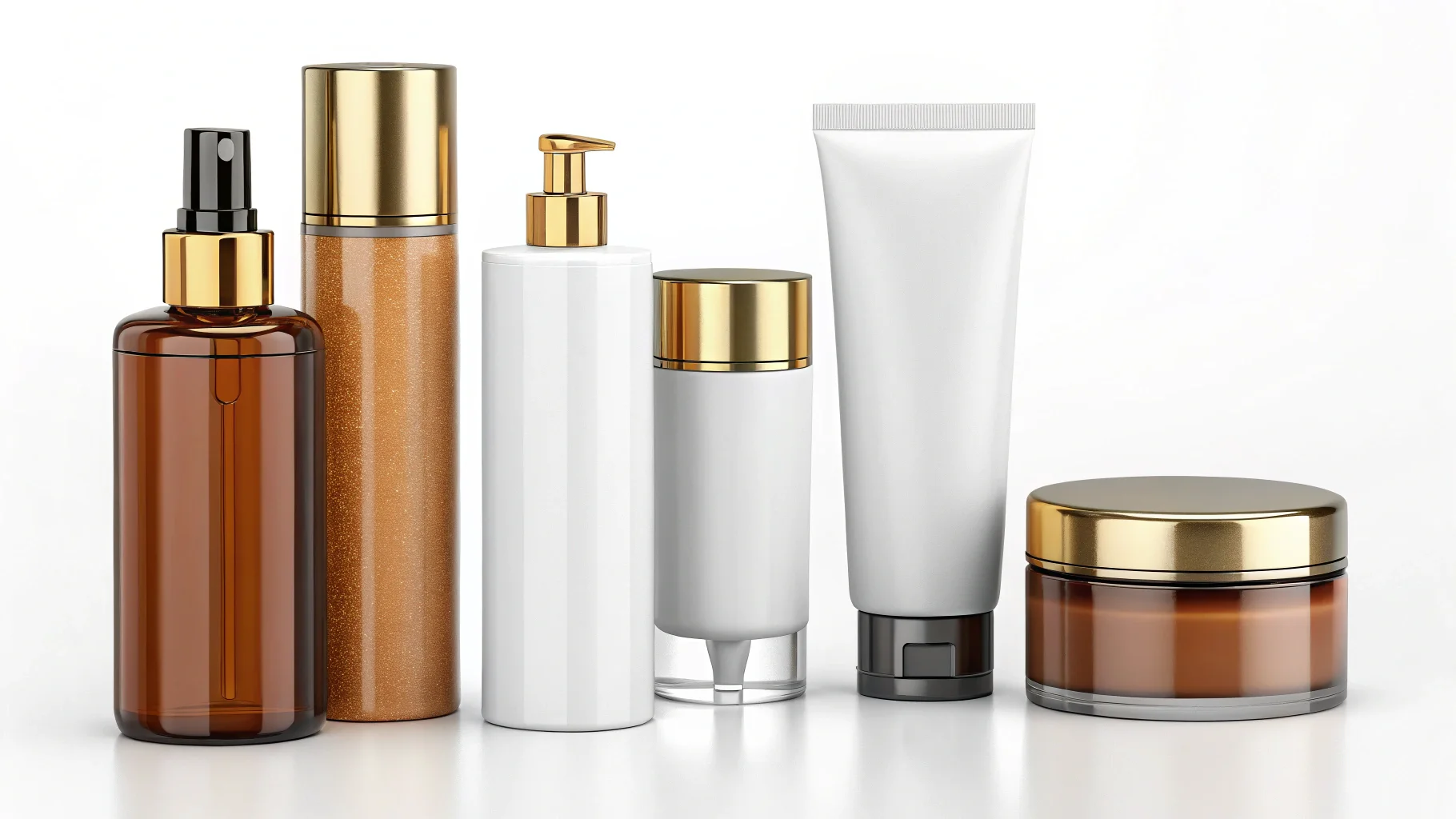
I often tell my clients that packaging has two jobs: a functional one and a marketing one. You cannot have one without the other. On one hand, the design must be practical. It has to protect a sensitive formula from light and air. It needs to be easy for someone to use, whether that’s a pump, a dropper, or a simple jar. On the other hand, it has to do the selling. It’s a physical piece of your brand that people hold in their hands. It tells them if you are a luxury brand, an eco-conscious one, or a fun, budget-friendly option. I once worked with a startup that had a fantastic face oil. But they put it in a cheap plastic bottle. No one bought it because the packaging screamed "low quality," even though the opposite was true. We switched to a heavy, dark glass bottle, and it completely changed how people saw the product. It started selling immediately.
The Functional vs. The Marketing Role
| Aspect | Functional Role (The Science) | Marketing Role (The Art) |
|---|---|---|
| Purpose | Protect the product, ensure safety, provide easy dispensing. | Attract customers, communicate brand story, create desire. |
| Elements | Material stability, airtight seals, ergonomic shape, legal info. | Color psychology, typography, logo placement, unboxing experience. |
| Goal | Usability and Preservation | Brand Perception and Sales |
How Does Packaging Design Influence Consumer Behavior?
Your packaging looks okay, but it doesn’t create excitement. Customers walk right by it. You need a design that stops them, creates desire, and makes them feel something.
Packaging design influences consumers through psychological cues5. Colors evoke emotions, typography suggests personality (luxury vs. budget), and textures create a tactile experience6. A well-designed package builds trust4, implies quality, and can be the deciding factor in a purchase, often in just a few seconds.
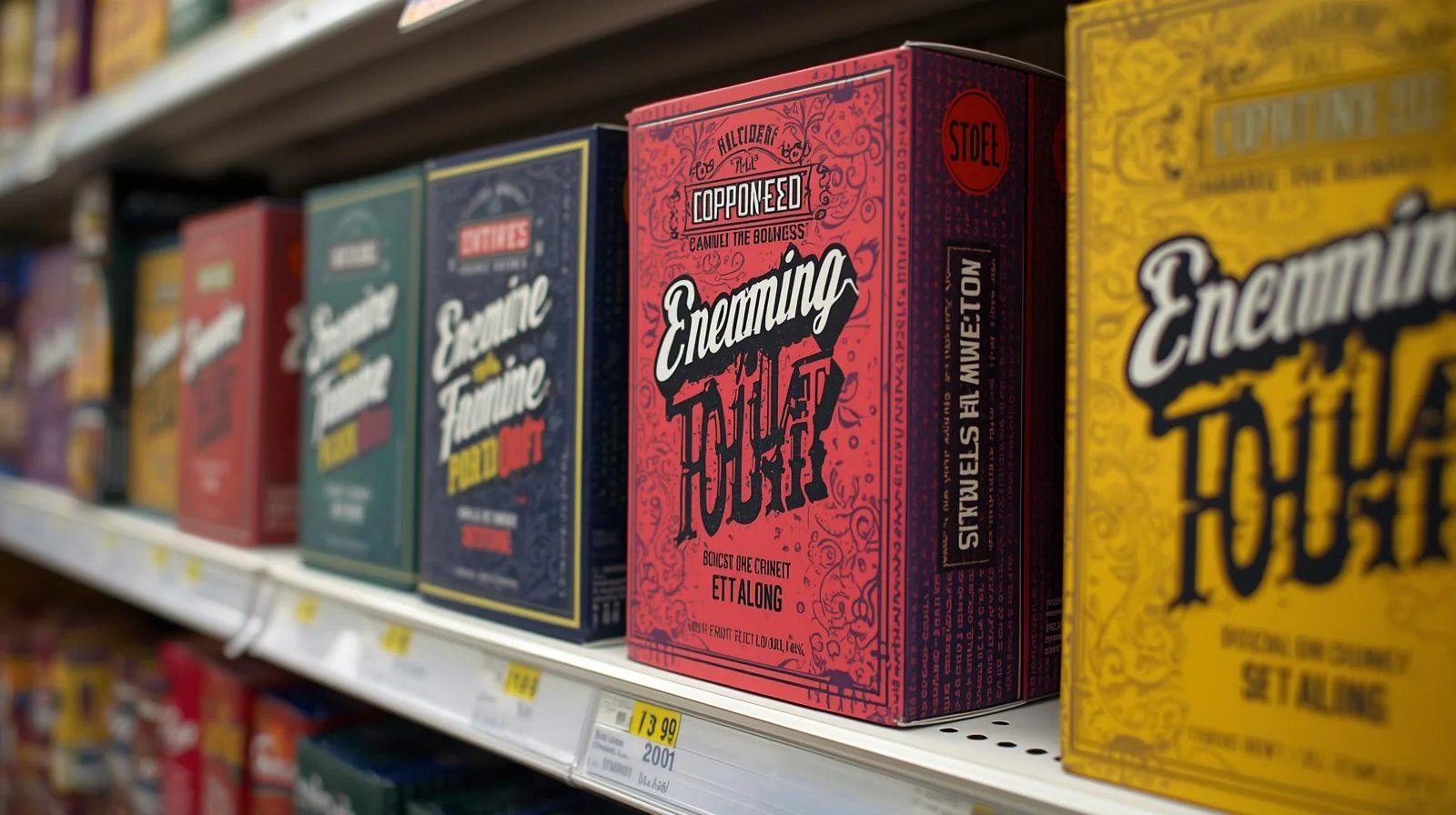
Think about the last time you were in a beauty store. What made you pick something up? It was probably the packaging. Our brains make snap judgments based on visual information. A product in a heavy, minimalist black box feels more luxurious and expensive than one in a bright pink plastic tube. This isn’t an accident. Brands use these signals to attract their target audience. I remember we ran an A/B test for a skincare line. We had two versions of the same box. One was a standard glossy white. The other was a matte, soft-touch paper with a single embossed logo. Sales for the soft-touch version were 20% higher. People said it just felt more premium and trust4worthy. That feeling, that tactile experience6, made them believe the product inside was better before they even opened it. That is the power of influencing behavior through design.
Psychological Triggers in Packaging
| Design Element | Psychological Influence |
|---|---|
| Color | Green suggests natural/organic. Gold suggests luxury. Blue suggests clinical/clean. |
| Shape | Sleek, tall shapes feel elegant. Soft, rounded shapes feel gentle and calming. |
| Texture | A matte, soft finish feels premium. A rough, recycled paper feels earthy. |
| Typography | A serif font can feel traditional and high-end. A sans-serif font feels modern and clean. |
What Are the Core Elements of Effective Cosmetic Packaging Design?
Your design looks messy and confusing. Customers don’t know what your product is for. You need a clear, cohesive design that communicates everything at a single glance.
Effective cosmetic packaging combines several core elements. These include clear branding and logo placement, readable typography, a strategic color palette, and functional form. It must also feature essential information like ingredients and instructions, all while creating a strong visual appeal7 that stands out on the shelf.
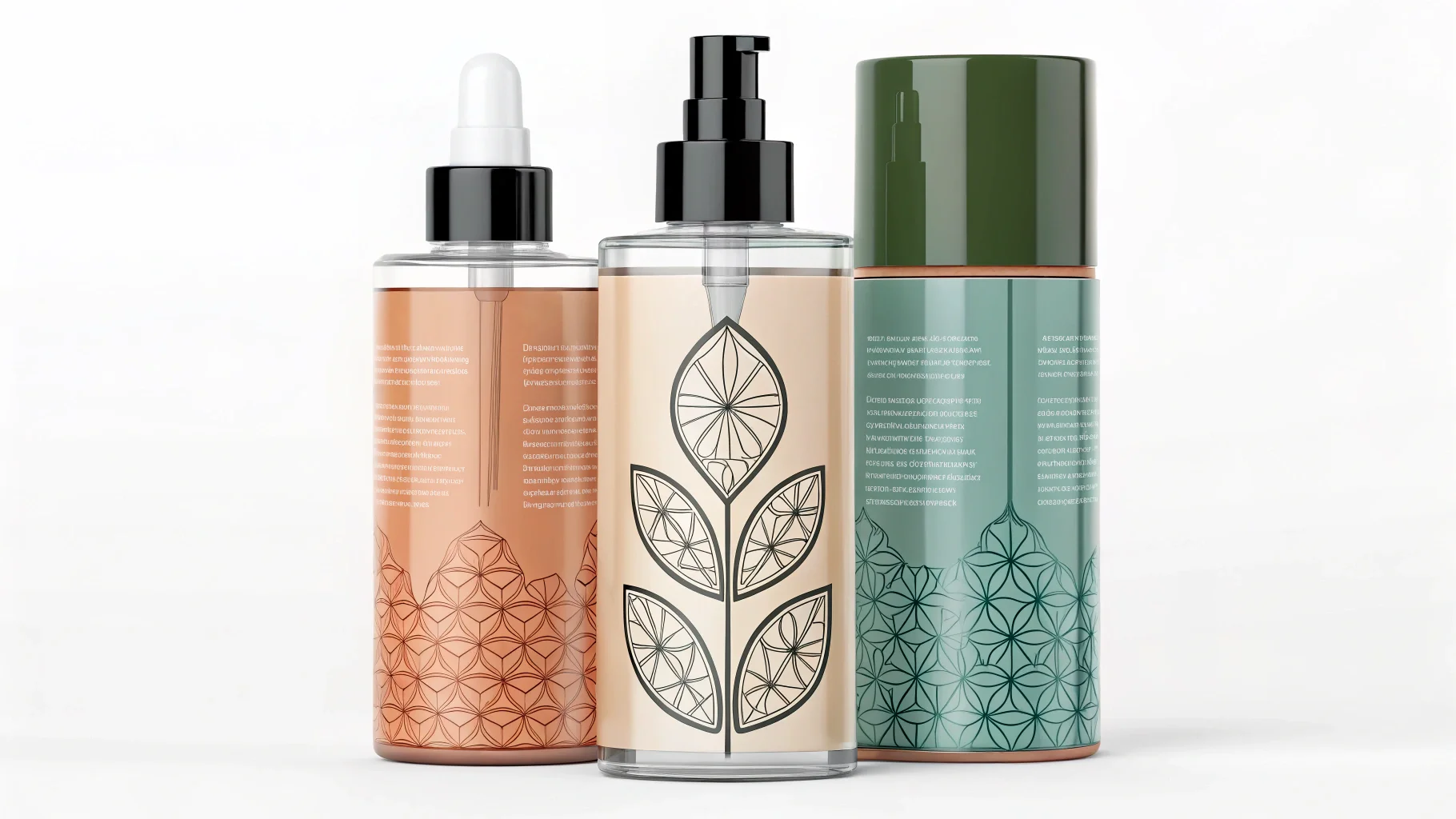
An effective design is a balanced system where every element has a purpose. It’s not just about looking good; it’s about communicating clearly and quickly. First, you need a clear visual hierarchy. What is the most important thing for the customer to know? It’s usually the brand name and what the product is. That should be the easiest thing to see. Next comes the material and form. Does the bottle feel good in your hand? Is it easy to get the product out? I once worked on a body lotion. The original bottle was a beautiful, sculptural piece of art. But it was made of rigid plastic, and it was impossible to squeeze the lotion out when it was half empty. Customers complained constantly. We redesigned it with a simpler shape and a softer material. The artistic "wow" factor went down a bit, but usability went way up, and so did sales and customer satisfaction8. People want products that solve a problem, not create one.
Key Design Elements and Their Purpose
| Element | Primary Purpose |
|---|---|
| Branding | Instant recognition of your brand. |
| Information Hierarchy | Guides the customer’s eye to the most important info first. |
| Color Palette | Sets the mood and communicates brand values. |
| Typography | Conveys personality and ensures readability. |
| Material & Form | Creates a tactile experience6 and ensures functionality. |
How Can Packaging Design Be Used as a Brand Positioning Tool?
Your brand feels generic. It blends in with countless others. You need your packaging to scream who you are—luxury, natural, clinical, or fun—to attract your ideal customer.
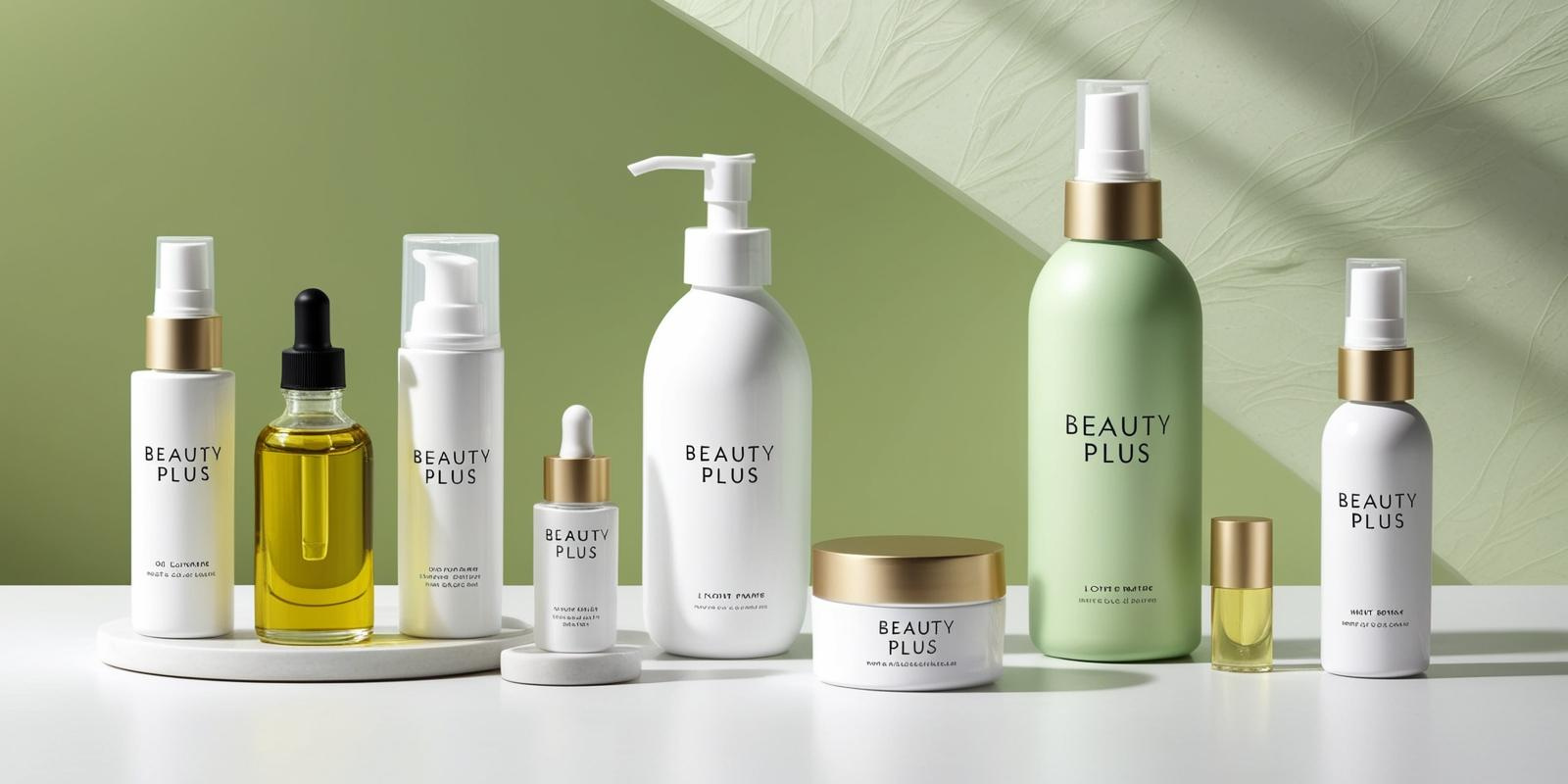
Packaging is a powerful tool to position your brand in the market. A minimalist design with heavy glass can signal luxury. Earthy tones and recycled materials communicate a natural, eco-friendly brand. Bright colors and playful fonts can position a brand as youthful and affordable.
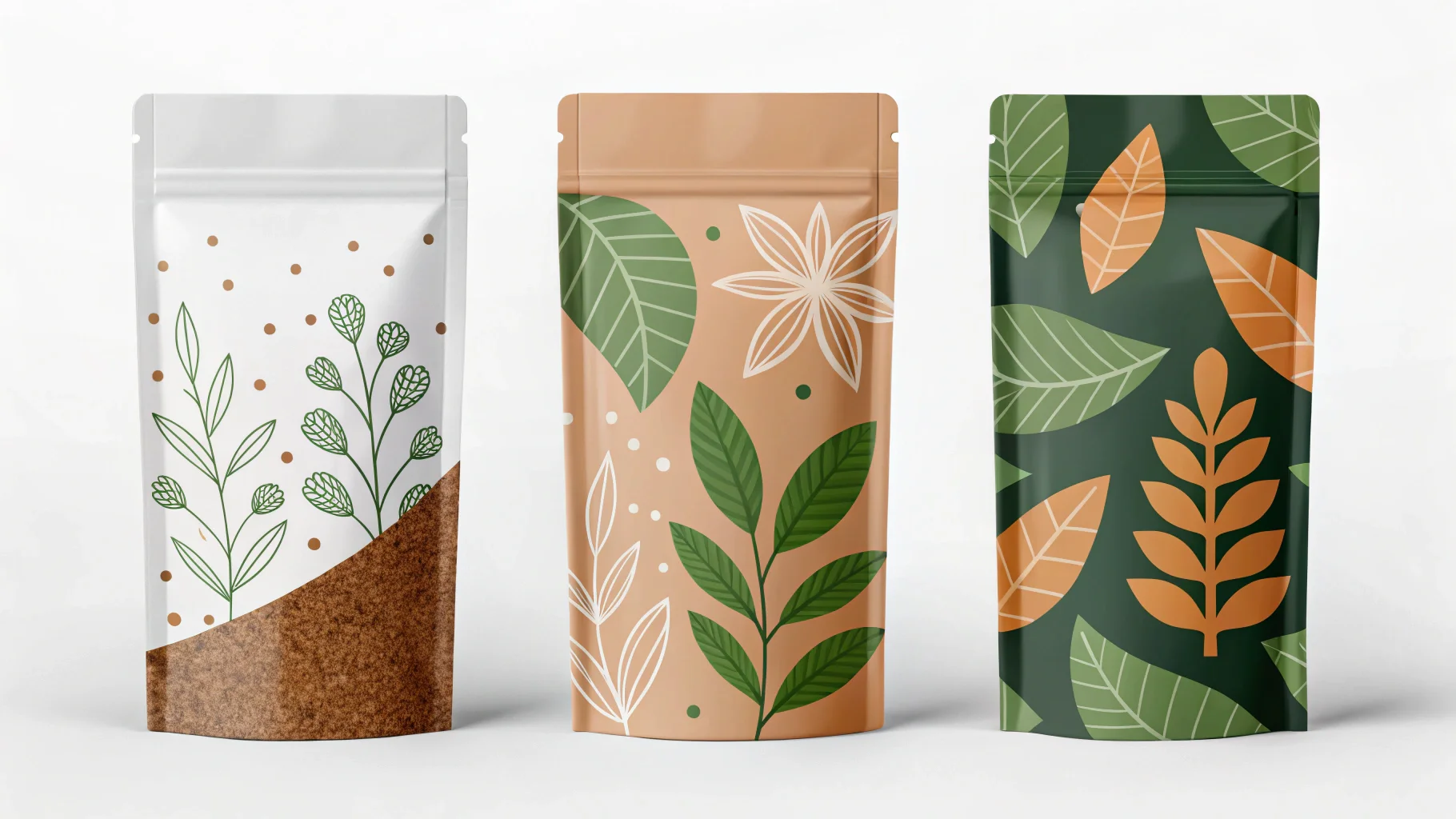
Your packaging is your uniform. It tells people which team you play for. You can’t say you’re a high-end, exclusive brand and then show up in cheap, flimsy packaging. The story has to be consistent. I worked with a client who wanted to launch a premium, anti-aging serum. Their initial designs used bright, playful colors. I had to explain that this was sending the wrong message. Their target customer, who is willing to spend over $100 on a serum, is looking for something that feels serious, scientific, and luxurious. We shifted the entire design strategy. We moved to a dark, frosted glass bottle, a box with a linen-like texture, and simple, elegant typography. This new packaging positioned the product as a serious contender in the luxury market. It attracted the right customers and justified the high price point. The packaging didn’t just hold the product; it built the brand’s entire perceived value.
Positioning Strategy and Design Choices
| Brand Position | Material Choices | Color Palette | Typography |
|---|---|---|---|
| Luxury | Heavy glass, metal accents, soft-touch finishes. | Black, white, gold, deep jewel tones. | Elegant serifs, minimalist sans-serifs. |
| Natural/Organic | Recycled paper, bamboo, glass, PCR plastic. | Earth tones: greens, browns, creams. | Clean, simple sans-serifs, script fonts. |
| Clinical/Dermatological | Clean white plastic, aluminum, simple glass. | White, blue, silver, grey. | Clear, no-nonsense sans-serif fonts. |
Why Is Sustainability in Cosmetic Packaging Design So Important Now?
Consumers are judging your brand’s environmental impact. They see excessive plastic and waste. You need packaging that shows you care, or you risk losing customers to greener brands.
Sustainability is crucial because modern consumers demand it. They prefer brands that use recycled, recyclable, or biodegradable materials. Sustainable packaging reduces environmental impact, enhances brand reputation, and appeals to a growing market of eco-conscious buyers, making it a key competitive advantage.
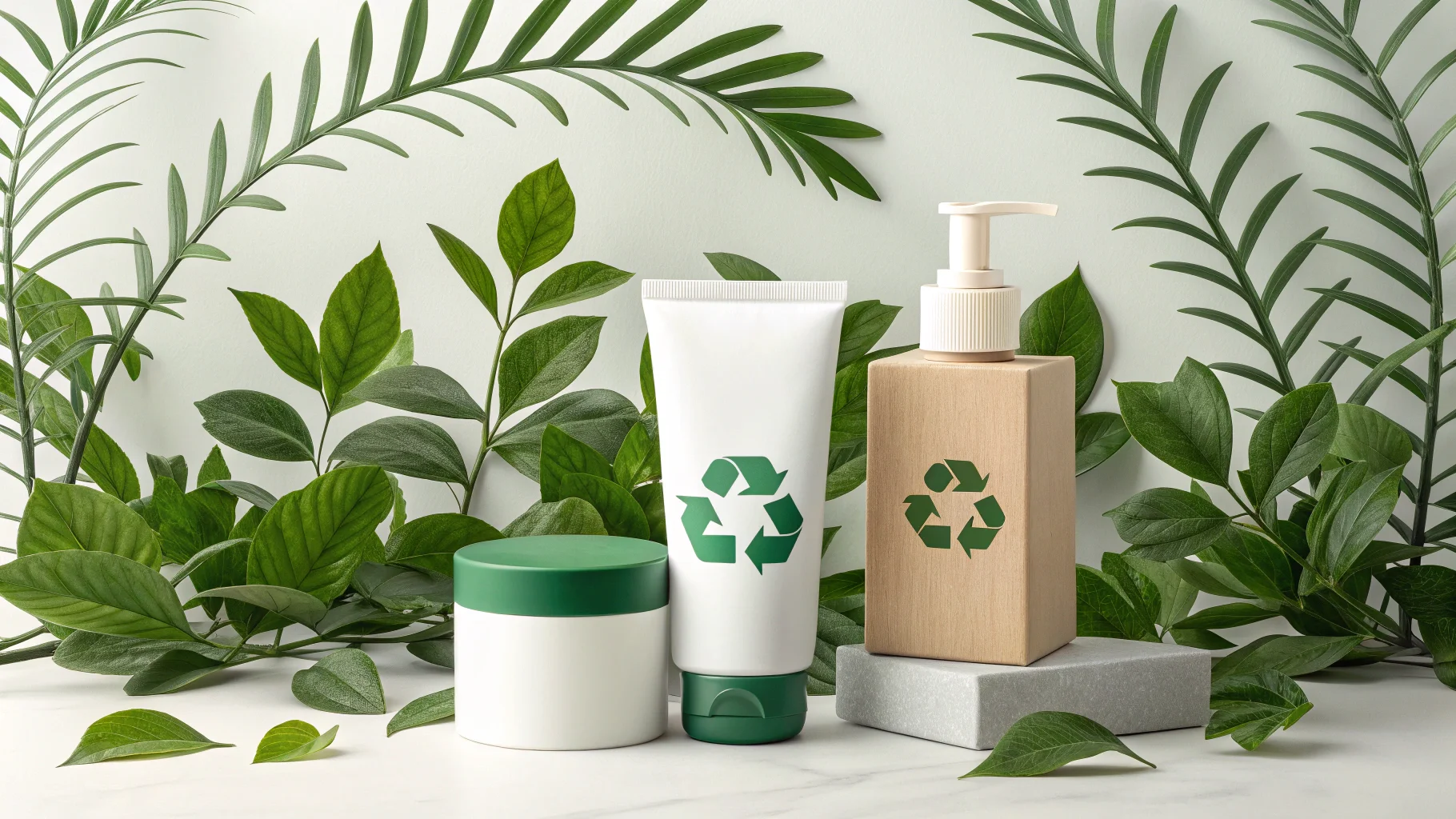
Sustainability is no longer a "nice to have"; it’s a "must-have." I see it in every design brief I get. Customers are smart. They look for symbols on the box, they research materials, and they will call out brands for "greenwashing"—pretending to be eco-friendly when they’re not. This means you have to be authentic. It’s not just about using recycled paper for your box. It’s about thinking through the entire lifecycle of your packaging. Can this jar be refilled? Is this tube made from a single material so it’s easy to recycle? I had a client who was one of the first to introduce a refillable pod system for their moisturizer. The initial jar was an investment for the customer, but the refill pods were cheaper and used 90% less plastic. It was a huge hit. It built an incredibly loyal community because customers felt good about their purchase and felt the brand shared their values.
Pros and Cons of Sustainable Materials
| Material | Pros | Cons |
|---|---|---|
| PCR Plastic | Reuses existing plastic, reduces waste. | Can have color inconsistencies, not infinitely recyclable. |
| Glass | Infinitely recyclable, feels premium, protects formula well. | Heavy (higher shipping costs/carbon footprint), breakable. |
| Aluminum | Infinitely recyclable, lightweight, good barrier. | Dents easily, can be more expensive. |
| Refillable Systems | Reduces overall waste significantly, builds customer loyalty. | Higher initial development cost, requires consumer education. |
What Is the Reality Gap Between a Design Concept and Mass Production?
You have a beautiful 3D render of your packaging. But your manufacturer says it’s impossible to make. You need a design that is both stunning and manufacturable.
The reality gap9 is the difference between an ideal design concept and what can be realistically and affordably mass-produced. Issues like material limitations, machinery capabilities, color matching, and assembly costs can force major compromises, altering the final product and increasing expenses if not considered early.
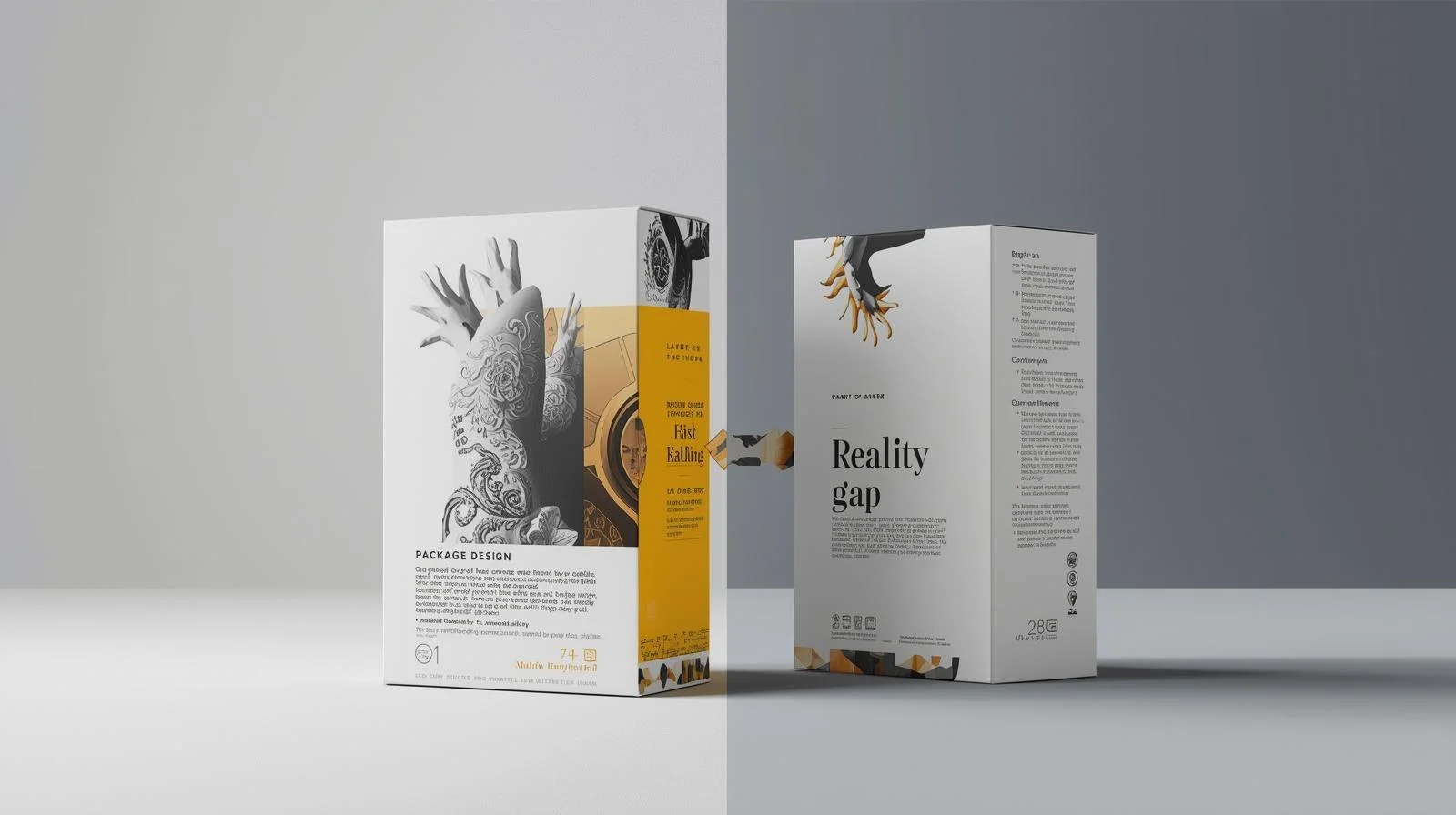
This is the single biggest hurdle I see brands face. A designer can create a stunning concept on a computer. But that computer doesn’t know the limitations of a molding machine or the way ink settles on a specific type of paper. I call this the "reality gap9." The only way to close it is to talk to your manufacturers and suppliers from day one. I insist on it with my clients. I once had a project with a very unique, custom-shaped cap. The 3D render was gorgeous. But when we took it to the manufacturer, the cost to create the custom mold was more than the brand’s entire first-year marketing budget. We had to go back to the drawing board. We found a stock cap that was close in shape and designed a custom sleeve to go over it. It achieved 90% of the original look for 10% of the cost. Great design isn’t about ignoring constraints. It’s about finding creative solutions within them.
Design Dreams vs. Production Reality
| Design Dream | Production Reality |
|---|---|
| A hyper-unique bottle shape. | May require an extremely expensive custom mold. |
| A perfect, specific brand color. | Color can vary greatly between materials (paper vs. plastic vs. glass). |
| A delicate, intricate design. | May be too fragile for shipping or too complex for an assembly line. |
| Multiple materials and parts. | Increases assembly time and cost, can make recycling difficult. |
What Are the Most Common Cosmetic Packaging Design Mistakes to Avoid?
Your new packaging is launched, but it’s a flop. It’s hard to open, or the text is unreadable. You need to avoid these common mistakes10 that kill sales.
Common mistakes include over-designing with too much clutter, choosing unreadable fonts, and ignoring functionality. Other errors are failing to consider the retail environment, using materials that don’t protect the product, and creating a design that isn’t scalable or is too expensive to produce.
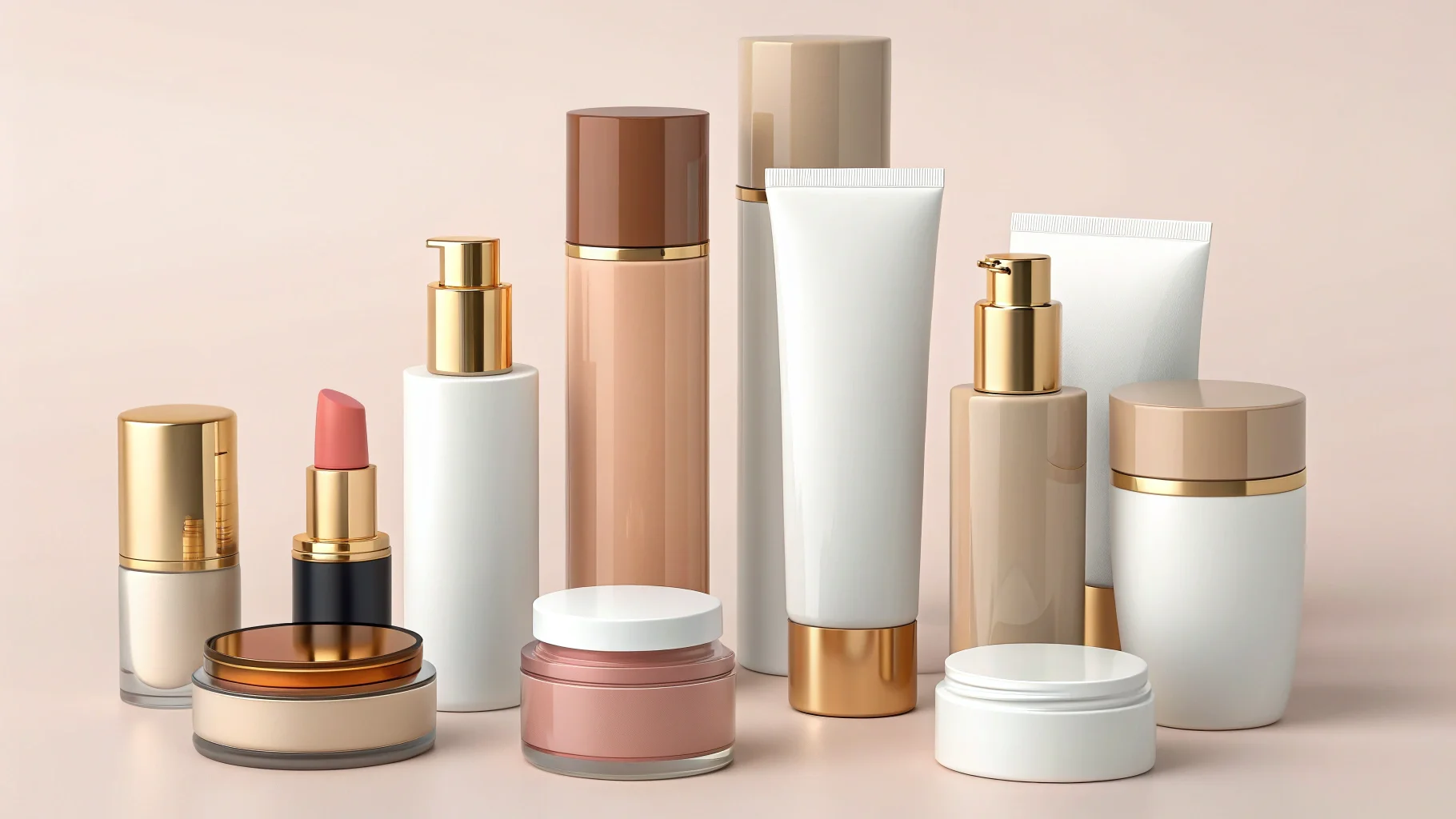
I’ve seen the same mistakes made over and over again. The most common one is trying to say too much. The designer crams every feature and benefit onto the front of the box. The result is a cluttered mess that customers ignore because it’s too much work to figure out. Another big one is forgetting where the product will be sold. I had a client whose packaging looked beautiful in our well-lit design studio. But when we put it on a shelf in a store, under bad lighting and surrounded by 50 other products, it became invisible. The subtle colors and delicate font just disappeared. We had to do a quick redesign to increase the font size and add a single, bold pop of color to make it stand out. You have to design for the real world, not for a perfect portfolio photoshoot. Functionality is a close third. If your customer can’t easily open or use your product, they will not buy it again.
Common Mistakes and How to Fix Them
| The Mistake | The Consequence | The Solution |
|---|---|---|
| Too Much Information | Confuses the customer, looks cluttered. | Focus on 1-2 key benefits. Use a clear information hierarchy. |
| Ignoring Functionality | Frustrates the user, leads to bad reviews. | Test physical prototypes with real users. Prioritize ease of use. |
| Not Shelf-Testing | Product gets lost next to competitors. | Create mockups and place them in a real retail environment to test visibility. |
| Unreadable Typography | Customers can’t read what the product is or how to use it. | Choose clear, legible fonts. Ensure high contrast between text and background. |
How Can You Build a Successful Packaging Design Strategy?
You feel lost about where to even start with packaging. The process seems overwhelming. You need a clear, step-by-step strategy to guide you from idea to a successful launch.
A successful strategy starts with defining your brand identity, target audience, and budget. Research your competitors, choose appropriate materials, and collaborate with designers and manufacturers early. The key is to create a design that is attractive, functional, manufacturable, and aligned with your overall business goals.
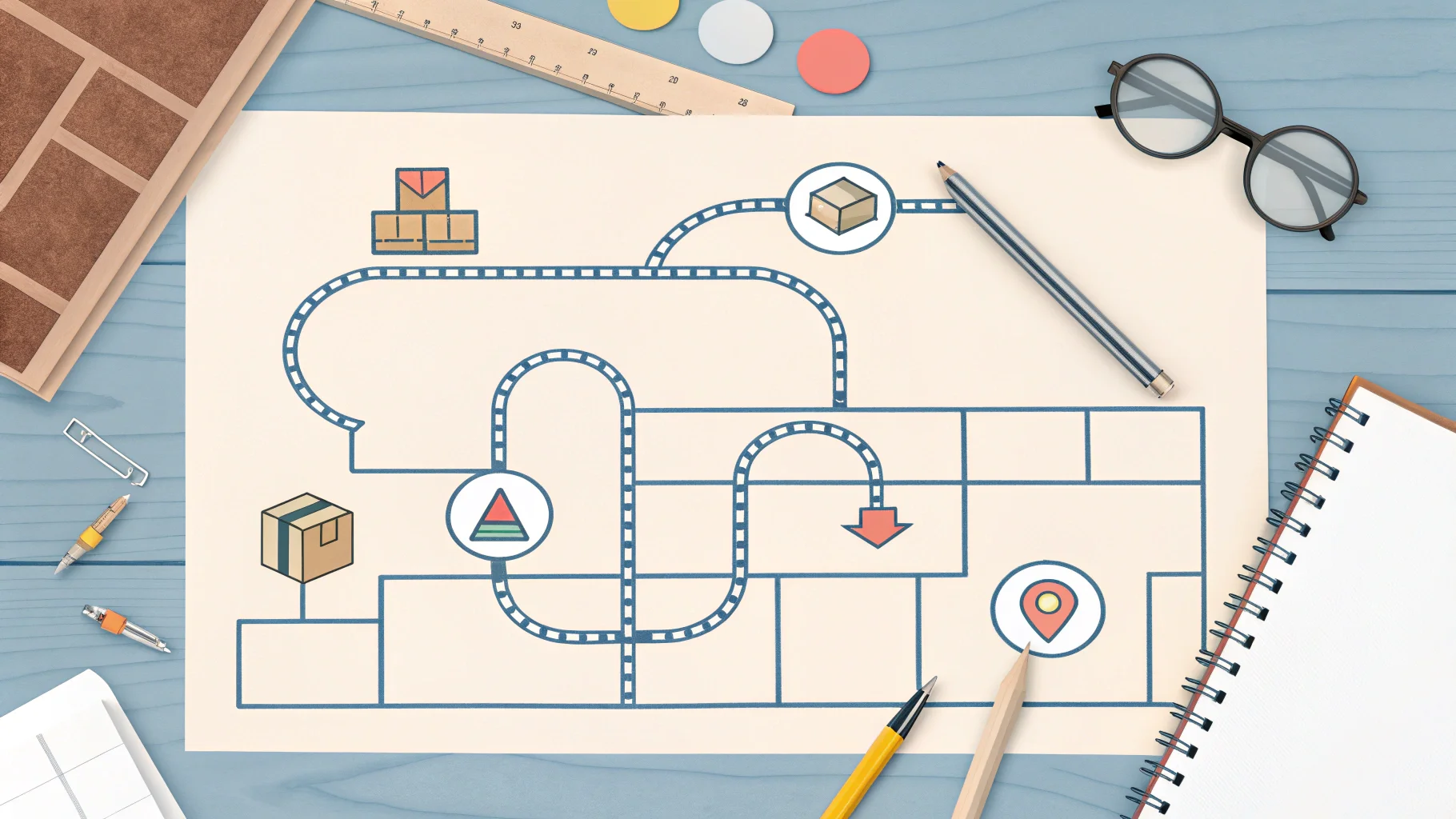
Building a great packaging strategy isn’t a mystery. It’s a process. It always starts with a solid brief. You have to be able to answer fundamental questions before you even think about design. Who are we? Who is our customer? What is our price point? What is our unique selling proposition? Once you have that foundation, you can move into the creative part. This is where you explore concepts and ideas. But you must quickly move to physical prototypes. I never finalize a design based on a screen. You have to hold it, feel it, use it. And you must involve your manufacturer in this phase. Show them your prototypes. Ask them for feedback on materials and processes. This collaboration saves you so much time and money later. It stops you from falling in love with an idea that can’t be made. Remember, packaging design is not a single event. It’s a strategic process of balancing your brand’s vision with the physical and financial realities of production.
A Simplified 5-Step Strategy
| Step | Key Actions |
|---|---|
| 1. Strategy & Brief | Define your brand, audience, budget, and competitors. |
| 2. Concept Design | Brainstorm ideas, create mood boards, and develop initial 2D and 3D concepts. |
| 3. Prototyping | Create physical mockups. Test for functionality, feel, and shelf impact. |
| 4. Supplier Collaboration | Share prototypes with manufacturers. Refine design based on feasibility and cost. |
| 5. Finalization & Production | Finalize all artwork and technical specs. Begin mass production. |
Conclusion
In cosmetics, packaging is your brand’s silent ambassador. A great design that balances creativity with production reality isn’t just an expense—it’s a core strategic investment in your success.
-
Understanding cosmetic packaging design can enhance your brand’s identity and sales. ↩ ↩
-
Explore how effective packaging can convey your brand’s values and attract customers. ↩
-
Learn how packaging influences consumer decisions without saying a word. ↩
-
Discover the psychological aspects of packaging that foster consumer trust. ↩ ↩ ↩
-
Explore the psychological triggers that can enhance your packaging design. ↩
-
Explore how tactile elements can enhance consumer engagement with your product. ↩ ↩ ↩
-
Learn how to create visually appealing packaging that stands out on shelves. ↩
-
Explore the link between packaging design and customer satisfaction. ↩
-
Understanding the reality gap can help you create manufacturable designs. ↩ ↩
-
Avoiding common design mistakes can significantly improve your product’s success. ↩