Your product is amazing, but it’s sitting on the shelf. Could the packaging be turning customers away? Let’s explore how to make it a powerful sales tool.
Cosmetic packaging1 is a critical factor in a customer’s purchasing decision. It creates the first visual impression2, communicates brand values3, and impacts the user experience4. Great packaging signals quality and trustworthiness, making customers more likely to buy the product and remain loyal to the brand.
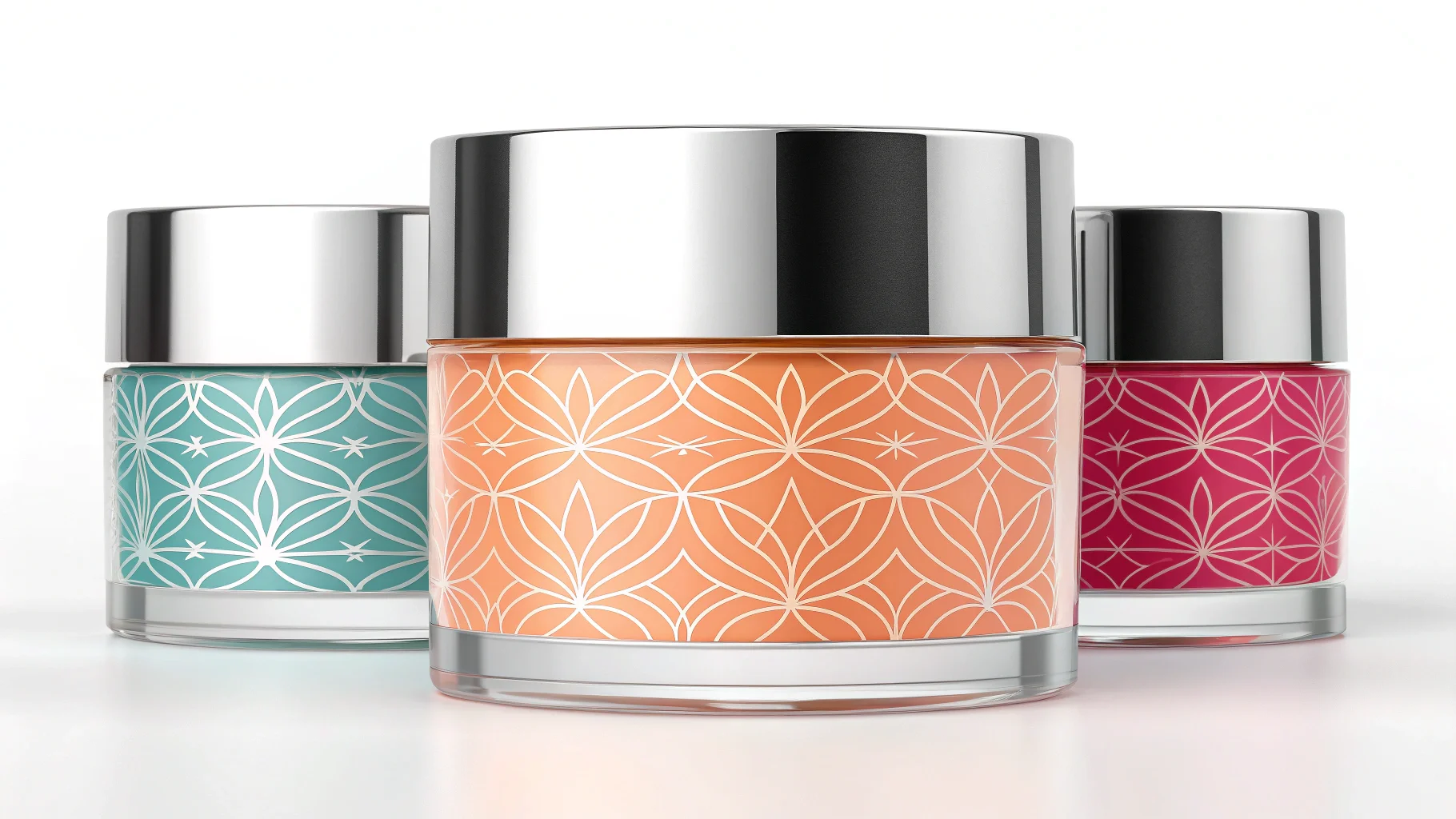
That first glance is so important. But packaging is about more than just a pretty face. It’s a silent salesperson, a brand ambassador, and a functional tool all in one. I’ve seen firsthand how the right box or bottle can make or break a product launch. Let’s explore exactly how it works and what you need to focus on to get it right.
Why is an introduction to packaging’s impact so important?
You might think your product’s quality is everything. But what if your packaging is sending the wrong message? This oversight could be costing you sales and brand recognition.
A proper introduction sets the stage. It helps you understand that packaging isn’t just a container; it’s a critical marketing tool. It influences perception, drives sales, and builds brand loyalty from the very first moment a customer sees your product on the shelf.
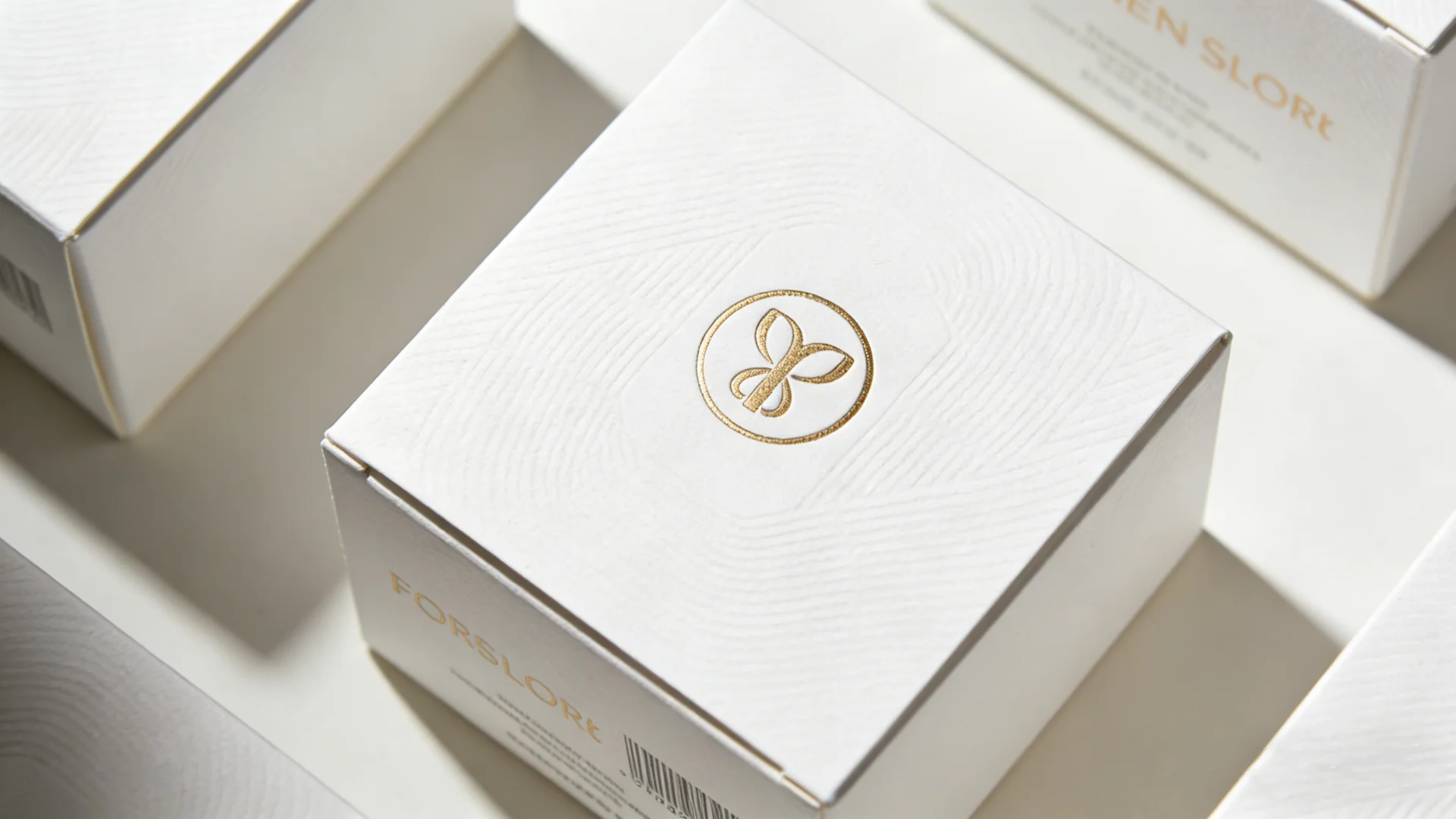
I once worked with a startup that had a fantastic organic serum. The formula was top-notch. But they put it in a cheap-looking, generic plastic bottle. It sat on shelves for months. We didn’t change the formula at all. We just moved it into a beautiful frosted glass bottle with a clean, minimalist label. Sales tripled in the first month. This showed me that packaging is not just a container; it’s the initial handshake with your customer. It sets expectations for everything else. You must understand its core functions to succeed. It has to protect the product, but it also has to attract, inform, and differentiate your brand from the dozens of others right next to it. Getting this right from the start is non-negotiable.
| Packaging Function | How It Impacts the Consumer |
|---|---|
| Protection | Builds trust that the product is safe and effective. |
| Attraction | Creates desire and makes the customer pick it up. |
| Information | Educates the buyer on ingredients and benefits. |
| Differentiation | Makes your brand memorable and easy to find again. |
How much do first impressions from packaging truly matter?
Your product is on a crowded shelf, but it’s getting overlooked. Is its "outfit" failing to catch the eye and make a strong, positive first impression?
First impressions are everything in retail. The packaging is the very first thing a customer sees, and it can make them pick up your product or ignore it completely. A visually appealing design instantly suggests quality and value, making the sale before they even know what’s inside.
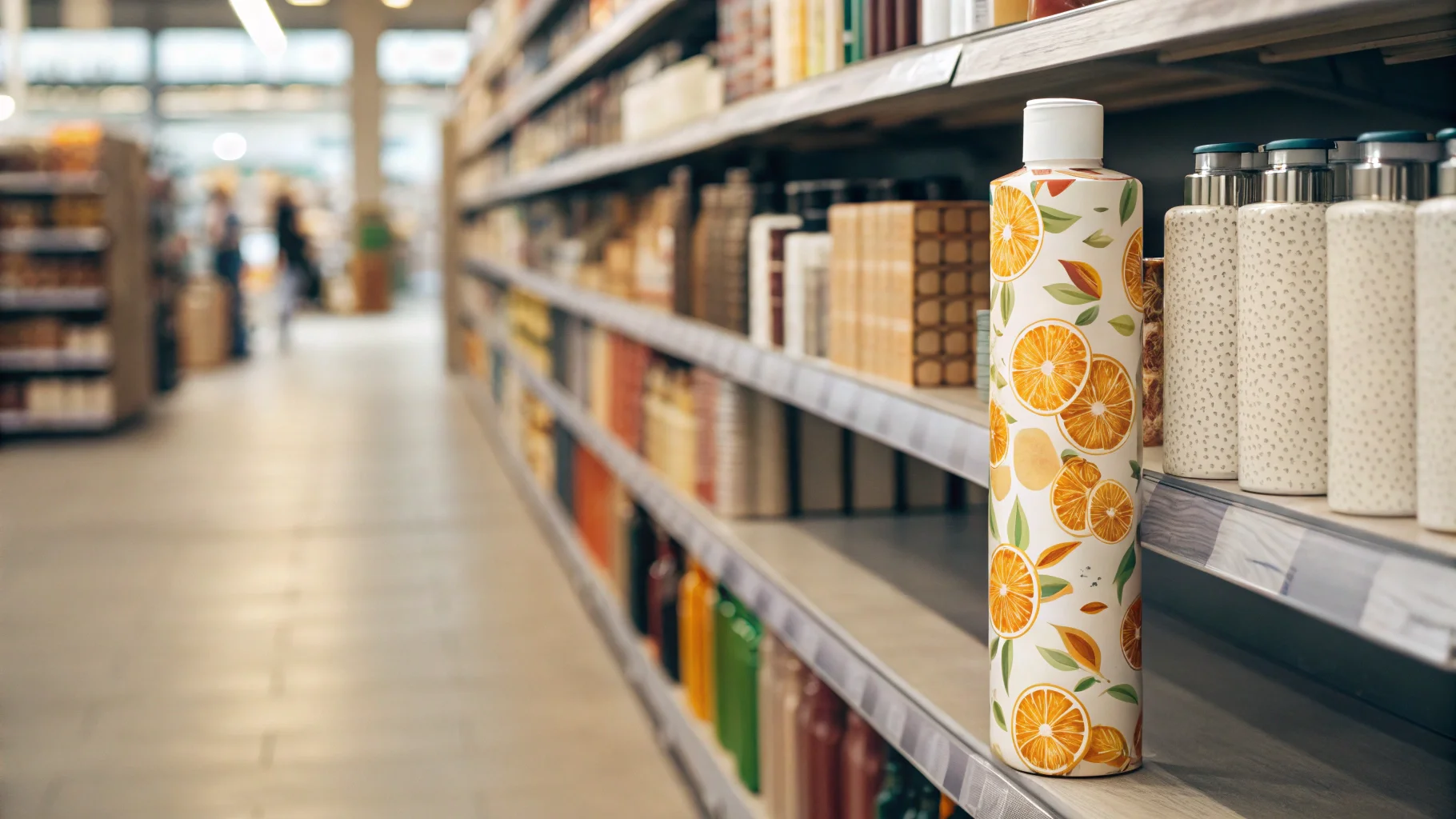
In the busy world of retail, you have about three seconds to grab a shopper’s attention. This is where the psychology of design5 comes into play. The colors, fonts, and shapes you choose all send subconscious messages. A few years ago, I helped a brand A/B test two package designs for a new moisturizer. One was a bold, bright pink box. The other was a simple, elegant white box with gold foil lettering. The product inside was identical. The white and gold box outsold the pink one by a four-to-one margin. Why? Because customers associated the elegant design with a more luxurious and effective product. They believed it was worth a higher price. This simple test proved that visual cues6 are not just decorative; they are powerful tools that directly influence perceived value and the decision to buy.
| Design Element | Psychological Association |
|---|---|
| Color (e.g., Green, Gold) | Natural/Organic, Luxury/Premium |
| Font (e.g., Serif, Sans-serif) | Traditional/Trustworthy, Modern/Clean |
| Shape (e.g., Sleek, Ornate) | Minimalist/Efficient, Detailed/Luxurious |
Can poor functionality and user experience4 ruin great packaging?
The package looks amazing, but it’s a nightmare to open. This frustration can sour the customer’s entire experience. Are you prioritizing looks over usability?
Absolutely. If a package is difficult to open, doesn’t dispense product well, or breaks easily, it creates a negative user experience4. This frustration can overshadow a great product and prevent repeat purchases. Functionality is just as important as aesthetics for customer satisfaction.
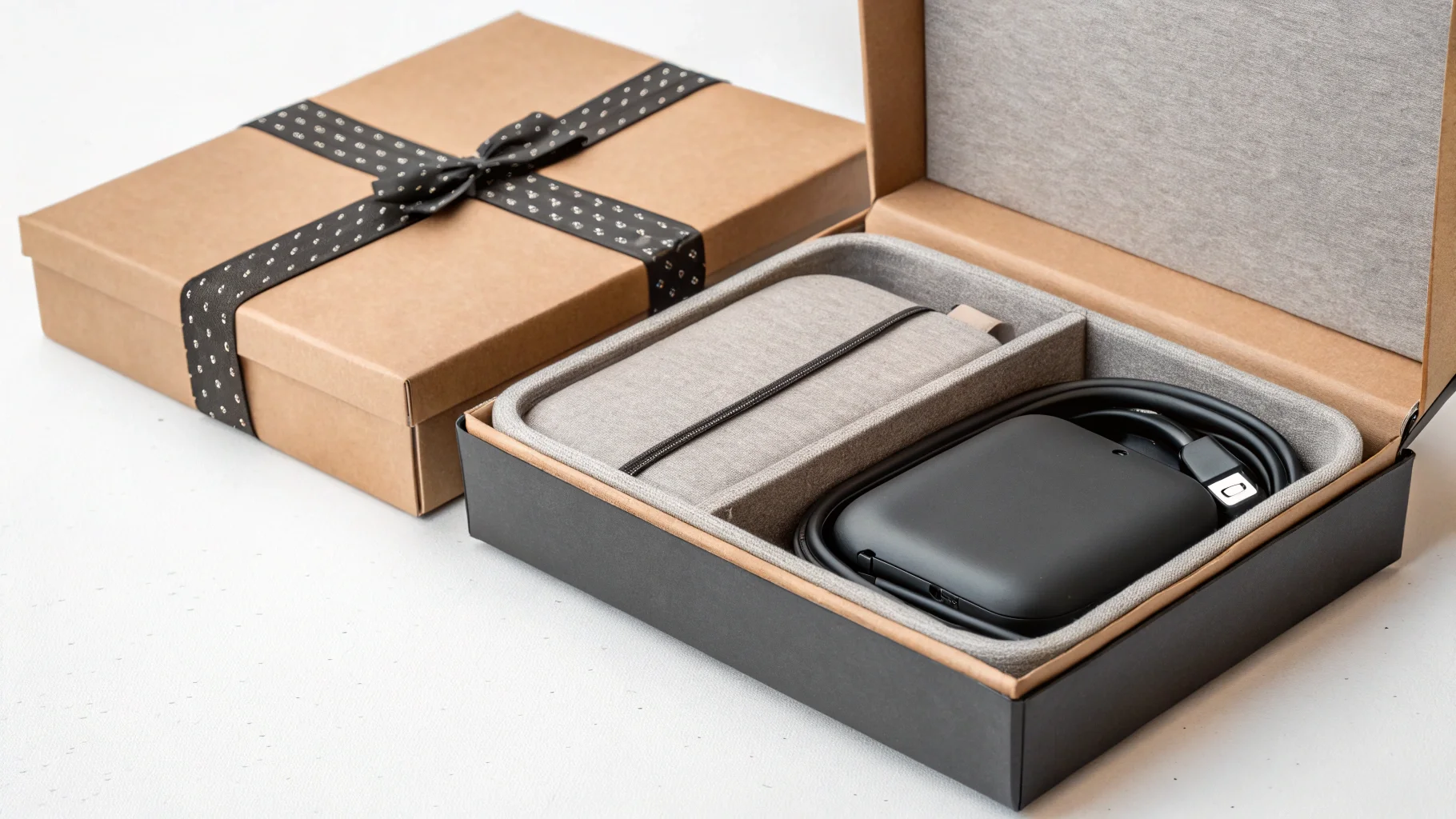
The "unboxing" is just the beginning. The daily use of the product is where functionality really shows its worth. I remember a client who launched a face cream in a beautiful, wide-mouthed glass jar. It looked stunning on a vanity. But we started getting feedback that customers hated getting the cream stuck under their fingernails. It was a small annoyance, but it was a daily one. We switched the product to an airless pump dispenser. It wasn’t as visually striking, but it was clean, hygienic, and easy to use. Customer satisfaction scores soared, and repeat purchases went up. The lesson was clear: a beautiful package that is frustrating to use will not win you long-term fans. The way a product is dispensed and handled every day is a huge part of the overall brand experience.
| Dispenser Type | Best For | User Experience Pro / Con |
|---|---|---|
| Airless Pump | Serums, Lotions | Pro: Hygienic, protects formula. Con: More expensive. |
| Dropper | Oils, Treatments | Pro: Precise application. Con: Risk of spillage/contamination. |
| Squeeze Tube | Creams, Gels | Pro: Easy to control amount. Con: Can get messy near the cap. |
Does sustainable and eco-friendly packaging really influence buyers today?
Consumers are more eco-conscious than ever. Is your excessive plastic packaging alienating a huge part of your target market? This could be damaging your brand’s reputation.
Yes, it has a massive influence. Many consumers actively seek out brands that use sustainable, recyclable, or minimalist packaging. Choosing eco-friendly options7 not only reduces environmental impact but also signals that your brand shares your customers’ values, building trust and attracting a loyal following.
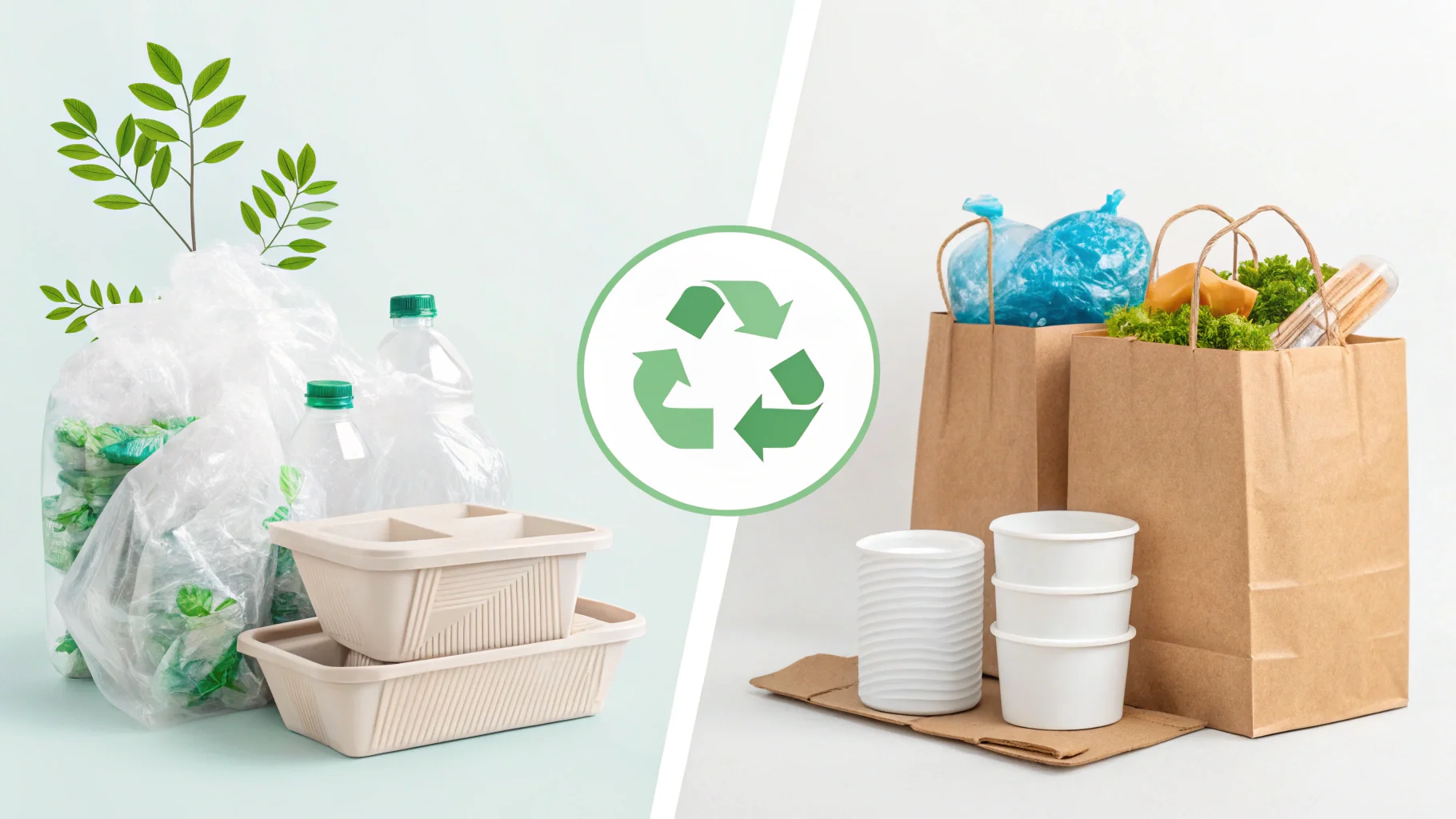
The rise of the "conscious consumer" has completely changed the game. It’s no longer enough for a product to be good; the brand behind it has to be good, too. A few years back, I worked with a mid-sized skincare line that was still using virgin plastic for all its bottles and jars. Their customers started leaving comments on social media asking for more sustainable options. We guided them through a transition to Post-Consumer Recycled (PCR) plastic and glass. We also introduced a refill program for their best-selling cleanser. The positive PR they received was incredible. They didn’t just keep their old customers; they attracted a whole new audience that was drawn in by their commitment to sustainability. This move showed that eco-friendly packaging isn’t a cost; it’s an investment in your brand’s reputation and future growth.
| Sustainable Material | Pros | Cons |
|---|---|---|
| Glass | Infinitely recyclable, premium feel | Heavier, breakable, higher shipping cost |
| PCR Plastic | Reduces new plastic production, lightweight | Can have color/clarity limitations |
| Bamboo | Fast-growing renewable resource, unique look | Can be sensitive to moisture, higher cost |
What is the psychological impact of a package’s material and texture?
You’ve chosen a standard, cheap-feeling plastic bottle. Does it feel premium in the customer’s hand? This tactile experience8 could be undermining your product’s perceived value.
The feel of a package has a huge psychological impact. A heavy glass jar feels luxurious and substantial. A soft-touch matte finish communicates sophistication. The material and texture are tactile cues that reinforce brand messaging and directly influence how a customer perceives the quality and price of the product inside.
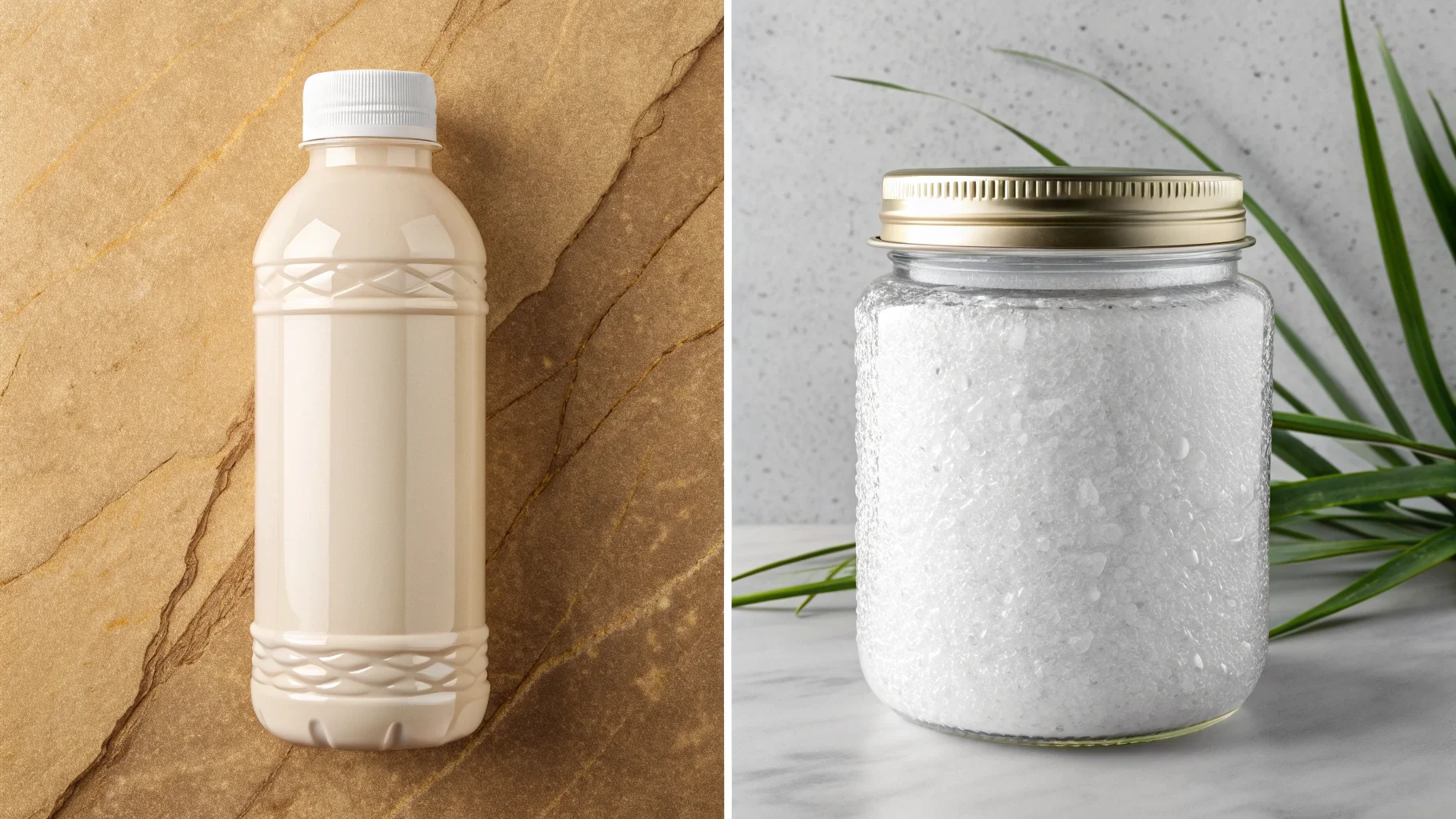
We experience the world through our senses, and touch is a powerful one. This is the core of sensory marketing. What a product’s packaging feels like in your hand can be just as important as what it looks like. I saw this in action with a luxury anti-aging cream. The brand was deciding between a standard plastic jar and a heavier, frosted glass jar with a metal cap. We created samples for a focus group. The formula inside was identical. Overwhelmingly, the participants said the cream in the heavy glass jar felt more "effective" and "premium." They were even willing to pay 30% more for it. The weight, the cool touch of the glass, and the satisfying ‘click’ of the cap all worked together to create a perception of higher quality. Never underestimate the power of touch.
| Tactile Sensation | Perceived Value | Common Example |
|---|---|---|
| Heavy Weight | Premium, Substantial, Effective | A thick-walled glass cream jar |
| Soft-Touch Matte | Modern, Sophisticated, Understated | A serum bottle or secondary box |
| High-Gloss Finish | Clean, Sleek, Vibrant | A brightly colored tube of face wash |
How does packaging build long-term brand loyalty9?
You got the first sale, but customers aren’t coming back. Is your generic packaging making your brand forgettable? A lack of connection means no loyalty.
Consistent, recognizable packaging creates a strong brand identity10. When customers can easily spot your product, it builds familiarity and trust. A positive unboxing and user experience4 turns a one-time purchase into a ritual, creating an emotional connection that fosters long-term loyalty and repeat business.
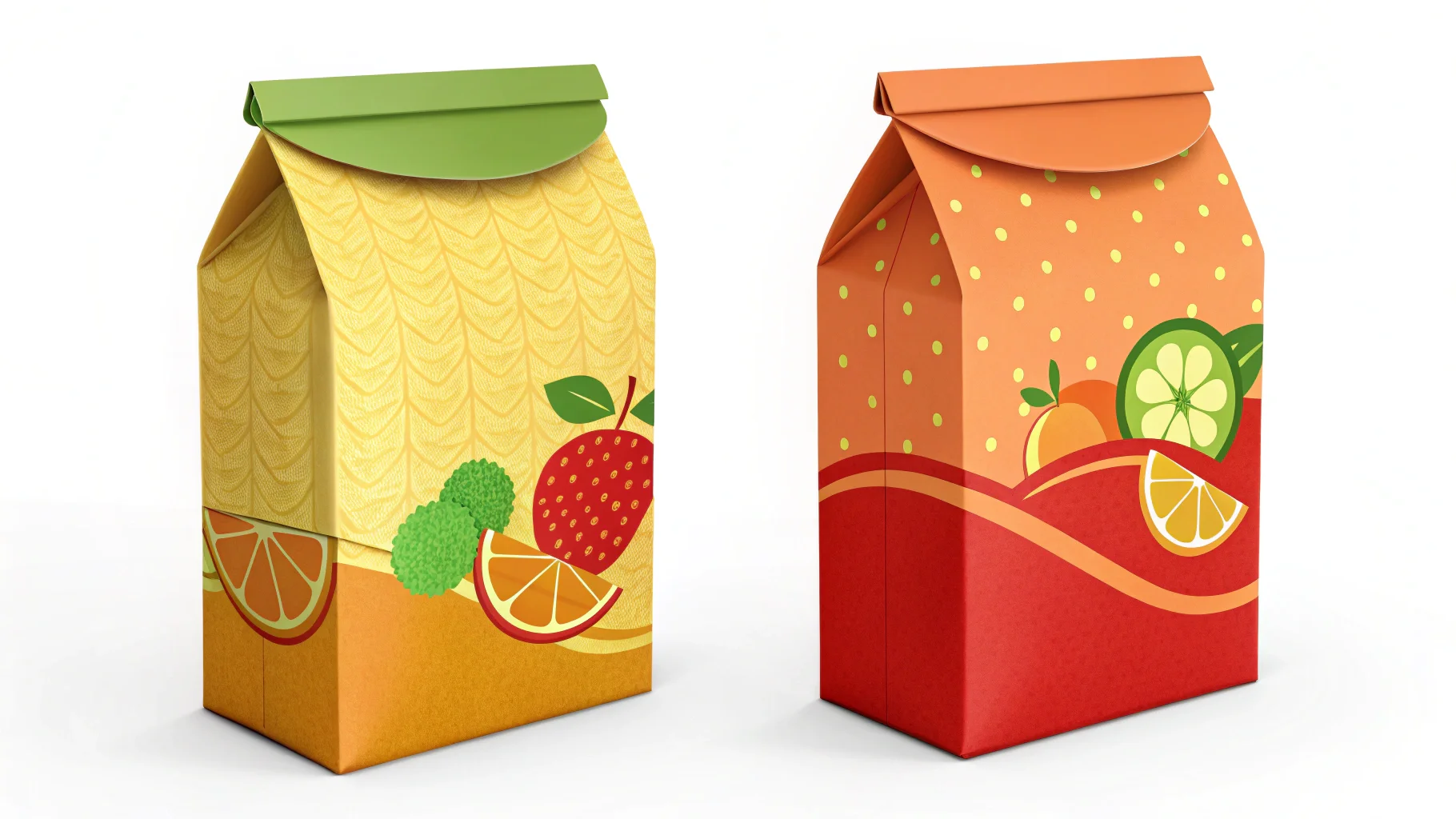
Think about the most iconic brands you know. You can probably picture their packaging instantly. That’s not an accident. That is the power of consistent branding11. Packaging that is easily recognizable on a shelf or in an online store builds a sense of familiarity and trust over time. I worked with a brand that had a collection of great products, but each one had a completely different look. They felt like they were from different companies. We redesigned the entire line with a cohesive color palette, font, and logo placement. Suddenly, it looked like a family. We saw a huge increase in cross-selling. Customers who bought the cleanser now wanted the matching toner and moisturizer. The packaging transformed from a simple container into a collectible set, creating a powerful incentive for customers to stay within the brand ecosystem.
| Loyalty-Building Tactic | How It Works | The Ultimate Goal |
|---|---|---|
| Consistent Branding | Makes products easy to spot and recognize. | Build strong brand recall and trust. |
| Memorable Unboxing | Creates a special, gift-like experience. | Form an emotional connection with the customer. |
| Refillable Options | Encourages repeat purchase with less waste. | Foster retention and sustainable habits. |
What are the key factory and supply chain insights for great packaging?
You have a beautiful, complex packaging design12. But your factory says it’s impossible to produce on time and on budget. This disconnect can derail your entire launch.
From a supply chain view, practical manufacturability is key. Choosing the right materials, ensuring strict quality control13, and planning realistic production timelines14 are essential. Small design tweaks, made with production in mind, can significantly reduce costs and prevent delays without hurting the customer’s perception.
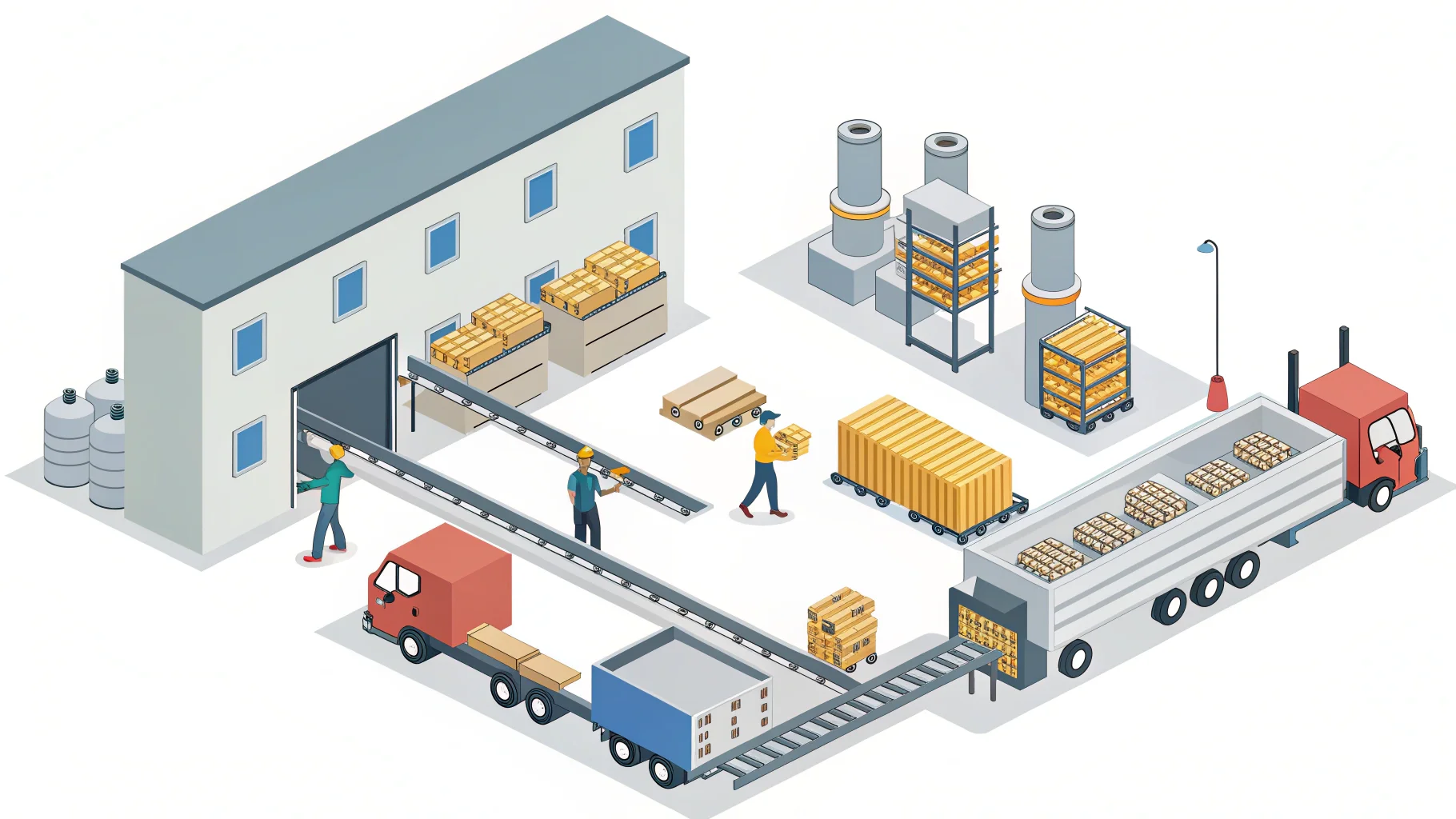
This is where brilliant ideas meet reality. I cannot stress this enough: involve your packaging manufacturer early in the design process. I once had a client who fell in love with a design for a cap that had a very sharp, intricate edge. It looked amazing in the 3D rendering. But when we took it to the factory, they showed us that the molding process for such a sharp angle would lead to a high defect rate—nearly 20%. This would have been a disaster for costs and timelines. We worked with the designer and the factory engineer to soften the angle ever so slightly. The change was almost invisible to the naked eye, but it dropped the defect rate to under 2%. This principle, called Design for Manufacturing (DFM)15, saves so much time, money, and frustration. Practicality isn’t boring; it’s what makes a great design achievable and scalable.
| Supply Chain Consideration | Why It Matters So Much | My Personal Tip |
|---|---|---|
| Material Sourcing | Directly affects your final cost and sustainability claims. | Always vet multiple suppliers and get samples. |
| Quality Control (QC) | Prevents faulty packaging from ever reaching customers. | Define your QC standards in writing, with pictures. |
| Production Timelines | Ensures you have product ready to meet launch dates. | Build at least 2-3 weeks of buffer time into your plan. |
Conclusion
In short, packaging is not an afterthought. It is a powerful tool that shapes perception, drives sales, and builds lasting brand loyalty. Get it right from the start.
-
Explore effective strategies for cosmetic packaging that enhance brand perception and drive sales. ↩
-
Learn about the importance of first impressions in marketing and how they influence buying decisions. ↩
-
Understand how brand values shape consumer trust and loyalty in today’s market. ↩
-
Discover the critical role of user experience in driving customer satisfaction and repeat purchases. ↩ ↩ ↩ ↩
-
Explore how design elements influence consumer perceptions and purchasing decisions. ↩
-
Learn how visual cues can enhance product appeal and influence buying behavior. ↩
-
Explore innovative eco-friendly packaging solutions that resonate with today’s conscious consumers. ↩
-
Understand the impact of tactile sensations on perceived product quality and value. ↩
-
Learn strategies for creating packaging that fosters emotional connections and repeat business. ↩
-
Understand how packaging plays a crucial role in establishing and maintaining brand identity. ↩
-
Discover how consistent branding can enhance product recognition and customer trust. ↩
-
Stay updated on the latest trends in packaging design that can elevate your brand. ↩
-
Understand the importance of quality control in ensuring packaging meets customer expectations. ↩
-
Discover tips for planning production timelines to meet launch deadlines without compromising quality. ↩
-
Learn how DFM principles can streamline production and improve packaging quality. ↩