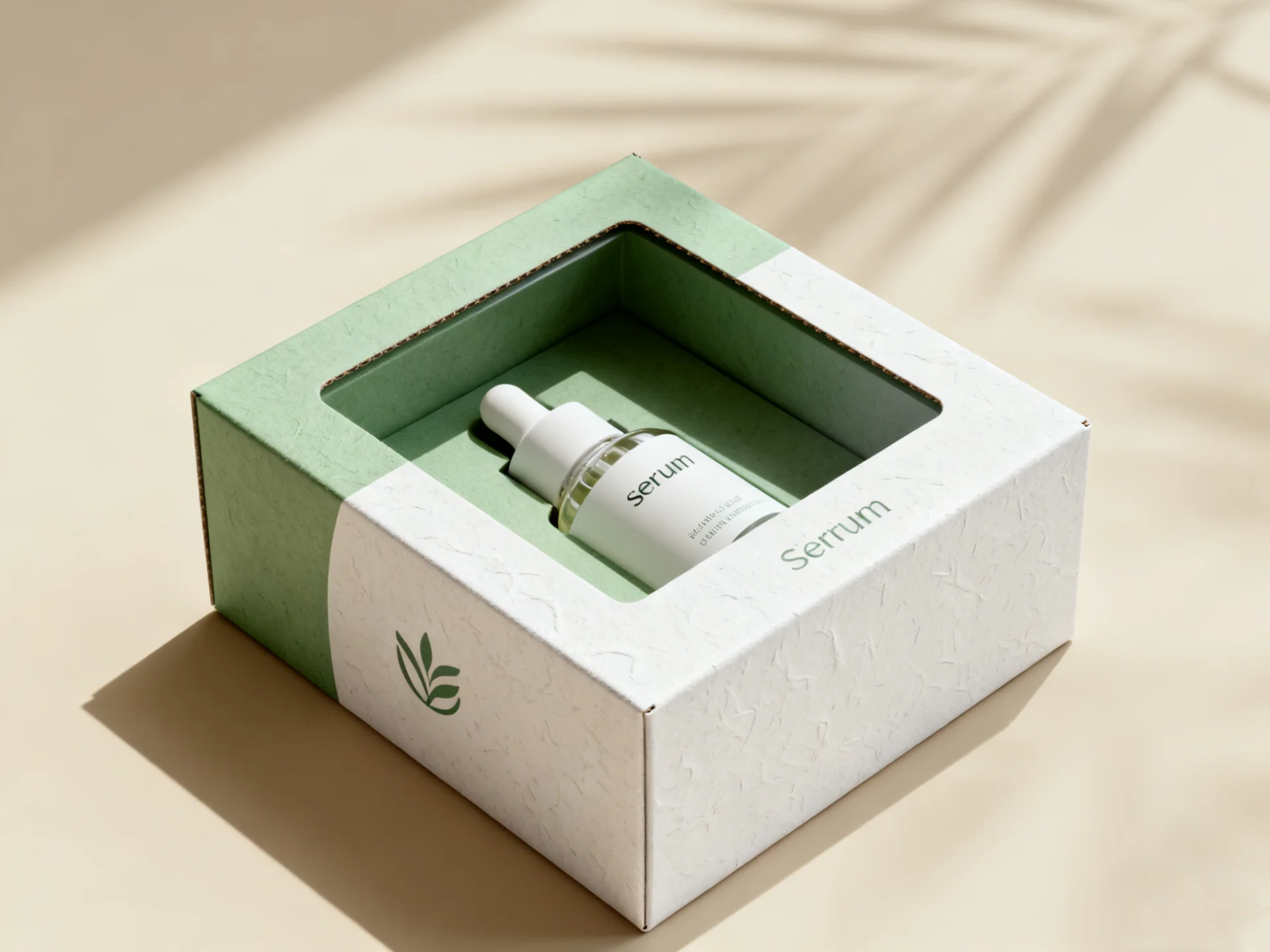
Your serum is perfect, but the wrong packaging can cause leaks and product failure. Don’t let a bad bottle ruin your launch. This guide makes choosing the right one simple.
To choose the right serum packaging, you must consider formula compatibility1, material type2, dispenser mechanism3, and brand aesthetic4. Prioritize function over form by testing for stability and leaks. Involve your manufacturer early to avoid costly production issues5 and ensure your choice is scalable for future growth.
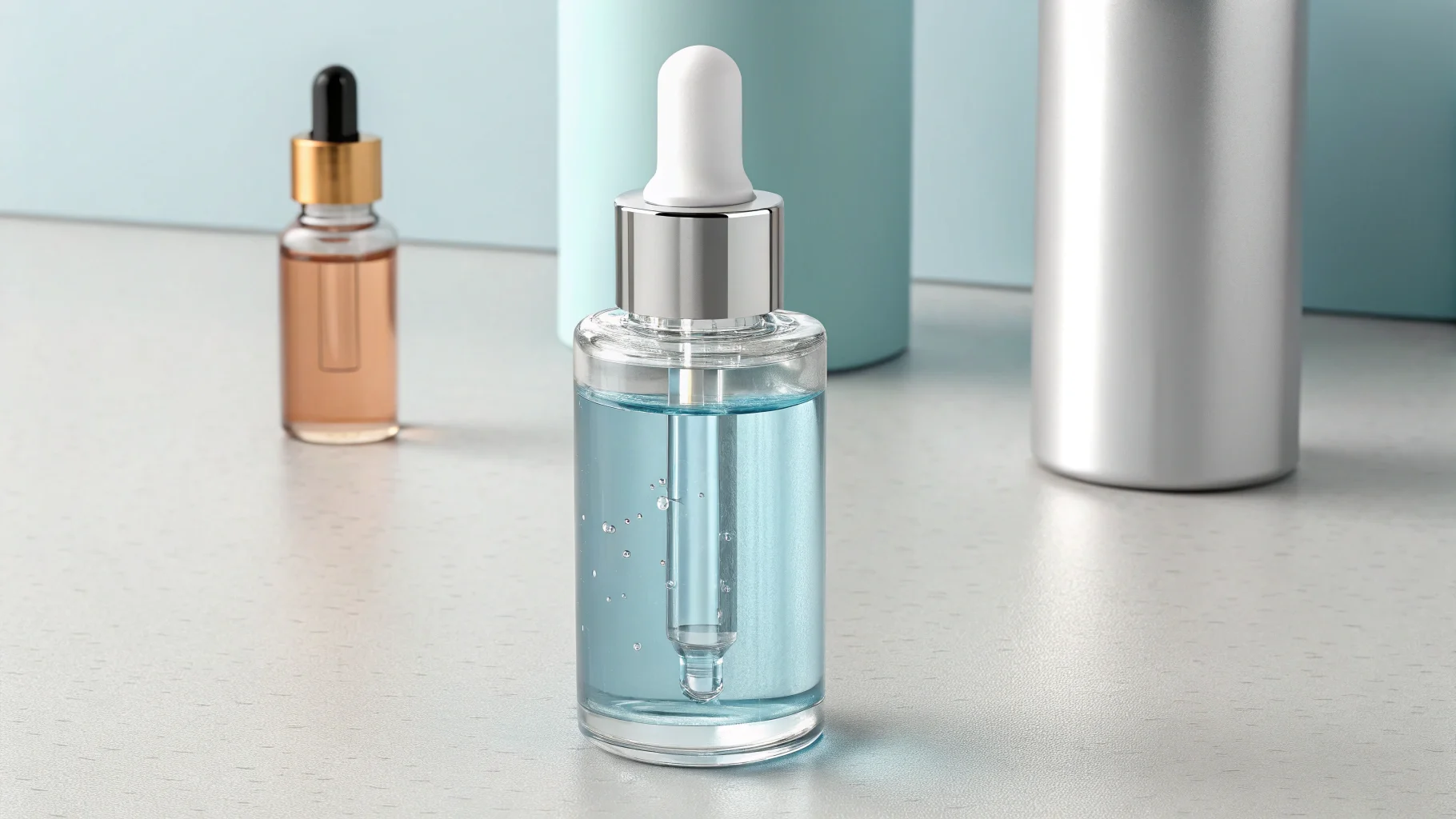
I’ve seen countless brands get this wrong. They pick a beautiful bottle, only to face leaks, formula issues, and production delays. It’s a costly mistake. But you can avoid it. Let’s dive into what really matters when selecting packaging for your amazing serum.
Why Does Serum Packaging Matter So Much?
You might think packaging is just a pretty bottle. But poor choices can destroy your formula and your brand’s reputation. Let’s explore why it’s more than just looks.
Serum packaging matters because it protects the active ingredients6 from light and air, preventing degradation. It ensures correct dosage, prevents contamination, and communicates your brand’s value and price point. Good packaging creates a positive user experience7 and builds customer trust8 from the very first touch.
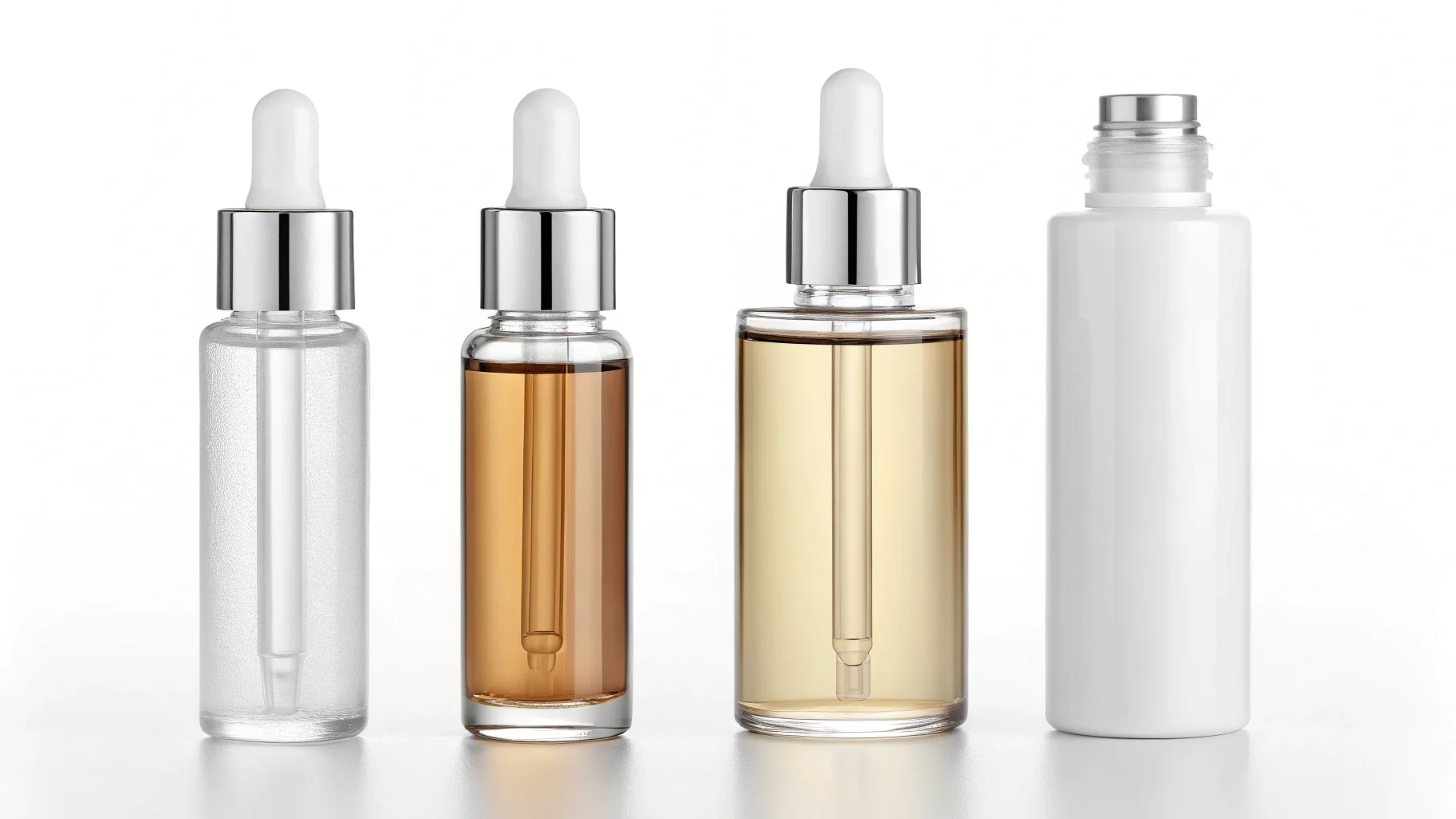
From my experience on the factory floor, packaging is your product’s silent guardian. I once saw a client use a clear glass bottle for a potent Vitamin C serum. Within weeks, the product turned brown from light exposure. The formula was ruined before it even reached customers. This is why material choice is critical. It’s not just about looks; it’s about stability.
Protects the Formula
Active ingredients like antioxidants, retinoids, and peptides are sensitive. They can be deactivated by air and UV light. The right packaging acts as a barrier, preserving the serum’s effectiveness until the last drop.
Creates the User Experience
Think about how a customer uses the serum. Does the dropper release one drop at a time? Does the pump stick? A frustrating experience can make a customer abandon a great product.
Communicates Brand Value
Your packaging is a physical signal of your brand’s promise. A heavy, frosted glass bottle feels more luxurious than a thin plastic one. This perception directly influences what customers are willing to pay. It’s the first thing they touch, and it sets their expectations for the quality inside.
What Are the Key Factors to Consider When Choosing Serum Packaging?
Feeling lost in a sea of bottles, droppers, and pumps? It’s easy to get overwhelmed and make a costly mistake. Let’s focus on the few factors that truly matter.
The key factors are formula compatibility1, material selection (glass, plastic, aluminum), dispenser type (dropper, pump, airless), and branding. You must also evaluate UV protection9 needs, user experience7, and how the packaging will perform during shipping10 and on the production line11.
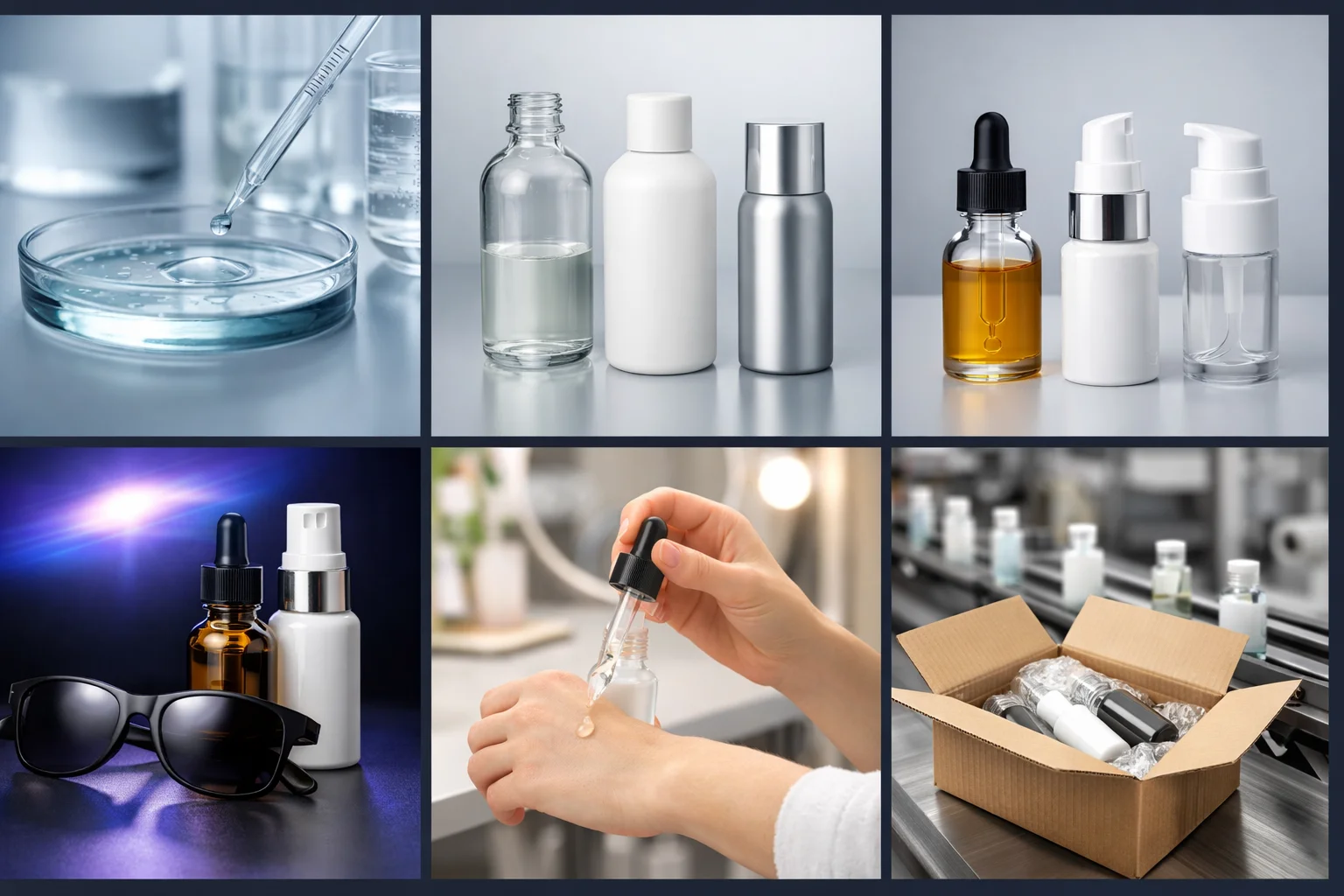
This is where I see most brands go wrong. They fall in love with a design before testing if it even works with their formula. Compatibility is not a suggestion; it’s a requirement. We always insist on stability testing12, where we fill the proposed packaging with the actual serum and observe it for weeks. We check for leaks, discoloration, and any changes to the formula’s texture or scent.
1. Formula Compatibility
Your serum’s ingredients dictate the packaging material13. Oil-based serums have different needs than water-based ones. Certain plastics can react with essential oils, while some formulas can degrade metal components in a pump.
2. Dispensing Mechanism
The viscosity of your serum determines the best dispenser. A thick, gel-like serum won’t work well with a standard dropper. A thin, watery serum might dispense too much from a pump.
3. Branding and Aesthetics
Once function is confirmed, you can focus on form. Does the packaging align with your brand’s identity? A clinical, science-backed brand might choose a simple, airless pump. A luxury, organic brand might prefer a heavy glass bottle with a wooden-accented dropper. The look and feel must match the story you are telling your customers.
What Are the Most Common Types of Serum Packaging and Their Pros & Cons?
Dropper bottles and pumps are popular, but are they right for you? Each packaging type has unique pros and cons that can affect your product’s success. Let’s compare them.
Common types include glass dropper bottles (good for control, but risk contamination), airless pumps (excellent protection, but more expensive), and standard pumps (cost-effective14, but can expose product to air). The best choice depends on your serum’s formula, desired user experience7, and budget.
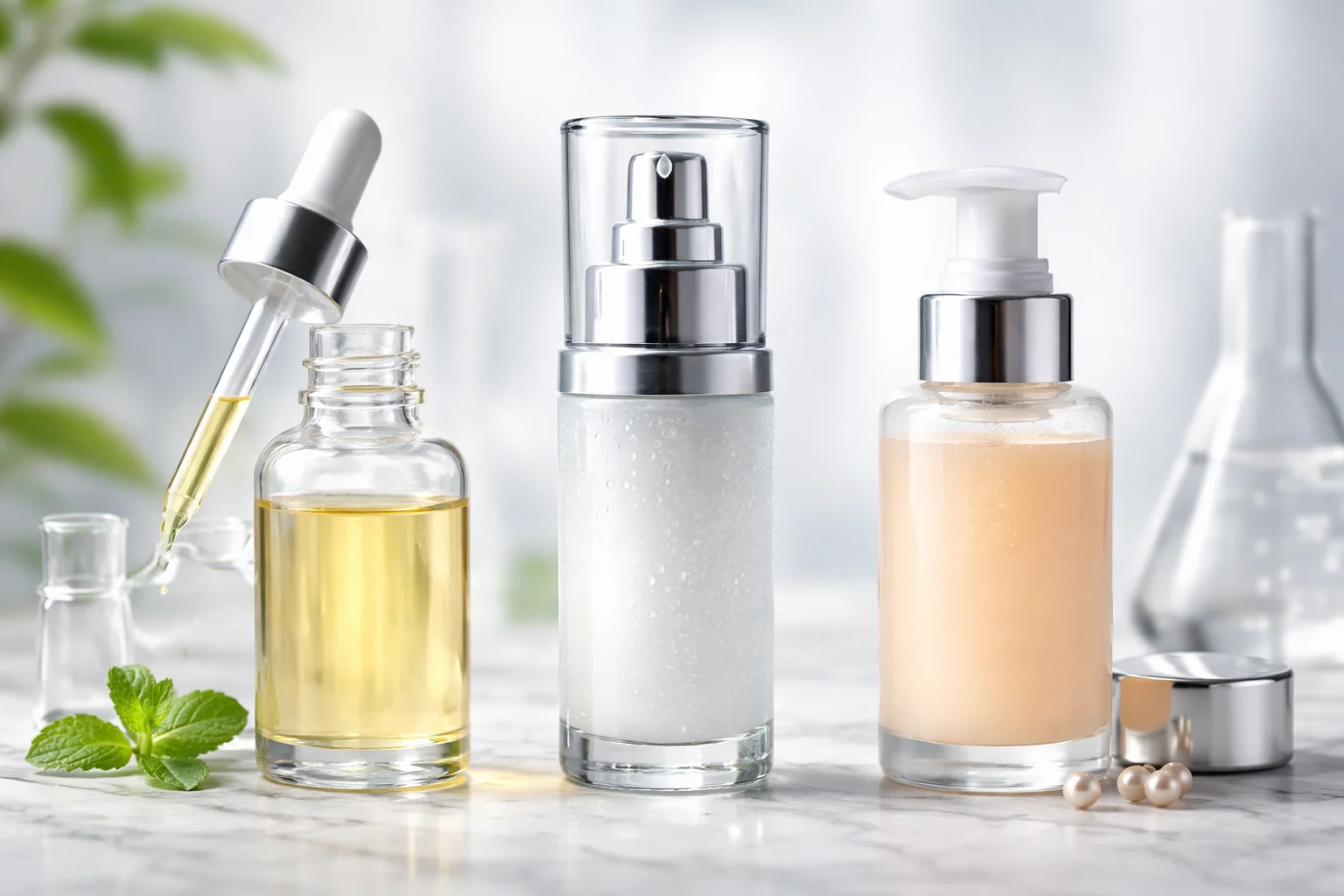
We handle all these packaging types15 on our production line11s daily. A key thing to remember is how they perform at scale. Dropper assemblies, for example, require precise torque to prevent leaks, which can slow down production. Airless pumps are fantastic for protecting the formula, but they have a higher failure rate from suppliers and are more expensive. You need to balance the ideal user experience7 with the realities of manufacturing and cost. Here is a simple breakdown to help you compare the most common options.
| Packaging Type | Pros | Cons | Best For |
|---|---|---|---|
| Glass Dropper Bottle | Precise dosage control, premium feel, good for low-viscosity oils. | Risk of contamination, air exposure with each use, breakable. | Oil-based serums, targeted treatments. |
| Airless Pump Bottle | Protects from air/light, hygienic, dispenses almost all product. | Higher cost, more complex mechanism, can feel less "luxe". | Sensitive formulas (Vitamin C, Retinol). |
| Standard Pump Bottle | Easy to use, cost-effective14, works for various viscosities. | Exposes formula to air, potential for clogging, less precise dosage. | Lotions, thicker serums, entry-level products. |
How Does Packaging Material Affect Your Brand’s Positioning?
Think your amazing formula is enough? Customers make snap judgments based on what they see and feel. Your packaging material13 instantly tells them if your brand is luxury, eco-friendly, or budget-conscious.
Packaging material directly impacts brand positioning. Heavy glass and metal accents suggest luxury and a higher price point. PCR (post-consumer recycled) plastic or bamboo positions a brand as sustainable and eco-conscious. Standard PET plastic often signals a more accessible, mass-market product.
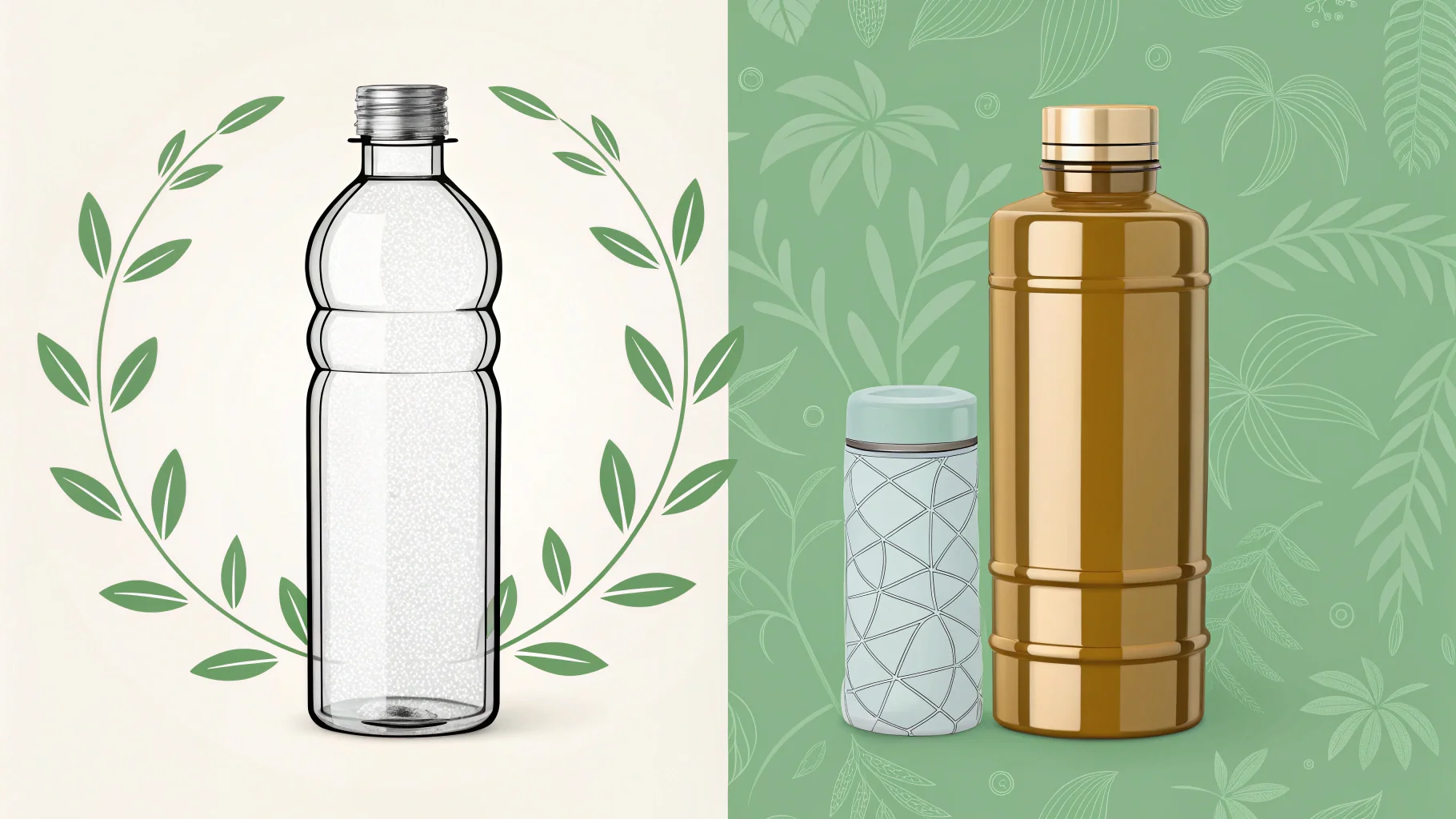
I’ve sat in meetings where the choice between frosted and clear glass was debated for an hour. Why? Because these small details have a huge impact on perceived value. A customer holding a heavy, cool-to-the-touch glass bottle automatically assumes the product inside is high-quality. This is a subconscious signal that justifies a premium price. On the other hand, if you’re aiming for an affordable, accessible product, a lightweight plastic bottle is a better fit. It manages customer expectations. Trying to put a $15 serum in a $5 bottle can create a disconnect that hurts sales. Your material choice is a core part of your marketing message.
| Material | Perceived Position | Target Customer |
|---|---|---|
| Heavy Glass (Frosted/Coated) | Luxury, Premium, High-Efficacy | Discerning customer, willing to pay for quality and experience. |
| PCR Plastic / Bamboo / Wood | Eco-Conscious, Natural, Ethical | Environmentally aware customer, values sustainability16. |
| Standard PET/PP Plastic | Accessible, Mass-Market, Practical | Budget-conscious customer, focused on function over form. |
| Aluminum | Clinical, Modern, Protective | Tech-savvy customer, values performance and durability. |
What Sustainability and Compliance Considerations Should You Know?
Being "green" is great, but it’s complex. Ignoring compliance17 and sustainability16 trends can get your brand in trouble with retailers and customers. Let’s simplify what you need to know.
For sustainability16, consider materials like PCR plastic, glass, or bamboo, and design for recyclability. For compliance17, ensure your packaging meets regulations like the FDA’s for cosmetics, including proper labeling18 of ingredients, net weight, and manufacturer information. Check retailer-specific requirements as well.

Sustainability is no longer a "nice-to-have." Major retailers now have strict requirements for the brands they carry. But be careful of "greenwashing." I’ve seen brands claim a bottle is "eco-friendly" just because it has a bamboo cap, even if the rest isn’t recyclable. True sustainability16 is about the entire lifecycle of the package.
Navigating Sustainability
This means thinking beyond just the material. Can the components be easily separated for recycling? For example, a glass bottle with a non-recyclable plastic pump is less sustainable than a mono-material plastic bottle. Also, consider the carbon footprint of shipping10 heavy glass versus lightweight plastic. It’s a trade-off.
Understanding Basic Compliance
Compliance is non-negotiable. Your label must be accurate. The FDA requires an ingredient list in descending order of predominance, the net quantity of contents, and the distributor’s name and address. Getting this wrong can lead to your product being pulled from shelves. We always review our clients’ artwork to help them catch these common errors before they go to print. It saves everyone a huge headache.
How Do You Plan for Cost, MOQ, and Production?
You love a specific bottle, but the price and minimum order quantity19 (MOQ) are shocking. Unexpected costs and production delays can derail your launch. Here’s how to plan ahead.
Plan by getting quotes early, including the cost per unit, shipping10, and any mold fees. Understand the supplier’s MOQ (Minimum Order Quantity), which can range from 5,000 to 10,000+ units. Factor in lead times for production and shipping10, which can be 90-120 days.

This is the business side of packaging, and it’s where I see many passionate founders get stuck. The "unit price" of a bottle is just the beginning. You need to think about the "total landed cost." This includes the cost of the packaging itself, shipping10 from the factory, import duties, and any decoration costs like screen printing or hot stamping. A $0.50 bottle can easily become a $0.90 bottle by the time it reaches our filling line.
Calculating Your Total Cost
Always ask your supplier for a complete quote. Does it include caps and dispensers? What are the shipping10 terms? Are there one-time setup fees for custom colors or printing? Don’t be shy about asking for a detailed cost breakdown.
Understanding MOQ and Lead Times
MOQ means the smallest order a factory will accept. For custom packaging, this is often 10,000 units. If your first run is only 2,000 units, you’ll need to find a supplier who offers "stock" packaging with lower MOQs. Also, never underestimate lead times. From placing the order to receiving the goods, it can easily take 3-4 months. Plan accordingly.
What Are the Common Mistakes to Avoid When Selecting Serum Packaging?
Eager to finalize your packaging? A few simple oversights can lead to huge problems later on. Let’s cover the most common mistakes20 I see so you can avoid them.
The biggest mistakes are choosing aesthetics over function, failing to test for compatibility and leaks, and ignoring production and shipping10 realities. Other errors include underestimating lead times, not understanding the total cost, and designing packaging that is difficult for consumers to use or recycle.

I could write a whole book on this, but it boils down to a few critical errors I see over and over. Avoiding these will put you ahead of 90% of new brands.
- Skipping Stability Testing: This is the #1 mistake. You MUST test your actual formula in the final packaging for at least 4-8 weeks at different temperatures. We do this to check for leaks, evaporation, and formula changes.
- Ignoring the Supply Chain: A beautiful, complex bottle might be a nightmare to fill, label, and ship. We once had a client with a square bottle that couldn’t be labeled by machine, forcing costly manual labor. Always ask your manufacturer: "Can you easily work with this packaging?"
- Designing in a Vacuum: Don’t design your packaging and then try to find a supplier. Involve your packaging supplier and contract manufacturer from the very beginning. Their expertise is invaluable. They know what works, what doesn’t, and how to save you money.
- Forgetting the End User: Is it easy to open? Can they get all the product out? Is it clear how to use it? A frustrating user experience7 will prevent repeat purchases, no matter how great your serum is.
Conclusion
Choosing the right serum packaging is a balance of science, branding, and logistics. Prioritize compatibility and partner with your manufacturer early to ensure a successful, profitable, and beautiful product launch.
-
Understanding formula compatibility is crucial for ensuring your serum maintains its effectiveness and quality. ↩ ↩
-
Explore various material types to find the best fit for your serum’s stability and brand image. ↩
-
Learn about dispenser mechanisms to enhance user experience and product functionality. ↩
-
Discover how aligning packaging with brand aesthetic can enhance customer perception and loyalty. ↩
-
Understanding production issues can help you avoid costly mistakes and ensure a smooth launch. ↩
-
Understanding the sensitivity of active ingredients is key to selecting the right packaging. ↩
-
Explore how thoughtful packaging design can enhance user satisfaction and encourage repeat purchases. ↩ ↩ ↩ ↩ ↩
-
Explore how effective packaging can enhance customer trust and brand loyalty. ↩
-
Learn how UV protection can preserve the integrity of your serum’s active ingredients. ↩
-
Understanding shipping implications can help you choose packaging that minimizes costs and damages. ↩ ↩ ↩ ↩ ↩ ↩ ↩
-
Learn how packaging design impacts efficiency and effectiveness on the production line. ↩ ↩
-
Stability testing is essential to ensure your serum remains effective and safe throughout its shelf life. ↩
-
Learn how different materials can influence consumer perceptions and brand positioning. ↩ ↩
-
Find out how to balance quality and cost in your serum packaging choices. ↩ ↩
-
Familiarize yourself with different packaging types to make informed decisions for your product. ↩
-
Explore sustainable packaging options to appeal to eco-conscious consumers and enhance your brand image. ↩ ↩ ↩ ↩
-
Ensure your packaging meets necessary regulations to avoid legal issues and maintain customer trust. ↩ ↩
-
Understanding labeling requirements is crucial for compliance and customer information. ↩
-
Understanding MOQ can help you plan your production and budget effectively. ↩
-
Avoiding common mistakes can save you time and money in the packaging process. ↩