Choosing packaging feels overwhelming. A bad choice can damage your product and your brand’s reputation. This guide will help you make the right decision for long-term success.
Choosing the right skincare packaging1 means balancing brand identity2, product protection3, user experience4, and budget. You must consider the format, material, and customization that align with your product’s formula and your production capabilities. This ensures both brand appeal and manufacturing practicality.
I’ve seen so many brands get stuck on packaging. They have a great formula but can’t figure out the container. It’s a huge hurdle that can stop a launch in its tracks. But it doesn’t have to be so complicated. The key is to understand the fundamentals first, from why it matters to how it’s made. Once you have a solid foundation, the choices become much clearer and less intimidating. Let’s break it down step-by-step so you can move forward with confidence.
Why does skincare packaging1 matter so much?
Your product is fantastic, but it’s sitting unnoticed on the shelf. Poor packaging can make even the best formula look cheap. Good packaging protects your product and tells your story.
Skincare packaging is crucial because it protects the formula from light and air, ensures user safety, and communicates your brand’s value. It’s the first physical interaction a customer has with your product, directly influencing their purchase decision and overall experience.
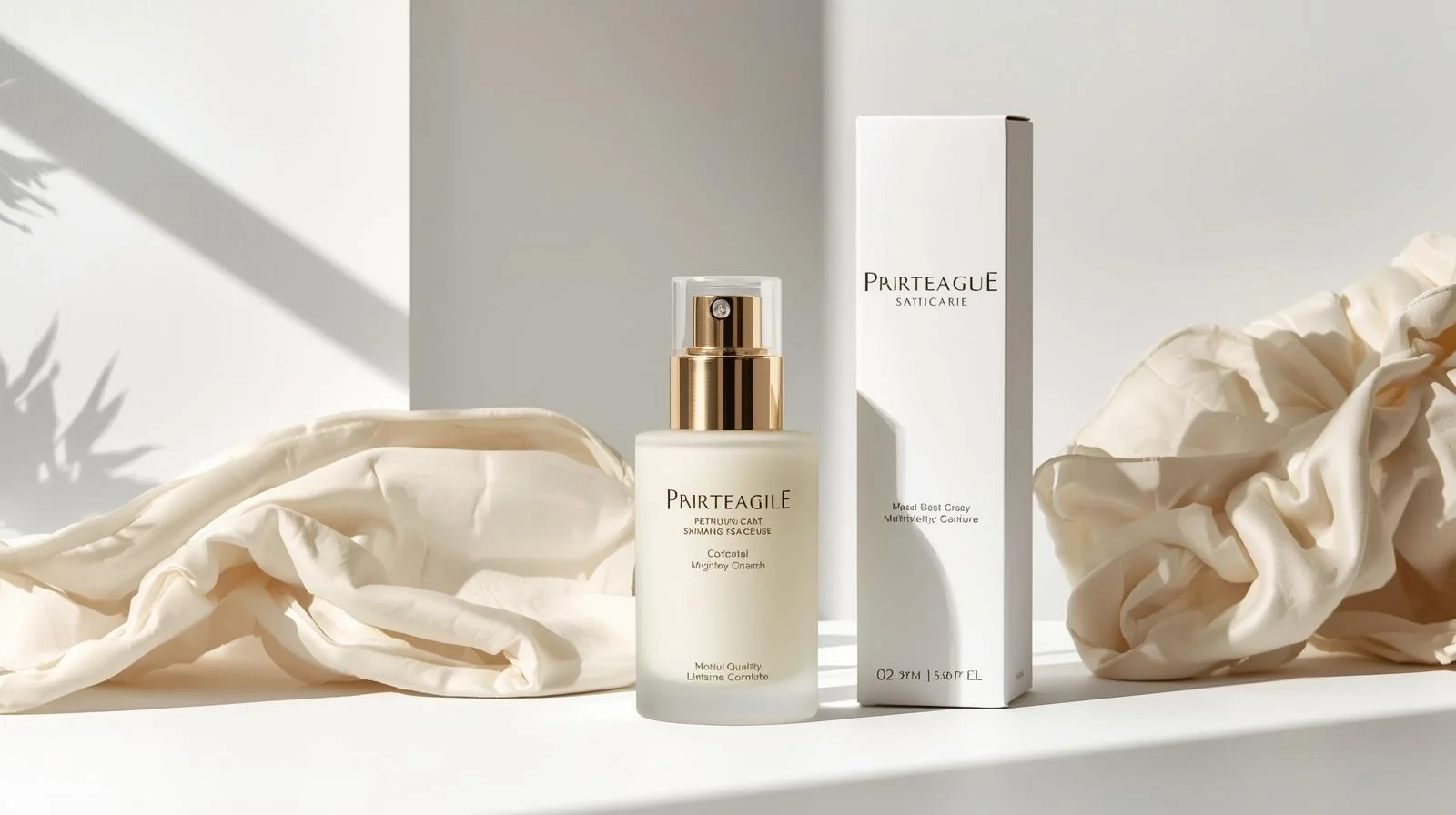
I once worked with a small brand whose sales were flat. Their serum was amazing, but it came in a cheap-looking plastic bottle. We switched to a simple, heavy glass bottle with a clean label. Sales nearly doubled in three months without changing the formula at all. That’s the power of packaging. It’s not just a container; it’s a vital part of your product that serves several key functions.
The Three Core Functions of Packaging
- Protection: The primary job of your packaging is to protect the formula inside. Active ingredients like Vitamin C and retinol are very sensitive to light and air. The wrong packaging can make them less effective before the customer even opens them.
- Branding: Your packaging is a silent salesperson. It communicates your brand’s price point, values, and target audience. A minimalist glass jar says "luxury and clean," while a brightly colored plastic tube might say "fun and affordable."
- User Experience: How easy is it to get the product out? Does the pump clog? Does the jar feel good to hold? These small details create the daily experience your customer has with your brand. A frustrating package can ruin an otherwise great product.
| Function | Good Packaging | Poor Packaging |
|---|---|---|
| Protection | Preserves formula integrity and potency. | Leads to product degradation and failure. |
| Branding | Creates a strong first impression and builds trust. | Looks cheap and untrustworthy, hurting brand image. |
| User Experience | Is intuitive, clean, and satisfying to use. | Is messy, difficult to use, or breaks easily. |
What are the common skincare packaging1g formats](https://en.wikipedia.org/wiki/Cosmetic_packaging)[^5]?
You see so many options available. Jars, bottles, tubes, and pumps all look different. It can be overwhelming to know which one is right. Here are the most common formats explained.
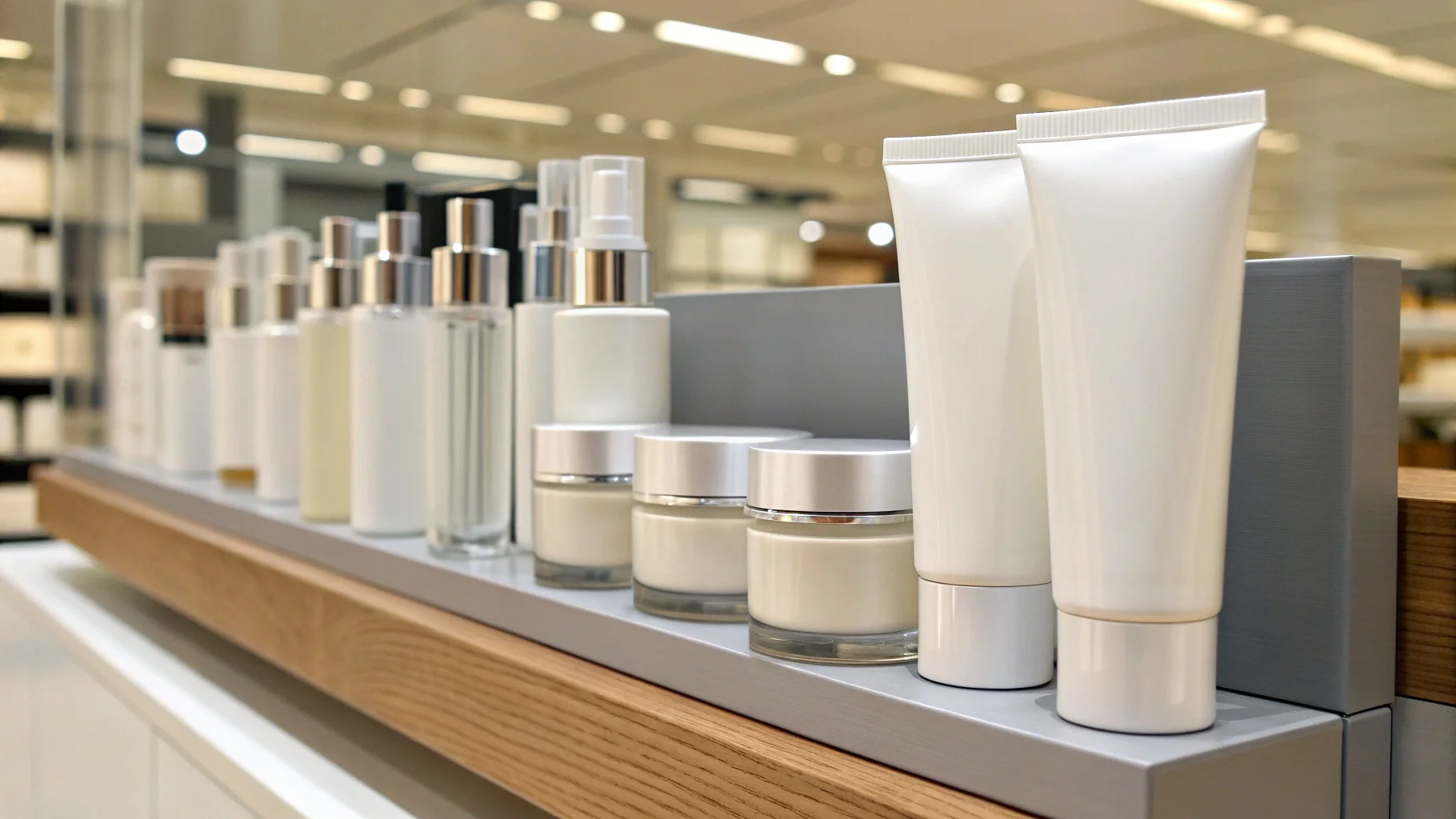
Common skincare packaging1g formats](https://en.wikipedia.org/wiki/Cosmetic_packaging)[^5] include airless pumps5, jars6, dropper bottles7, tubes, and sprays. Each format is designed for different product consistencies and formulas. For example, airless pumps5 protect sensitive ingredients, while jars6 are best for thick creams.
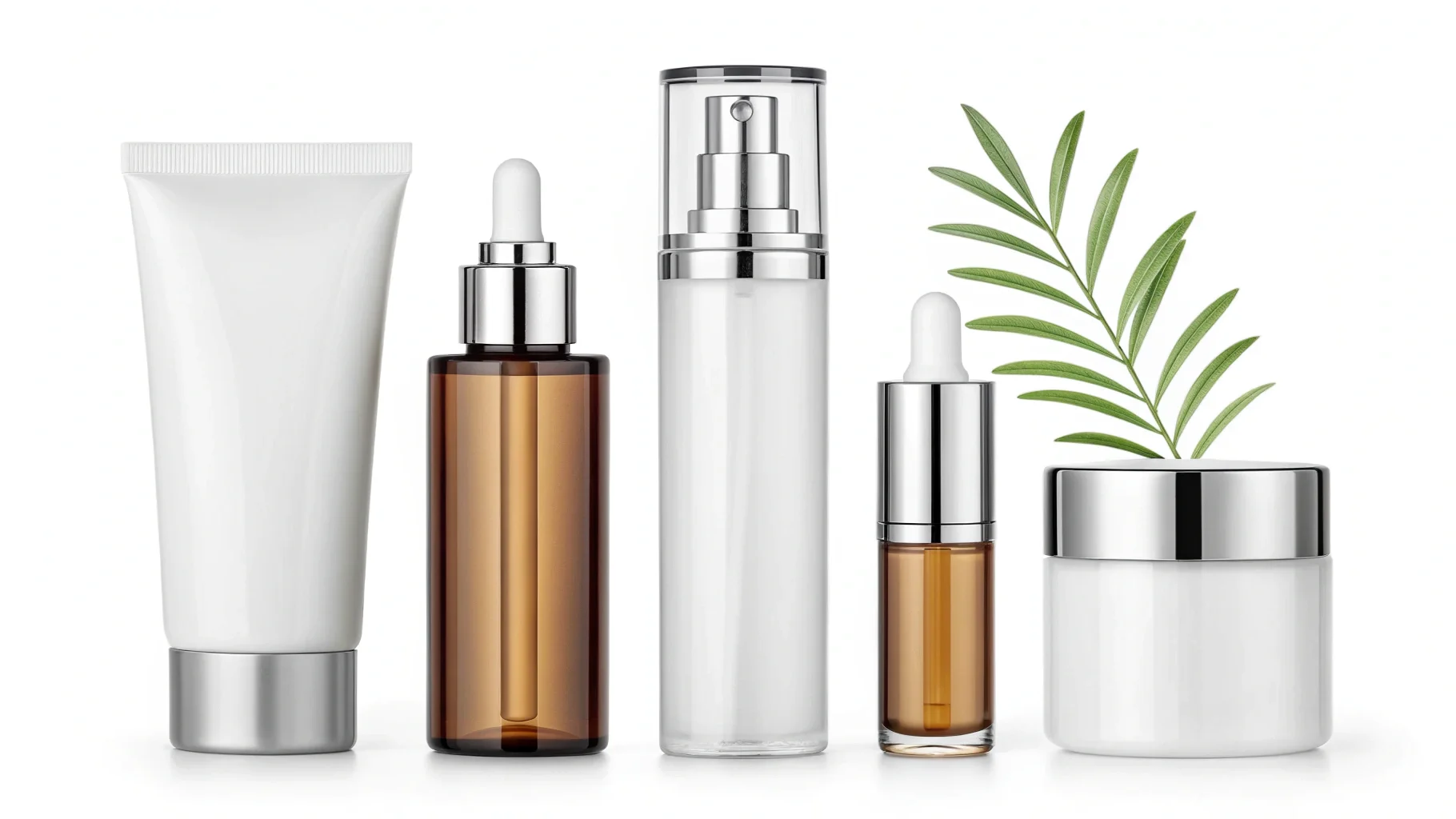
Thinking about the format is the first practical step. It’s all about matching the container to what’s inside. You wouldn’t put a thin, watery toner in a wide-mouth jar, and you wouldn’t put a thick, heavy balm in a spray bottle. Choosing the right format makes the product effective and easy to use. It’s the foundation of a good user experience4 and is critical for protecting your formula. Let’s look at the most popular options.
A Breakdown of Common Formats
Each format has its own strengths and is suited for specific types of products. The key is to match the format to the formula’s viscosity (how thick it is) and ingredient sensitivity.
| Format | Best For | Pros | Cons |
|---|---|---|---|
| Airless Pump | Serums, lotions, sensitive formulas | Protects from air/light, precise dosage, hygienic | More expensive, complex mechanism |
| Dropper Bottle | Face oils, thin serums, treatments | Controlled application, premium look | Air exposure with each use, potential for spills |
| Jar | Thick creams, balms, masks | Easy to get all product out, good for rich textures | Less hygienic (finger dipping), high air exposure |
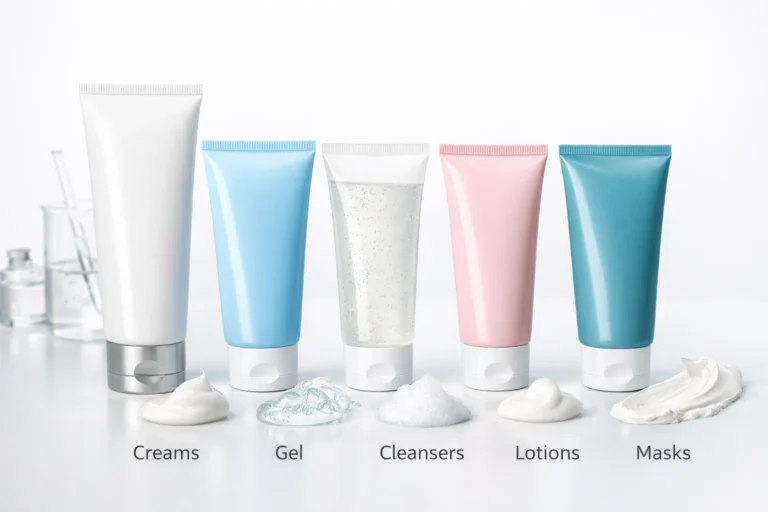
| Squeezable Tube | Cleansers, lotions, sunscreens | Hygienic, good for controlling amount, portable | Can be hard to get the last bit out |
| Spray Bottle | Toners, face mists, setting sprays | Even and fine application, refreshing experience | Not suitable for thick liquids, potential for clogging |
From a manufacturing perspective, I often recommend airless pumps5 for high-value serums. They cost more upfront, but they reduce customer complaints about product turning brown or losing effectiveness. For cleansers and lotions, tubes are a workhorse—they are cost-effective, easy to ship, and familiar to customers.
How do you choose packaging by product type?
You have an amazing serum, but it’s in the wrong bottle. It’s losing its power and is hard for customers to use. You must match the packaging to the product.
Choose packaging by matching the format to the product’s consistency and ingredients. Use airless pumps5 for sensitive serums, dropper bottles7 for oils, jars6 for thick creams, and tubes for lotions or cleansers. This ensures product stability and a good user experience4.
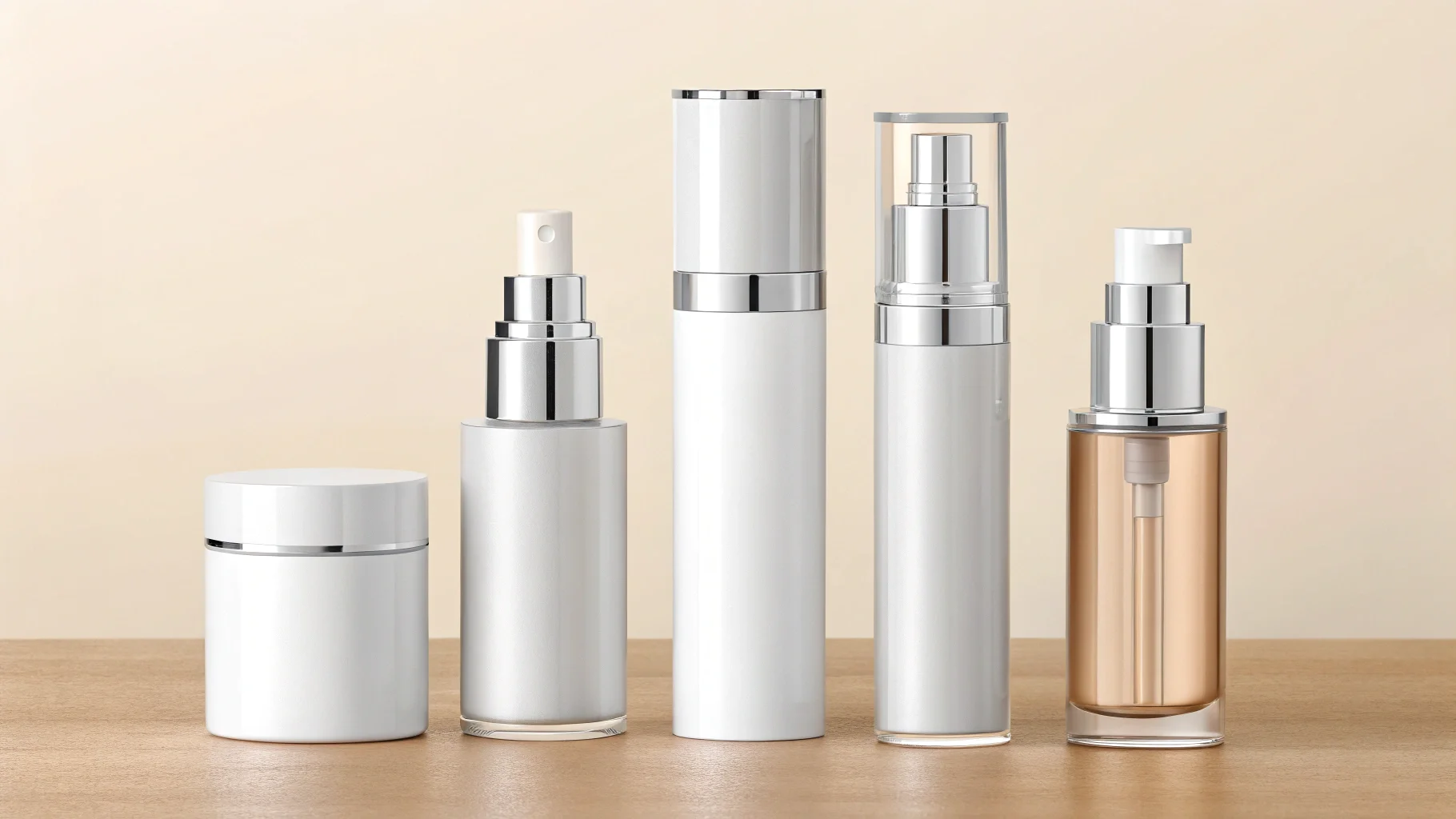
This seems obvious, but it’s a mistake I see all the time. A brand falls in love with a certain look, like a beautiful jar, and tries to force their liquid serum into it. The result is a product that is unhygienic, exposed to air, and hard to dose. The product’s needs must come first. Let’s create a simple guide for matching your product to the best possible packaging format.
Matching Formula to Format
The goal is to find the perfect home for your product—one that keeps it safe and is a delight to use.
-
For Serums and Essences
These products often contain sensitive active ingredients and are typically low-viscosity liquids. Airless pumps are the gold standard here. They prevent air from getting in, which protects ingredients like Vitamin C. Dropper bottles are a good second choice, especially for products that aren’t extremely sensitive, as they offer a classic, scientific feel.
-
For Creams and Balms
These are thick, high-viscosity products. Jars are the most common choice because they make it easy to scoop out a rich product. For hygiene, you can include a small spatula. If your cream is a bit lighter, an airless jar or a pump bottle can offer a more hygienic solution.
-
For Cleansers and Lotions
These products have a medium viscosity and don’t usually contain highly sensitive ingredients. Squeezable tubes and pump bottles are perfect. They are cost-effective, easy to use in a shower or at a sink, and dispense the product cleanly.
| Product Type | Recommended Packaging | Why It Works |
|---|---|---|
| Sensitive Serum | Airless Pump | Maximum protection from air and light. |
| Face Oil | Dropper Bottle | Precise application and classic aesthetic. |
| Thick Moisturizer | Jar | Easy access for thick, scoopable textures. |
| Gel Cleanser | Squeezable Tube or Pump | Hygienic, easy to dispense, and cost-effective. |
What are the main skincare packaging1g materials](https://en.wikipedia.org/wiki/Cosmetic_packaging)[^9]?
You see glass, plastic, and aluminum. But what’s the real difference? Choosing the wrong material can react with your product or feel cheap. You need to understand the pros and cons.
The main materials are glass, plastic (like PET and PP), and aluminum. Glass feels premium and is recyclable but heavy. Plastic is lightweight and versatile but has environmental concerns. Aluminum is light, protective, and great for tubes.
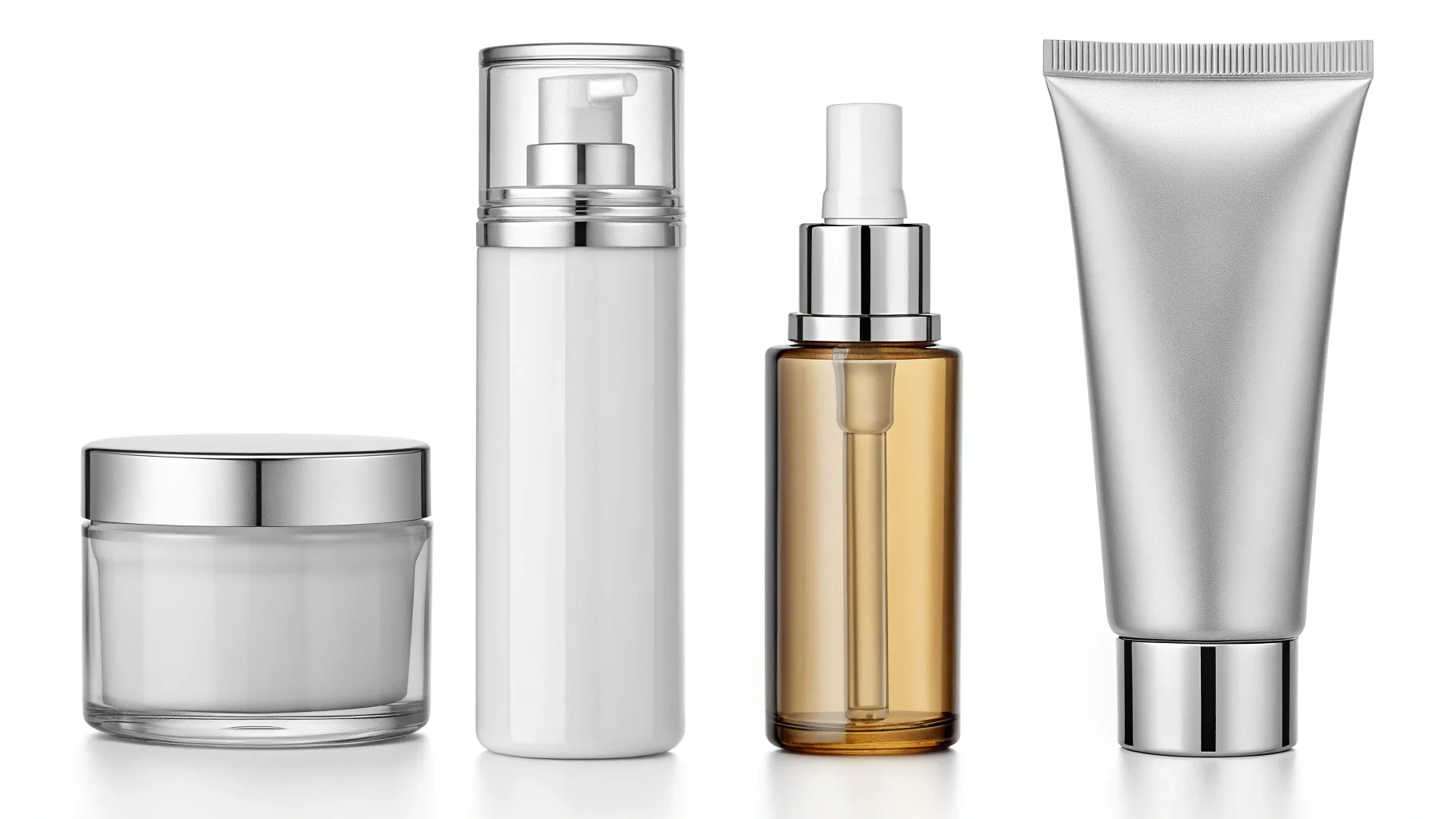
The material you choose affects everything from the shipping cost to how your customer perceives your brand. I’ve seen brands choose a heavy glass bottle for an e-commerce product and be shocked by the shipping fees. Others choose a cheap plastic that undermines their luxury branding. It’s a balancing act between aesthetics, function, and cost. Let’s break down the big three.
A Guide to Packaging Materials
Each material has a distinct personality and set of technical properties.
-
Glass
Glass is inert, meaning it won’t react with your formula. This makes it perfect for sensitive or oil-based products. It has a heavy, premium feel that signals quality to the customer. It’s also infinitely recyclable. However, it’s heavy, which increases shipping costs, and it can break. It’s often the most expensive option.
-
Plastic (PET, PP, PE)
Plastic is the most versatile material. It’s lightweight, shatterproof, and can be molded into endless shapes. PET is often used for bottles because it’s clear like glass but much lighter. PP is more rigid and is often used for jars6 and lids. The biggest downside is the environmental perception, though many plastics are recyclable and options like PCR (Post-Consumer Recycled) plastic are becoming common.
-
Aluminum
Aluminum is lightweight, shatterproof, and provides a 100% barrier against light and air, making it great for very sensitive formulas. It’s most commonly used for squeezable tubes8. It has a modern, industrial look and is highly recyclable. However, it can dent easily, which can affect the look of the product on the shelf.
| Material | Key Benefit | Main Drawback | Best For |
|---|---|---|---|
| Glass | Premium feel and inert | Heavy and breakable | Luxury serums, creams, oils |
| Plastic (PET) | Lightweight and durable | Can feel less premium | Cleansers, toners, lotions |
| Aluminum | 100% light-blocking | Dents easily | Sensitive formulas in tubes |
Which customization options9 really matter?
You want your package to stand out. But there are endless options, and many are confusing and expensive. You should focus on customizations that add real value without creating problems.
The customization options9 that matter most are color, finish, and printing. A unique Pantone-matched color, a matte or gloss finish, and high-quality printing like silk screening can elevate your brand without overcomplicating production.
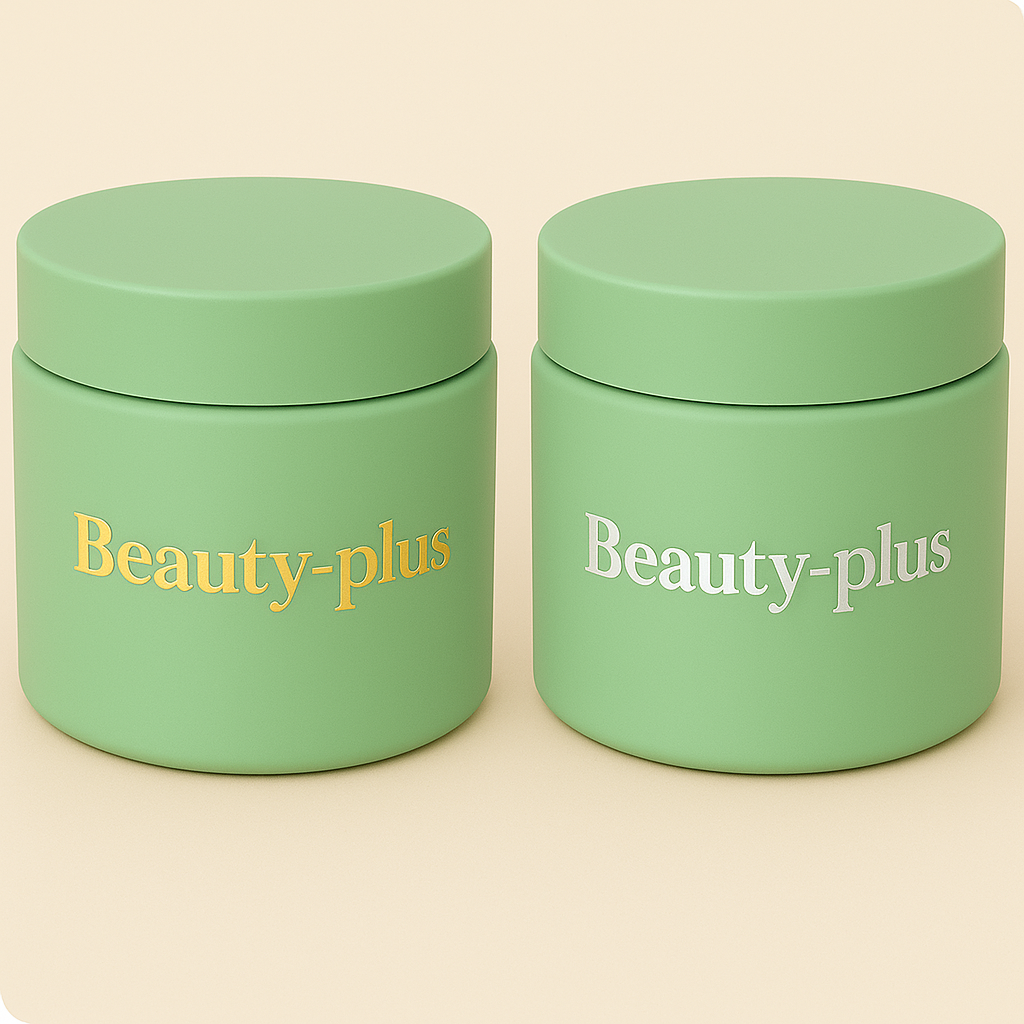
From my experience in manufacturing, this is where brands get into trouble. They dream up a completely custom bottle shape without realizing it requires a new mold costing tens of thousands of dollars and has a huge minimum order quantity (MOQ). The smartest path, especially for new brands, is to start with a "stock" bottle that a supplier already makes. Then, you can make it your own with simple but impactful customizations.
Smart Customization Choices
Focus your budget on the things a customer sees and touches.
-
Color and Finish
Most suppliers can produce packaging in any custom color using a Pantone code. This is one of the easiest ways to align the packaging with your brand identity2. You can also choose a finish. A matte finish feels modern and soft, while a gloss finish looks sleek and vibrant. This simple choice can completely change the feel of the product.
-
Printing and Labeling
This is how you get your name and information on the package. Silk screening prints ink directly onto the surface. It’s durable and looks clean and integrated. Hot stamping uses a heated die and foil to create a metallic or shiny effect, great for logos. Simple labels are the most affordable and flexible option, perfect for when you’re just starting out.
-
Stock vs. Custom Molds
A stock mold is a pre-existing shape that the factory offers to everyone. It’s affordable and has low MOQs. A custom mold is a unique shape you design yourself. It offers ultimate brand differentiation but is extremely expensive and only makes sense for brands with massive volume. Always start with a stock mold and make it unique with color and print.
How can you make skincare packaging1 sustainable?
Customers are demanding eco-friendly products. Packaging that looks wasteful can hurt your brand and your sales. Here are simple, practical ways to make your packaging more sustainable.
To make packaging sustainable, use recyclable materials like glass or mono-material plastics (PET). Offer refillable systems10. Reduce secondary packaging like boxes. Choose post-consumer recycled (PCR) materials to lower your environmental footprint.
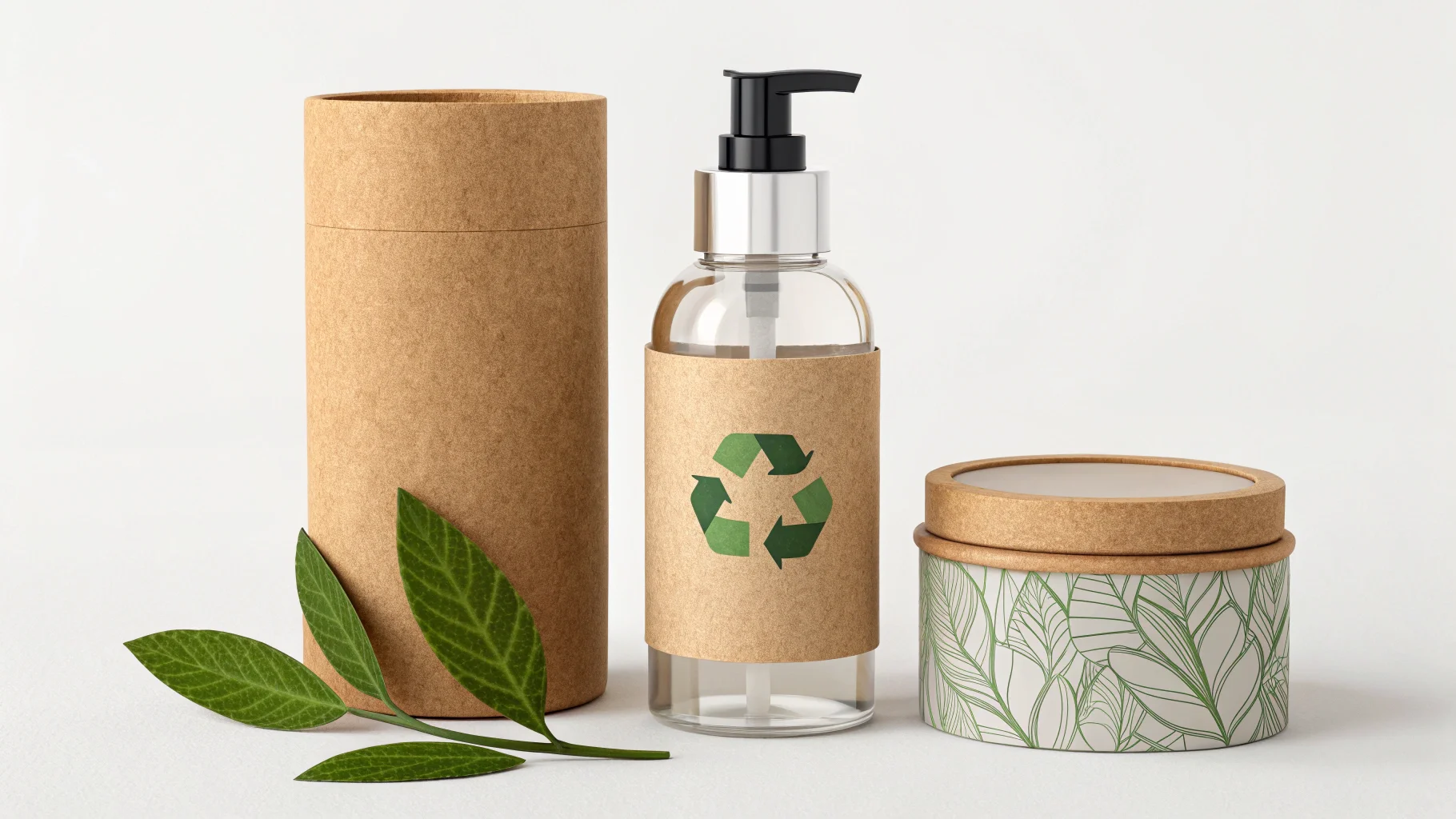
Sustainability can feel like a huge, complicated topic. Many brands get paralyzed by it. My advice is to focus on making tangible, incremental improvements. Don’t try to be perfect overnight. Start with one or two key initiatives. Using PCR plastic or removing an unnecessary box is a real, measurable step that customers will appreciate. It’s better to do something real than to just talk about being "green."
Practical Steps Toward Sustainability
You don’t have to save the world with your first product launch. Focus on what’s achievable and impactful.
-
Use Recycled and Recyclable Materials
This is the easiest first step. Choose materials that are widely recycled, like glass and PET plastic. Even better, use materials that are already made from recycled content. Ask your supplier for Post-Consumer Recycled (PCR) plastic. Using 30% or 50% PCR content is a great goal.
-
Design for Refillability
Refillable
-
Explore this resource to understand how to effectively package skincare products for maximum appeal and protection. ↩ ↩ ↩ ↩ ↩ ↩
-
Explore how effective packaging can communicate your brand identity and values to consumers. ↩ ↩
-
Learn about the significance of product protection in skincare packaging to ensure product integrity and customer satisfaction. ↩
-
Discover how thoughtful packaging design can enhance user experience and influence customer loyalty. ↩ ↩ ↩
-
Understand the advantages of airless pumps in preserving product quality and extending shelf life. ↩ ↩ ↩ ↩
-
Learn about the benefits and drawbacks of jars in skincare packaging to make informed choices. ↩ ↩ ↩ ↩
-
Explore the versatility of dropper bottles and how they can enhance the application of skincare products. ↩ ↩
-
Discover why squeezable tubes are favored for their convenience and hygiene in skincare applications. ↩
-
Explore various customization options that can enhance your skincare packaging and brand identity. ↩ ↩
-
Discover how refillable systems can reduce waste and enhance customer loyalty in skincare. ↩