Your amazing product is lost on the shelf. Competitors with flashier packaging are stealing your customers. It’s time to make your packaging work as hard as your formula.
Mastering cosmetic packaging1 involves more than just design. It means choosing the right materials, structures, and a reliable supplier. This ensures your product is protected, stands out, and your supply chain runs smoothly, preventing costly delays and quality issues down the line.
This seems simple enough. But I’ve learned from years in this business that the details are what make or break a brand’s success. The decisions you make about your packaging today will directly impact your sales, your customer loyalty, and your ability to scale tomorrow. Let’s dive into what you really need to know to get it right from the start.
What Is Cosmetic Packaging and Why Does It Matter So Much?
Think packaging is just a pretty box? This common mistake can cost you sales and even damage your product. Let’s look at why it’s your most important silent salesperson.
Cosmetic packaging is the container and outer wrapping for beauty products. It matters because it protects the formula, communicates your brand identity, provides crucial information to the consumer, and is often the first physical interaction a customer has with your product.
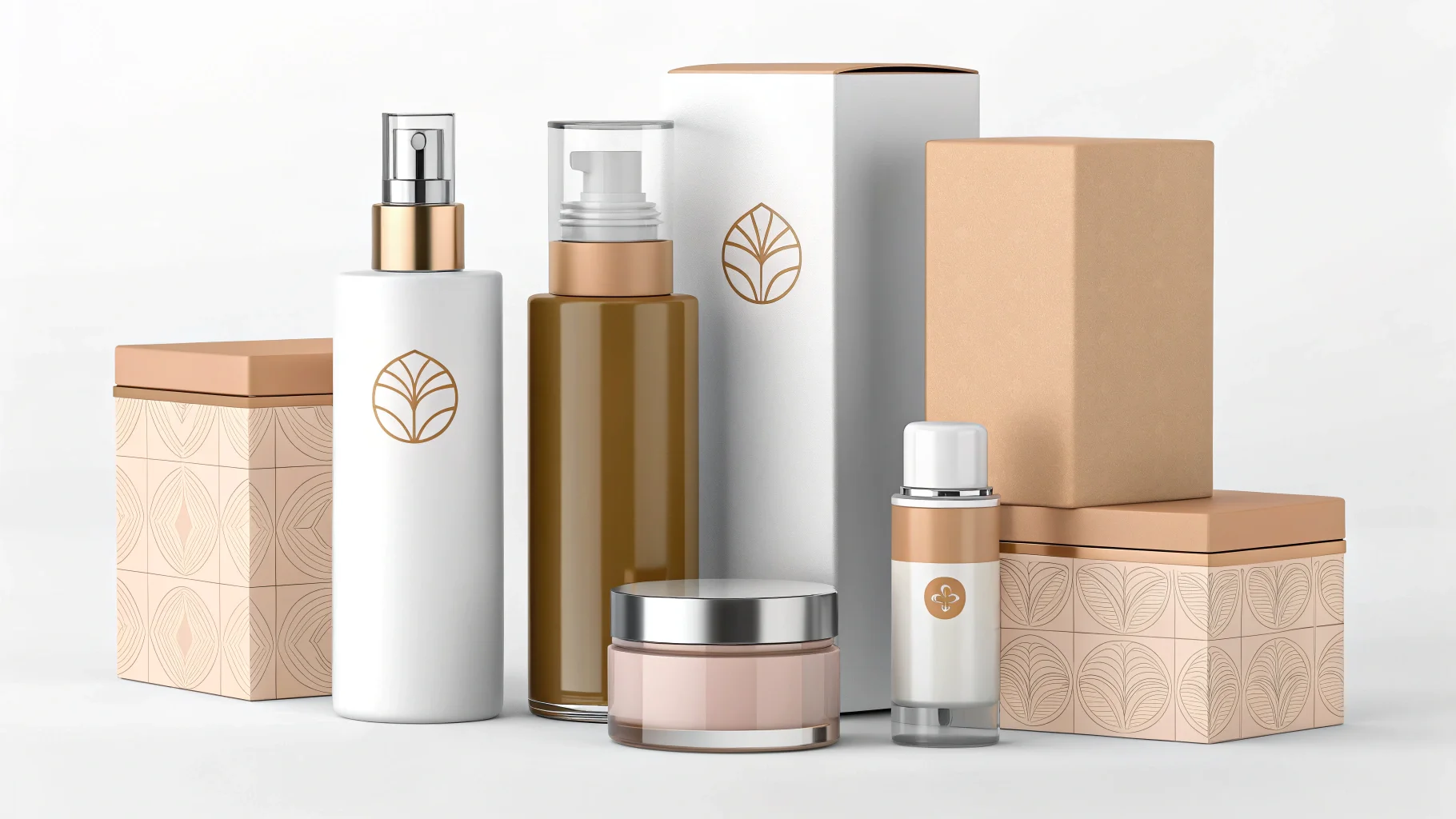
I’ve seen firsthand how packaging choices can make or break a product launch. It’s not just about looking good. It serves several critical functions that work together to create value for both you and your customer. When we talk about packaging, we’re really talking about a complete system.
Its Three Core Functions
First, packaging has a protective function. It needs to shield your formula from light, air, bacteria, and moisture, all of which can degrade active ingredients and shorten shelf life. I once worked with a startup that put a Vitamin C serum in a clear jar. Within weeks, customers complained it was turning brown. The packaging failed to protect the product. Second, it serves a branding function. Your packaging is a physical piece of your brand. It communicates your values—are you clinical and serious, or fun and natural? The colors, materials, and shape all tell a story. Finally, it has an informational function. It must legally display ingredient lists, usage instructions, and batch numbers. This builds trust and helps the consumer make an informed purchase.
What Are the Key Elements of Effective Cosmetic Packaging?
Is your packaging design2 falling flat in a crowded market? You might be missing key elements that attract and convert customers. Here’s a quick checklist to fix that problem now.
Effective packaging combines several key elements. These include strong visual appeal3 (color, typography), functional design (easy to use, protects product), clear branding, and informative labeling. It must also be durable enough for shipping and retail environments to create a positive user experience4.
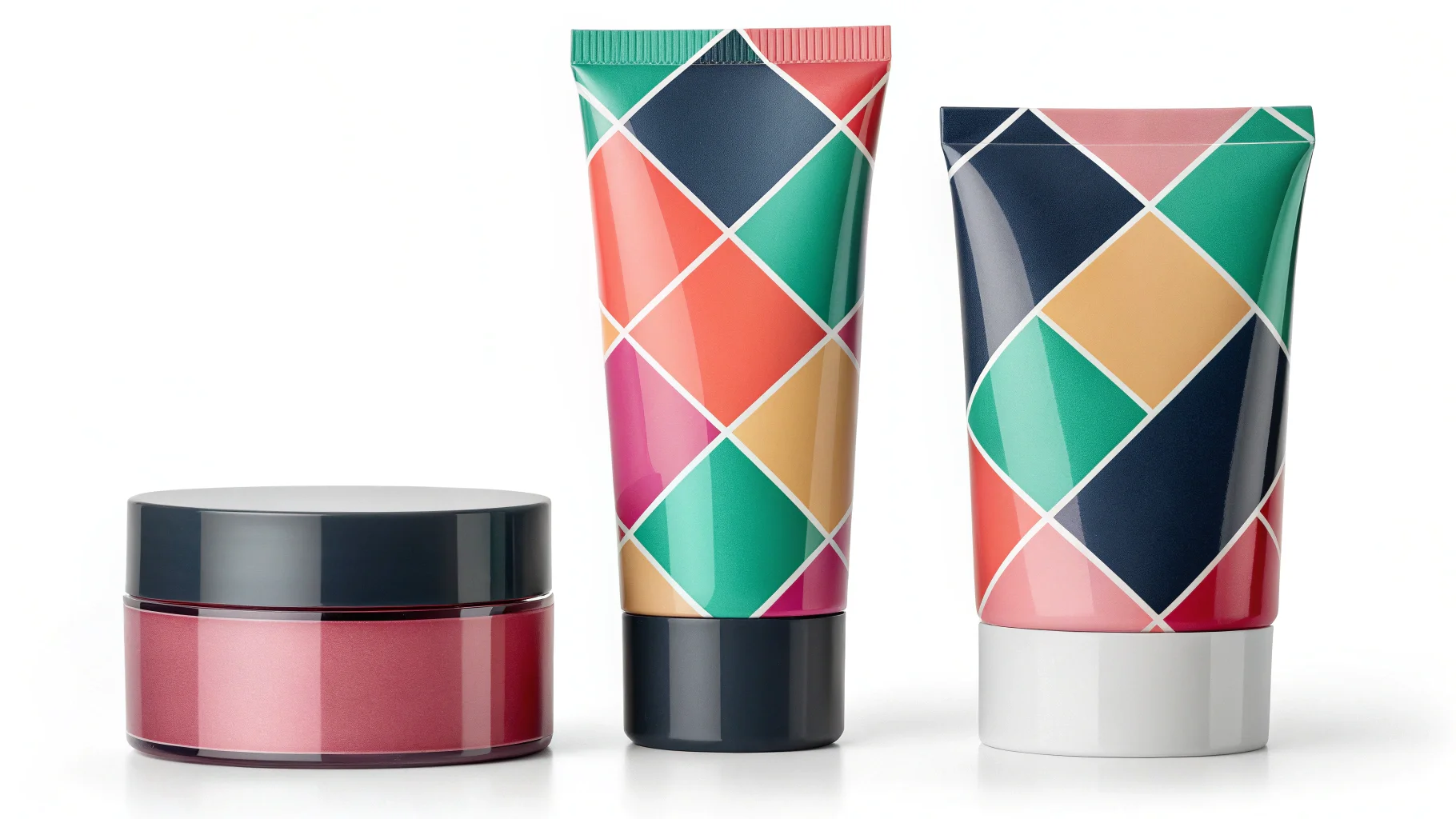
When I consult with brands, I often find they focus too much on one element, like visual design, while neglecting others, like functionality. Truly effective packaging5 is a balance of art and engineering. It has to look great, feel great in the hand, and perform its job flawlessly from the factory to the customer’s bathroom shelf. I encourage my clients to think of it as a complete user journey. Every touchpoint matters. To make it clearer, I’ve broken down the most important elements into a simple table.
| Element | Description | Why It’s Important |
|---|---|---|
| Visual Design | The use of color, fonts, imagery, and layout. | This is what grabs initial attention on a physical or digital shelf. It should align with your target audience and brand identity. |
| Functionality | How easy the package is to open, use, and store. This includes dispensers, closures, and overall shape. | A frustrating package (e.g., a pump that clogs) can ruin the customer experience, no matter how great the product is. |
| Brand Storytelling | The way the packaging communicates your brand’s mission, values, and unique selling proposition. | This builds an emotional connection. It’s the difference between a one-time purchase and a loyal fan. |
| Material Choice | The selection of glass, plastic, aluminum, or paper, and its texture and weight. | The material affects the perceived value, product stability, sustainability credentials, and cost. |
What Are the Most Common Types of Cosmetic Packaging & Beauty Boxes?
Feeling overwhelmed by all the packaging options available? Choosing the wrong type can hurt your product’s appeal and function. Let’s simplify the choices for your brand.
Common types include primary packaging6 like jars, bottles, tubes, and compacts that directly hold the product. Secondary packaging, like folding cartons or rigid boxes, protects the primary container and adds branding. Beauty boxes often refer to these outer cartons.
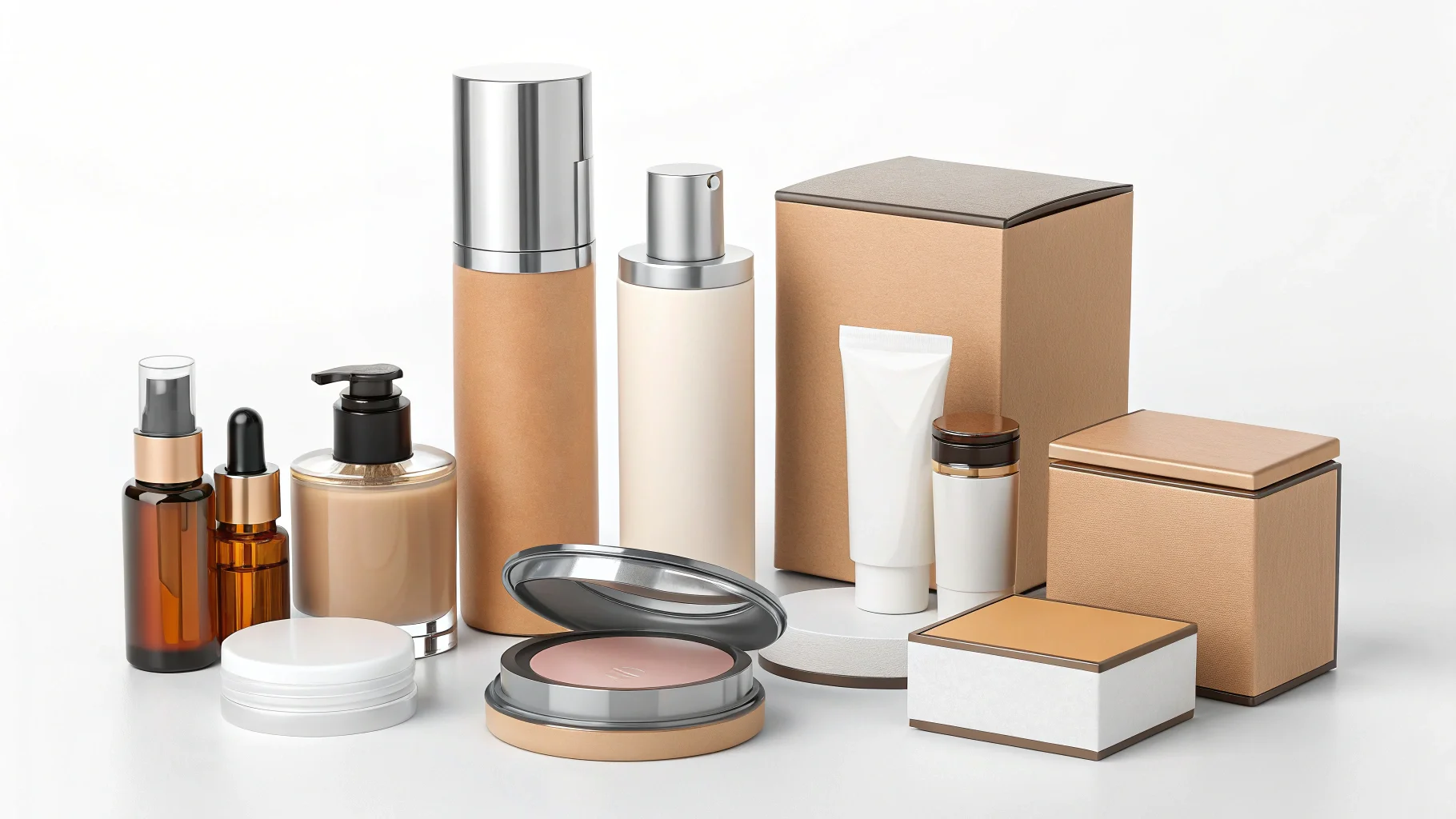
Understanding the terminology is the first step. When a supplier talks about "primary" and "secondary" packaging, it’s a simple distinction that has big implications for your budget and design. I always advise brands to design them together, not as separate projects, to ensure a cohesive look and feel.
Primary Packaging: The Product’s Home
This is the packaging that is in direct contact with your formula. It’s the most critical for compatibility and functionality.
- Jars: Great for thick creams, balms, and masks. They offer a large opening for easy access.
- Bottles: Perfect for liquids like serums, lotions, and foundations. They come in many forms, including airless pumps that protect sensitive formulas from oxidation.
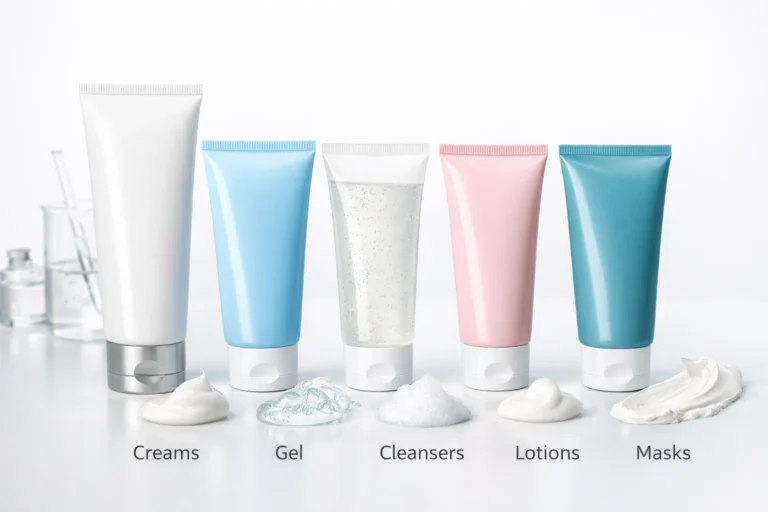
- Tubes: Ideal for gels, cleansers, and creams. They are lightweight, affordable, and allow for controlled dispensing.
- Droppers: The standard for facial oils and serums, allowing for precise, hygienic application.
- Compacts: Used for pressed powders, eyeshadows, and blushes. They often include a mirror and applicator for on-the-go use.
Secondary Packaging: The First Impression
This is the outer box or wrapping. It protects the primary packaging6 and serves as the main canvas for your branding and marketing messages.
- Folding Cartons: The most common type of "beauty box." They are made from paperboard, ship flat, and are cost-effective.
- Rigid Boxes: Thicker, sturdier, and do not collapse. They provide a premium, gift-like experience, often used for luxury products or gift sets.
How Should You Choose Packaging Based on Product Category?
Using the same packaging style for every product? This one-size-fits-all approach can ruin your formula and customer experience. Let’s match the right packaging to the right product.
Choosing packaging by category is crucial. For example, skincare often requires airless pumps or opaque jars to protect active ingredients. Makeup needs compacts with mirrors or tubes with specific applicators. Fragrances demand high-quality glass bottles with effective atomizers.
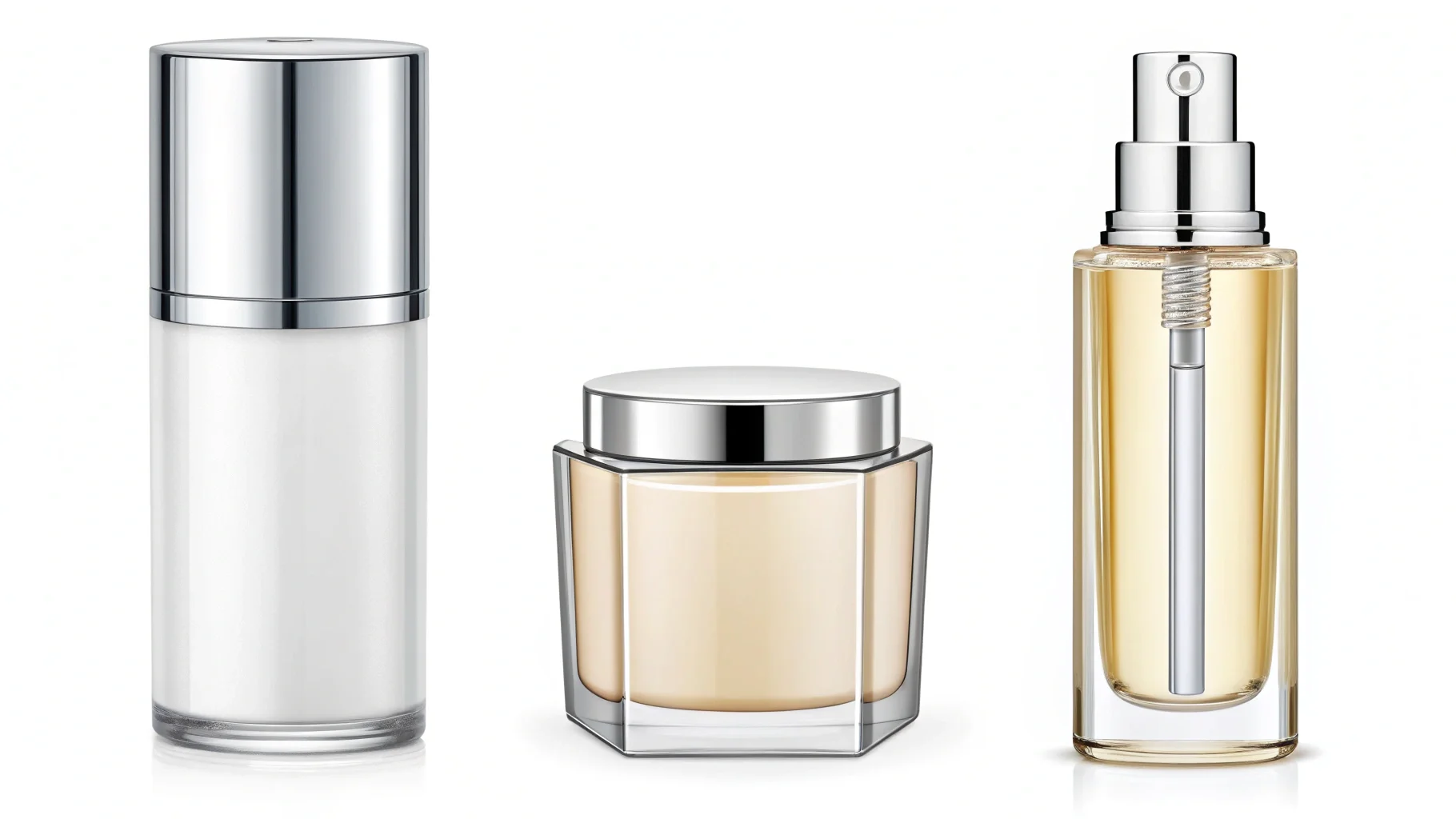
The needs of a face cream are completely different from those of an eyeshadow palette. The packaging must be chosen to complement and protect the specific formula it holds. A poor match can lead to product spoilage, difficult application, or customer frustration. I’ve seen brands try to save money by using a stock bottle for a new serum, only to find the formula degrades or the pump gets clogged. You must start with the product’s needs first. To help you think through this, here is a quick guide to matching packaging with common beauty categories.
| Product Category | Common Packaging Types | Key Considerations |
|---|---|---|
| Skincare | Airless pumps, droppers, jars, tubes | Protection from air and light is critical for active ingredients like Vitamin C and retinol. Hygiene is also a top priority. |
| Makeup | Compacts, tubes with wands, bottles with pumps, lipstick components | Functionality is key. Does the sifter on the powder work? Does the doe-foot applicator pick up enough product? |
| Fragrance | Glass bottles with atomizer pumps | The material must be non-reactive (inert) to preserve the delicate scent. The quality of the spray mechanism (atomizer) defines the user experience4. |
| Haircare | Large bottles with pumps, jars, tubes, spray bottles | Durability and ease of use in a wet environment like a shower are essential. Large volumes are common, so cost-effectiveness is important. |
What Materials Are Commonly Used in Cosmetic Packaging?
Confused about whether to use glass, plastic, or metal? The wrong material choice7 can affect your product’s stability, your brand image, and your bottom line. Let’s explore the best options.
Common materials include plastic (PET, PP, HDPE), which is versatile and lightweight; glass, which offers a premium feel and is inert; and aluminum, which is lightweight and provides excellent protection. Paper and cardboard are widely used for secondary packaging8.
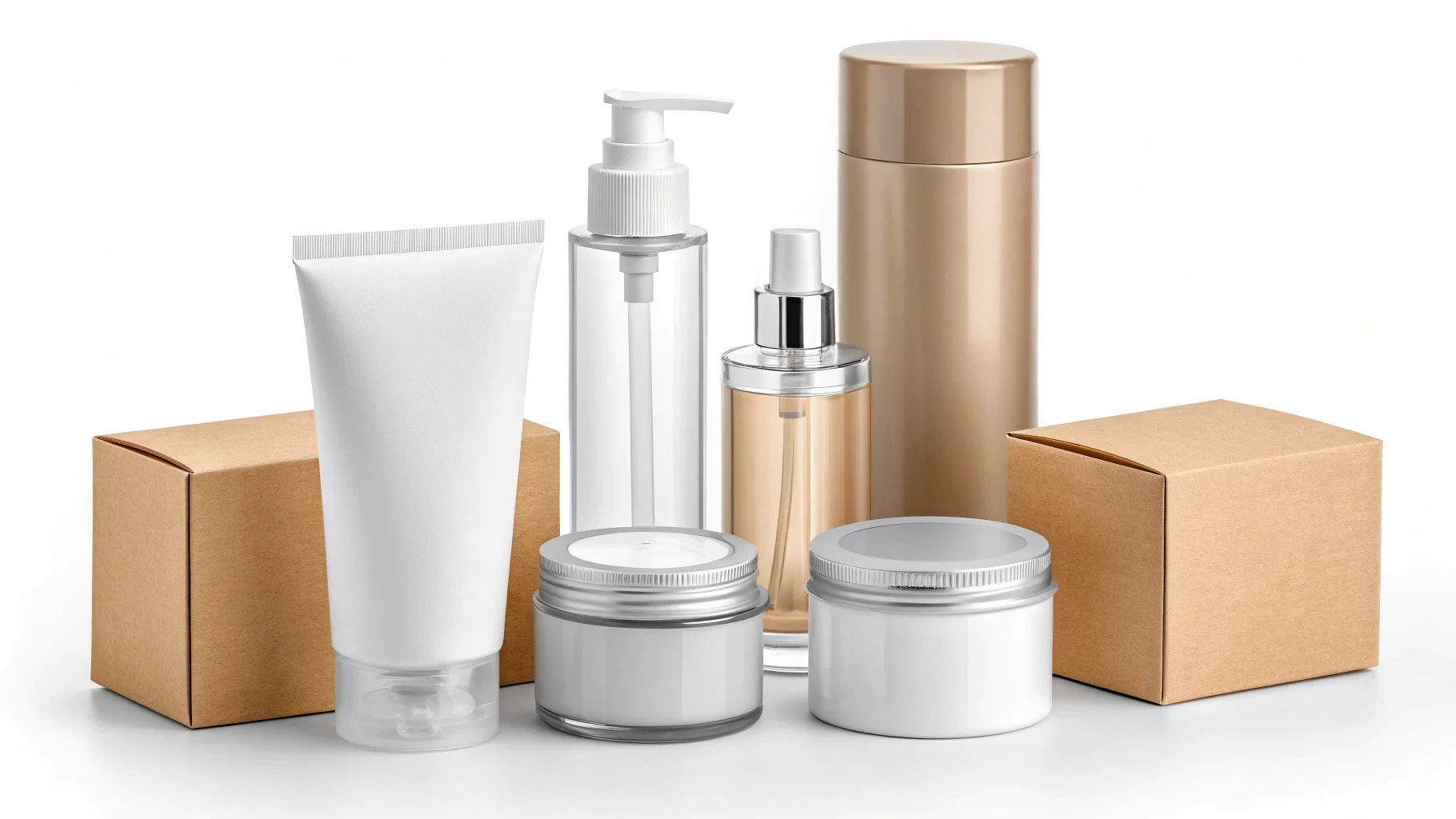
The material you choose says a lot about your brand. A heavy glass jar communicates luxury, while a sleek aluminum tube might signal a modern, minimalist aesthetic. But beyond looks, each material has technical pros and cons that you must consider. I always recommend performing compatibility testing, where you test your formula in the final packaging for several weeks to ensure there are no negative reactions.
Plastic
Plastic is the most common material due to its low cost, light weight, and durability. Different types are used for different purposes. PET is often used for bottles because it’s clear and strong, while PP is used for jars and caps because it’s more rigid. The main downside is the growing consumer concern over environmental impact.
Glass
Glass feels premium and is chemically inert, meaning it won’t react with your formula. This makes it an excellent choice for luxury skincare and fragrance. However, it’s heavier, more expensive to ship, and can break if dropped.
Aluminum
Aluminum is lightweight, shatterproof, and provides a 100% barrier against light and air. It’s often used for tubes and aerosol cans. It’s also infinitely recyclable, which is a big plus for sustainability.
Paper & Cardboard
These are primarily used for secondary packaging8 like folding cartons and rigid boxes. They are highly customizable with printing and finishing, and there are many recycled and FSC-certified options available.
What Are Your Printing, Finishing, and Customization Options?
Does your packaging look generic and cheap on the shelf? It’s probably because you’re ignoring finishing options. Let’s elevate your brand with simple but powerful customization techniques.
Customization options make your packaging unique. Printing methods include offset and digital printing. Finishing techniques like foil stamping, embossing, debossing, and spot UV add texture and a premium feel. Custom shapes and inserts can also enhance the unboxing experience.
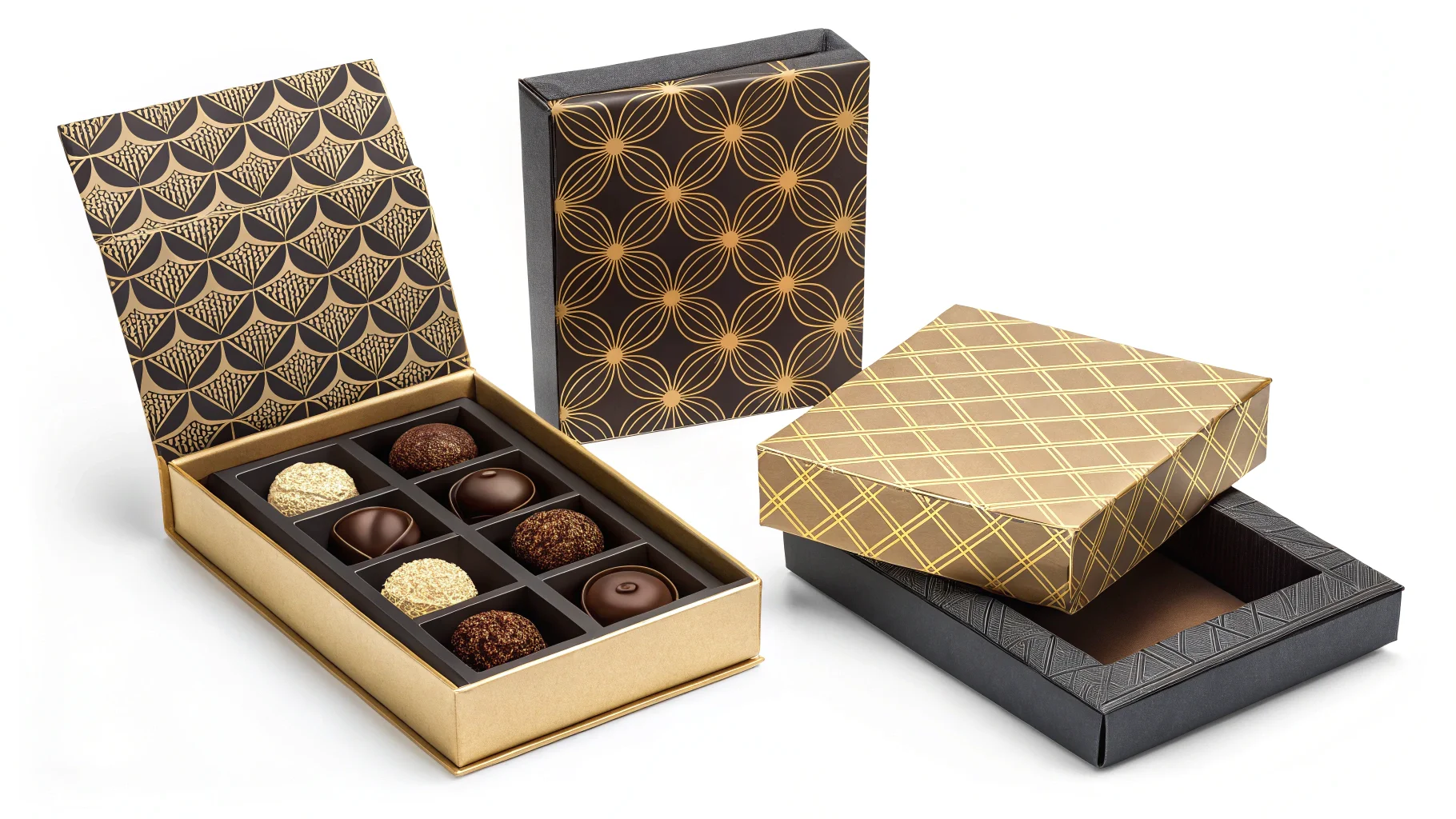
This is where you can truly make your brand stand out. I’ve seen a simple box transformed into a luxury item with just one or two well-chosen finishing touches. These techniques add tactile and visual interest, making the unboxing experience more memorable for your customer. They signal quality and attention to detail. Don’t think of these as "extras"—think of them as essential tools for building a premium brand identity. Here are some of the most popular options I recommend to my clients.
| Technique | Description | Best For |
|---|---|---|
| Offset Printing | Uses plates to transfer ink onto paper. High quality and cost-effective for large runs. | Large production quantities where color consistency is critical. |
| Digital Printing | Prints directly from a digital file, no plates needed. | Small runs, prototypes, or projects with variable data (e.g., different shade names). |
| Foil Stamping | Applying a thin layer of metallic or pigmented foil using heat and pressure. | Creating a shiny, metallic effect on logos, text, and borders. Adds a touch of luxury. |
| Embossing/Debossing | Pressing a design into the paper to create a raised (emboss) or recessed (deboss) effect. | Adding subtle, tactile texture to logos or patterns. It creates a sophisticated feel. |
| Spot UV Varnish | Applying a high-gloss varnish to specific areas of the design. | Making certain elements, like a logo, pop against a matte background. |
| Soft-Touch Lamination | A finish that gives the paper a smooth, velvety, or rubbery texture. | Creating a unique and premium tactile experience for the entire box. |
What Are the Biggest Sustainability Trends in Cosmetic Packaging?
Are customers calling your brand wasteful? Ignoring sustainability is no longer an option for modern brands. Here’s how to make your packaging eco-friendly and appeal to today’s consumers.
Key sustainability trends9 include using recycled materials (PCR plastic), choosing mono-materials for easier recycling, offering refillable packaging10 systems, and using biodegradable materials. Brands are also focused on lightweighting, which reduces material use and carbon footprint.
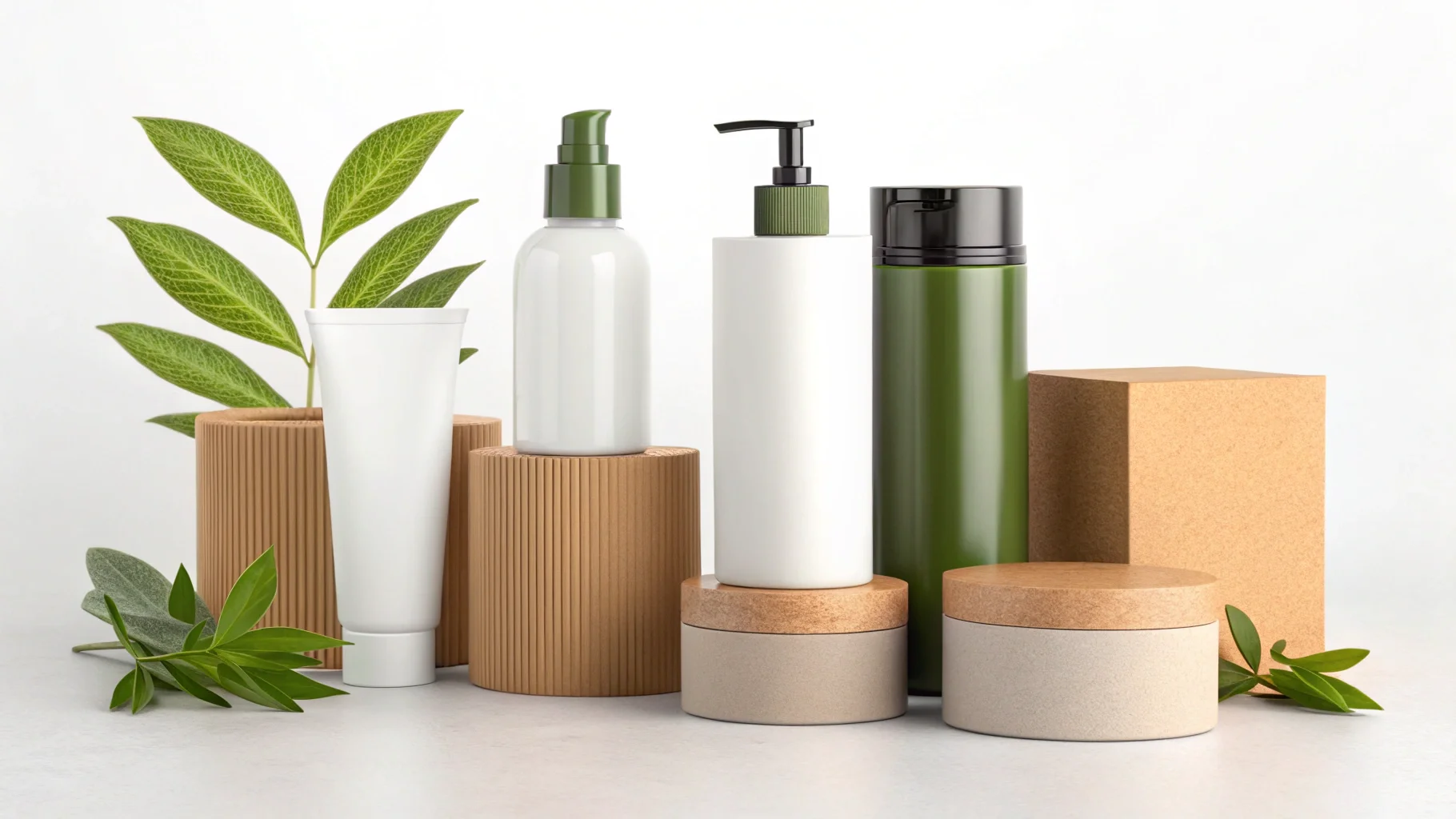
Sustainability is no longer a niche concern; it’s a core expectation for many consumers, especially in the beauty space. I’ve seen brands gain massive loyalty by being transparent and innovative in their approach to packaging. It’s not just about being "green"—it’s about smart design that reduces waste and resonates with your customers’ values. This is a huge opportunity to connect with your audience.
Refillable & Reusable
This is one of the biggest trends. The idea is to sell a durable, beautiful primary container once, and then offer less-packaged refills (like pods or pouches) for subsequent purchases. It reduces waste and can build long-term customer relationships.
Recycled & Recyclable Materials
Using Post-Consumer Recycled (PCR) content in plastic or paper packaging is becoming standard. Just as important is designing for recyclability. This often means using mono-materials—packaging made from a single type of plastic, without mixed materials that can’t be separated at recycling facilities.
Lightweighting
This is a simple but effective strategy. It involves re-engineering packaging to use less material without compromising its protective function. This not only saves resources but also reduces shipping weight and associated carbon emissions. It’s a win for the planet and your budget.
How Do You Choose the Right Cosmetic Packaging Supplier?
Worried about quality issues and missed deadlines from your supplier? Choosing the wrong partner can kill your business before it even gets started. Here’s how to find a reliable one.
To choose the right supplier, look beyond price. Evaluate their manufacturing capabilities, quality control processes (like ISO certification), and communication. Ask for samples, check their lead times, and inquire about their experience with brands similar to yours. A true partner is essential.
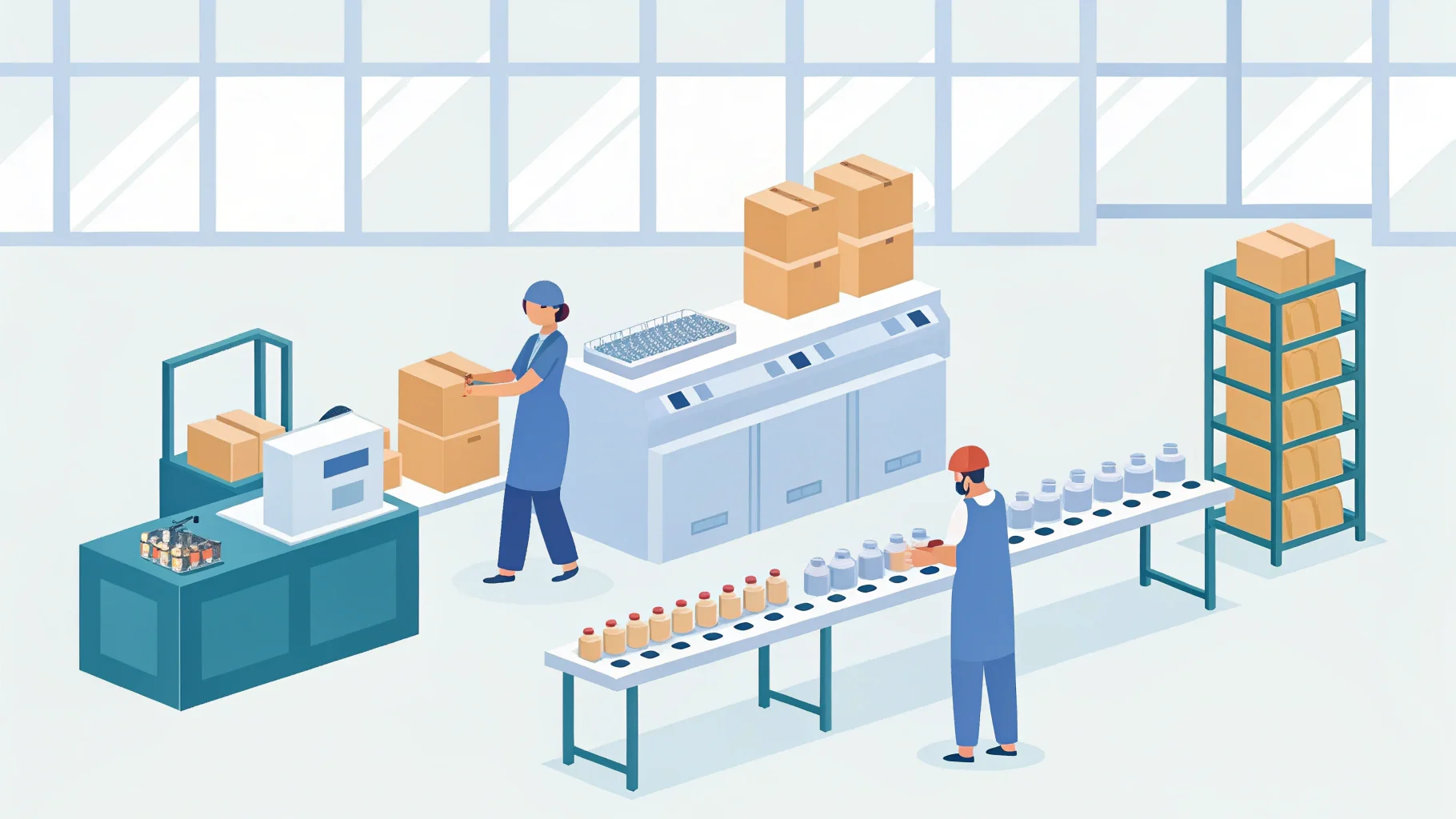
This is the single most important piece of advice I can give you, based on all my years in this industry. Your supplier is not just a vendor; they are an extension of your team. The success of your product is decided long before it hits the production line. It’s decided when you choose your packaging partner. I once worked with a brand that chose a supplier based on a 5-cent difference per unit. They ended up with a 3-month delay and a 20% defect rate. The "savings" cost them a fortune in lost sales and reputation.
1. Assess Their Technical Capabilities
Can they produce the materials and finishes you need? Do they have modern equipment? Ask for a tour of their facility if possible. A good supplier will be proud to show you their operations.
2. Verify Their Quality Control
Ask about their quality control process. Do they have certifications like ISO 9001? How do they handle defects? A reliable partner will have a clear, documented process for ensuring every unit meets your standards.
3. Check for Communication and Support
Are they responsive? Do you have a dedicated contact person? Good communication is critical, especially when problems arise. A partner who disappears when there’s an issue is a massive red flag.
4. Don’t Just Chase the Lowest Price
A slightly higher unit price from a reliable, high-quality supplier is an investment in peace of mind. It means predictable lead times, consistent quality, and a partner who will help you scale smoothly. That is far more valuable than saving a few cents.
What Are Some FAQs About Cosmetic Packaging & Beauty Boxes?
Still have questions about the packaging process? You’re not alone. These common questions can trip up even experienced founders. Let’s get you the clear answers you need.
Common questions include understanding MOQs (Minimum Order Quantities), typical lead times for production, the difference between primary and secondary packaging, and how to ensure product-package compatibility. Getting these answers upfront prevents costly mistakes and delays in your launch.
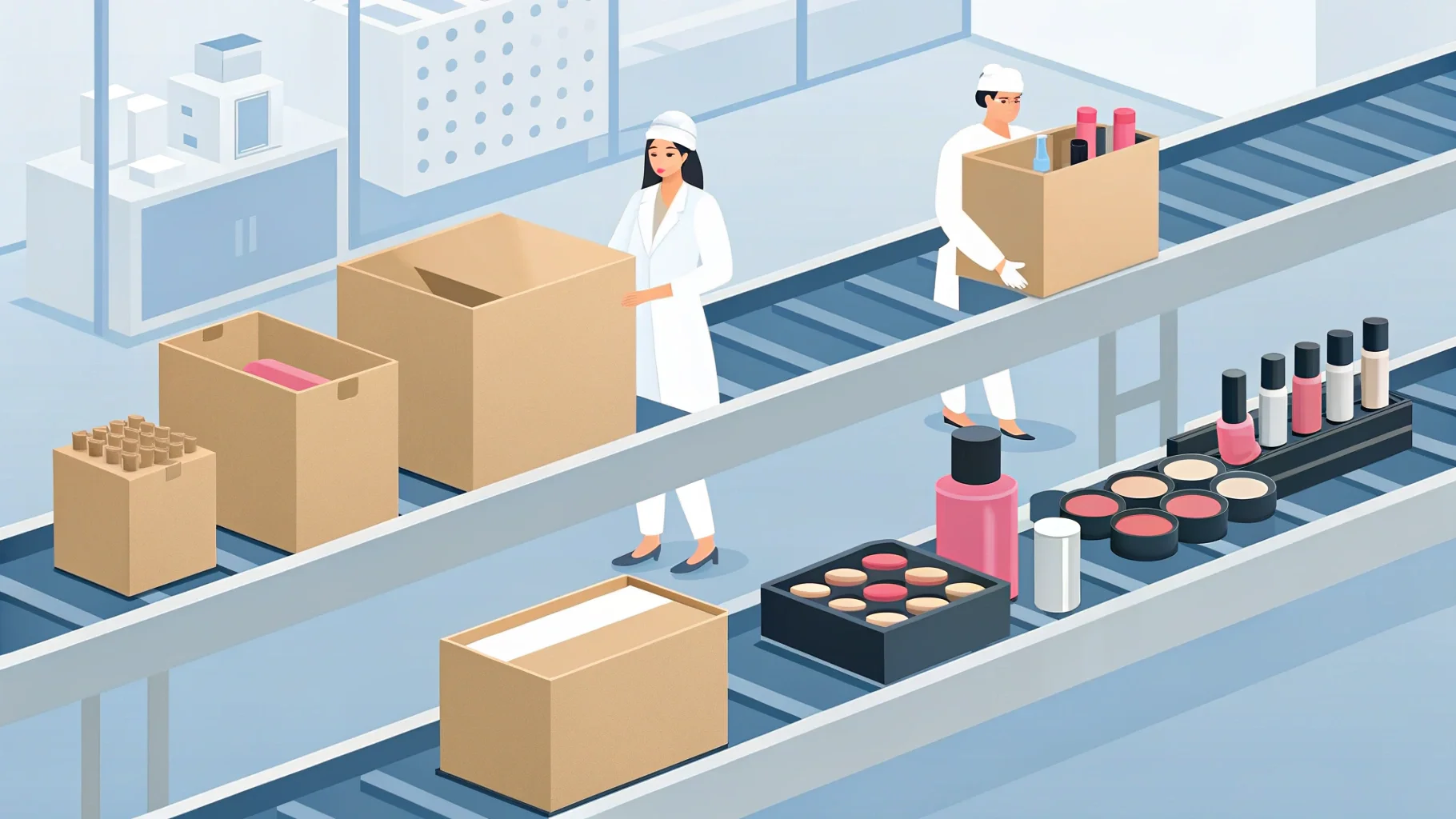
Over the years, I’ve noticed the same questions come up again and again. These are the practical details that can make or break your production timeline and budget. Getting clarity on these points before you sign a contract with a supplier is absolutely essential. Here are answers to a few of the most frequent questions I get.
Q: What is a typical MOQ?
A: MOQ stands for Minimum Order Quantity. For custom packaging, this can range from 1,000 units to 10,000 units or more, depending on the complexity and the supplier. It’s the smallest order a factory will accept for a production run. Always confirm this early in your discussions.
Q: How long does it take to produce custom packaging?
A: Lead times vary greatly. After your design is finalized, tooling (creating custom molds) can take 4-6 weeks. Production itself can take another 4-8 weeks. I always advise clients to budget at least 3-4 months from design approval to having the packaging in hand.
Q: What is compatibility testing and why is it important?
A: This is the process of filling your final package with your actual product and letting it sit for several weeks under various conditions (e.g., heat, light) to see if there are any negative reactions. It’s crucial for ensuring the packaging doesn’t cause your formula to discolor, change consistency, or degrade.
Q: What’s the difference between a prototype and a production sample?
A: A prototype is an early model, often made with different methods (like 3D printing), to check for size and shape. A production sample is made using the final mass-production tools and materials. You must approve this sample before the full production run begins.
Conclusion
Great packaging is a strategic asset. It protects your product, tells your brand’s story, and builds a reliable supply chain. Choose your partners and materials wisely for long-term success.
-
Understanding cosmetic packaging is crucial for protecting your product and enhancing brand identity. ↩
-
Discover how thoughtful packaging design can differentiate your brand in a crowded market. ↩
-
Explore the role of visual design in capturing consumer attention and driving sales. ↩
-
Learn how packaging design impacts customer satisfaction and product usability. ↩ ↩
-
Find out what makes packaging effective in attracting and retaining customers. ↩
-
Understand the importance of primary packaging in protecting and presenting your product. ↩ ↩
-
Discover the pros and cons of different materials for cosmetic packaging. ↩
-
Learn how secondary packaging enhances branding and protects primary containers. ↩ ↩
-
Explore how sustainable packaging can attract eco-conscious consumers and boost brand loyalty. ↩
-
Understand the benefits of refillable packaging in reducing waste and enhancing customer loyalty. ↩