Are your lip gloss sales flat? Your packaging might be the problem. A bland look can make even the best product invisible on a crowded shelf.
Creative lip gloss packaging1 boosts brand appeal by creating a memorable unboxing experience2 and visually communicating your brand’s identity. Functionally, it protects the product, prevents leaks, and ensures easy application for the customer, building trust and encouraging repeat purchases.
I’ve seen countless brands struggle with this exact issue. They have a fantastic product, but the packaging just doesn’t connect with customers. It’s a make-or-break element that deserves careful thought. So, let’s break down how to get it right and make your lip gloss the one everyone reaches for.
Why Does Lip Gloss Packaging Matter So Much?
Does your product get lost on the shelf? It’s frustrating when a great lip gloss is ignored. The right packaging can change that perception instantly.
Lip gloss packaging matters because it’s the first interaction a customer has with your brand. It communicates quality, protects the product, and differentiates you from competitors. Good packaging builds brand identity3 and convinces customers to make that initial purchase.
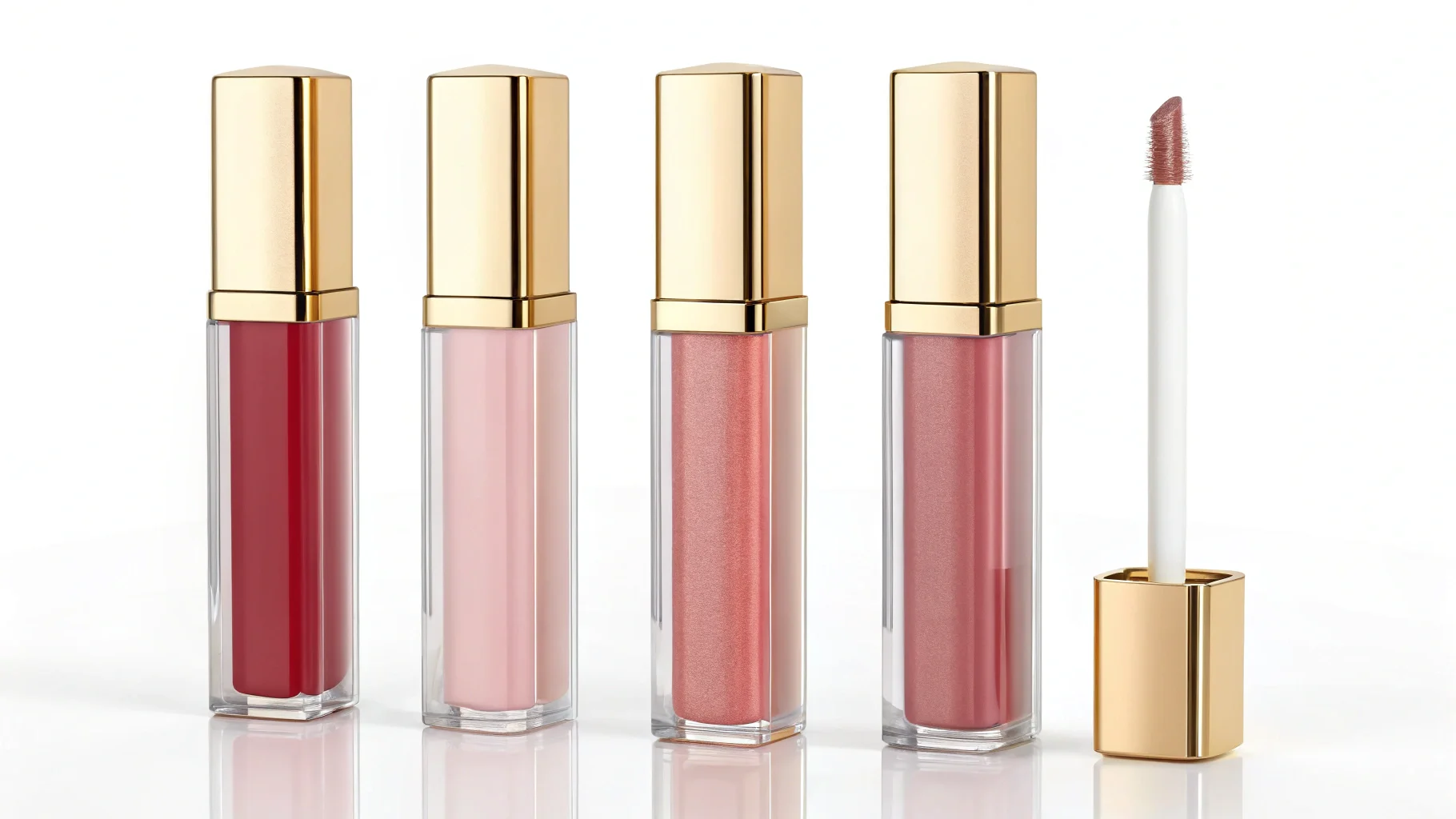
From my years in manufacturing, I can tell you that packaging is your silent salesperson. It works for you 24/7 on the shelf and online. It’s not just a container; it’s a critical piece of your marketing and brand strategy. Let’s break down its role.
It Builds Your Brand Identity
Your packaging tells your brand’s story before the customer even tries the gloss. Is your brand fun and youthful, or is it luxurious and sophisticated? The colors, fonts, materials, and shape all send a message. I once worked with a brand that used very simple, minimalist packaging. It perfectly matched their "clean beauty" message and helped them stand out from the more flashy brands. The packaging didn’t just hold the product; it reinforced what the brand stood for.
It Creates the Customer Experience
The experience starts the moment a customer holds the box. How does it feel in their hand? Is it easy to open? Does the tube feel cheap or substantial? Does the applicator glide smoothly? A positive experience builds trust and makes the customer feel good about their purchase. A negative one, like a leaky tube or a flimsy cap, can ruin their perception of your brand forever.
It Provides Essential Product Protection
This is the most fundamental job of packaging, and it’s where many brands fail. The package must protect the lip gloss formula from contamination, light, and air. It also has to survive the journey from my factory to a warehouse, then to a store, and finally into a customer’s purse. A package that leaks, cracks, or deforms is a failure, no matter how beautiful it looks. This is a practical reality that must come first.
What Are The Core Functional Requirements of Lip Gloss Packaging?
Worried about leaky tubes and unhappy customers? Poorly functioning packaging can ruin your reputation. It’s a common but avoidable problem that needs a solid solution.
The core functional requirements include a leak-proof seal4 to prevent messes, a durable container to withstand shipping and daily use, and a well-designed applicator for a smooth, even application. The packaging must also protect the formula from contamination and degradation.
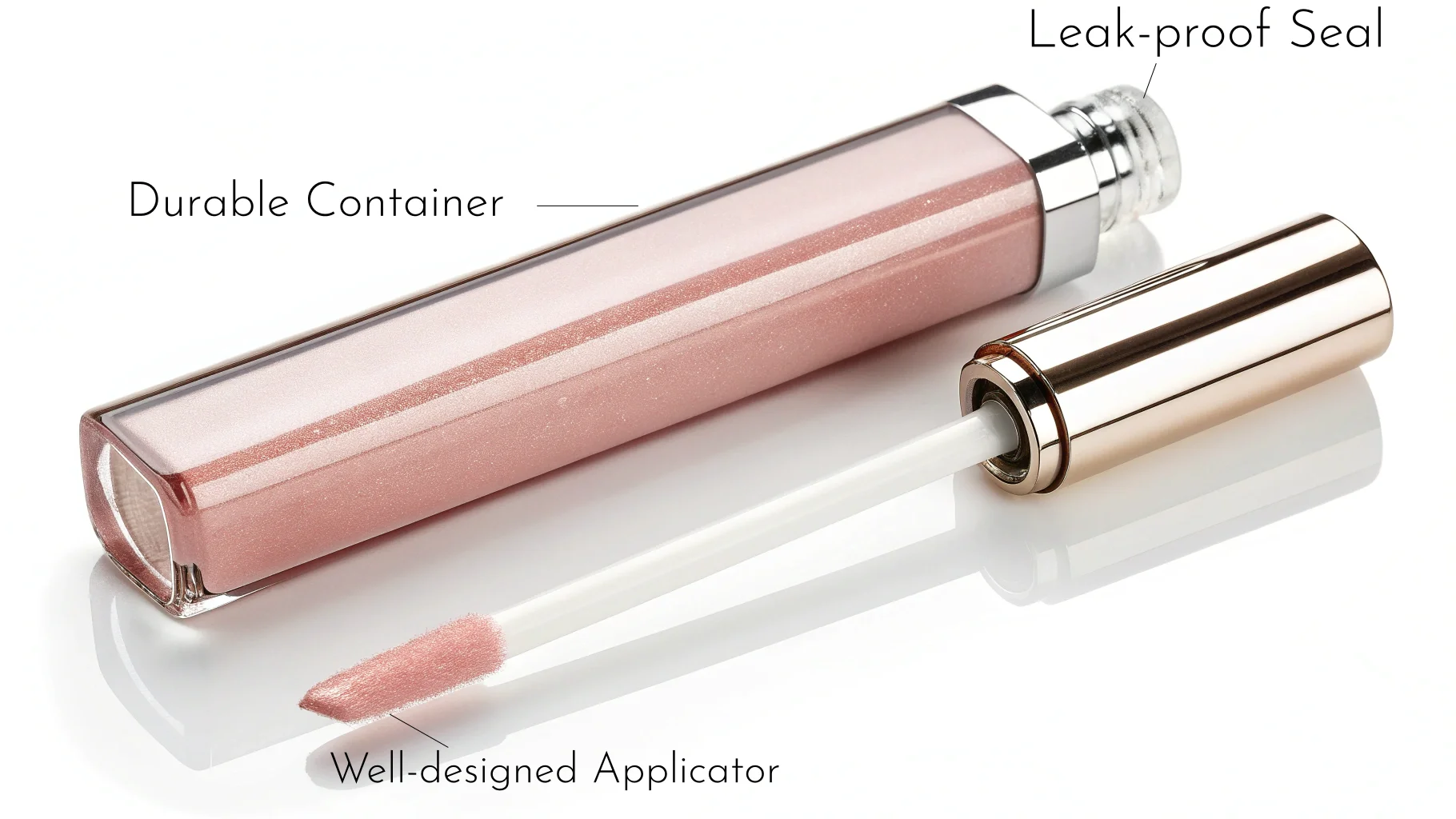
Functionality isn’t the most exciting part of design, but it is the most important. I’ve seen the most beautiful, creative designs get rejected because they simply didn’t work. A customer will forgive a plain-looking package that works perfectly, but they will never forgive a stunning package that leaks all over their new handbag.
1. Leak-Proof Sealing
This is non-negotiable. The culprit is often a poor fit between the tube, the internal "wiper" that cleans the wand, and the cap. If these three components aren’t perfectly engineered to work together, you will have leaks. From a manufacturing perspective, this often happens when a brand sources components from different suppliers to save a few cents. We always insist on testing the complete unit—tube, wiper, and cap—with the actual product formula to guarantee a secure seal under various conditions, like pressure changes during air freight.
2. Applicator Excellence
The applicator is the tool your customer uses to apply the product. Its design dramatically affects the user experience.
- Doe-Foot Applicator: The most common type. It’s great for scooping up and applying a generous amount of gloss. The shape of the tip can be customized for more precise application.
- Brush Applicator: Offers a very precise, paint-on application. It’s often seen in more premium or professional-grade products.
- Rollerball Applicator: Provides a cooling sensation and a thin, even layer of gloss. It has a nostalgic feel but offers less control.
- Squeeze Tube with Slanted Tip: Simple, hygienic, and allows the user to control the amount of product easily.
3. Material Durability and Compatibility
The material of the tube and cap must be strong enough to withstand being dropped and jostled around in a makeup bag. It also has to be chemically compatible with your lip gloss formula. Certain oils and solvents in a formula can react with some plastics, causing them to become brittle, crack, or even melt over time. This is a silent killer for a product line. Extensive compatibility testing is the only way to prevent this disaster.
What Are The Most Popular Materials and Finishes for Lip Gloss Packaging?
Feeling overwhelmed by material choices? Picking the wrong one can make your product look cheap. Let’s explore options that make your lip gloss look premium.
Popular materials include durable plastics like PETG and AS for clarity and versatility, and glass for a luxury feel. Common finishes are matte for a modern look, glossy for a classic shine, and soft-touch for a velvety texture that enhances the tactile experience.
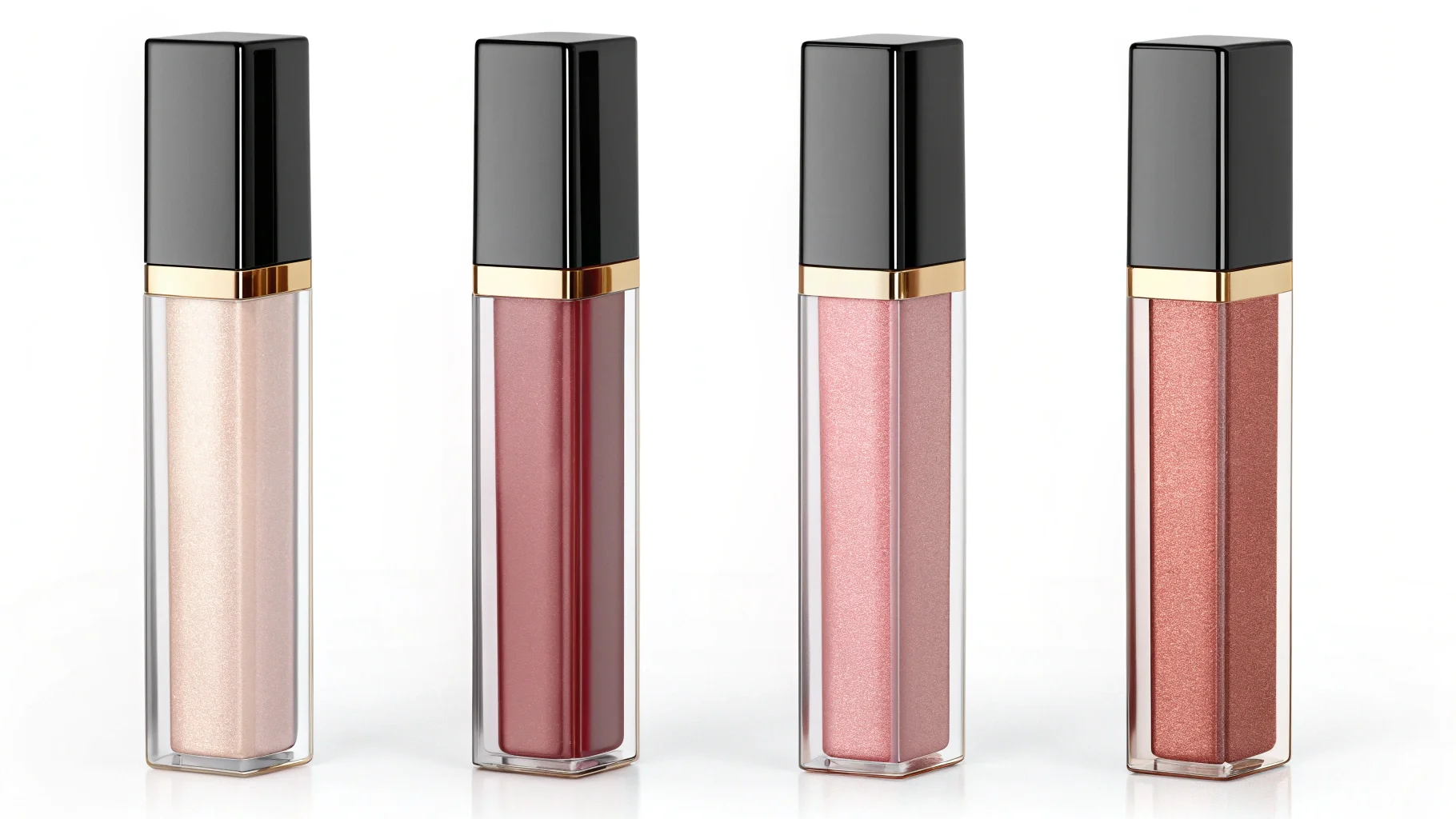
The material and finish you choose directly communicate your brand’s price point and personality. The tactile sensation of picking up a product is a huge part of the buying decision. A heavier, cooler material like glass feels more luxurious than a lightweight plastic. Here’s a breakdown of the choices I work with every day.
Primary Container Materials
The tube itself sets the stage. Each material has its own set of pros and cons that you need to balance against your brand, budget, and logistical plans.
| Material | Key Characteristics | Best For | Manufacturing Note |
|---|---|---|---|
| Plastic (PETG, AS, PP) | Lightweight, durable, shatterproof, cost-effective, versatile shapes. | Everyday brands, budget-friendly lines, and brands prioritizing durability. | Most common and easiest to work with. Highly customizable. |
| Glass | Heavy, luxurious feel, excellent product compatibility, recyclable. | Premium and luxury brands looking to convey high quality. | Heavier weight increases shipping costs. Risk of breakage. |
| Aluminum | Sleek, modern, opaque (protects formula from light). | Brands with a minimalist or industrial aesthetic. | Can be prone to denting if the walls are too thin. |
Finishes That Add Flair
The finish is what your customer sees and feels. It can transform a simple package into something special.
- Matte: A non-reflective, frosted finish. It looks modern, sophisticated, and is great at hiding fingerprints.
- Glossy: The classic high-shine finish. It makes colors pop and gives a clean, polished look.
- Soft-Touch: A special coating that gives the plastic a velvety, rubbery, and soft feel. It feels very premium and is a pleasure to hold.
- Metallic / Hot Stamping: Applying a thin layer of metallic foil (like gold or silver) to create shiny text or logos. This immediately signals luxury. From a production standpoint, this requires precision to get clean lines.
- Gradient / Ombré: A color effect that fades from one color to another. It’s visually dynamic and eye-catching on the shelf.
Which Lip Gloss Box Styles Actually Attract Buyers?
Is your lip gloss box just a box? It could be a powerful marketing tool. A generic box gets ignored, but a unique style can grab attention.
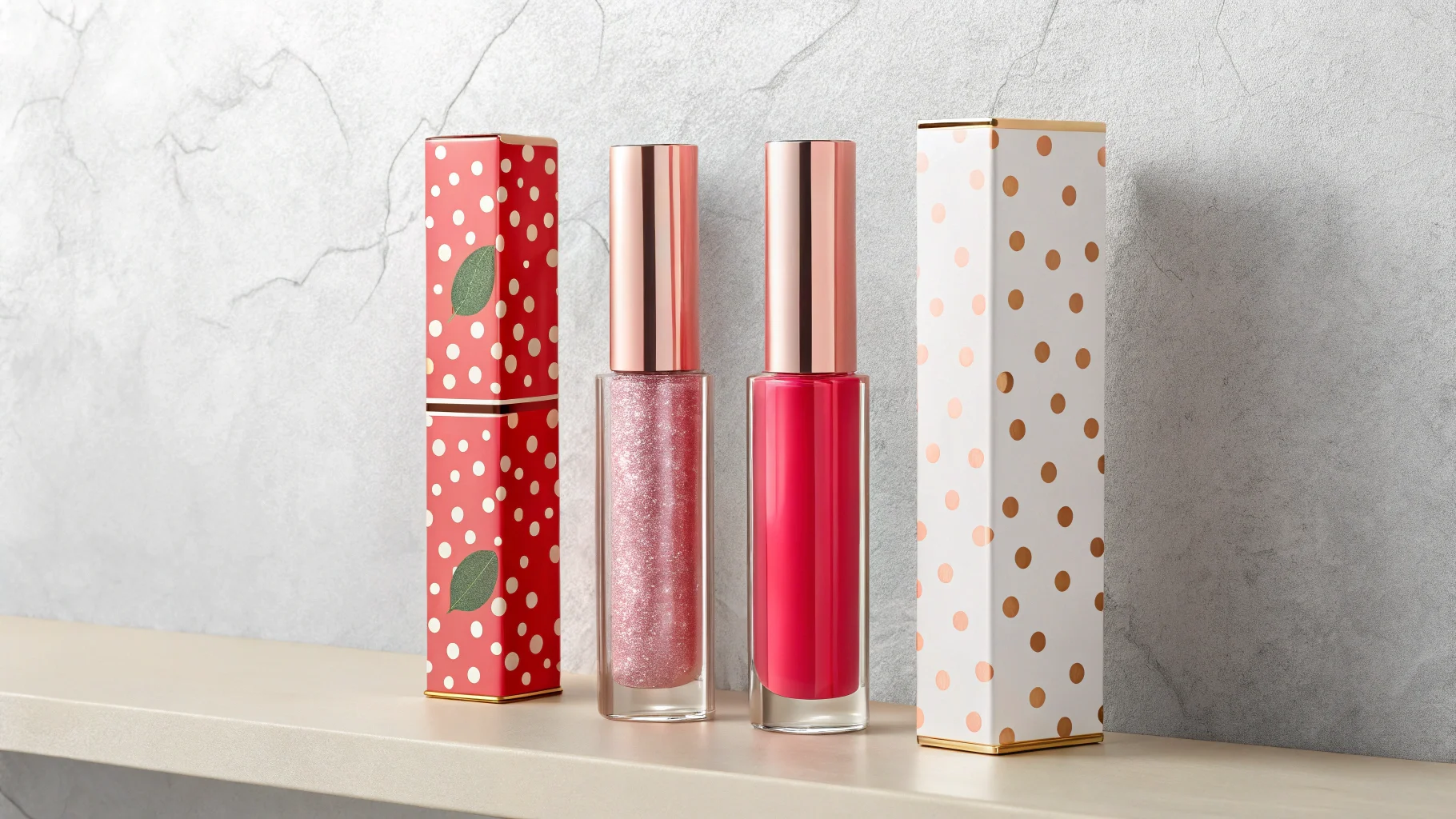
Box styles that attract buyers include windowed boxes that showcase the product color, sleek tuck-end boxes for a classic look, and custom-shaped boxes for a unique brand statement. These styles enhance shelf appeal and create an exciting unboxing experience2.
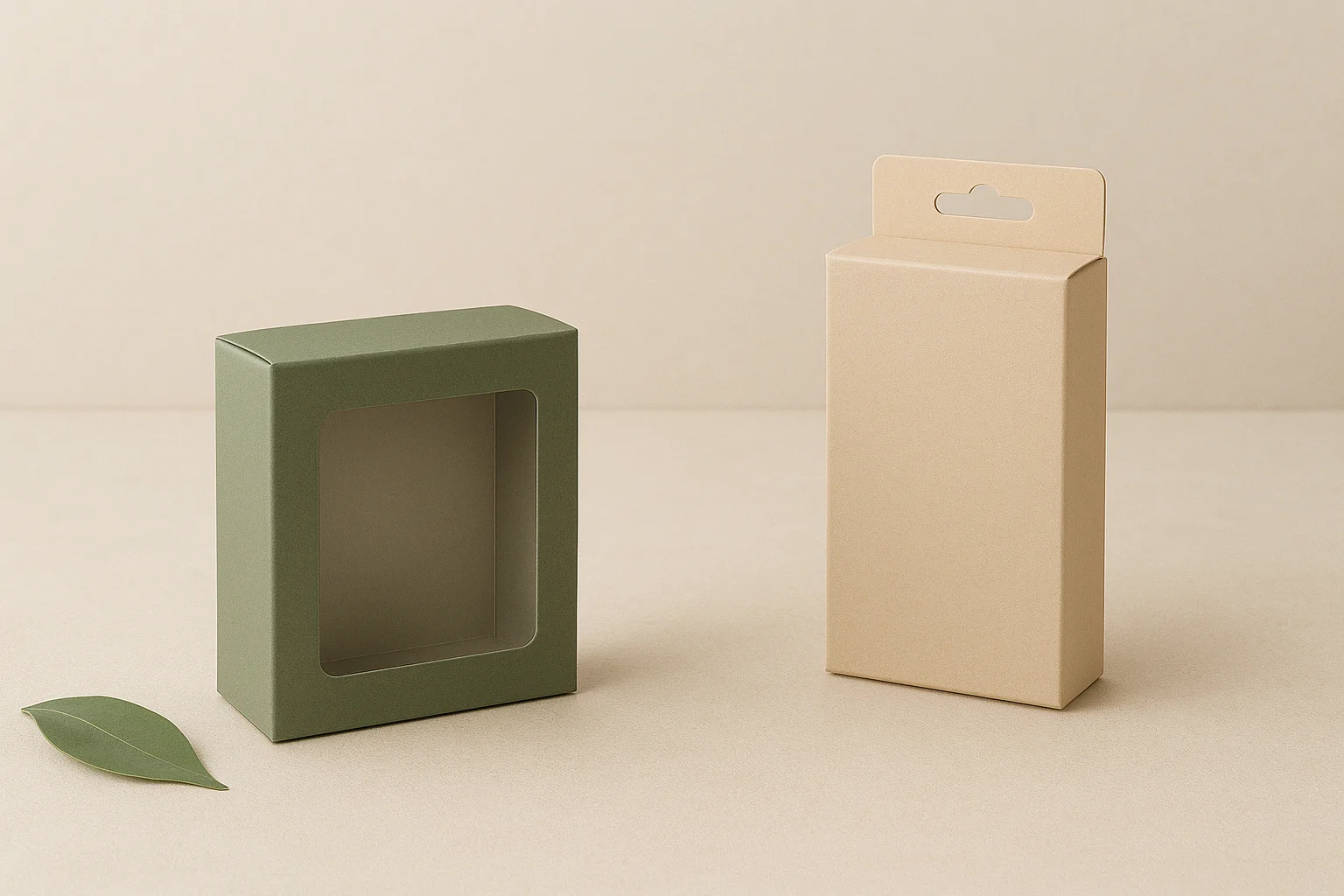
The outer box, or what we call secondary packaging, is your product’s first impression. On a crowded retail shelf, it’s what draws the eye and invites the customer to pick it up. In e-commerce, it’s a key part of the unboxing experience2. I’ve seen brands double their retail sell-through just by upgrading their box design.
Common Box Styles That Work
You don’t need to reinvent the wheel. These tried-and-true styles are popular because they are effective and can be produced reliably.
| Box Style | Description | Why It Works |
|---|---|---|
| Standard Tuck Box | The classic, simple box with flaps on the top and bottom. | Cost-effective, easy to assemble, and provides a clean canvas for your branding. |
| Window Patch Box | A standard box with a clear plastic window cut into it. | Shows off the actual lip gloss color, which builds trust and helps with color selection. |
| Sleeve Box | A two-piece design where an inner tray slides out of an outer sleeve. | Creates a premium, gift-like unboxing experience2. It feels more substantial and luxurious. |
| Custom Die-Cut Box | A box created in a unique, non-rectangular shape. | The ultimate way to stand out. The shape can reflect your brand’s logo or a theme. |
Design Elements for Extra Impact
Beyond the box’s shape, small details can elevate the entire package. When I consult with brands, I often recommend adding one or two of these touches to make the packaging feel more thoughtful. Think about adding an embossed logo that raises off the surface, or printing a fun pattern on the inside of the box for a moment of surprise and delight when the customer opens it. These details don’t add much to the cost but add a lot to the perceived value.
What Creative Packaging Ideas Can Make Your Brand Stand Out?
Afraid your brand will blend in? In a sea of similar products, being unique is essential. Let’s explore ideas that make your brand unforgettable.
To stand out, consider unique tube shapes beyond the standard cylinder, applicators with innovative tips, or interactive elements like hidden messages. Sustainable packaging using PCR plastics or bamboo also attracts eco-conscious consumers and tells a powerful brand story.
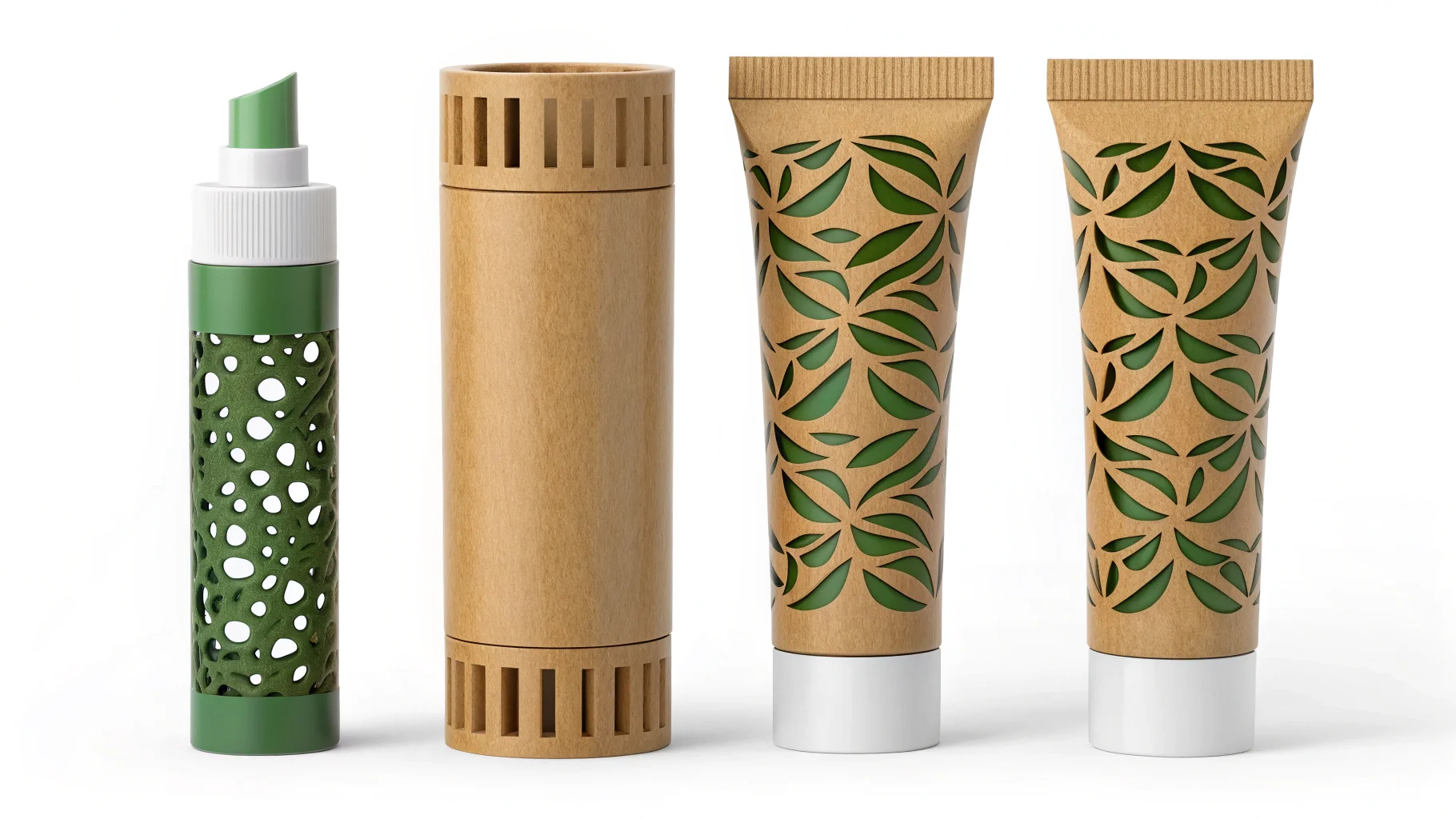
This is where you can have some fun, but it’s important to balance creativity with production reality. The best ideas are often a clever twist on something familiar. I always advise clients to focus on one or two unique features rather than trying to do everything at once. A single, well-executed creative element is more powerful than a dozen poorly-executed ones.
1. Unique Primary Container Shapes
Most lip gloss tubes are simple cylinders or squares. Why not try something different? A tube shaped like a honeycomb, a crystal, or even a test tube can be instantly recognizable. I worked with a brand that launched a gloss in a flat, credit-card-thin package that was designed to slip easily into a wallet. It wasn’t the easiest to manufacture, but its unique functionality and form factor got them a ton of press and made them an instant hit. The key is to ensure the shape doesn’t compromise the function, like making it hard to hold or leaving product trapped in corners.
2. Interactive and Multi-Functional Designs
Packaging can do more than just hold the product. Consider adding a small mirror to the side of the tube for on-the-go application. Or what about a dual-ended component with a lip gloss on one side and a lip liner on the other? Some brands have even incorporated a tiny push-button LED light into the cap to help with application in low-light settings. These features add real value for the user and provide a great talking point for your marketing.
3. A Strong Sustainability Story
Today, sustainability is a huge driver for purchasing decisions. Using eco-friendly materials is not just good for the planet; it’s a powerful way to connect with a growing segment of consumers.
- Post-Consumer Recycled (PCR) Plastic: Using plastic that has already been recycled gives it a second life.
- Mono-Material Design: Designing the entire package (bottle, cap, wiper) from a single type of plastic (like PP) makes it much easier for consumers to recycle.
- Refillable Systems: Creating a beautiful, durable outer case and selling cheaper refill cartridges is a fantastic way to encourage repeat business and reduce waste.
- Natural Materials: Using materials like bamboo for caps and FSC-certified paper for boxes tells a clear story about your brand’s values.
What Are The Common Mistakes to Avoid in Lip Gloss Packaging?
Worried about making a costly packaging mistake? A simple oversight can lead to product waste and brand damage. Let’s cover the pitfalls to avoid.
Common mistakes include choosing materials incompatible with the formula, which can cause leakage or discoloration. Others are poor applicator design5, illegible text, and ignoring shipping durability. The biggest mistake is designing in a vacuum without consulting your manufacturer early.
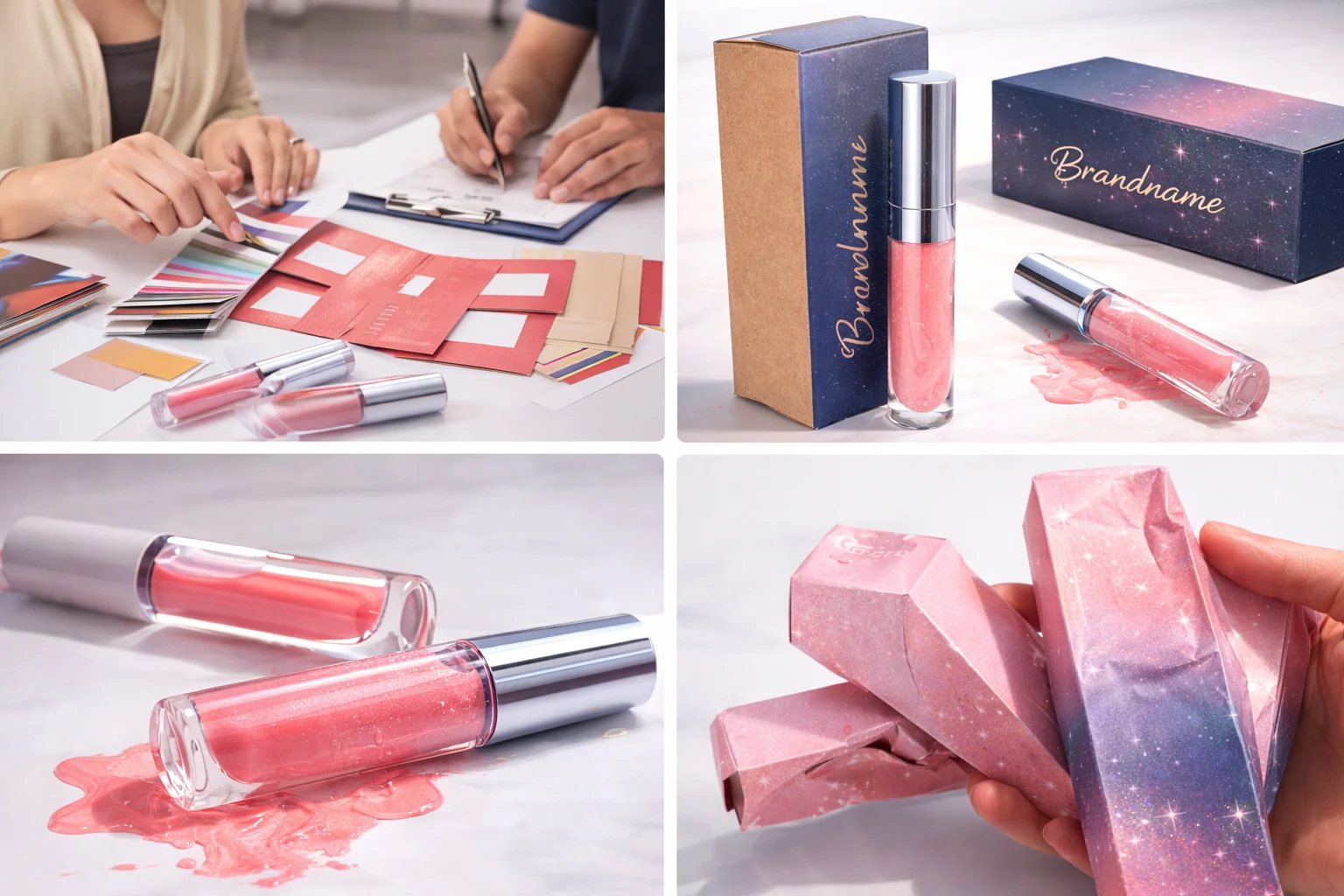
I have seen these mistakes cost brands hundreds of thousands of dollars in wasted inventory and lost sales. The sad part is that almost all of them are preventable. They usually stem from a lack of communication between the design team and the production team.
Mistake 1: Not Testing Formula Compatibility
This is the most dangerous mistake. You have a beautiful package and a fantastic formula, but you never tested them together for an extended period. A few months later, you get reports that the plastic is cracking or the gloss is changing color. Certain ingredients can react with certain materials. The only way to know for sure is to conduct a 6-8 week stability test, where you put your exact formula into the final production-quality packaging and expose it to different temperatures and conditions. Do not skip this step.
Mistake 2: Designing for Looks, Not for Production
I get it. Designers want to create something stunning. But sometimes, a design that looks great in a 3D rendering is a nightmare to actually produce. It might require complex molds, have a high defect rate, or use a process that dramatically slows down production. This leads to higher costs and missed deadlines. This is why practical packaging decisions often outperform purely trendy ones. A simple, elegant design that can be produced consistently is always better than a complex one that causes constant problems.
Mistake 3: Forgetting the End User
It’s easy to forget that a real person has to use this product every day. I’ve seen caps that are too small to grip properly, applicators that are too short to reach the bottom of the tube (wasting product), and boxes that are impossible to open without tearing. Always ask: Is it easy to hold? Is it easy to open and close? Can you get all the product out? A five-minute user test with a few people can reveal major usability flaws before you commit to a million units.
How Do You Choose The Right Manufacturer For Your Lip Gloss Packaging?
Stressed about finding a reliable manufacturer? The wrong partner can derail your launch with delays and quality issues. Let’s find a partner you can trust.
Choose a manufacturer with specific experience in cosmetics packaging. Ask for samples, check their quality control processes (certifications like ISO), and prioritize clear communication. A good partner acts as an advisor, helping you avoid production pitfalls and balance design with feasibility.
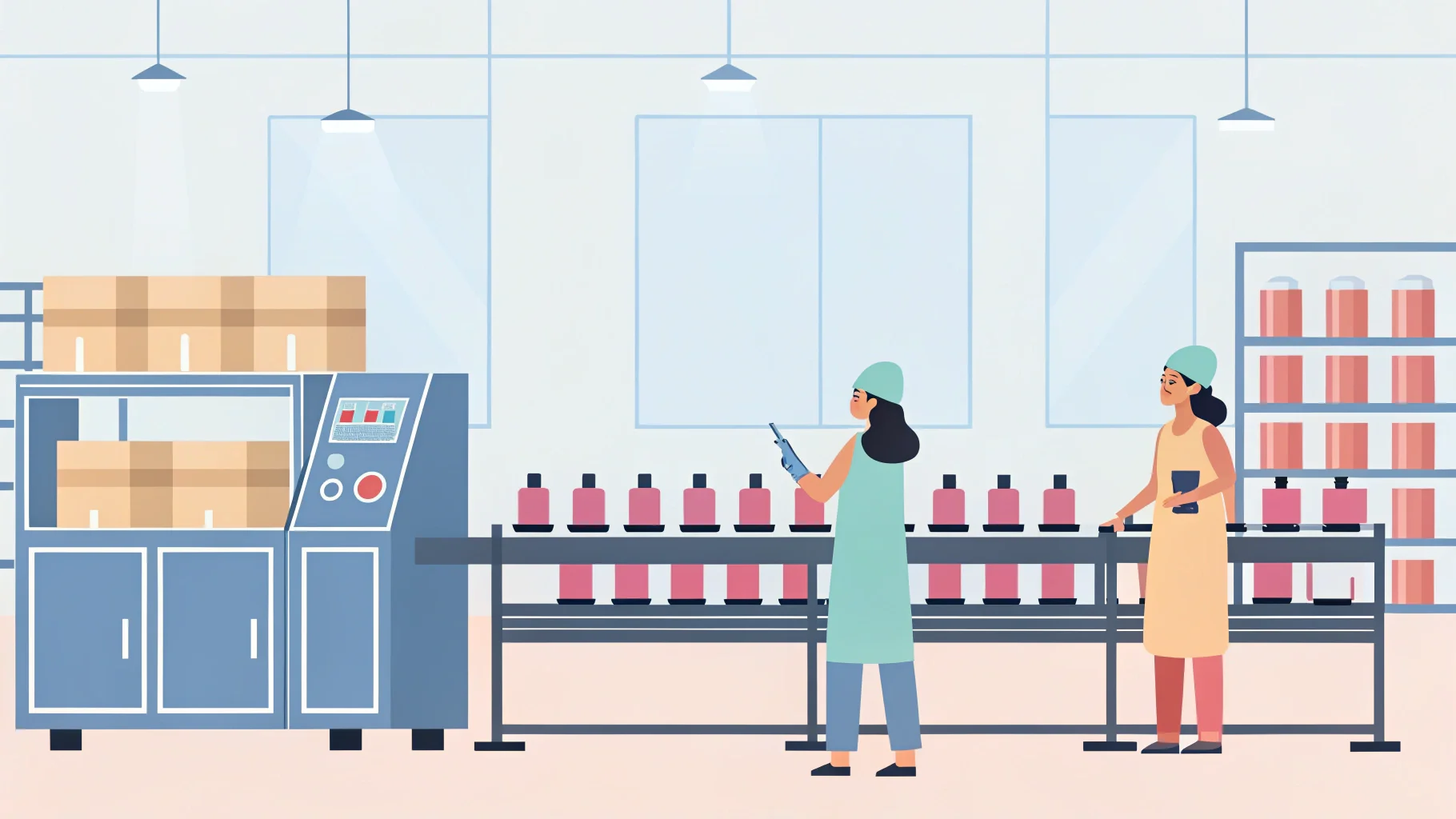
This is the most critical decision you will make after finalizing your formula. Your manufacturer is not just a vendor; they are your partner. A great one will save you from making costly mistakes, while a bad one will create them. The goal is to find a partner who is invested in your success.
Key Questions to Ask a Potential Partner
When you are vetting manufacturers, don’t be afraid to ask tough questions. Their answers will tell you a lot about their capabilities and their process.
- Can you show me examples of lip gloss packaging you have produced for other brands? (This proves they have relevant experience.)
- What are your Minimum Order Quantities (MOQs)? (Ensures their business model fits your scale.)
- What are your typical lead times for samples and for a full production run? (Helps you build a realistic timeline.)
- What is your quality control process? Are you ISO certified? (This shows their commitment to quality and consistency.)
- Can you help me source all the components—the tube, wiper, cap, and box? (A full-service supplier can prevent the component mismatch issues we talked about.)
The Power of Early Collaboration
Here is the single most important piece of advice I can give you: Talk to your manufacturer during the design process, not after. Do not pay a designer to create a finished package and then email it to a factory expecting a quote. Instead, bring your manufacturer into the conversation early. Show them your initial concepts. They can provide immediate feedback, such as, "That sharp edge will be difficult to mold cleanly, but if we round it slightly, we can guarantee consistency," or "The material you chose is currently facing supply chain delays, but here is a similar one that is readily available." This kind of collaborative approach is what separates successful product launches from disastrous ones. It turns the relationship from a simple transaction into a true partnership.
Conclusion
In conclusion, great lip gloss packaging marries creative design with practical function. By focusing on your brand, customer, and manufacturing reality, you create a product that truly shines.
-
Explore how creative packaging can enhance brand appeal and customer experience. ↩
-
Discover elements that enhance the excitement of unboxing your product. ↩ ↩ ↩ ↩
-
Learn how effective packaging communicates your brand’s story and values. ↩
-
Find out how to ensure your packaging prevents leaks and maintains quality. ↩
-
Explore various applicator designs and how they affect user experience. ↩