You’ve perfected your formula, but products are spoiling. Customers complain, and your brand's reputation suffers. The problem might not be your ingredients, but the packaging you chose to house them.
Yes, the wrong packaging can make your cosmetic products expire[^1] much faster. Packaging choices directly control a product's exposure to air, light, and bacteria. Poor packaging accelerates the degradation of active ingredients[^2] and can lead to contamination, shortening the effective shelf life[^3] of an otherwise stable formula.
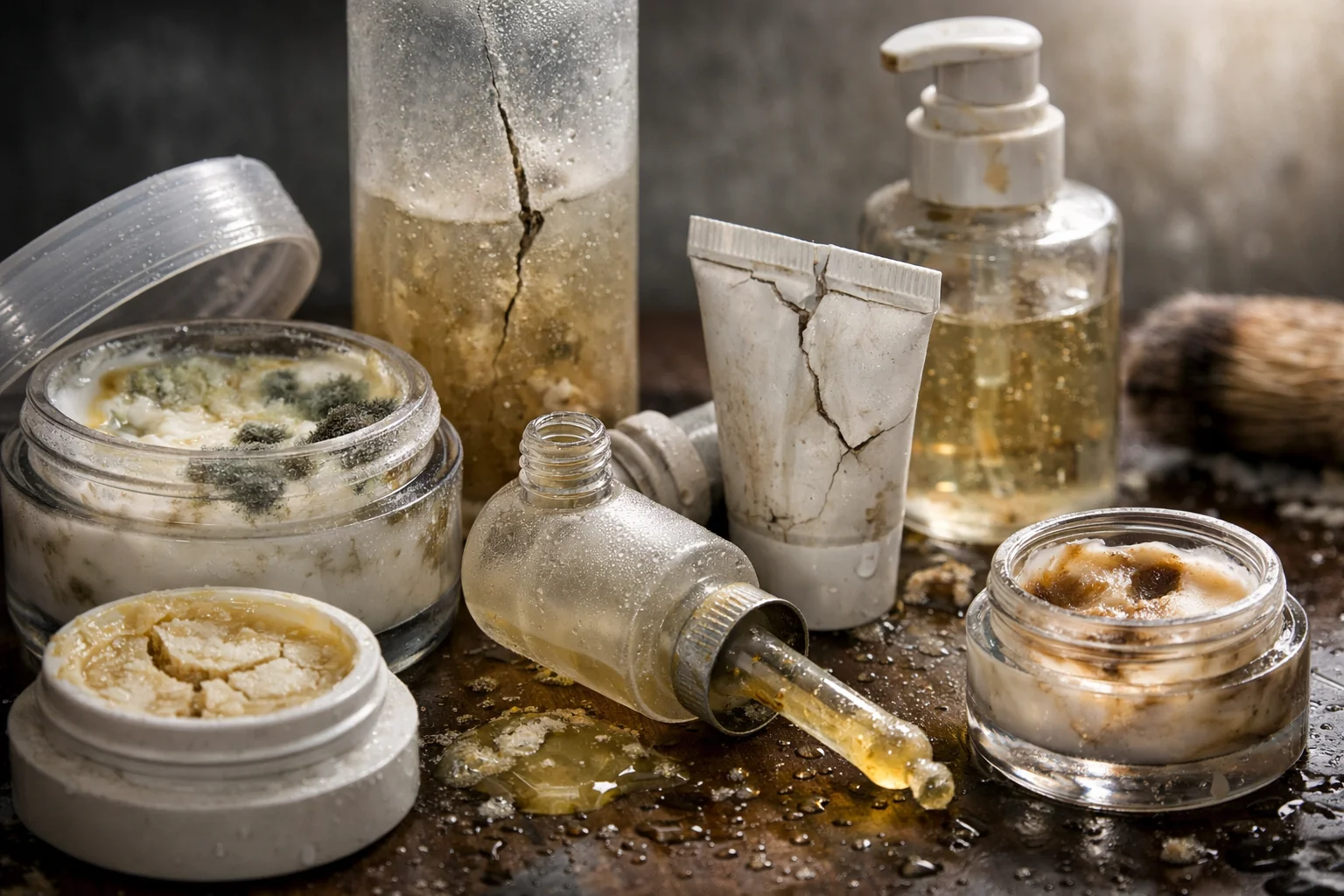
I've seen incredible formulas fail for one simple reason: the packaging wasn't right. It’s a costly mistake that many brands, big and small, make every single day. This isn't just about looks; it's about protecting your investment and your customer's trust. So, let's dive into why packaging is just as important as the magic inside the bottle.
Do Cosmetic Products Really Expire?
Your product sits on a shelf, looking perfect. But inside, a clock is ticking. You wonder if that "best by" date is just a suggestion, but ignoring it can be a disaster.
Yes, cosmetic products absolutely expire. Over time, active ingredients[^2] lose their power, preservatives break down allowing bacteria to grow, and the product's texture, color, and smell can change. Using an expired product can be ineffective at best and harmful at worst, causing irritation or infections.
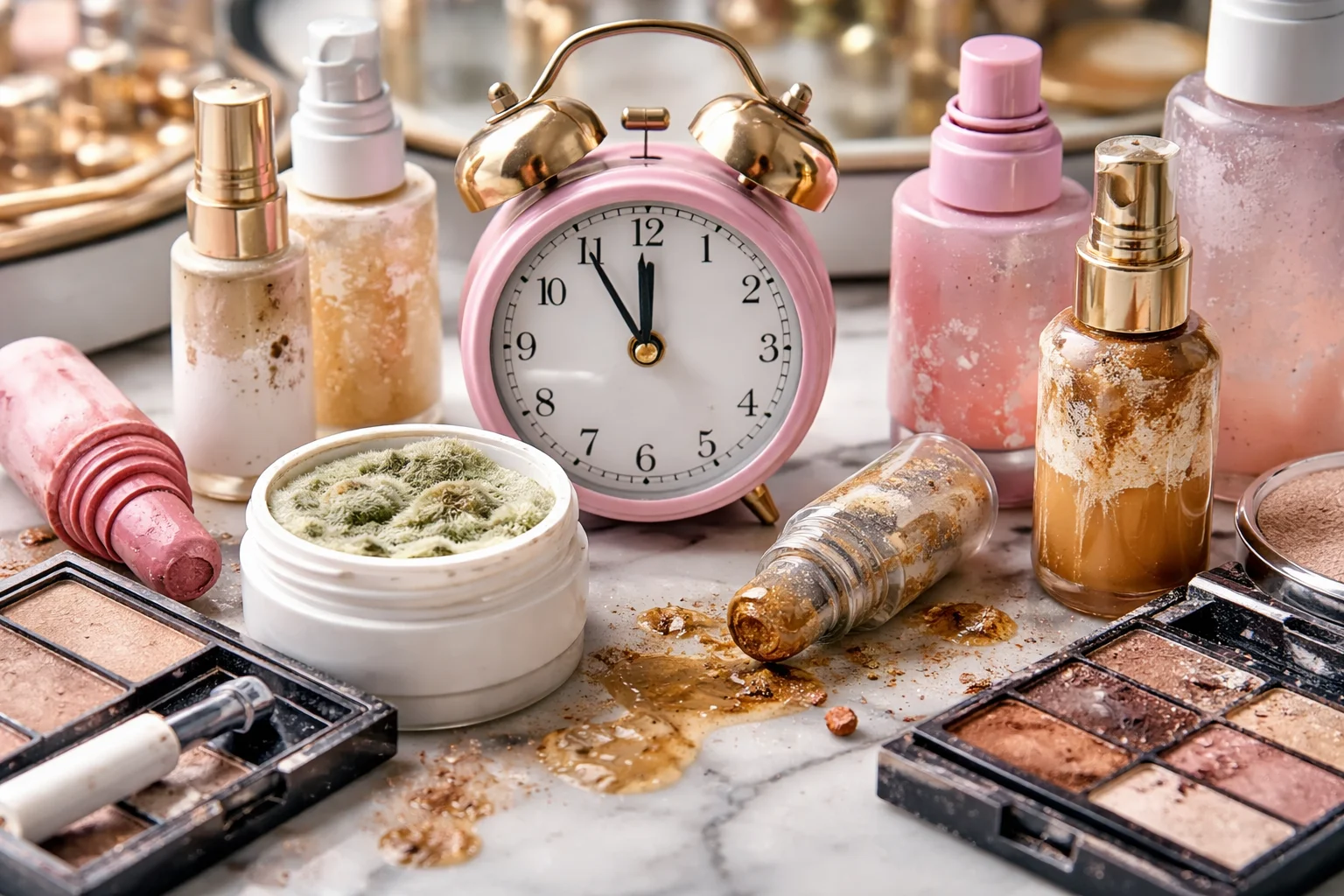
When we talk about expiry, we're talking about two key processes. First is the chemical breakdown[^4]. Think of a potent Vitamin C serum[^5]. Its star ingredient, ascorbic acid, is notoriously unstable. It breaks down when exposed to light and air. So, an expired serum doesn't just stop working; its chemical structure has changed. Second is microbial contamination[^6]. Once a product is opened, it's exposed to the world, and that includes bacteria and mold. Preservatives in the formula fight them off, but they don't last forever. When they weaken, your beautiful cream can become a petri dish. This is why a product's shelf life[^3] isn't a marketing gimmick; it's a critical safety measure for your customers. From my experience, brands that overlook this risk serious damage to their reputation.
What Determines a Cosmetic Product’s Shelf Life?
You have a new product idea. You know the ingredients you want, but how long will it last? Many factors are at play, and getting it wrong can be a costly mistake.
A product's shelf life[^3] is determined by two main things: its formula and its packaging. The formula includes the type of ingredients, the amount of water, and the preservative system[^7]. The packaging determines its exposure to external factors like air, light, and contaminants during use.
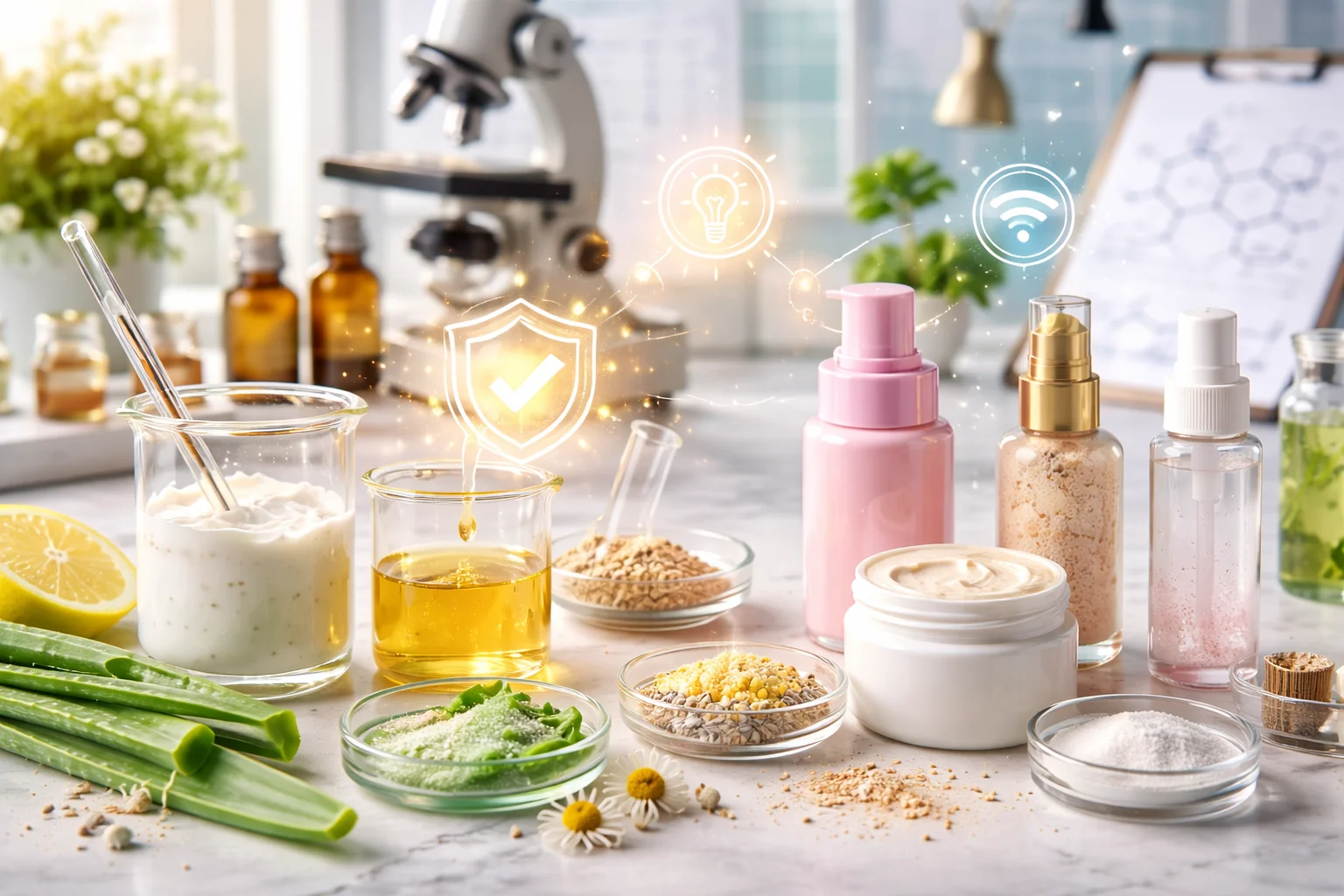
Let's break this down further. The formula itself is the starting point. Products with a lot of water are more prone to bacterial growth, so they need a robust preservative system[^7]. Oil-based products, like facial oils, are less likely to grow mold but can go rancid through oxidation[^8]. The type of active ingredients[^2] also matters immensely. Some, like retinol and vitamin C, are very fragile. On the other hand, you have external factors, which are almost entirely controlled by packaging and storage. I always tell my clients to think of it as a team effort. Your formula is the player, but the packaging is the uniform and gear that protects it on the field.
| Factor | Description | Impact on Shelf Life |
|---|---|---|
| Water Content | High-water formulas (creams, lotions) are breeding grounds for microbes. | High impact; requires strong preservatives. |
| Active Ingredients | Unstable ingredients (Vitamin C, Retinol) degrade with exposure. | High impact; requires protective packaging. |
| Preservatives | The type and concentration of preservatives prevent microbial growth. | High impact; a weak system leads to early spoilage. |
| Packaging | Controls exposure to air, light, and user contamination. | High impact; can make or break a good formula. |
How Packaging Directly Affects Expiry Dates?
You chose a beautiful clear jar for your new cream. It looks great on social media, but is it secretly ruining your product? You need to know how packaging choices[^9] impact your formula.
Packaging is the gatekeeper between your product and the world. It directly affects expiry by controlling exposure to light, which degrades ingredients, and air, which causes oxidation[^8]. It also limits contamination from fingers, which introduce bacteria every time the product is used. Poor packaging accelerates these processes.
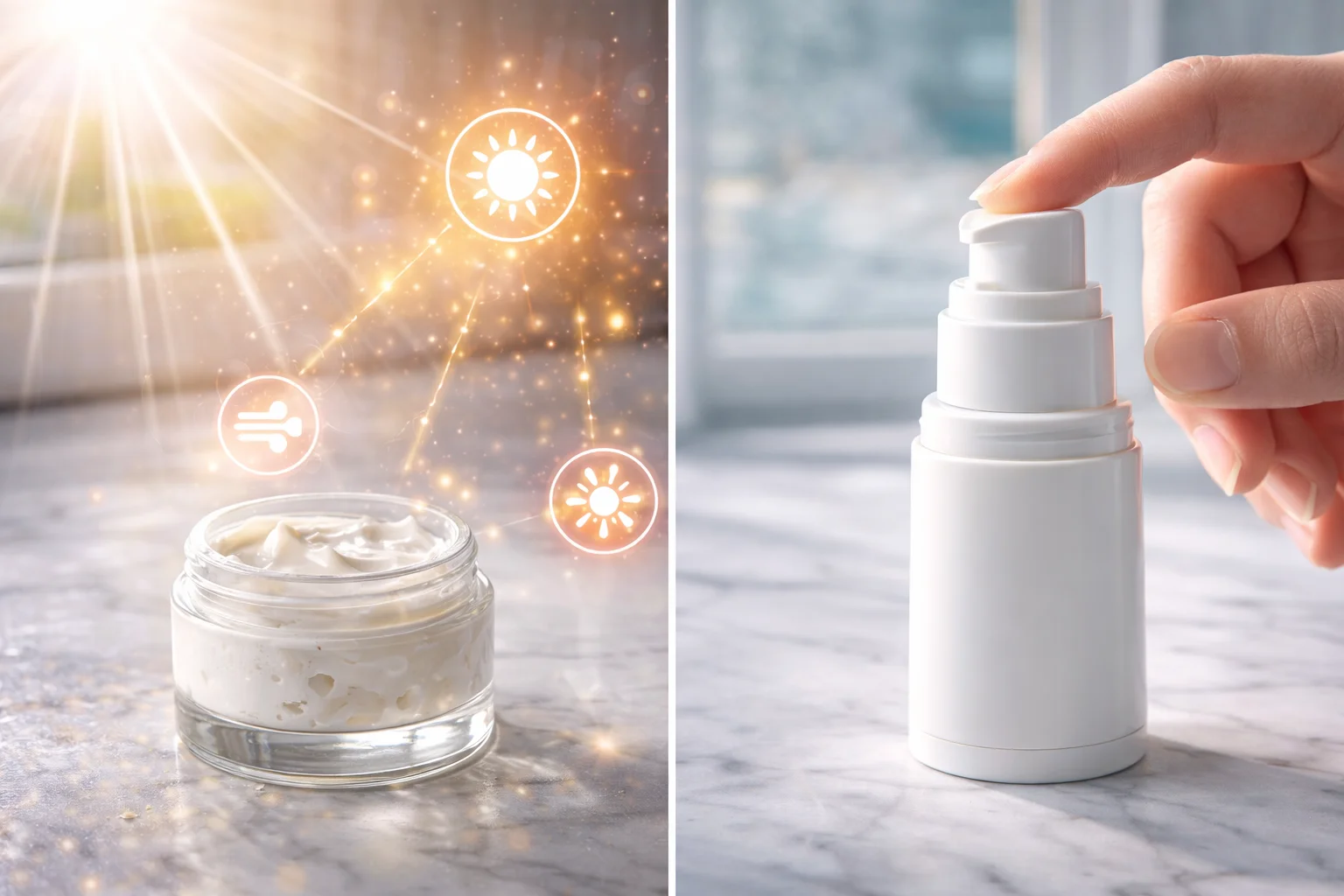
I’ve seen this happen firsthand. A brand spent a fortune on a high-end antioxidant cream. They put it in a wide-mouthed, clear glass jar because it looked luxurious. Within months, customers complained the cream was turning brown and smelling off. The formula wasn't the problem; the jar was. Every time a customer dipped their fingers in, they introduced bacteria. Every time they opened it, a rush of oxygen started to degrade those expensive antioxidants. The clear glass let in UV light, which further sped up the breakdown. The product was doomed before it even left the warehouse. This is why airless pumps[^10] and opaque tubes[^11] aren't just a trend; they are essential for protecting sensitive formulas and ensuring the product works as intended until the very last drop.
Why Do Some Skincare Products Expire Faster Than Expected?
You followed all the rules, but your product's shelf life[^3] is shorter than you planned. What went wrong? Certain types of products are just naturally more fragile and demand extra care.
Some products expire faster due to highly unstable active ingredients[^2] like Vitamin C, a lack of effective preservatives in "clean" formulas, or high water content[^12]. Packaging like open jars dramatically speeds up this process by constantly exposing the fragile formula to air, light, and bacteria.
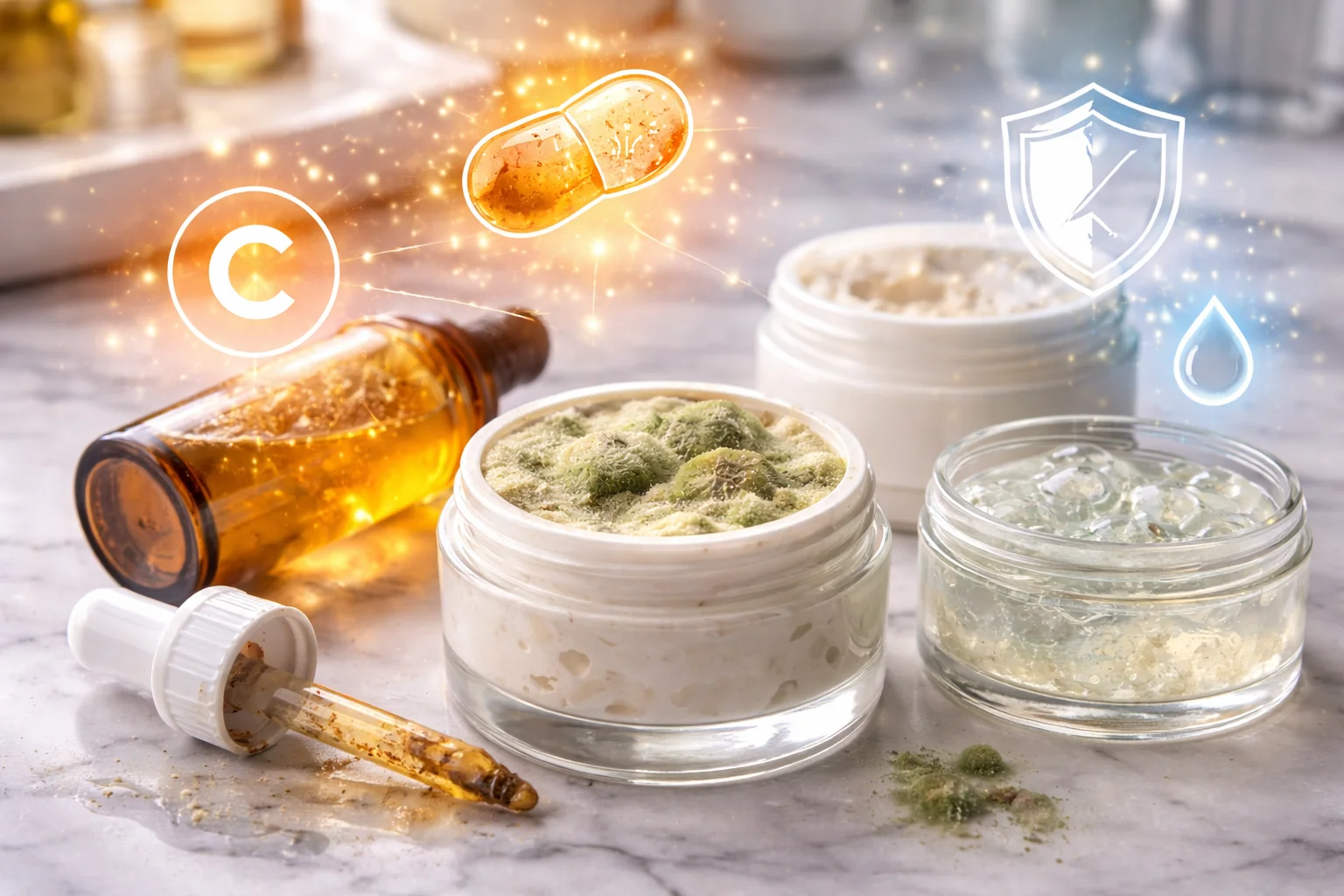
The biggest culprits are often the most popular products. Vitamin C serum[^5]s are a perfect example. Ascorbic acid is a powerhouse ingredient, but it oxidizes and loses its potency very quickly when exposed to air and light. If you put it in a clear bottle with a simple dropper, its shelf life[^3] plummets. Another category is "preservative-free" or "all-natural" products. While the marketing is appealing, these formulas lack the robust defense systems needed to fight off mold and bacteria, especially in water-based creams and lotions. I once worked with a brand that insisted on a preservative-free face mist. Despite passing initial tests, the product started growing mold in customers' homes within two months. The issue was a combination of a weak formula and packaging that wasn't sterile. It was a hard lesson for them: sometimes, the safest choice requires a well-tested, gentle preservative.
PAO Symbol vs Expiry Date: What Should Brands Know?
You see two dates on a product: one is an expiry date[^13], the other is a little symbol of an open jar. They seem similar, but they mean very different things for your brand and your customer.
The Expiry Date is the "best before" date for an unopened, sealed product stored correctly. The Period After Opening (PAO)[^14] symbol tells the customer how many months the product is safe to use after it has been opened. Brands must determine and display both correctly.
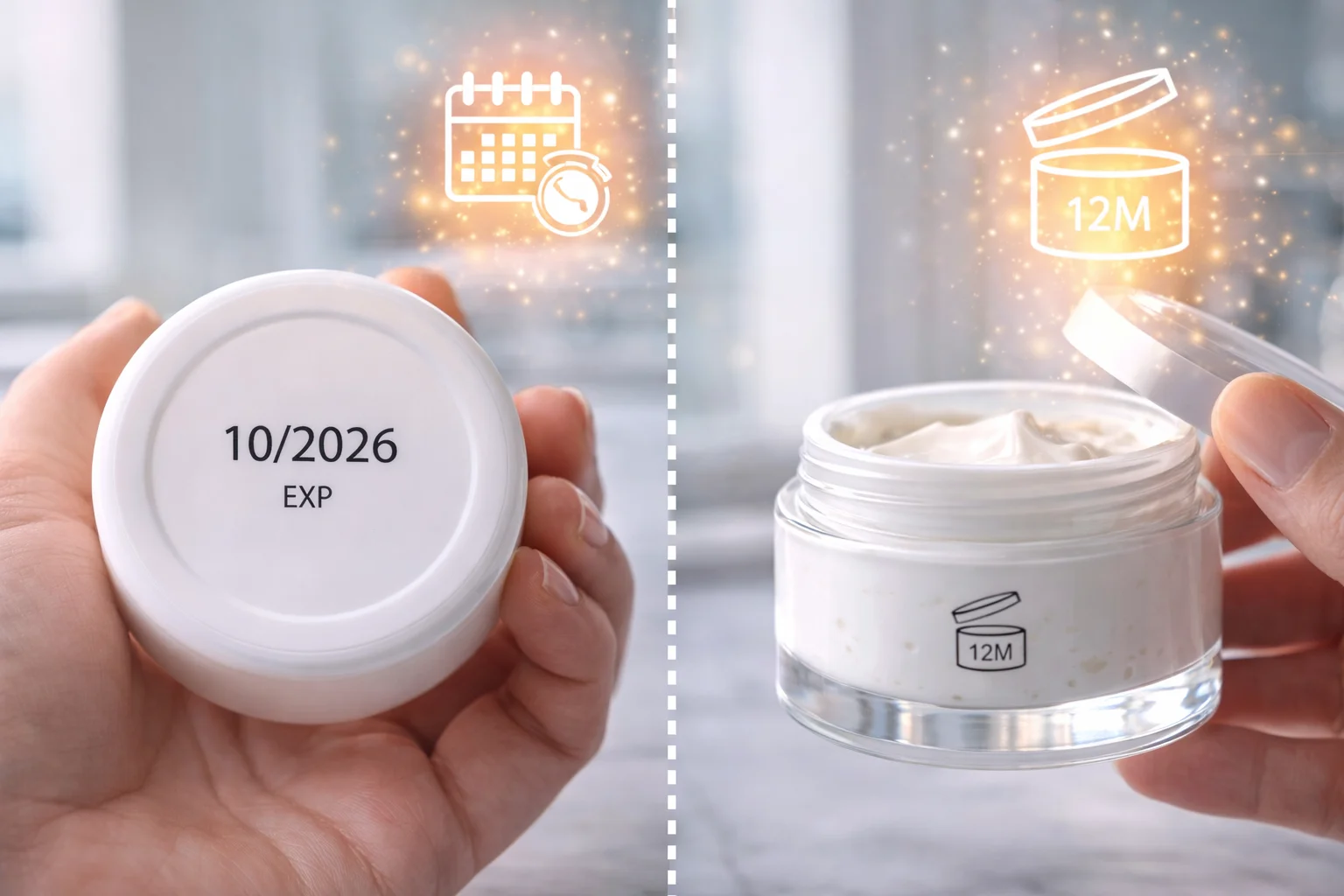
Understanding this difference is non-negotiable for any beauty brand. The expiry date[^13], or shelf life[^3], is determined through stability testing[^15]. We put the sealed product through cycles of heat, cold, and light to simulate years on a shelf in just a few months. This tells us how long the formula remains stable and safe before it's ever sold. The PAO, on the other hand, is about what happens in the real world. Once a customer opens that seal, the clock starts ticking. Air, bacteria from their hands, and bathroom humidity all come into play. A cream might have a 3-year shelf life[^3] when sealed, but only a 6-month PAO (indicated by "6M" in the jar symbol). Both are legal requirements in many regions, like the EU, and providing clear information builds trust with your customers.
| Information Type | What it Means | How it's Determined | For the Customer |
|---|---|---|---|
| Expiry Date | Shelf life of the unopened product. | Stability testing under controlled conditions. | "Do not buy or use after this date." |
| PAO Symbol | Safe usage period after opening. | In-use testing and microbial challenge tests. | "Use within this many months of opening." |
How Can Brands Extend Product Shelf Life?
You want your products to stay fresh and effective for as long as possible. The good news is you have a lot of control. It just requires planning from the very beginning of development.
Brands can extend shelf life[^3] by choosing protective packaging like airless pumps[^10], using opaque or UV-coated materials, and formulating with a stable preservative system[^7]. Most importantly, conducting thorough stability and packaging compatibility tests early in the process prevents costly mistakes and ensures product longevity.
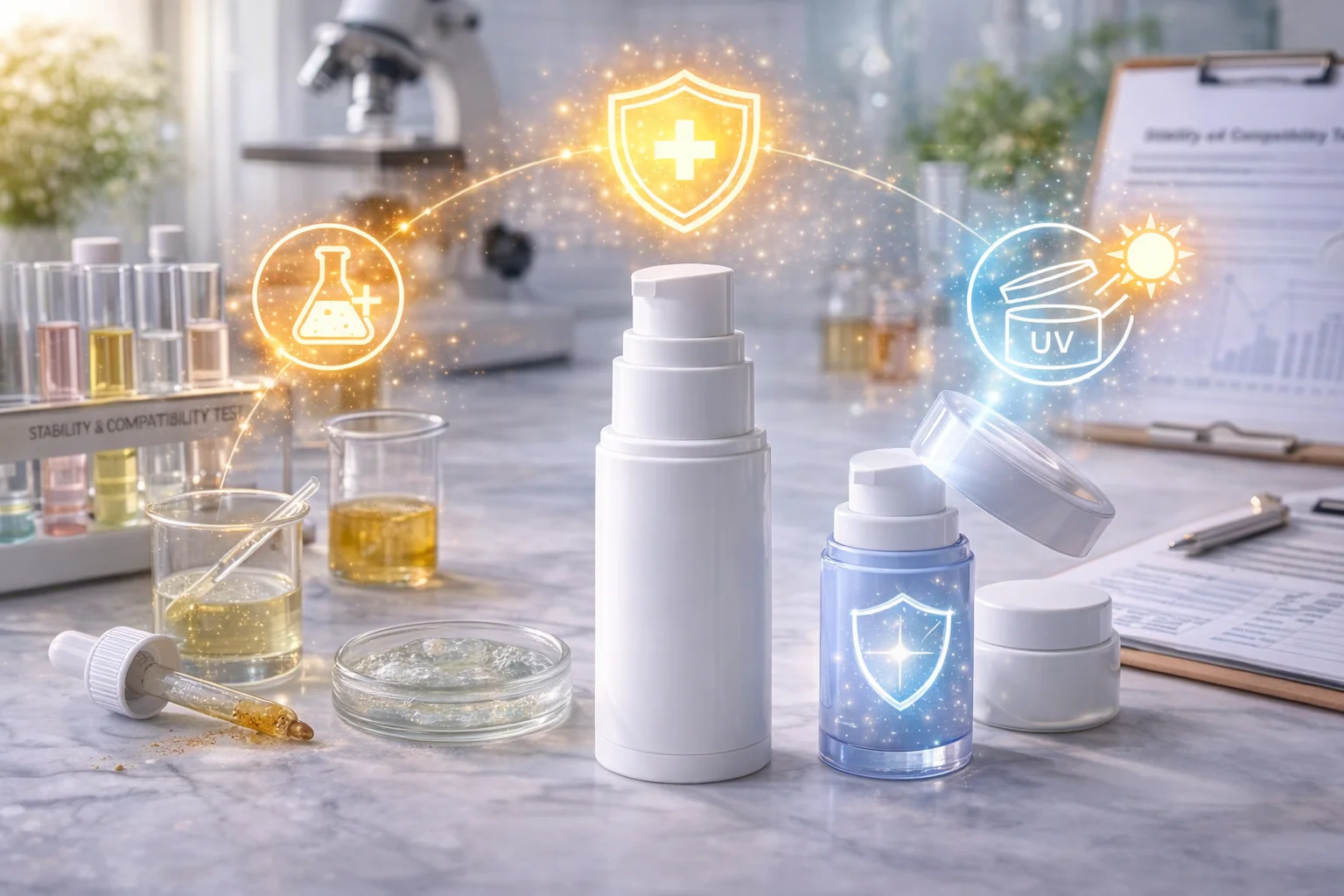
The single biggest piece of advice I can give is to test early and test together. Don't develop a formula in a lab beaker and then try to find a pretty bottle for it later. You must test the formula inside the final packaging you plan to use. This is called compatibility testing[^16]. We check if any ingredients in the formula react with the plastic or lining of the package. We also see how well the packaging protects the formula from air and light. Investing in better packaging, like an airless pump, can cost more upfront. But it can allow you to use fewer or gentler preservatives, which can be a great marketing story. It also reduces customer complaints[^17] and returns, saving you money in the long run. It's a strategic decision, not just an aesthetic one.
Which Packaging Types Protect Products Best?
You're faced with a catalog of packaging options: jars, tubes, pumps, droppers. The choice you make will directly impact your product’s safety and effectiveness. So which one is the right choice?
Airless pump dispensers offer the best protection. They prevent air from entering and minimize contamination. Opaque tubes are also excellent. Glass with droppers can be good for oils but introduces air. Wide-mouthed jars offer the least protection and are best avoided for sensitive formulas.
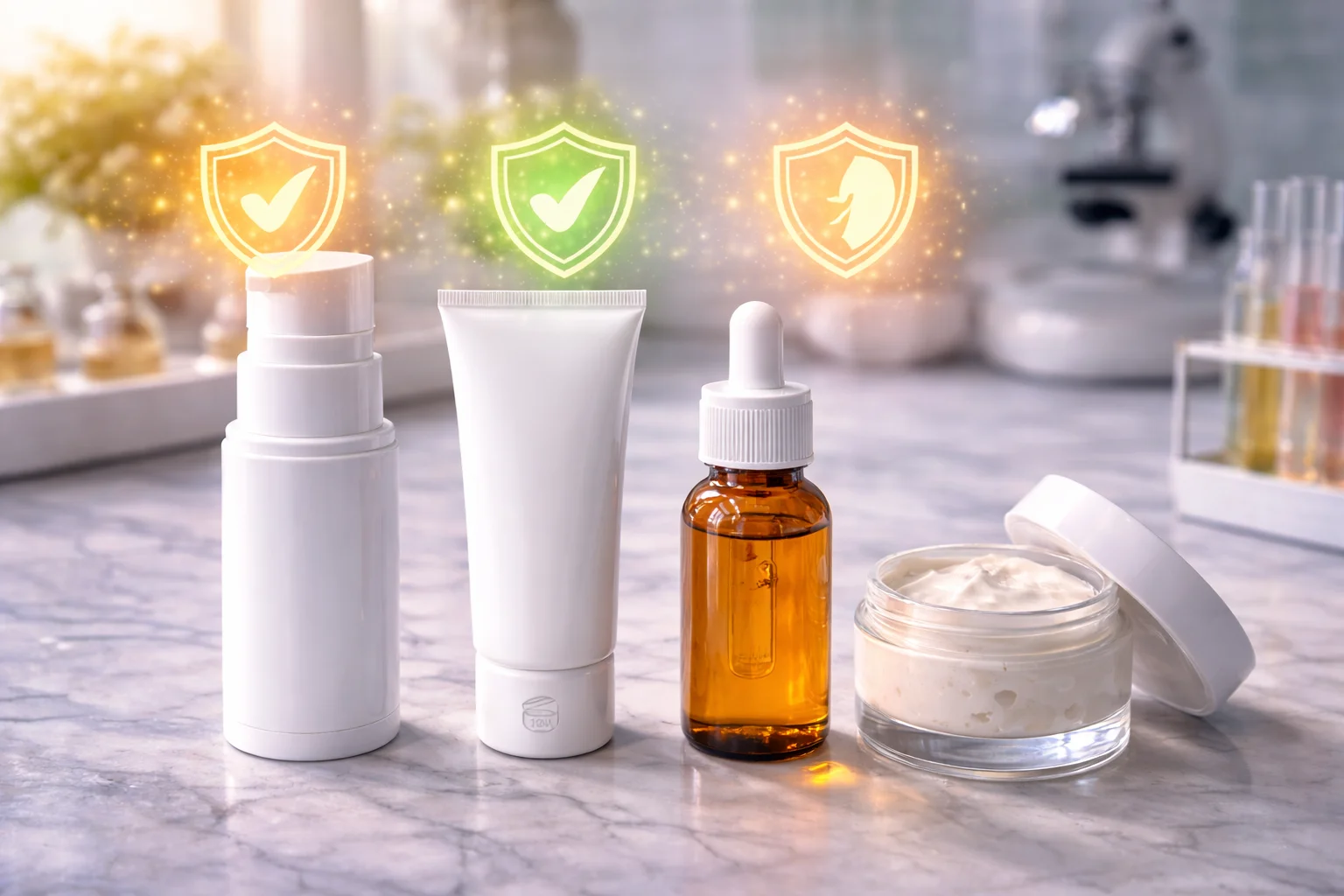
Let's rank the common options based on the level of protection they provide. This is a framework I use with all my clients to help them make the right decision for their specific formula.
- Airless Pumps: These are the gold standard. A piston mechanism pushes the product up, so no air gets back into the container. This is ideal for sensitive antioxidant serums, retinols, and preservative-free formulas. They protect from both oxidation[^8] and contamination.
- Squeezable Tubes: Tubes are a great, cost-effective option. They expose only a small amount of product at the opening and prevent fingers from touching the bulk of the formula. Opaque plastic tubes also block light.
- Glass Bottles with Pumps/Droppers: These are a step down. While a pump is better than a dropper, both allow some air exchange. Droppers are especially risky as they are taken out, exposed to the air and skin, and then put back in the bottle. They are best for stable, oil-based formulas.
- Wide-Mouthed Jars: These are the worst choice for protection. They offer maximum exposure to air, light, and bacteria from fingers with every single use. I only recommend jars for very stable, simple formulas like thick balms or body butters.
What Are Common Expiry-Date Mistakes Beauty Brands Make?
You've launched your product, but something is wrong. The shelf life[^3] isn't what you expected. Often, this comes down to a few common, avoidable mistakes made during development.
The biggest mistake is choosing packaging for its looks over its function. Other common errors include not performing compatibility testing[^16] between the formula and the package, relying on a supplier's stability data without doing your own, and underestimating how customers will actually use and store the product.
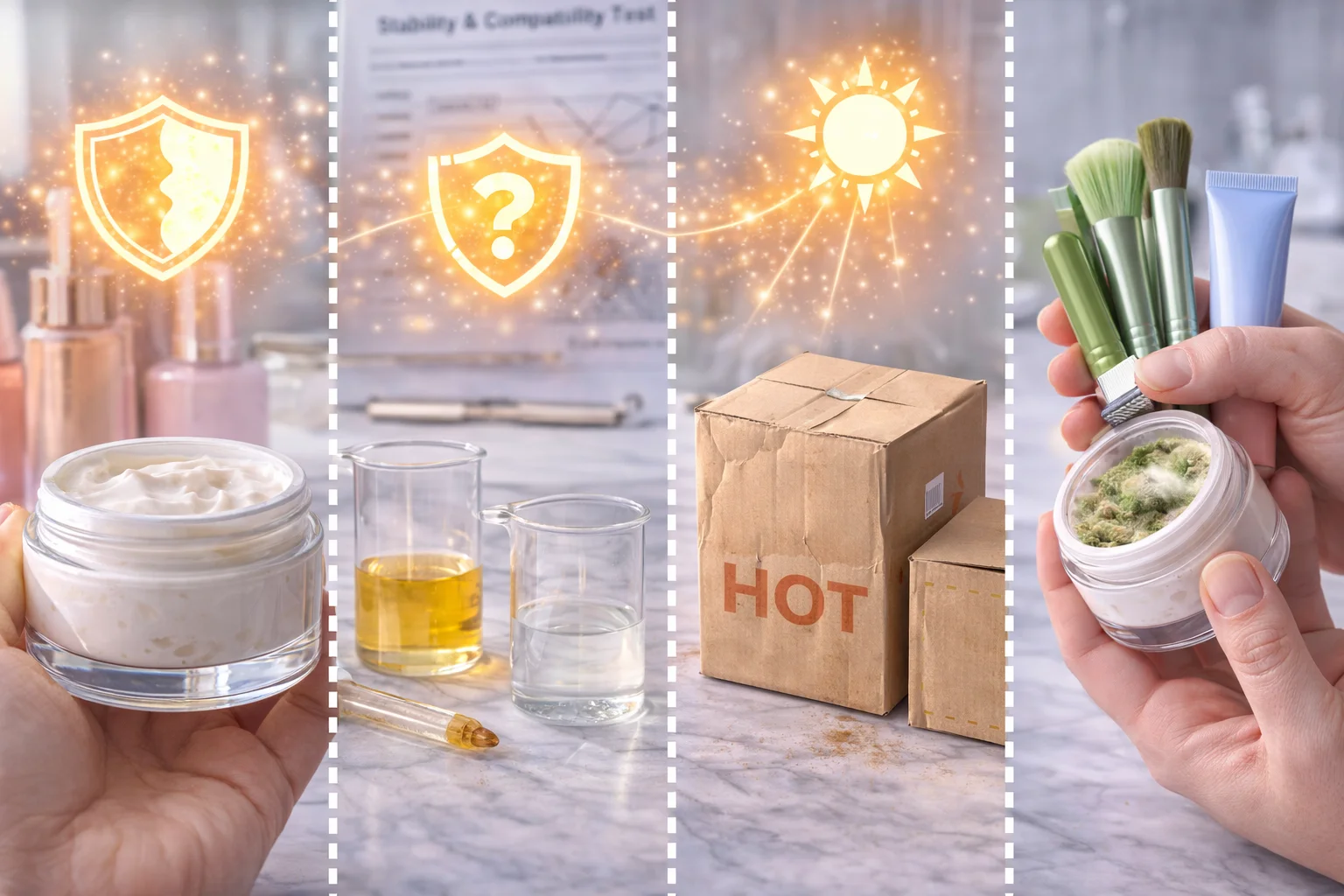
I'll never forget a client who fell in love with a frosted glass jar with a real wood cap. It fit their "natural" brand aesthetic perfectly. The problem was their product was a water-based lotion with delicate botanical extracts. They skipped compatibility testing[^16] to rush to market. After launch, they discovered two things. First, the wood cap wasn't properly sealed and would absorb moisture, leading to mold growth right on the packaging. Second, ingredients in the formula were reacting with the inner lining of the cap, causing the product to discolor. They had to do a massive and very expensive recall. This highlights the most critical point: your formula and your packaging are not separate things. They are a single system. You must test them as a system, under real-world conditions, to be sure your product is safe, stable, and effective for your customer.
Conclusion
Your product's success depends on it arriving safely in your customer's hands. Packaging isn't just a container; it is the first line of defense for your formula, a decision as critical as any ingredient.
[^1]: Understanding the expiration of cosmetic products is crucial for safety and effectiveness.
[^2]: Learn about the role of active ingredients and their stability in cosmetic formulations.
[^3]: Discover the key factors that influence the shelf life of your favorite cosmetic products.
[^4]: Understanding chemical breakdown helps in choosing the right products for your skin.
[^5]: Understand the unique challenges of formulating with Vitamin C for effective skincare.
[^6]: Learn about the risks of microbial contamination and how to prevent it in cosmetics.
[^7]: Explore the importance of preservatives in maintaining product safety and effectiveness.
[^8]: Understanding oxidation helps in selecting products that maintain their effectiveness.
[^9]: Explore how the right packaging can enhance product longevity and customer satisfaction.
[^10]: Find out why airless pumps are considered the best packaging for sensitive formulas.
[^11]: Discover how opaque tubes protect products from light and extend shelf life.
[^12]: Discover how water content influences the stability and shelf life of cosmetics.
[^13]: Learn why the expiry date is crucial for product safety and consumer trust.
[^14]: Understanding PAO helps consumers know how long to safely use products after opening.
[^15]: Learn about stability testing and its role in ensuring product safety and longevity.
[^16]: Explore the importance of compatibility testing for ensuring product safety and effectiveness.
[^17]: Learn how proper packaging can enhance customer satisfaction and reduce returns.