Struggling with packaging decisions for your skincare line? You see squeeze tubes[^1] everywhere but worry they might not be the right fit. This uncertainty can easily stall your launch.
Yes, squeeze tubes[^1] are often the right choice. They are cost-effective[^2], hygienic[^3], and highly customizable. From a supply chain view, they are one of the most efficient and scalable packaging formats[^4] available when the material and structure are chosen correctly for the product formula.
I've seen countless brands navigate this choice from my position in the supply chain. The key is understanding the details. Let's break down what makes tubes work, and more importantly, where things can go wrong. This will help you make the best decision for your product line.
Why do skincare brands choose squeeze tubes[^1]?
You need packaging that protects your product and appeals to customers. But high costs and complex options are overwhelming. You feel stuck choosing between what works and what you can afford.
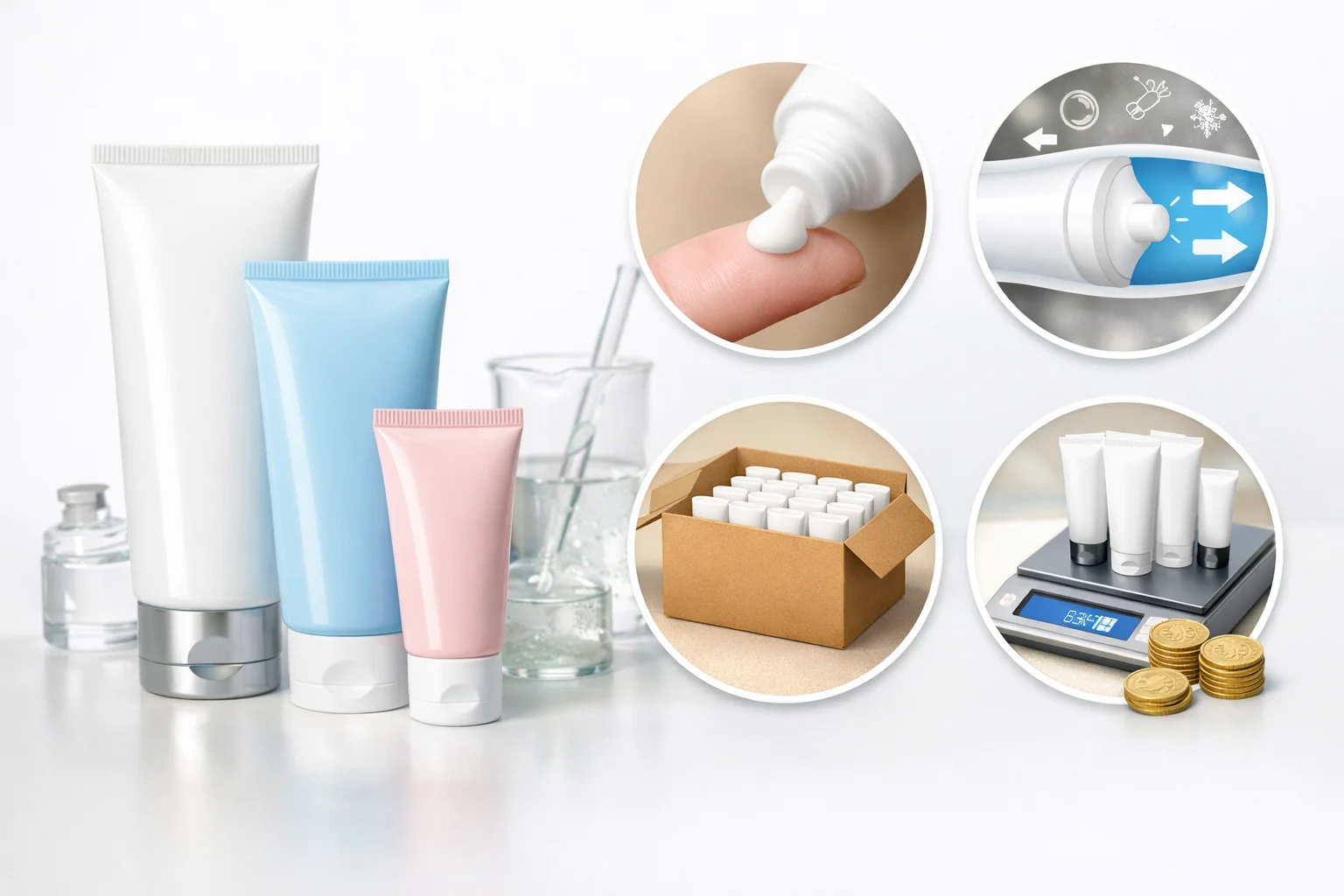
Brands choose squeeze tubes[^1] for their excellent balance of cost, hygiene, and user convenience[^5]. They offer a controlled dose[^6], protect the formula from air and contaminants, and are lightweight for shipping. This combination makes them a practical and scalable choice for many skincare lines.
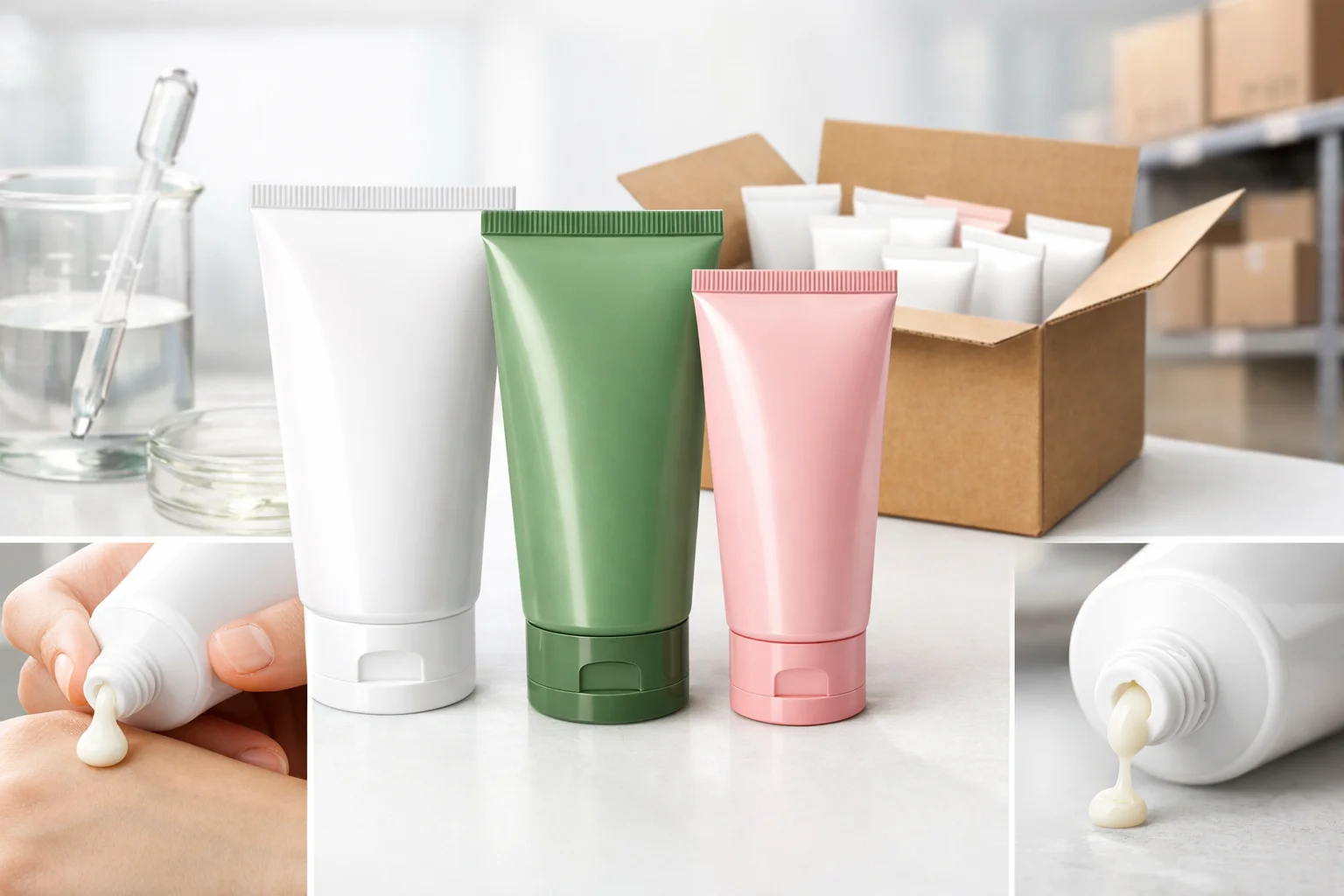
Let's dive deeper into the specific reasons I see brands choose tubes time and time again. It usually comes down to a few key business drivers that are hard to ignore, especially for a new or growing brand.
The Main Drivers for Choosing Tubes
The decision is rarely about just one thing. It's about how several factors come together to create a smart business choice.
- Cost-Effectiveness: When you're launching a product, every penny counts. Squeeze tubes generally have lower tooling costs compared to custom-molded jars or complex airless pumps. The production process is highly efficient, especially at scale. This means the per-unit cost is often much more manageable. This allows brands to invest more money into their formula or marketing budget instead of tying it all up in expensive packaging.
- Product Protection and Hygiene: Think about an open-mouthed jar. Every time a customer dips their fingers in, they introduce bacteria and expose the formula to air. A squeeze tube solves this. The small orifice minimizes air exposure, which helps preserve sensitive active ingredients like Vitamin C. It is a sealed system that keeps the product inside pure from the first use to the last.
- Manufacturability and Scalability: From my factory perspective, this is a huge one. The process for manufacturing, printing, and filling tubes is incredibly streamlined. This efficiency keeps production costs down and lead times reasonable. More importantly, it's a scalable solution. A brand can start with a 10,000-unit order and easily scale up to millions without needing to completely re-engineer their packaging or filling process.
Which skincare products work best in squeeze tubes[^1]?
Your amazing new cream is ready, but the wrong packaging could ruin it. You fear the formula will separate or degrade in the container. This could lead to bad reviews.
Squeeze tubes are ideal for creams, lotions, gels, cleansers, and masks. They work best for products with a viscosity[^7] that allows easy dispensing without being too runny. Formulations sensitive to air, like those with Vitamin C or retinol, also benefit greatly from a tube's protection.
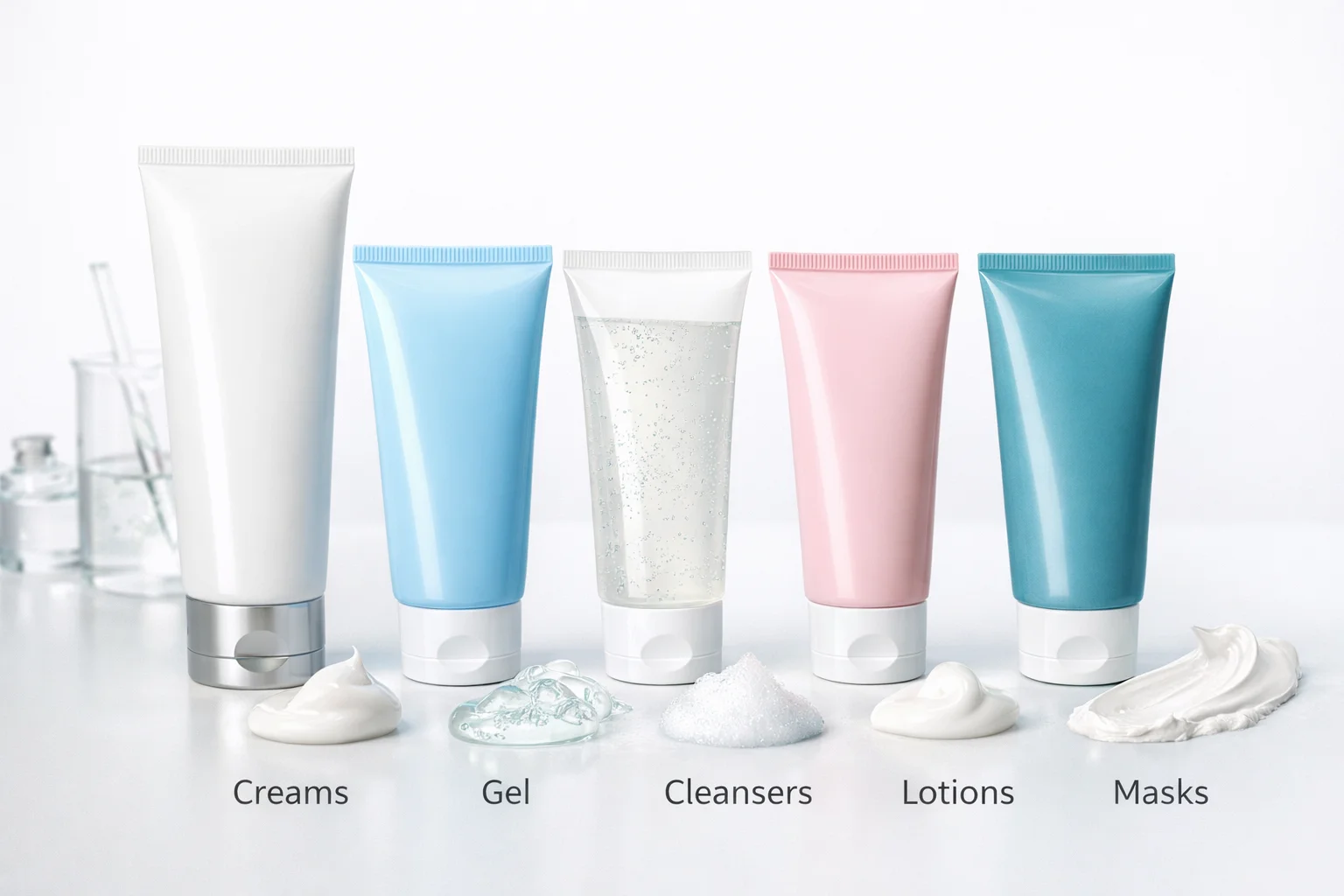
The match between the formula and the package is everything. A great product in the wrong package is a failed product. I've seen this happen. The most common issue is a mismatch in viscosity[^7].
Matching Formula to Function
You have to think about how the customer will get the product out of the tube. This seems simple, but it's a critical detail.
- Viscosity is King: The thickness of your product is the first thing to consider. A thick, heavy clay mask needs a tube with a wider body and a larger orifice to be dispensed easily. If you put it in a small, narrow tube, the customer will struggle to get it out. On the other hand, a very thin, watery serum might leak from a standard tube cap. For those formulas, a pump or dropper might be a better fit.
- Product Category Examples: Some products are just a natural fit for tubes.
| Product Type | Why it Works in a Tube | Key Consideration |
|---|---|---|
| Face Cleansers | Easy to dispense in the shower, often with one hand. | Ensure the printing or label can withstand water. |
| Moisturizers | Hygienic dispensing protects the formula from contamination. | Always run a compatibility test between the formula and tube material. |
| Sunscreens | Very portable for reapplication, allows for controlled dosing. | Consider if the tube material needs added UV protection. |
| Eye Creams | A tube with a long, thin nozzle allows for precise application. | The cap and nozzle combination must be tested for leakage. |
I once saw a brand try to launch a gritty exfoliating scrub in a tube with a very small nozzle. During production, the filling machines kept clogging. The few units that made it to market got complaints because customers couldn't get the product out. A simple test would have prevented this entire disaster.
How do material choices impact product performance?
You picked a tube that looks great, but now your product is failing. The formula is separating or losing potency on the shelf. Your brand's reputation is on the line.
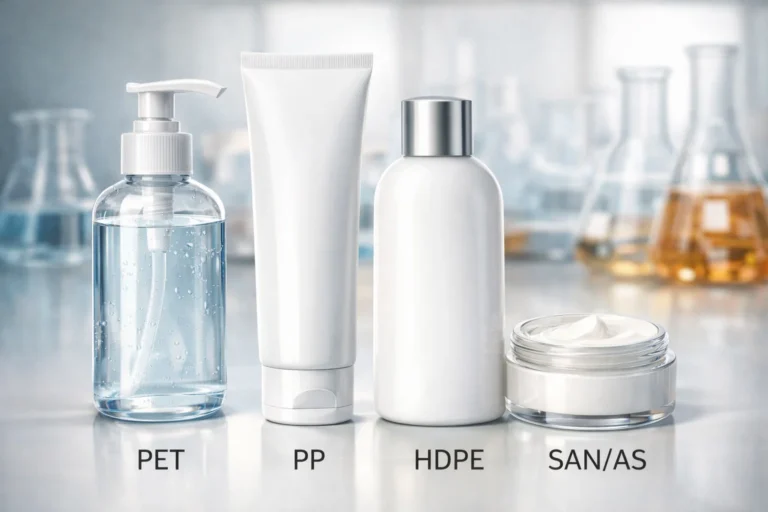
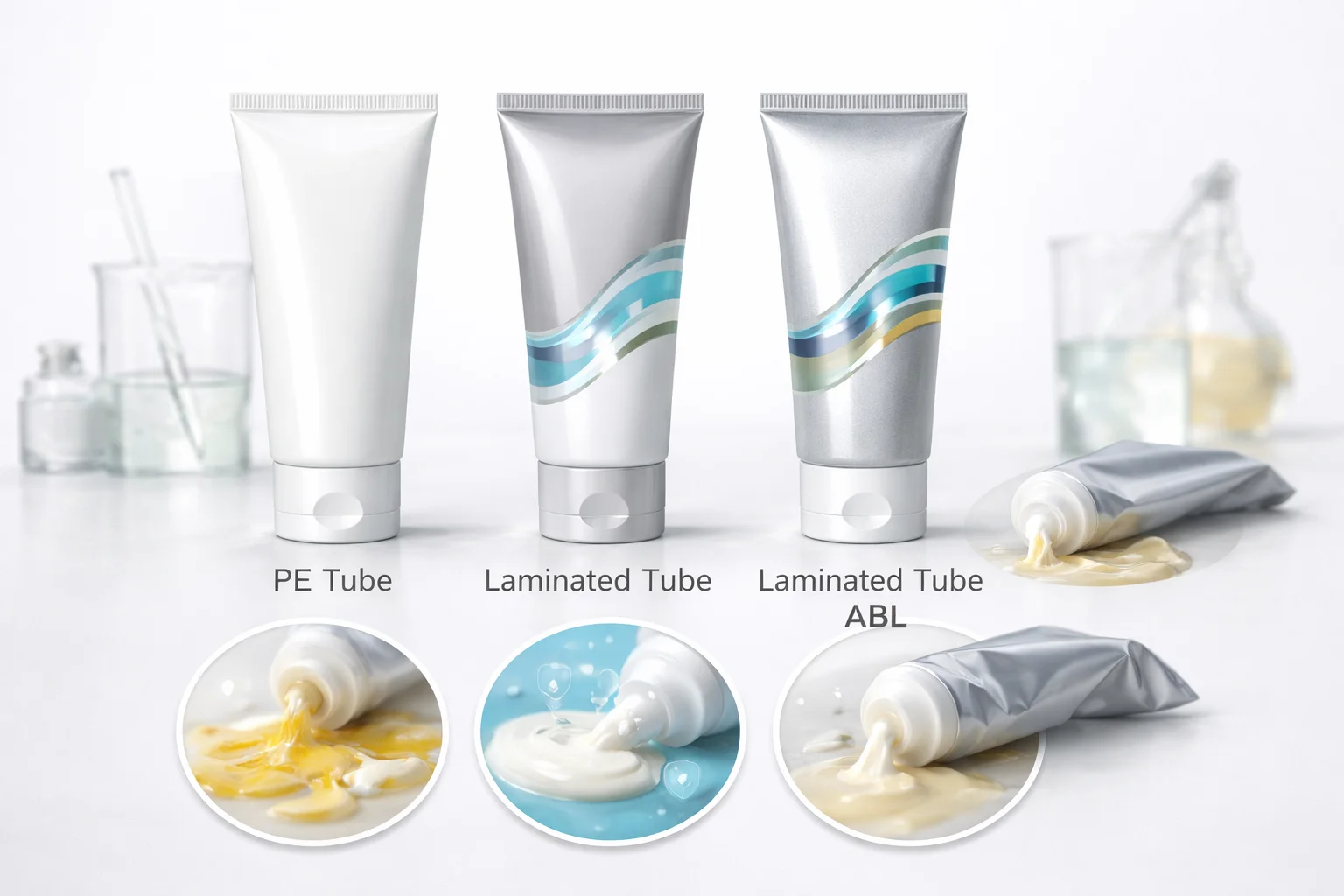
Material choice is critical. Polyethylene (PE) is flexible and affordable for basic formulas. Laminated tubes like PBL and ABL offer superior barrier protection[^8] for sensitive ingredients. The wrong material can lead to product degradation, leakage, or packaging deformation over time.
This is probably the most technical part of choosing a tube, and it's where I see the most costly mistakes. The material isn't just a container; it's an active part of your product's stability and shelf life[^9]. Thinking about the material as just a cost item is a huge risk.
Understanding Your Barrier Options
The "barrier" is a layer in the tube's wall that protects the formula from outside elements, especially oxygen.
- PE (Polyethylene): This is the most common and basic tube material. It's a single layer of plastic. It's affordable, flexible, and feels good in the hand. It works perfectly for simple products like basic cleansers or lotions that don't have sensitive ingredients. However, it offers a very low barrier to oxygen, so it's not suitable for formulas with actives that degrade easily.
- PBL (Plastic Barrier Laminate): This is a step up. It's a multi-layer plastic tube that includes a special barrier layer, usually EVOH (Ethylene Vinyl Alcohol). This EVOH layer is excellent at blocking oxygen. This makes PBL tubes great for products with antioxidants, natural extracts, or other ingredients that need protection to remain effective. They still look and feel like a high-quality plastic tube.
- ABL (Aluminum Barrier Laminate): This is the highest level of protection. This tube has a thin layer of aluminum inside its wall. Aluminum is a near-perfect barrier. It blocks almost all light, oxygen, and moisture from getting in or out. I always recommend ABL for the most sensitive formulas, like products with high concentrations of retinol, certain pharmaceuticals, or any formula that is extremely unstable. It's the best way to guarantee your product's potency.
What customization[^10] actually adds brand value?
You want your packaging to stand out on the shelf. But endless customization[^10] options are expensive and confusing. You're not sure which choices will actually attract customers and justify the cost.
Customization that adds value focuses on user experience and brand identity. This includes choosing the right cap, orifice size for perfect dispensing, and high-quality printing. These elements directly impact how customers perceive and interact with your product, turning packaging into a silent salesperson.
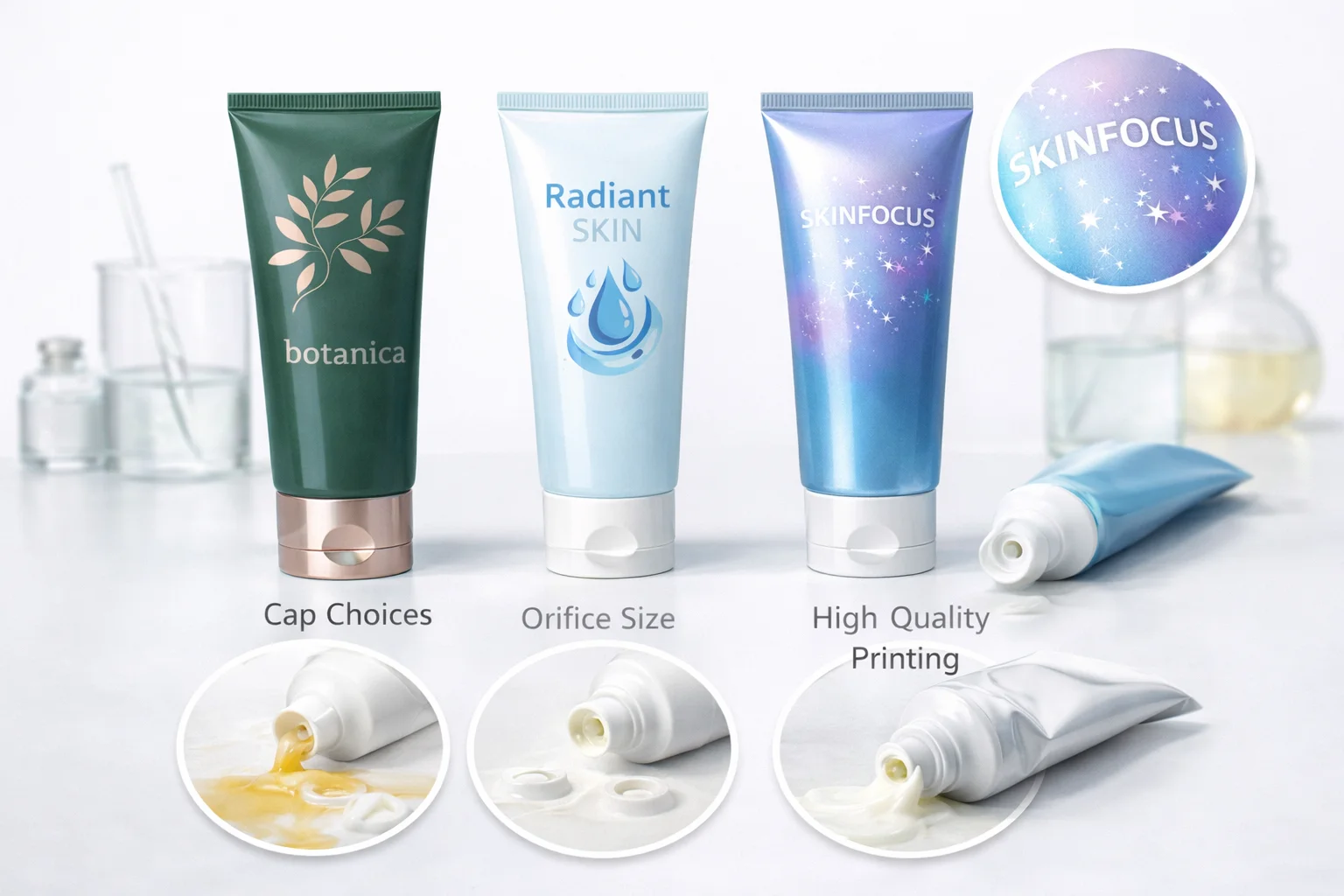
It's easy to get carried away with customization[^10]. A hot-stamped, metallic, custom-colored cap looks amazing, but it can also double your packaging cost. I always advise brands to focus on customization[^10]s that improve how the customer uses the product or that strongly reinforce the brand's image.
Smart Customization Choices
Let's separate the flashy options from the functional ones that deliver real value.
- Functional First: How the customer interacts with the package is paramount.
- Caps and Applicators: This choice should be deliberate. A flip-top cap is great for a face wash used in the shower because it can be opened with one hand. A simple screw-on cap is fine for a moisturizer used at a vanity. For an eye cream or spot treatment, a tube with a long, thin nozzle applicator allows for precise, hygienic[^3] application directly to the skin. This shows the customer you've thought about how they will use the product.
- Orifice Size: This detail is so important but often overlooked. The size of the opening must be matched to the product's viscosity[^7]. If it's too small, the customer gets frustrated. If it's too large, they dispense too much product, which is wasteful and messy. We always test this with the brand's final formula to get it just right.
- Aesthetics that Align: Your tube's look should match your brand's price point and personality.
- Printing and Finishes: You have many options here. Standard offset printing is cost-effective[^2] for complex, multi-color designs. Silk screen printing lays down a thicker layer of ink, which gives a slightly raised, premium texture. For finishes, a glossy tube can look clean and vibrant, while a soft-touch matte finish can feel more luxurious and modern. The key is consistency with your brand's overall identity.
What are the real cost factors brands often miss?
You got a cheap quote for your squeeze tubes[^1]. But now you're hit with unexpected fees, rework charges, and long delays. Your budget is blown and your entire launch is at risk.
Brands often miss costs related to minimum order quantities[^11] (MOQs), compatibility testing[^12], artwork setup fees, and international shipping. A low per-unit price can be very misleading if the MOQ is too high for your sales forecast or if you have to pay for expensive rework later.
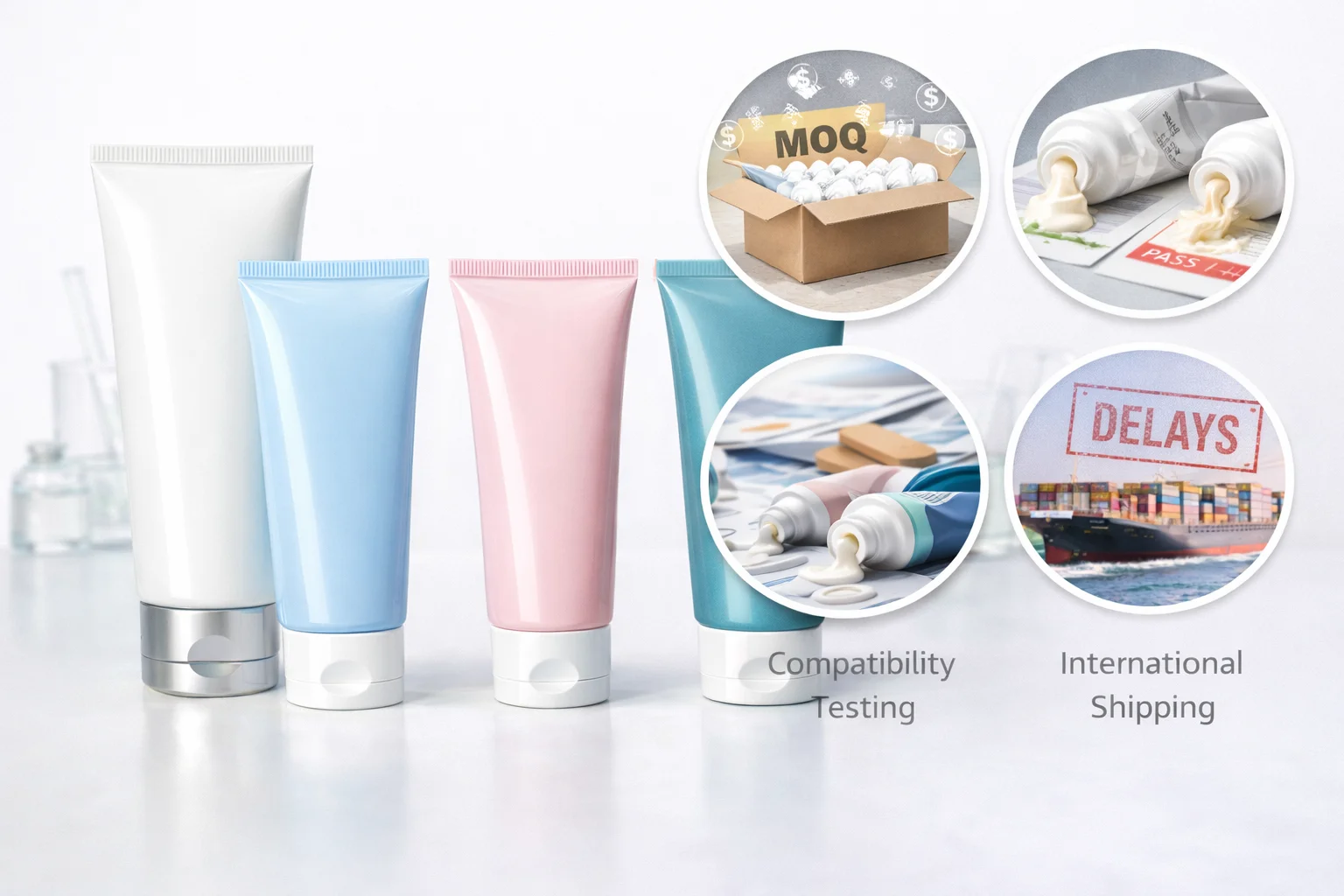
The price on the initial quote is almost never the final price. I've seen so many brands get a "great deal" only to find out about all the hidden costs[^13] later in the process. A good supplier will be transparent about these things from the beginning.
Looking Beyond the Unit Price
You need to calculate the total cost of ownership, not just the cost of one tube.
- MOQs (Minimum Order Quantities): This is the number one hidden "cost." A factory might offer a fantastic price of $0.15 per tube, but only if you order 50,000 units. If your brand is new and you only expect to sell 5,000 units in the first six months, you'll have years of inventory sitting in a warehouse. It's often smarter to pay a higher per-unit price for a lower MOQ that matches your sales reality.
- The Price of Skipping Tests: Compatibility testing is not free. It takes time and resources. But skipping it is the biggest financial gamble you can make. I worked with a brand that skipped testing to save a few thousand dollars. Their formula reacted with the tube's inner lining, causing the product to separate. They had to recall and destroy 20,000 units, a loss of well over $100,000. Testing would have caught this.
- Logistics and Hidden Fees: Where is your supplier? If they are overseas, you have to account for shipping, freight, customs, and duties. These costs can add 20-30% to your total bill. Also, ask about fees for artwork setup, printing plates, or color matching. These are standard in the industry, but they should be clearly listed on your quote.
How do squeeze tubes[^1] compare to other packaging formats[^4]?
You're debating between tubes, jars, and airless pumps. Each one has pros and cons, leaving you feeling unsure. Making the wrong choice could hurt your product's performance and customer perception.
Squeeze tubes offer a fantastic middle ground. They are significantly more hygienic[^3] and protective than open-mouthed jars. They are also more cost-effective[^2] and have a lower carbon footprint than most complex airless pumps. The final choice depends on your formula, brand positioning, and budget.
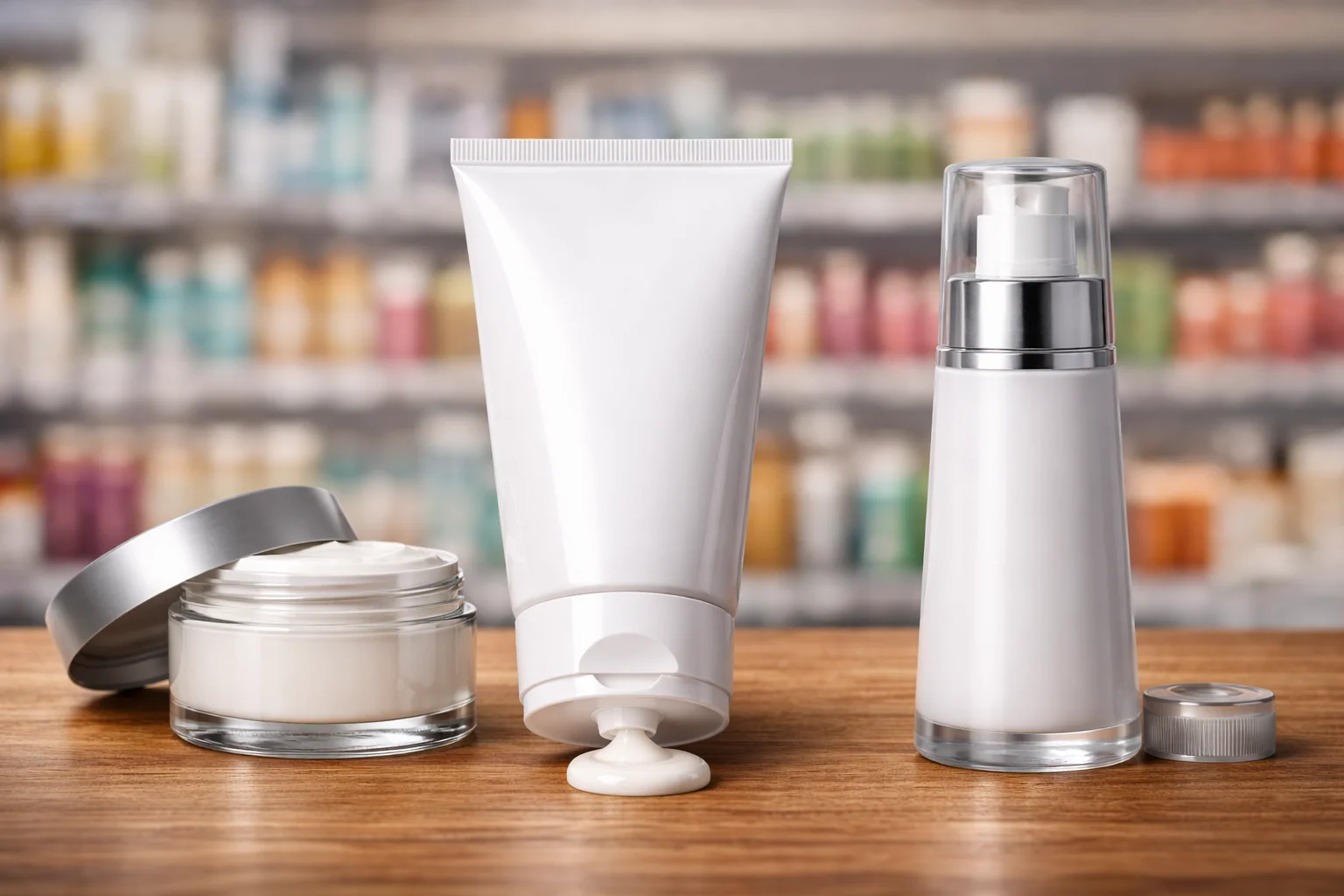
There is no single "best" packaging. The right choice is the one that best serves your product, your customer, and your business. Let's compare the most common options directly.
A Head-to-Head Comparison
Breaking it down by key features makes the decision clearer.
| Feature | Squeeze Tubes | Jars | Airless Pumps |
|---|---|---|---|
| Hygiene | High | Low | Very High |
| Product Protection | Good to Excellent | Poor | Excellent |
| Cost Per Unit | Low to Medium | Low | High |
| Dosing Control | Good | Poor | Precise |
| Premium Feel | Varies | Can be high | High |
| Portability | Excellent | Fair | Good |
From my perspective in manufacturing, here's the takeaway. Jars are cheap and can feel luxurious with heavy glass, but they are a hygiene nightmare for most water-based creams. Airless pumps offer the absolute best protection and a precise dose every time, but they are the most expensive option by far and can be difficult to recycle. Squeeze tubes truly hit the sweet spot. They provide great protection and hygiene for a wide range of products at a very reasonable cost. They are the versatile workhorse of the skincare industry for a reason.
How do you decide if squeeze tubes[^1] are right for your brand?
You have all this information, but you're still not 100% sure. The final decision feels huge and permanent. You're afraid of making a costly mistake that will set your brand back.
Decide by methodically evaluating three key areas: your formula, your customer, and your business plan. Does your product's viscosity[^7] and sensitivity suit a tube? Will your customer appreciate the convenience? Does the cost and scalability of tubes align with your financial goals?
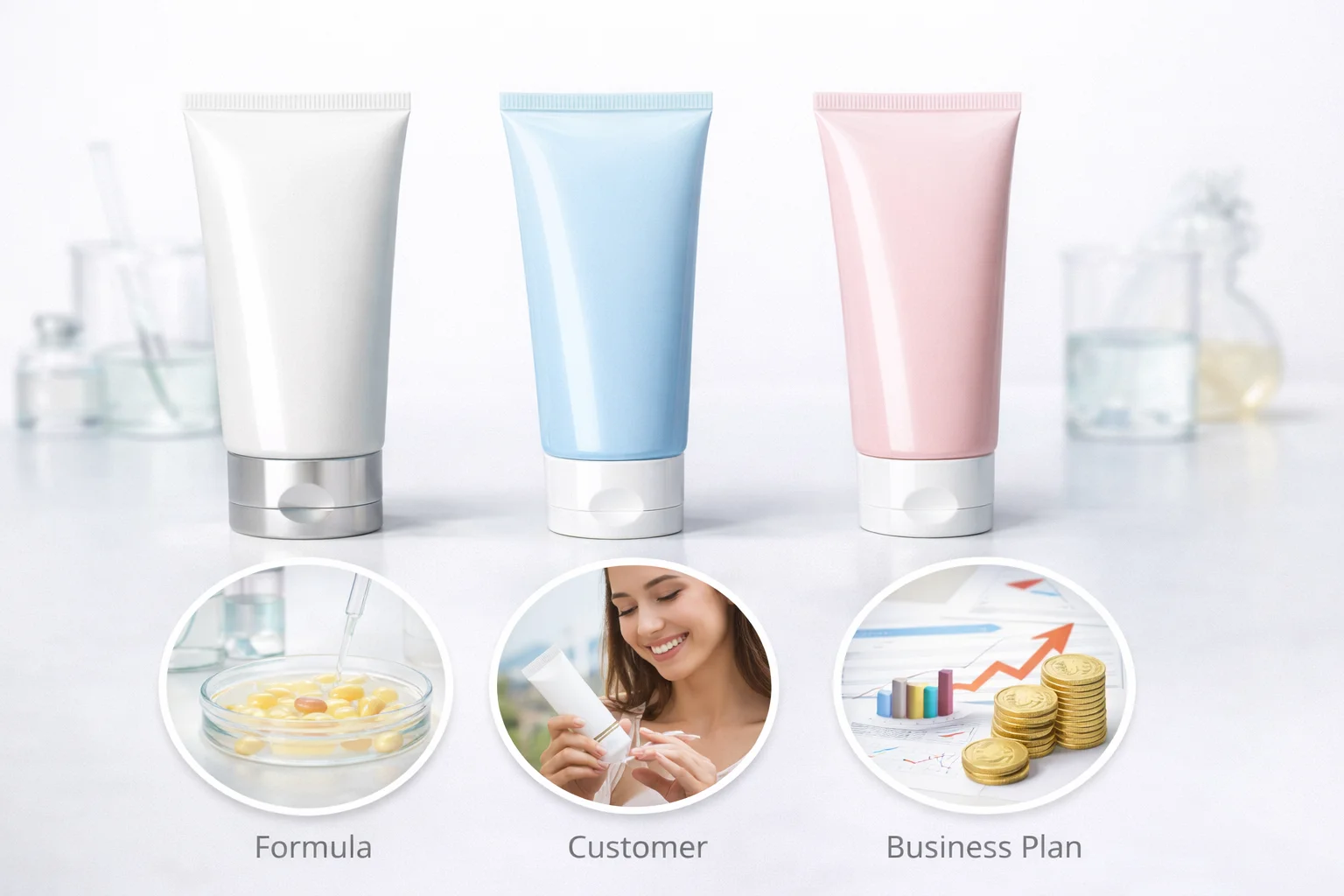
Making this decision doesn't have to be overwhelming. You can approach it like a simple checklist. If a squeeze tube checks all the right boxes, you can move forward with confidence.
Your Decision-Making Checklist
Walk through these three steps. Be honest with your answers.
- Step 1: Analyze Your Formula: This is a technical question. Is it a cream, lotion, or gel? Is the viscosity right for squeezing? Does it contain sensitive active ingredients that would benefit from the protection of a sealed tube? If you have a very watery liquid or a formula with large particles, a tube might not be the best choice. For most other common skincare formulas, a tube is a strong technical fit.
- Step 2: Understand Your Customer: Who is buying your product and how will they use it? If your product is for on-the-go use, the portability of a tube is a major win. If your brand is focused on clean, hygienic solutions, a tube is much better than a jar. Think about the user experience. Will they appreciate the one-handed use of a flip-top cap? Does the packaging feel appropriate for the price you're charging?
- Step 3: Review Your Business Goals: Look at your finances and growth plans. What is your target cost for packaging? Squeeze tubes are very cost-effective. What are your sales projections? Tubes are incredibly scalable. You can start with a smaller order and easily increase your volume as your brand grows without changing the packaging. This flexibility is a massive advantage for new businesses. The best thing you can do at this stage is to talk to a packaging supplier. Involving us early in the process allows us to help you think through these questions and avoid the common pitfalls we see every day.
Conclusion
The right squeeze tube balances performance, cost, and your unique brand identity. It's a smart, efficient, and highly scalable packaging choice when you plan the details correctly from the start.
[^1]: Explore the advantages of squeeze tubes, including cost-effectiveness and hygiene, to make informed packaging decisions.
[^2]: Learn how to optimize packaging costs while maintaining quality and appeal for your skincare line.
[^3]: Understand the significance of hygiene in skincare packaging to protect your product and brand reputation.
[^4]: Explore various packaging formats to determine the best fit for your skincare line.
[^5]: Discover how user-friendly packaging can enhance customer satisfaction and boost sales.
[^6]: Find out how controlled dosing can improve user experience and reduce product waste.
[^7]: Explore the importance of matching product viscosity with appropriate packaging for optimal performance.
[^8]: Learn about the importance of barrier protection in preserving the integrity of sensitive ingredients.
[^9]: Learn how the right packaging can extend the shelf life and effectiveness of your skincare formulas.
[^10]: Explore how thoughtful customization can elevate your brand's image and user experience.
[^11]: Understand how MOQs can impact your budget and inventory management in skincare packaging.
[^12]: Learn why compatibility testing is crucial to prevent product failures and ensure customer satisfaction.
[^13]: Discover common hidden costs in packaging that can affect your overall budget and planning.