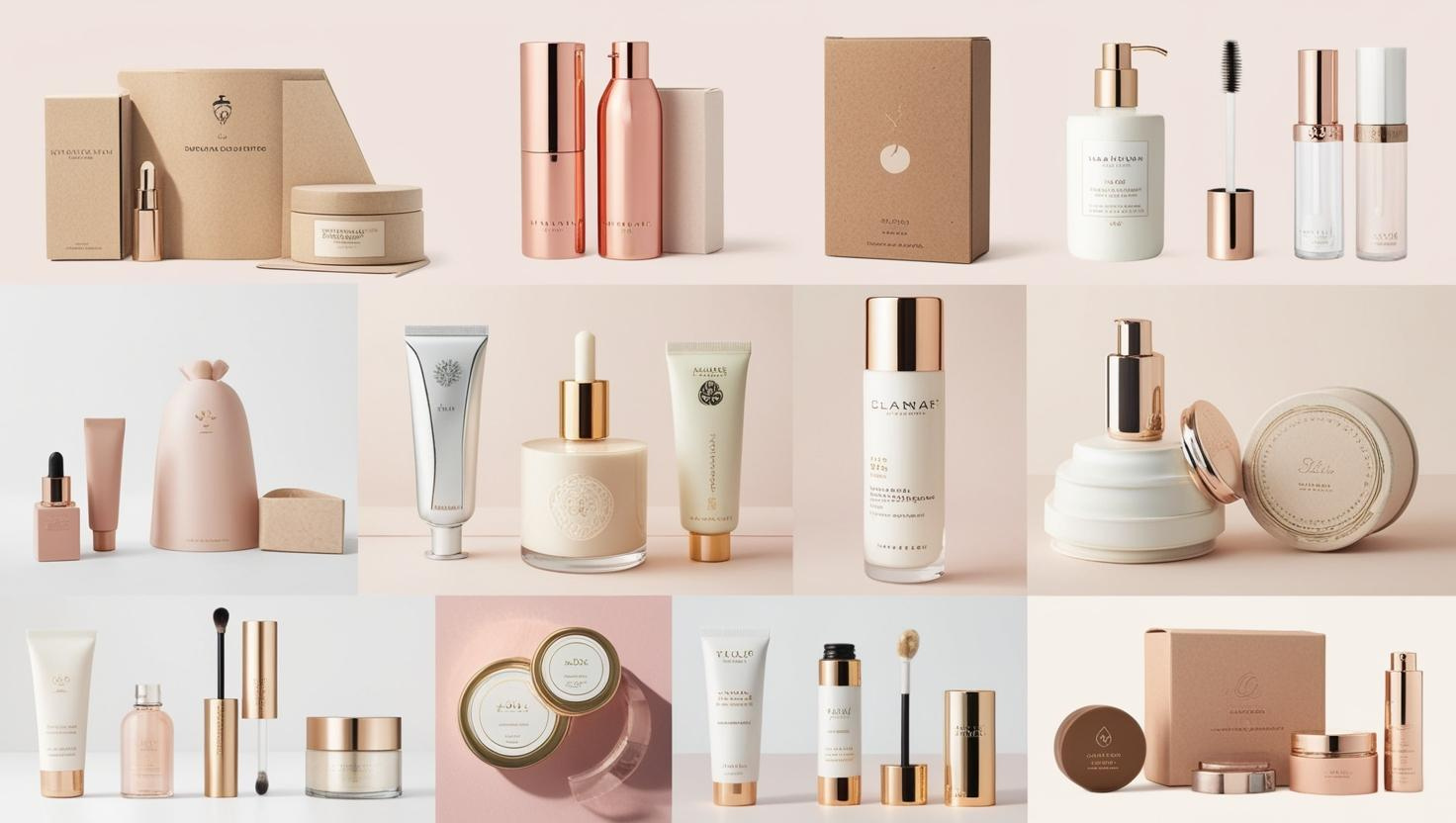
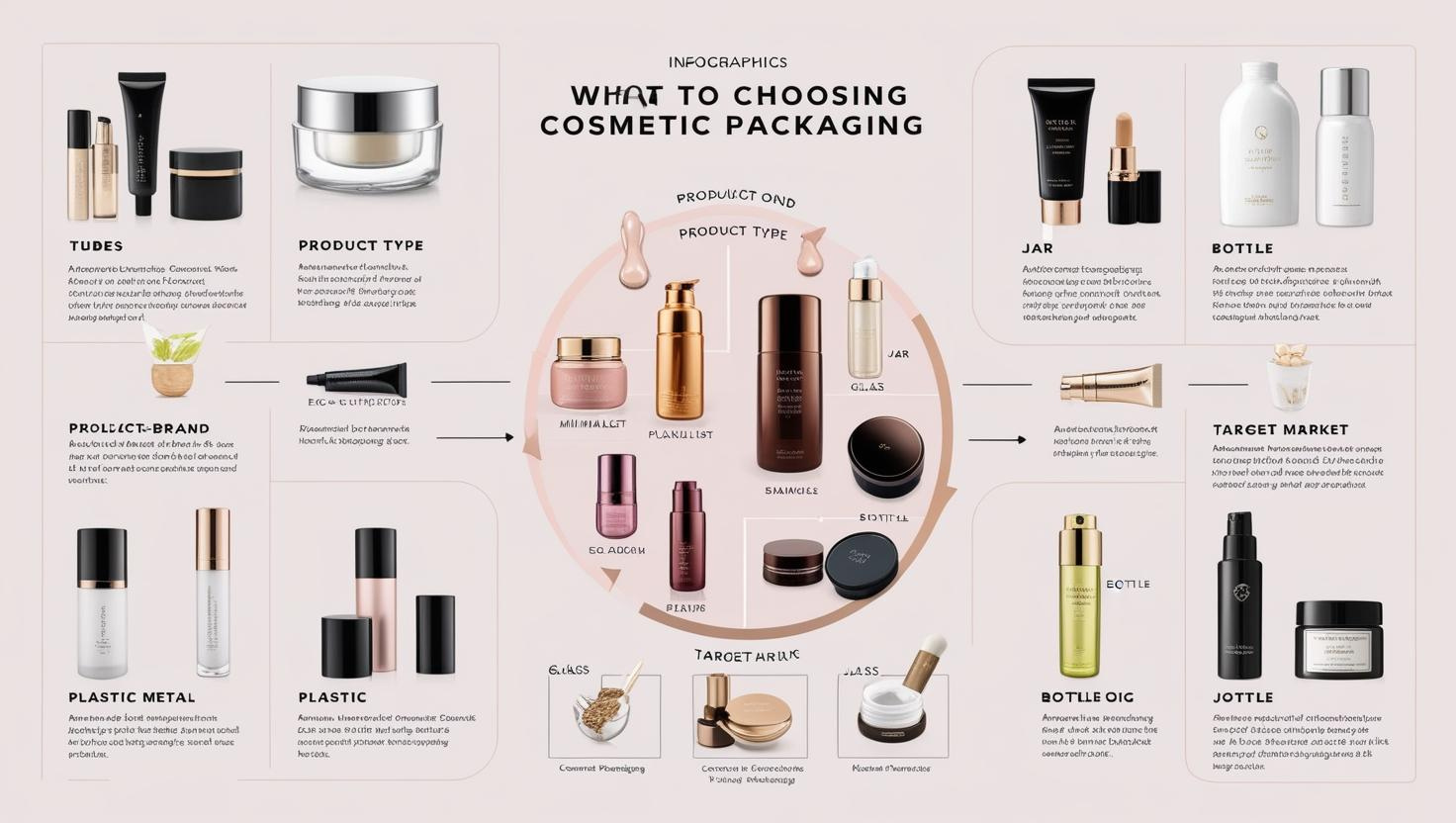
Packaging can make or break your cosmetic product. Choosing the right one might feel overwhelming. Let’s simplify the process and ensure your brand stands out.
You can choose cosmetic packaging by understanding your product needs, brand identity, and market preferences.
Choosing packaging requires balancing functionality and aesthetics. Read on to learn how to make the right choice.
How do we choose the right packaging material?
The choice of material determines durability, cost, and brand image. Let’s dive into how you can find the perfect match.
You can choose the right packaging material by analyzing product compatibility, environmental impact, and customer preferences.

Factors to Consider
| Factor | Why It Matters | Example |
|---|---|---|
| Product Safety | Prevents reactions or leaks | Acidic skincare needs glass1 |
| Sustainability | Attracts eco-conscious consumers | Recyclable plastics2 |
| Cost-effectiveness | Keeps expenses in check | PET3 is affordable |
Practical Tips
- Test materials with your product.
- Seek supplier advice4 on material grades.
- Always consider environmental certifications5.
What are the different types of cosmetic packaging?
Cosmetic packaging comes in many forms, each with its unique purpose. Knowing these types simplifies decision-making.
Cosmetic packaging includes bottles, jars, tubes, pumps, and droppers, catering to different product needs.
Types and Use Cases
- Bottles: Ideal for liquids like serums and toners.
- Transparent PET bottles6 highlight the product’s color.
- Jars: Perfect for creams and balms.
- Double-walled jars7 enhance the luxury appeal.
- Tubes: Great for travel-friendly, squeezable products.
- Laminated tubes8 keep formulas intact.
Comparison Table
| Type | Best For | Key Advantage |
|---|---|---|
| Bottles | Liquids | Sleek and durable |
| Jars | Thick formulations | Luxurious look |
| Tubes | Small quantities | Lightweight |
How do I choose packaging?
Choosing the right design involves more than just looks. It’s about function, protection, and communication.
To choose packaging, focus on product requirements, branding, and market trends.
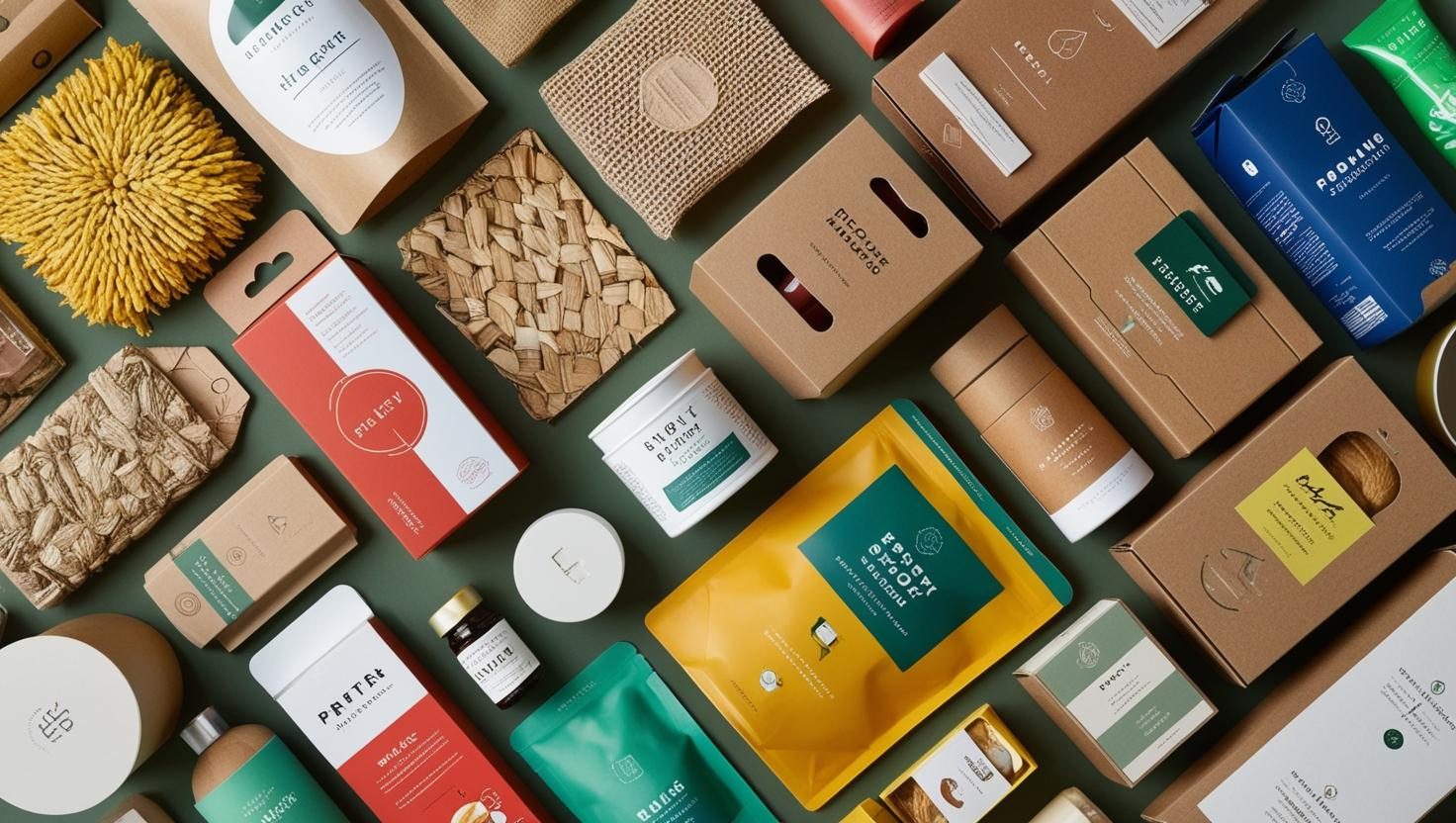
Practical Steps
- Assess Product Needs: Match the packaging to the consistency and usage.
- Example: Thin liquids need spill-proof caps9.
- Highlight Branding: Use custom printing or embossing.
- Example: A sleek logo on frosted glass10 conveys luxury.
- Follow Trends: Eco-friendly options are rising in demand.
Design Tips
- Use bold colors for differentiation.
- Opt for ergonomic shapes for usability.
- Consider user feedback during prototyping.
What is the best plastic for cosmetic packaging?
Plastics offer versatility, but not all are equal. Let’s uncover the best option for cosmetics.
The best plastic for cosmetic packaging is PET, known for being lightweight, durable, and recyclable.
Key Plastics in Cosmetics
- PET (Polyethylene Terephthalate):
- Benefits: Clear, durable, and widely recyclable.
- Example: Used in skincare bottles.
- PP (Polypropylene):
- Benefits: Lightweight and flexible.
- Example: Ideal for lotion pumps.
- HDPE (High-Density Polyethylene):
- Benefits: Opaque and resistant.
- Example: Popular for sunscreen bottles.
Pros and Cons of Plastic Types
| Plastic | Benefits | Limitations |
|---|---|---|
| PET | Recyclable, durable | Not heat-resistant |
| PP | Lightweight, affordable | Limited transparency |
| HDPE | Sturdy, chemical-resistant | Less eco-friendly |
Conclusion
Choosing cosmetic packaging is about aligning function, design, and material to your product and audience needs.
-
Explanation for glass’s role in preventing reactions or leaks. ↩
-
Why recyclable plastics are key for eco-conscious consumers. ↩
-
PET’s affordability and suitability for cosmetic packaging. ↩
-
Supplier advice for selecting appropriate materials. ↩
-
Importance of environmental certifications in packaging. ↩
-
Benefits of PET bottles for showcasing product color. ↩
-
Enhancements provided by double-walled jars. ↩
-
Advantages of laminated tubes for product integrity. ↩
-
Functionality of spill-proof caps for thin liquids. ↩
-
Frosted glass’s branding and luxury appeal. ↩