Purchasing cosmetic packaging from overseas suppliers can be daunting. Ensuring it meets your specifications, quality standards, and compliance requirements is critical for avoiding costly mistakes.
To ensure overseas cosmetic packaging meets your requirements, you need clear communication with suppliers, thorough documentation, and knowledge of relevant regulations like EU packaging laws1 and FDA standards2.
Let’s dive into the key considerations to ensure compliance and quality when buying overseas.
What information must appear on a cosmetic product?
Cosmetic product labeling plays a vital role in compliance and consumer trust.
Every cosmetic product must display product identity3, ingredient list, net quantity, usage instructions, and manufacturer or distributor details.

Key Labeling Requirements:
- Product Identity: Clearly indicates the product’s purpose.
- Ingredients: List all components in descending order of concentration.
- Net Quantity: Accurate measurement of product weight or volume.
- Usage Instructions: Clear guidelines for proper use.
- Manufacturer Details: Includes name, address, and contact information.
| Labeling Requirement | Example | Importance |
|---|---|---|
| Product Identity | "Moisturizing Lotion" | Guides consumer use |
| Ingredients | "Aqua, Glycerin, etc." | Ensures transparency |
| Net Quantity | "50 ml (1.7 fl oz)" | Provides accurate info |
| Usage Instructions | "Apply daily" | Improves user experience |
| Manufacturer Details | "XYZ Beauty Co., France" | Builds trust |
What are EU packaging regulations?
EU packaging regulations ensure environmental sustainability and product safety.
The EU’s packaging regulations emphasize waste reduction, material safety, and proper labeling to meet environmental and consumer protection standards.
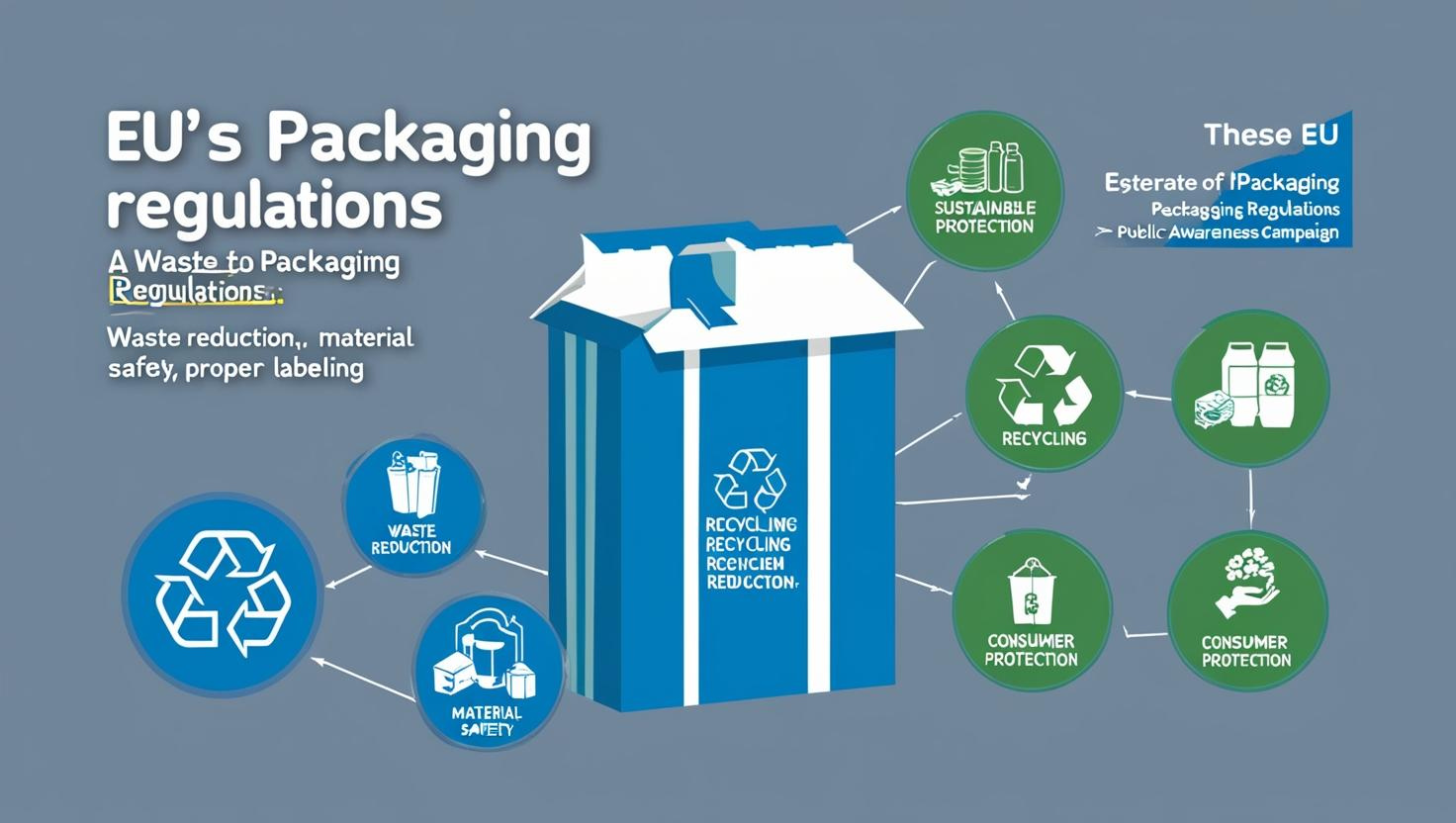
Key EU Packaging Directives:
- Waste Management: Requires recycling or disposal plans for packaging materials.
- Material Safety: Ensures materials used are non-toxic and suitable for contact with cosmetic products.
- Labeling Requirements: Includes compliance with CE marking where applicable.
| Directive | Requirement | Purpose |
|---|---|---|
| Waste Management | Recycling plans | Reduces environmental impact |
| Material Safety | Non-toxic materials | Protects consumers |
| Labeling Requirements | CE marking compliance | Meets EU standards |
How is cosmetic packaging regulated in the EU?
The EU enforces stringent regulations for cosmetic packaging to protect consumers and the environment.
Cosmetic packaging in the EU is regulated under the Cosmetic Products Regulation (EC) No 1223/20094, focusing on safety, labeling, and traceability.
EU Regulation Highlights:
- Safety Standards: Ensures packaging materials do not react with cosmetic contents.
- Labeling Compliance: Requires clear and legible product information.
- Traceability: Mandates batch numbers for recall purposes.
| Regulation Aspect | Requirement | Benefit |
|---|---|---|
| Safety Standards | Non-reactive materials | Prevents contamination |
| Labeling Compliance | Legible details | Informs consumers |
| Traceability | Batch codes | Enables recalls |
Do you need FDA approval for cosmetics?
The FDA has specific guidelines for cosmetic safety and labeling but does not pre-approve products.
Cosmetics do not require FDA approval before entering the market, but they must comply with FDA regulations for safety and labeling.

FDA Compliance Focus Areas:
- Ingredient Safety: Ingredients must be safe for intended use.
- Proper Labeling: Labels must be truthful and not misleading.
- No Misbranding: Products cannot make unauthorized medical claims.
| Compliance Requirement | Example | Importance |
|---|---|---|
| Ingredient Safety | Avoiding harmful chemicals | Ensures consumer safety |
| Proper Labeling | Honest marketing claims | Builds trust |
| No Misbranding | No medical claims | Avoids legal issues |
Does FDA regulate cosmetic packaging?
Cosmetic packaging falls under FDA oversight for safety and labeling compliance.
The FDA regulates cosmetic packaging to ensure it is safe for consumers and does not mislead through false claims.
FDA Packaging Oversight:
- Material Safety: Ensures packaging does not leach harmful substances into products.
- Labeling Standards: Requires clear and accurate labeling for consumer protection.
- Tamper Resistance: Encourages tamper-evident designs for product safety.
| Regulation Area | Example | Importance |
|---|---|---|
| Material Safety | BPA-free plastics | Prevents contamination |
| Labeling Standards | Ingredient transparency | Meets consumer expectations |
| Tamper Resistance | Sealed caps | Ensures product integrity |
Conclusion
To ensure cosmetic packaging purchased overseas meets your requirements, you must understand the relevant regulations like EU directives and FDA standards. Establishing clear communication with suppliers and verifying compliance with labeling and material safety standards will help you achieve success.
-
Learn more about EU packaging regulations for sustainability and safety. ↩
-
Understand FDA regulations for cosmetic packaging and labeling compliance. ↩
-
Explore essential labeling requirements for cosmetic products. ↩
-
Review the Cosmetic Products Regulation (EC) No 1223/2009 for compliance in the EU. ↩