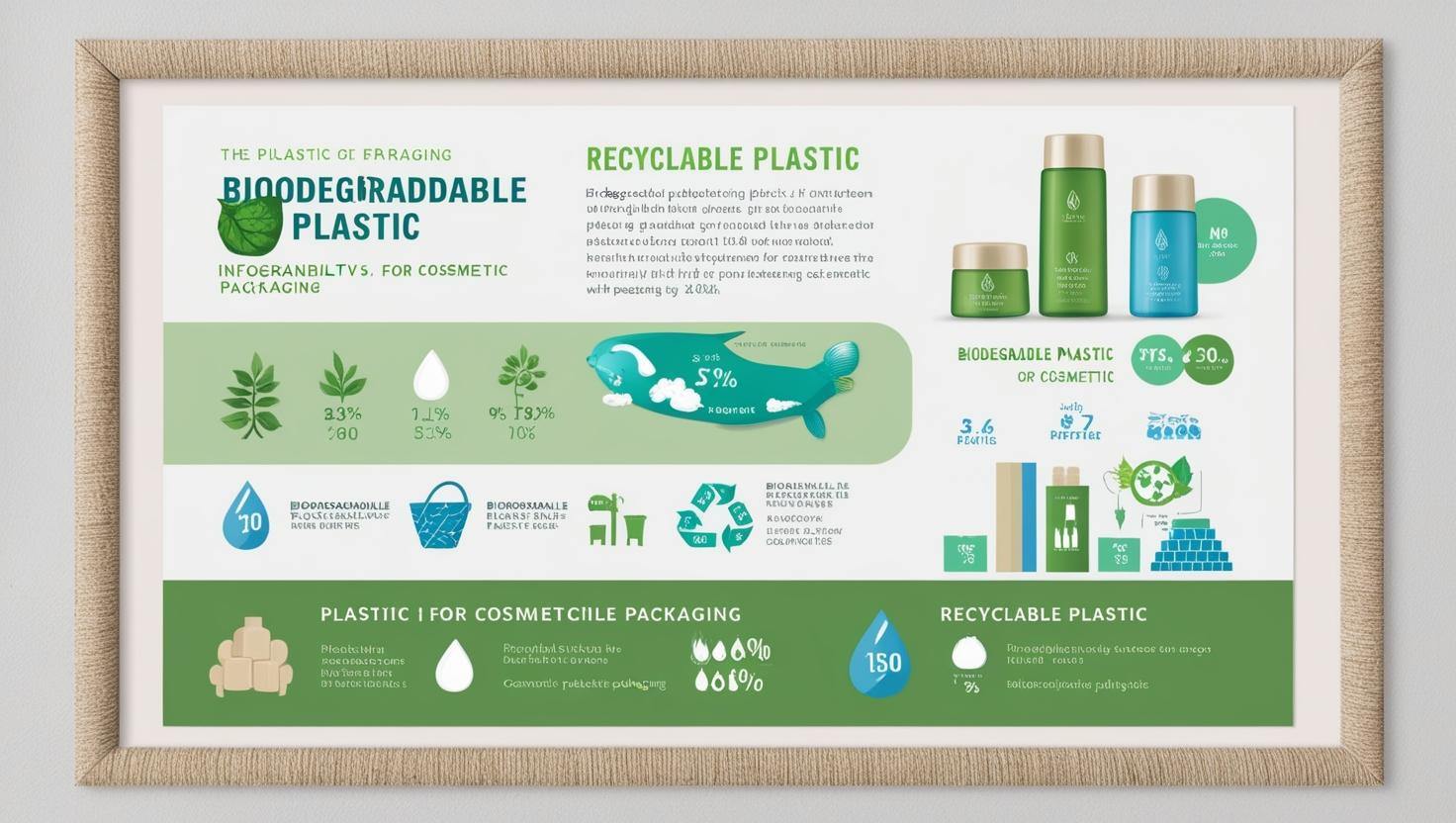
Sustainability is more than a trend—it’s changing the way consumers and brands approach packaging. One term that gets a lot of attention is biodegradable plastic.
But what does “biodegradable” really mean? Is it better than recyclable plastic? And most importantly, is it suitable for cosmetic packaging?
Let’s break it down.
What Is Biodegradable Plastic?
Biodegradable plastics1 are designed to decompose over time into natural substances like water, carbon dioxide, and biomass. This typically happens through the action of microorganisms under specific conditions.
There are two types commonly used in packaging:
- Bio-based biodegradable plastics like PLA and PHA
- Petroleum-based biodegradable plastics like PBAT
However, not all biodegradable plastics will break down easily in a backyard compost bin—many require industrial composting2.
Biodegradable vs. Compostable vs. Recyclable
These three terms often get mixed up:
| Term | Definition | Example |
|---|---|---|
| Biodegradable | Breaks down via microbes over time | PLA-based pouch3 |
| Compostable | Breaks down fully into non-toxic compost in set time | Certified compostable tube4 |
| Recyclable | Can be reprocessed into new plastic | PET bottle5 |
Many biodegradable plastics are not recyclable, and mixing them into recycling streams can create contamination issues.
Is It Right for Cosmetic Packaging?
That depends on your product and brand values.
Pros:
- Derived from renewable resources
- Lower carbon footprint in production
- Appealing to eco-conscious consumers
Cons:
- Lower barrier properties (moisture/oxygen)
- Often not compatible with water-based formulas
- Limited recyclability infrastructure
- Shorter shelf life6
Biodegradable plastic may work well for powders, dry masks, refill pouches, or samples, but it’s not always ideal for emulsions, lotions, or long-term storage.
What About Certifications?
Look for third-party verified labels such as:
- TÜV Austria OK Compost
- BPI Certification
- EN 13432 European composting standard
You can explore this certification guide7 to learn how to ensure credibility when selecting materials.
Final Thoughts
Biodegradable plastics sound great, but they aren’t automatically better than traditional plastics. The right material depends on product formulation, shelf life, disposal access, and how well your customers understand sustainable practices.
Used strategically, biodegradable packaging can support your brand story—but only when performance and disposal pathways align.
Curious about the next step up? Check out our next article: What Are Compostable Materials and How Are They Used in Beauty Packaging?
-
Biodegradable plastics are materials designed to decompose into natural substances under microbial activity. ↩
-
Most biodegradable packaging needs industrial composting conditions (temperature, humidity, oxygen) to break down effectively. ↩
-
PLA (polylactic acid) is a plant-based polymer often used in biodegradable flexible packaging like pouches. ↩
-
Compostable plastics break down fully into compost under controlled conditions and are certified by third parties like BPI or OK Compost. ↩
-
PET (#1) is a recyclable plastic widely accepted in global curbside recycling programs. ↩
-
Biodegradable plastic packaging often has a shorter shelf life due to weaker barrier properties. ↩
-
Certifications like OK Compost ensure the material will break down within a specified time frame without releasing toxins. ↩